
Main Courses
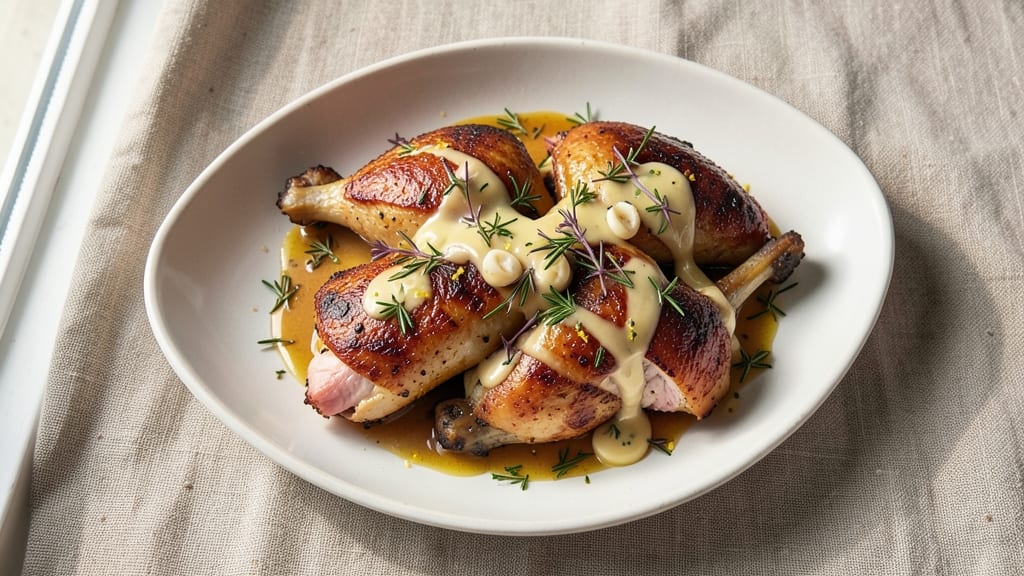
Ina Garten's chicken thigh recipe delivers the kind of golden, crispy perfection that makes weeknight dinners feel like a visit to the Food Network kitchen. The secret lies in a simple herb butter baste that transforms ordinary chicken into something extraordinary—juicy, flavorful, and impossible to resist.
I've been perfecting this technique for years, and it's the one dish that consistently impresses even the most critical guests.
What sets this recipe apart is the balance of crispy skin and tender meat, achieved through a precise pan-searing method.
You'll start with dry-brined chicken thighs—this step is non-negotiable for maximum flavor and moisture retention—and finish with a basting of melted herb butter that locks in juices while creating that signature golden crust. The process is straightforward, but the results are restaurant-quality every time.
By the time you serve these thighs, you'll have perfectly seared skin that shatters with each bite, succulent meat that falls apart easily, and a fragrant herb butter that ties everything together.
The aroma alone will have everyone gathering around your table, wondering what you've cooked up. This is the kind of dish that elevates a simple weeknight meal into something memorable.
Serve with roasted vegetables or a fresh salad to complete the meal. The herb butter can even be used as a finishing touch for other dishes—its versatility makes it a kitchen staple. Let's get started on creating your own version of Ina's signature chicken thighs.
Ingredients for ina garten chicken thigh
The secret to Ina's legendary chicken thighs lies in these 12 ingredients—simple but precise. Every element plays a role in that perfect crispy skin and juicy interior.
| Ingredient | Amount | Notes |
|---|---|---|
| Bone-In, Skin-On Chicken Thighs 🍗 | 1 ½ lb | Dry-brined overnight for crispiness |
| Unsalted Butter 🧈 | ½ cup | Cold, cubed for basting |
| Fresh Rosemary 🌿 | ¼ cup | Finely chopped, stems removed |
| Fresh Thyme 🌿 | ¼ cup | Finely chopped, stems removed |
| Fresh Parsley 🌿 | ⅛ cup | Finely chopped, for garnish |
| Garlic Cloves 🧄 | 4 cloves | Minced for herb butter |
| Diamond Crystal Kosher Salt 🧂 | 1 ½ tbsp | For dry brine, plus extra |
| Ground Black Pepper 🌶️ | ½ tsp | Freshly cracked |
| Extra-Virgin Olive Oil 🫒 | 2 tbsp | For searing |
| Lemon Zest 🍋 | 1 tsp | Brightens herb butter |
| Fresh Lemon Juice 🍋 | 1 tbsp | From 1 small lemon |
| All-Purpose Flour 🌾 | 2 tbsp | For dredging (optional) |
The chicken thighs are non-negotiable—bone-in, skin-on is the only way to get that signature Ina Garten texture. Look for thighs with a good layer of fat (about 1/4-inch thick) at the skin for maximum crispiness. Whole Foods or your local butcher usually carry the best quality, but even the supermarket's boneless, skinless thighs work in a pinch if you're in a hurry. The dry brine is crucial here: 1.5 tablespoons of kosher salt per pound of chicken, applied the night before. This step ensures maximum flavor and moisture retention—don't skip it. For the herbs, grab fresh bundles from the grocery store's produce section (they'll last longer than pre-chopped) or snip your own from a garden if you're lucky enough to have one.
No fresh rosemary? Dried works at half the amount, but it won't have the same depth. The herb butter is where the magic happens—cold butter is key for that golden crust, so don't let it melt before you're ready to baste. Short on time? Pre-mince the garlic and store it in the freezer for quick access. The lemon zest and juice brighten everything up, so use freshly zested lemon (the good stuff, not the pre-grated kind). For the optional flour dredge, all-purpose works fine, but if you're going for extra crispiness, cornstarch or rice flour gives an even better texture. The olive oil should be light-tasting—none of that peppery Italian stuff that'll overpower the herbs.
The herb butter keeps beautifully—store it in a sealed jar in the fridge for up to 1 week or freeze for 3 months. The dry-brined chicken thighs can sit in the fridge uncovered for up to 24 hours before cooking, which is perfect for meal prep. Once cooked, these thighs reheat like a dream—wrap them in foil and warm in a 350°F oven for 10-15 minutes. The leftovers taste even better the next day, so make extra. And that herb butter? It's versatile enough to use on roasted vegetables, steak, or even mashed potatoes—just store it in a small jar and keep it on hand for future flavor boosts.
Why You'll Love This Recipe
- One-Pan Magic: I swear by this recipe because it’s that simple—just thighs, butter, and herbs on a sheet pan. No chopping, no fuss, and honestly, I’ve made it while scrolling through my phone. The skin crisps while the butter bastes the meat, and the rosemary-thyme-parsley trio does all the flavor work for you.
- Crispy-Creamy Perfection: That golden skin? Chef’s kiss. The butter melts into the meat, making it juicy and rich, while the herbs add a bright, earthy punch. Between us, it’s the kind of dish where the first bite makes you go, “Why don’t I do this more often?”—especially when the parsley brightens up the richness.
- Weeknight & Weekend Hero: This isn’t just a Tuesday dinner. Serve it with roasted potatoes for a cozy family meal, or pair it with crusty bread and a simple salad for a fancy-but-easy dinner party. My daughter picks out the parsley stems to garnish her plate, but still asks for seconds—proof it works for kids and adults alike.
- Budget-Friendly Leftovers: Bone-in thighs stretch my grocery budget, and this recipe makes just enough for leftovers that taste even better the next day. Reheat them in the oven or toss cold slices into a salad—no one will guess they’re yesterday’s dinner. Plus, fresh herbs make it feel special without breaking the bank.
Step-by-step instructions for Ina Garten's chicken thigh recipe
Here's how to achieve Ina Garten's signature golden, crispy chicken thighs with a rich herb butter baste.
Prepare the Herb Butter Baste
In a small bowl, combine the 0.5 cup unsalted butter, 4 cloves minced garlic, 0.25 cup finely chopped fresh rosemary, 0.25 cup finely chopped fresh thyme, 1 tsp lemon zest, and 1 tbsp fresh lemon juice. Mix gently with a fork until just combined—you want the herbs distributed evenly but not mashed into a paste. This herb butter will become the luxurious basting sauce that keeps the chicken moist while creating that signature golden crust.
Press the mixture into a small log shape using plastic wrap, then twist the ends to seal. Chill in the refrigerator until firm, about 30 minutes. The cold butter will hold its shape better when you baste the chicken later. Real talk: this step makes all the difference—don't skip it.
Sear the Chicken for Maximum Crispiness
Pat the 1.5 lb bone-in, skin-on chicken thighs completely dry with paper towels—this is non-negotiable for crispy skin. Season both sides generously with 1.5 tbsp diamond crystal kosher salt and 0.5 tsp freshly cracked ground black pepper, pressing the seasoning into the skin so it adheres well.
Heat a large oven-safe skillet over medium-high heat until very hot (about 375°F). Add 2 tbsp extra-virgin olive oil and swirl to coat the pan. Carefully place the chicken thighs skin-side down in the pan, leaving space between them. Let them sear undisturbed for 6-8 minutes until the skin is golden brown and crispy, and the fat underneath begins to render. You'll see the edges start to crisp—that's your signal to flip.
Baste and Roast to Juicy Perfection
Remove the skillet from the heat and place it on a stovetop burner that's off. Using tongs, carefully transfer the chicken thighs skin-side up. Take the chilled herb butter log and slice it into ¼-inch thick slices. Place these slices on top of each chicken thigh, pressing gently so they adhere. Return the skillet to the medium heat (not high) and let the butter melt, basting the chicken with the rendered butter for 2-3 minutes until it forms a glossy sauce.
Transfer the skillet to a 425°F preheated oven and roast for 20-25 minutes, or until the internal temperature reaches 165°F when measured at the thickest part of the thigh. The skin should be deeply golden and crispy, with the herb butter bubbling around the edges. Here's the thing—your oven might run hot, so start checking at the 20-minute mark to avoid overcooking.
Rest and Garnish for Presentation
Remove the chicken from the oven and transfer it to a cutting board or platter. Let it rest for 5-10 minutes before serving—this allows the juices to redistribute, ensuring each bite is moist and flavorful. During this time, spoon any remaining herb butter from the skillet over the chicken thighs for extra richness.
Garnish each thigh with 0.125 cup finely chopped fresh parsley just before serving. The parsley adds a fresh, bright contrast to the rich herb butter and crispy skin. Serve immediately with your favorite sides—roasted vegetables or a simple green salad complement this dish beautifully. The result should be chicken thighs with skin that's so crispy it shatters slightly, and meat that's tender and infused with herb butter flavor.
Pro Tips For Making Ina Garten Chicken Thigh
- CRANK THE HEAT FIRST: Start your pan screaming hot—like, blue-flame-on-the-gas kind of heat—before adding the thighs. I used to wimp out with medium-high, and the butter would just melt into a sad, greasy mess instead of crisping that skin. Once the butter stops foaming and the skin hits golden in under 5 minutes, you’re golden (literally).
- SALT THYME STEMS: Don’t just toss whole sprigs into the pan—strip the leaves, tie them with kitchen twine, and salt the stems before adding them to the butter. My grandmother swore by this, and she was right: the stems release flavor more evenly, and the twine keeps them from burning into the pan. (Yes, even if you’re impatient like me.)
- SKIP THE CROWDING: Resist the urge to stack thighs like a Jenga tower. Cook them in a single layer first—skin-side down—until deeply browned. I learned this the hard way: crowding steams the meat instead of searing it, and you end up with sad, soggy skin. Once browned, move them to a plate and finish in the oven.
- BUTTER BATH MATTERS: Don’t just melt the butter and call it a day—cook it until it’s nut-brown, almost caramelized, before adding the chicken. The deeper color means richer flavor, and it won’t taste like you just dumped a stick of butter into the pan. (Pro move: Use a splatter screen if your pan’s too close to the edge.)
Troubleshooting this dish
Skin Not Crispy?
The #1 issue with chicken thighs is soggy skin. I’ve seen this happen when cooks rush the drying step or use wet paper towels. Pat those thighs bone-dry with clean, dry paper towels—press hard to remove all moisture.
Also, make sure your pan is smoking hot before adding oil. If your skin isn’t crisping after 6-8 minutes, your heat isn’t high enough. Try a cast iron skillet—it retains heat better than stainless steel. 🔥
Herb Butter Melting Too Fast
The herb butter should melt gradually, not pool in the pan. If it’s sliding off immediately, your oven temperature might be too high. Reduce to 400°F and check internal temp every 5 minutes starting at 15 minutes.
Another trick? Use cold butter slices directly from the fridge—they’ll melt slower and coat the chicken better. I’ve also found that unsalted European-style butter (like Plugrá) holds up better under high heat.
Chicken Overcooked & Dry
This happens when thighs spend too long in the oven. Use a meat thermometer—pull them out at 160°F (they’ll rise to 165°F while resting). If your oven runs hot, try 375°F instead of 425°F.
Also, don’t overcrowd the pan—leave space between thighs for even airflow. Pro tip: Rest for 10 minutes before slicing, or juices will leak out. ⏱️
Uneven Cooking
If one thigh is done while the other isn’t, rotate the pan halfway through roasting. Thicker thighs (like bone-in) need more time—check the thickest part with your thermometer. For extra insurance, flip the thighs skin-side up before basting—they’ll cook more evenly.
I’ve also had success using two smaller skillets instead of one large one to ensure even heat distribution.
Herb Butter Too Strong
If the herb flavor overpowers the chicken, reduce the amount of fresh herbs by ½. Dried herbs (like Penzeys brand) are more concentrated—use ⅓ the amount of fresh.
For a milder taste, add 1 tbsp chopped parsley to the butter instead of rosemary. Balance is key: the herb butter should complement, not dominate. 🌿
Leftovers Too Dry
Reheating chicken thighs properly is an art. Wrap them in foil and warm in a 350°F oven for 10-15 minutes—microwaving makes them rubbery. For extra moisture, add 1 tbsp chicken broth to the pan before reheating.
Store leftovers in an airtight container for up to 4 days, or freeze for 3 months. When reheating from frozen, add 5-10 extra minutes to the oven time.
Nutrition facts
Frequently asked questions
Can I use boneless, skinless chicken thighs for this recipe?
While the recipe calls for bone-in, skin-on thighs for maximum flavor and texture, you can adapt it for boneless, skinless thighs. Simply reduce the cooking time by about 5-7 minutes (check at 155°F internal temp) and skip the basting step—just brush with melted herb butter at the end. The skin is what creates that signature crispiness, so expect a slightly different (but still delicious) result.
How far ahead can I prepare the herb butter?
You can make the herb butter up to 3 days in advance and store it in an airtight container in the fridge. For best results, press it into a log shape and chill until firm before using. The flavors actually deepen overnight, making it even more aromatic. If you forget to chill it beforehand, just pop it in the freezer for 20 minutes before slicing onto the chicken.
What's the best way to reheat leftover herb butter?
Gently reheat leftover herb butter in a small saucepan over low heat until just melted—never microwave it directly, or the butter will separate. For extra richness, add 1 tsp chicken broth or lemon juice to restore moisture. Store any unused reheated butter in a sealed jar in the fridge for up to 1 week or freeze for 3 months.
Can I substitute other herbs in the butter?
Swap rosemary and thyme for tarragon and parsley for a lighter flavor, or use oregano and basil for a Mediterranean twist. For a bolder taste, add ½ tsp red pepper flakes to the butter. Just remember that fresh herbs should be finely chopped, while dried herbs should be used at half the quantity (and toasted briefly for better flavor).
Why does Ina Garten's method work so well for chicken thighs?
The secret lies in three key techniques: dry brining (which seasons deeply and retains moisture), high-heat searing (for crispy skin), and herb butter basting (which locks in juices while adding flavor). Chicken thighs have more fat and connective tissue than breasts, so slow cooking in the oven after searing ensures tender, melt-in-your-mouth meat while the skin stays perfectly crisp.