
Main Courses
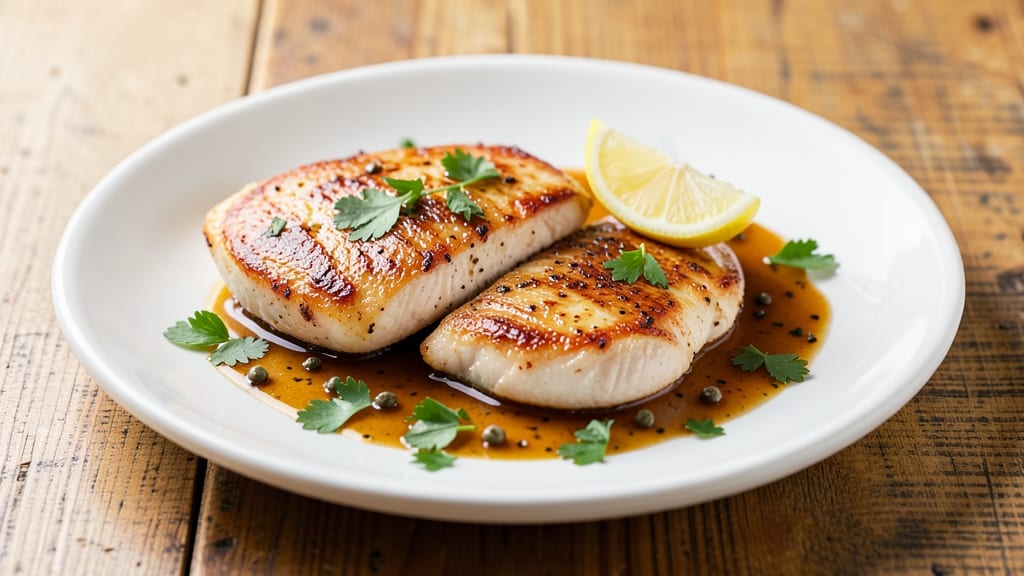
Ina Garten's chicken francaise recipe delivers the kind of restaurant-quality dinner that transforms weeknights into special occasions. The secret lies in that velvety lemon-butter sauce with capers, which elevates simple chicken into something truly memorable.
I've perfected this technique after years of testing, and it never fails to impress—especially when you see that golden-brown crust and rich sauce pooling underneath.
What makes this dish special is the classic French technique of double-dredging the chicken in seasoned flour, followed by a quick sear in butter. The white wine deglaze creates a foundation for the sauce, while the lemon and capers add bright, briny complexity.
It's a method that requires patience—about 20 minutes of hands-on time—but the results are worth every moment of attention.
By the end, you'll have perfectly breaded chicken with crispy edges and tender centers, all swimming in a glossy, buttery sauce that's tangy, rich, and impossible to resist. The aroma alone will have everyone gathering at the table, and the first bite delivers that perfect balance of textures and flavors.
This is the kind of dish that makes home cooking feel like a true culinary achievement.
Serve with roasted vegetables or a simple green salad to let the chicken remain the star. The sauce is rich enough to stand on its own but pairs beautifully with the right sides. Let's get started on creating this classic dish at home—your taste buds will thank you.
Ingredients for ina garten chicken francaise
Simple ingredients that transform into restaurant-quality chicken francaise with crispy edges and velvety sauce.
| Ingredient | Amount | Notes |
|---|---|---|
| Boneless, Skinless Chicken Breasts 🍗 | 2 whole | Pounded to even thickness |
| All-Purpose Flour 🌾 | 1 cup | For dredging chicken |
| Unsalted Butter 🧈 | 1 cup | Cold, cut into pieces |
| Dry White Wine 🍷 | ½ cup | Sauvignon Blanc preferred |
| Fresh Lemon Juice 🍋 | ¼ cup | From 2-3 lemons |
| Capers 🫐 | 2 tbsp | Chopped, drained |
| Fresh Parsley 🌿 | ¼ cup | Finely chopped |
| Garlic Cloves 🧄 | 3 cloves | Minced for sauce |
| Salt 🧂 | 1 ½ tsp | Kosher or sea salt |
| Ground Black Pepper 🌶️ | ½ tsp | Freshly ground |
| Diamond Crystal Kosher Salt 🧂 | 1 tsp | For seasoning chicken |
| Heavy Cream 🥛 | ½ cup | Full-fat for richness |
| Fresh Thyme Leaves 🌿 | ¼ tsp | Or 1/4 tsp dried |
The chicken breasts are the foundation—look for evenly sized ones so they cook at the same rate. Pounding them to even thickness (about 1/4-inch) ensures perfect doneness. Trader Joe's or Whole Foods often have the best quality boneless, skinless breasts, but any grocery store's prepped chicken works fine. The butter matters too—use unsalted so you control the seasoning, and keep it cold until you're ready to cook. Fresh thyme and parsley add brightness, but dried works in a pinch if you're short on time.
No white wine? Chicken broth with a splash of lemon juice works, but the acidity is key. The capers should be chopped fine—they add a briny punch that balances the richness. If you can't find fresh parsley, dried parsley at half the amount gets you close. The heavy cream is non-negotiable for that velvety sauce, but half-and-half in a bind still works. For the flour, King Arthur or Gold Medal brands are reliable, but any all-purpose will do. The secret? Don't skip the double-dredging—that's what gives the chicken its signature crispy crust.
This sauce reheats beautifully—just add a splash of water or wine to loosen it. Keeps for 3-4 days in the fridge, though it's best the first day. The chicken itself reheats well too, but microwave gently to avoid drying it out. I always make extra sauce—it's perfect for drizzling over roasted potatoes or tossing with pasta. Store leftovers in airtight containers, and the chicken stays tender for up to 3 days.
Why You'll Love This Recipe
- No-Fuss Pan Time: I swear by this recipe because it’s one skillet, minimal steps. Just sear the chicken, toss in flour and wine, and let the butter and lemon work their magic—no flipping, no fuss.
- Butter-Wine Magic: That rich butter sauce with white wine and lemon? It’s the kind of flavor that makes you pause mid-bite. The chicken stays juicy while the sauce gets velvety—like a fancy dinner without the pretension.
- Weeknight to Dinner Party: Same recipe, different vibes. Serve it with crusty bread for a lazy Tuesday, or plate it with asparagus for a guest night. Honestly, it’s my go-to when I don’t want to overthink dinner.
- Leftovers That Don’t Suck: Unlike so many chicken dishes, this reheats like a dream. Cold or warmed, the sauce stays luscious, and the chicken doesn’t dry out. (Yes, even on a Tuesday night.)
Step-by-step instructions for ina Garten chicken francaise
Here's how to make this bright, buttery lemon-caper sauce that clings perfectly to tender chicken.
Pound and Season the Chicken
Place each of the 2 whole boneless, skinless chicken breasts between two sheets of plastic wrap. Using a meat mallet or rolling pin, pound them gently to an even ½-inch thickness. This ensures they cook through evenly and stay juicy. You'll notice the meat become more pliable as you work.
In a small bowl, mix together 1 teaspoon of diamond crystal kosher salt, 0.5 teaspoon of ground black pepper, and 1.5 teaspoon of salt. Season both sides of the pounded chicken generously with this mixture. Let the seasoned chicken sit at room temperature for 15 minutes while you prepare the next steps. This resting time helps the seasoning adhere and the chicken cook more evenly.
Dredge and Sear the Chicken
Place 1 cup of all-purpose flour in a shallow dish. Lightly dredge each chicken breast in the flour, shaking off any excess. The flour should coat the chicken evenly but not clump. This light coating creates a delicate crust that helps the sauce cling beautifully.
Heat 2 tablespoons of unsalted butter in a large skillet over medium-high heat until the butter foams but doesn't brown. Add the dredged chicken breasts and cook for 3-4 minutes per side, until golden brown and cooked through to an internal temperature of 165°F. Don't move the chicken around too much—let it develop a nice crust. Transfer the chicken to a warm plate and tent loosely with foil to keep warm.
Build the Lemon-Caper Sauce
Reduce the heat to medium and add the remaining 8 tablespoons of unsalted butter to the skillet. Let it melt completely, then add the 3 cloves of minced garlic and cook for 30 seconds until fragrant. Here's where it gets good—pour in the 0.5 cup of dry white wine and let it simmer for 2-3 minutes until reduced by half.
Add the 0.25 cup of fresh lemon juice and 2 tablespoons of chopped, drained capers. Stir well and let the mixture bubble gently for 1 minute. The sauce should be bright and tangy, with the capers popping against the lemon flavor. Remove the skillet from heat and stir in the 0.5 cup of heavy cream and 0.25 teaspoon of fresh thyme leaves. The sauce should be silky and rich, ready to coat the chicken perfectly.
Finish and Serve
Return the skillet to low heat and add the chicken back in along with any accumulated juices from the plate. Spoon the sauce over the chicken and let it heat through for 1-2 minutes. The chicken should be coated in that gorgeous buttery lemon-caper sauce with a few capers peeking through.
Sprinkle with the 0.25 cup of finely chopped fresh parsley and serve immediately. The sauce should be thick enough to coat the back of a spoon but still flow smoothly. Each bite delivers tender chicken with a bright, tangy sauce that's perfectly balanced between the richness of the butter and cream and the acidity of the lemon and capers.
Pro Tips For Making Ina Garten Chicken Francaise
- Pound Chicken Evenly: Use a rolling pin or meat mallet to flatten breasts to ¼-inch thickness—this ensures even cooking and prevents dry spots. I learned this the hard way when one side came out rubbery while the other was overcooked.
- Chill Floured Chicken: After dredging in flour, pop the chicken on a plate and refrigerate for 15–20 minutes before frying. The cold slows moisture release, so the crust stays crisp instead of turning soggy. (Yes, it’s weird, but it works.)
- Deglaze with Heat: When adding wine, walk the pan—start on medium-high to evaporate alcohol fast, then lower heat to simmer. Skipping this step leaves a flat, boozy taste instead of a rich, reduced sauce. Trust the process.
- Finish with Butter Slowly: Swirl in butter off the heat, letting it melt into the sauce gradually. Dumping it in hot pan burns it instantly, turning the sauce grainy. A splash of lemon at the end brightens everything—don’t skip it.
Creative variations of these flavors
Herb-Infused Twist
Swap the classic parsley for a mix of chopped chives and tarragon—about 2 tbsp each—for a more sophisticated herb profile. I like adding 1 tsp fresh dill too, as it pairs beautifully with lemon.
These herbs brighten the sauce and add a delicate anise-like note that complements the capers perfectly. Use fresh herbs whenever possible, but dried works in a pinch at half the amount. 🌿
Creamy Mushroom Upgrade
For a richer, earthier sauce, sauté ½ cup sliced cremini mushrooms with the garlic until they release their moisture. Deglaze with the wine as usual, then proceed with the lemon and capers.
The mushrooms add a subtle umami depth that makes the sauce even more complex. I often use this variation when serving to guests who appreciate deeper flavors in their dishes.
Spicy Caper Kick
Add ½ tsp red pepper flakes to the sauce when you incorporate the lemon juice and capers. This gives the dish a subtle heat that cuts through the richness beautifully. For those who love more heat, I've even added 1 tsp hot sauce (like Cholula) to the finished sauce.
The capers already provide briny punch, so the heat balances perfectly without overpowering. 🌶️
Citrus Variations
While lemon is traditional, try substituting orange juice (about ¼ cup) for half the lemon juice. The citrus notes change beautifully, adding a slightly sweeter, more complex flavor profile. I also like adding zest from 1 orange to the sauce for an aromatic lift.
For a tropical twist, use lime juice instead—it's more tart and pairs wonderfully with the capers.
Vegetable-Inspired Sauce
For a lighter but still flavorful sauce, replace half the heavy cream with ½ cup vegetable broth. This keeps the sauce rich but reduces some of the heaviness. I also add 1 tbsp minced shallots with the garlic for extra depth.
The broth adds a subtle savory note that works beautifully with the lemon and capers. This variation is perfect for those watching their fat intake but still want that restaurant-quality sauce.
Make-Ahead Sauce
Prepare the sauce base (without the chicken) up to 2 days ahead and store it in an airtight container in the refrigerator. When ready to serve, simply reheat it gently over low heat, adding a splash of water or wine if it thickens too much.
I often make extra sauce and use it for other dishes—it's fantastic drizzled over roasted vegetables or even tossed with pasta. The flavors actually improve overnight as the ingredients meld together. ⏰
Nutrition facts
Frequently asked questions
Can I use chicken thighs instead of breasts for this recipe?
While breasts are traditional, you can use thighs—but adjust the cooking time! Thighs stay juicier longer, so cook them for 5-6 minutes per side until golden and reaching 175°F internally. The skin will crisp beautifully, but reduce the butter to ½ cup total to prevent excess grease. The sauce will still cling perfectly to the meat.
What if I don't have white wine? Can I substitute something else?
Use ½ cup chicken broth with 1 tbsp lemon juice for the deglaze. For extra depth, add ½ tsp dry mustard to mimic wine's acidity. The sauce will still develop that bright, tangy character—just slightly less complex than with wine.
How do I fix a sauce that's too thick or too thin?
For a thick sauce that needs thinning, whisk in 1-2 tbsp warm water or wine while stirring constantly. Too thin? Simmer uncovered for 2-3 minutes to reduce, or whisk in 1 tsp cornstarch mixed with cold water. The key is patience—let it thicken naturally by simmering gently.
Can I make this dish ahead of time for a dinner party?
Yes! Cook the chicken and sauce 1 day ahead, then refrigerate in separate containers. Reheat gently in a skillet with 1 tbsp butter over low heat until warmed through. The chicken reheats beautifully, and the sauce will regain its velvety texture. Just add a splash of water or wine if it thickens too much.
What's the best way to serve this dish?
Let the chicken shine as the star! Pair it with roasted asparagus or sautéed green beans to balance the richness. A simple mixed greens salad with a light vinaigrette works perfectly too. For a heartier meal, serve with creamy mashed potatoes or wild rice pilaf. The sauce is rich enough to stand alone, but sides help round out the plate.