
Sauces & Condiments
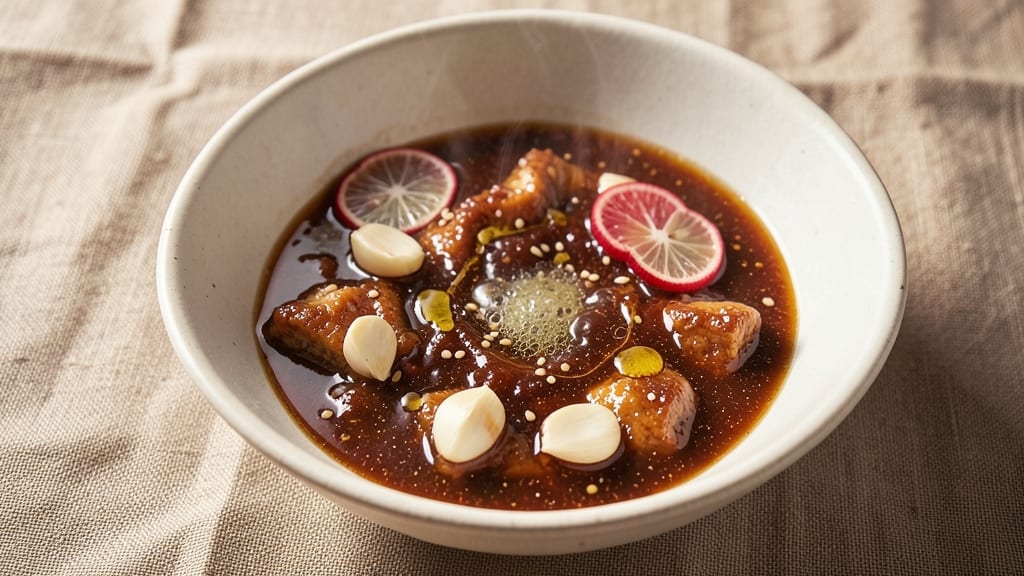
This hibachi chicken marinade recipe delivers the signature smoky, umami-packed char that transforms ordinary chicken into restaurant-quality grilled perfection. The secret lies in a precise blend of soy sauce, brown sugar, and aromatic spices that create deep caramelized flavor while keeping the chicken tender.
I developed this marinade after years of experimenting with hibachi-style cooking, and it never fails to impress—whether you're grilling or broiling.
The marinade works its magic through a two-step process: first, the ingredients combine into a sticky, flavorful paste that clings to every surface of the chicken. Then, a minimum 30-minute marinating time allows the flavors to penetrate deeply, while an additional 15-minute rest before cooking ensures even charring.
The result is chicken with a perfect balance of smoky exterior and juicy interior, every time.
What sets this marinade apart is its ability to create that signature hibachi char—deep brown, slightly crispy edges with a glossy sheen. The combination of soy sauce and brown sugar produces caramelized notes that mimic the flavors of traditional hibachi grilling, while garlic and ginger add layers of aromatic depth.
This isn't just marinade; it's the foundation for hibachi-quality chicken at home.
The best part? This marinade doubles as a basting sauce, so you can use any leftover mixture to enhance the flavor as your chicken cooks. Whether you're preparing for a weeknight dinner or a special occasion, this recipe ensures your chicken will be the star of the meal.
Let's get started with the ingredients you'll need.
Ingredients for hibachi chicken marinade
Nine ingredients. One marinade. Restaurant-quality hibachi flavor at home.
| Ingredient | Amount | Notes |
|---|---|---|
| Soy Sauce 🍶 | ½ cup | High-quality, preferably Japanese |
| Light Brown Sugar 🍚 | ½ cup | Packed firmly for accuracy |
| Sesame Oil 🫒 | 2 tbsp | Toasted sesame oil preferred |
| Garlic Cloves 🧄 | 8 cloves | Freshly minced, aromatic |
| Fresh Ginger 🌿 | 2 tbsp | Grated, not powdered |
| Rice Vinegar 🍶 | 2 tbsp | White or seasoned |
| Honey 🍯 | 2 tbsp | Wildflower or clover |
| Ground White Pepper 🌶️ | 1 tsp | Freshly ground preferred |
| Diamond Crystal Kosher Salt 🧂 | 1 tsp | Fine grain for balance |
| Toasted Sesame Seeds 🌾 | 1 tbsp | For garnish and texture |
The soy sauce is non-negotiable—Japanese brands like Kikkoman or Yamasa deliver that deep umami punch. Brown sugar needs to be packed firmly; Domino or C&H work perfectly. I always grab sesame oil from Trader Joe's—their toasted version has a richer aroma. Fresh ginger and garlic are worth the extra minute to prep: organic ginger root from the produce section stays fresher longer. If you're short on time, pre-minced garlic in a jar works, but fresh is always better. The honey adds just enough sweetness to balance the saltiness—local wildflower if you can find it.
No sesame oil? Vegetable oil plus a pinch of toasted sesame seeds mimics the flavor. Short on brown sugar? White sugar plus an extra pinch of salt gets you close. The rice vinegar can be swapped for apple cider vinegar, but it’ll taste slightly different. If you’re avoiding honey, agave or maple syrup work in a pinch—just reduce the amount slightly. The pepper is key for that hibachi kick; black pepper works too, but white keeps the marinade’s clean color. For extra depth, add a dash of fish sauce—trust me, it elevates everything.
This marinade keeps for up to 2 weeks in the fridge, sealed tightly. The flavors actually improve over time—make extra and use it for future grilling sessions. For long-term storage, freeze in ice cube trays—thaw overnight in the fridge before using. The sesame seeds can be toasted fresh or bought pre-toasted; store them in a cool, dark place to preserve their aroma. If you’re prepping ahead, marinate the chicken for up to 12 hours—any longer and the texture gets mushy.
Why You'll Love This Recipe
- Five-Ingredient Magic: I swear by this combo—soy, brown sugar, sesame oil, garlic, and ginger. That’s it. No fancy pantry trips, no last-minute grocery runs. The brown sugar caramelizes just enough to balance the salty soy, and the sesame oil? It adds this nutty depth that makes it taste like you slaved over it for hours.
- Ginger-Garlic Kick: Between us, this marinade is ridiculously good because of the ginger and garlic. The fresh ginger zings while the minced garlic softens just enough to melt into the chicken—no raw bite, just pure savory warmth. It’s the kind of flavor that makes you reach for seconds without even thinking.
- Weeknight & Wraps: I use this marinade for everything: grilled chicken, stir-fries, even in lettuce wraps when I’m lazy. Honestly, the leftovers taste better the next day because the flavors meld. Double it, store it, and thank me later when you’re throwing together a quick meal in 15 minutes.
- Budget-Friendly Powerhouse: Sesame oil and fresh ginger might sound fancy, but they stretch this marinade’s value. A little goes a long way, and the brown sugar keeps costs low while adding that just-right sweetness. Plus, it’s the kind of recipe that makes you feel like you’re eating out—without the restaurant price tag.
Step-by-step instructions for hibachi chicken marinade
This marinade delivers restaurant-quality char and depth every time—simple steps for maximum flavor.
Combine Wet Ingredients for Flavor Foundation
In a medium bowl, whisk together the 0.5 cup soy sauce and 0.5 cup light brown sugar until the sugar dissolves completely. The sugar should create a syrupy consistency that coats the back of a spoon. This balance of salty and sweet forms the backbone of your hibachi marinade, creating that signature caramelized crust when grilled.
Next, add the 2 tablespoons rice vinegar and 2 tablespoons honey. Whisk vigorously until fully combined—you should notice the mixture lighten slightly as the honey blends with the vinegar. This acid-sweet combination prevents the marinade from becoming too heavy, ensuring your chicken stays tender while developing that perfect char.
Infuse with Aromatics and Spices
Add the 8 minced garlic cloves and 2 tablespoons freshly grated ginger to the wet mixture. Stir well to distribute the aromatics evenly. The raw garlic and ginger will release their oils as they sit, creating layers of flavor that penetrate the chicken deeply. Let the mixture sit for 5 minutes at room temperature—this allows the garlic and ginger to soften slightly and release their essential oils.
In a separate small bowl, combine the 1 teaspoon ground white pepper and 1 teaspoon diamond crystal kosher salt. This is where the magic happens—the white pepper adds subtle heat without overpowering, while the kosher salt ensures even distribution of flavor. Sprinkle this dry mixture into the wet ingredients and whisk until fully dissolved. The marinade should now have a rich, glossy appearance with visible flecks of garlic and ginger.
Finish with Oil and Toasted Seeds
Drizzle in the 2 tablespoons sesame oil and stir gently to emulsify. The oil helps carry the marinade's flavors into the chicken while preventing it from drying out during grilling. Here's the thing—don't overmix after adding the oil. Just enough to combine prevents the marinade from separating later.
Finally, fold in the 1 tablespoon toasted sesame seeds by hand using a silicone spatula. These seeds add texture and a nutty depth that mimics traditional hibachi seasoning. Give everything one final stir, then transfer the marinade to an airtight container. The seeds will settle at the bottom, so shake well before each use to distribute them evenly.
Marinate Chicken for Optimal Flavor Development
Place your chicken pieces in a resealable plastic bag or shallow dish. Pour the marinade over the chicken, ensuring each piece is thoroughly coated. For best results, marinate in the refrigerator for at least 4 hours, or overnight if possible. This extended time allows the soy sauce to tenderize the meat while the sugar begins caramelizing on the surface—creating that perfect char when you grill.
I know it seems counterintuitive to marinate chicken for so long, but trust me—this step transforms ordinary chicken into hibachi-worthy perfection. The longer it marinates, the more intense the flavors become, and the better the sear. Just be sure to use the chicken within 24 hours of marinating for food safety.
Pro Tips For Making Hibachi Chicken Marinade
- Mince Ginger Fine: Use a microplane or the smallest holes on a grater—no chopping needed. I learned this the hard way after biting into a chunk of ginger in my first batch. A tablespoon of freshly grated ginger (about 1-inch piece) will give you that bright, aromatic punch without the texture surprise.
- Warm the Sesame Oil: Heat the sesame oil just until shimmering—about 30 seconds—before adding it to the marinade. Cold oil dulls the flavor, and I was skeptical until I tried it. Now I swear by it for that nutty aroma to really sing in the marinade.
- Balance the Sugar: Start with 2 tablespoons of brown sugar, taste, then adjust. Too much sugar masks the soy’s depth, and I’ve ruined batches by overdoing it. If your chicken tastes cloyingly sweet, add a splash of rice vinegar to cut through it.
- Marinate Overnight: Let the chicken sit for at least 4 hours—or better yet, overnight—so the soy and sugar penetrate. I used to rush it, thinking more time in the marinade would make it soggy, but the result is juicier, deeper flavor. Cover and refrigerate.
Flavor customization for hibachi chicken marinade
Sweet & Smoky Boost
For a deeper caramelized char, add 1 tbsp molasses or 1 tbsp maple syrup to the marinade. This intensifies the smoky-sweet flavor profile that defines hibachi chicken. I find that 1 tbsp blackstrap molasses adds a subtle iron-rich depth that pairs perfectly with the soy and sesame.
For extra smokiness, incorporate ½ tsp smoked paprika—this mimics the grill's char without needing an actual flame. 🔥
Spicy Kick Options
If you love heat, stir in 1 tbsp gochujang or ½ tsp cayenne pepper for a fiery twist. The gochujang adds fermented depth while bringing spicy warmth, while cayenne delivers a sharp, clean heat.
For a balanced spicy-sweet combo, add 1 tbsp sriracha along with the honey. Always taste before marinating—adjust to your preferred heat level.
Citrus Zing
Brighten the marinade with 1 tbsp freshly squeezed lemon juice or 1 tsp orange zest. The acidity cuts through the richness, creating a more complex flavor. I especially love this when grilling in summer—it keeps the chicken juicy while adding a refreshing contrast.
For extra zing, add ½ tsp grated lime zest at the end for a tropical hibachi twist.
Umami Bomb Additions
Elevate the umami with 1 tbsp fish sauce or 1 tbsp Worcestershire sauce. These ingredients deepen the savory notes without overpowering. For a vegetarian option, use 1 tbsp soy sauce substitute like coconut aminos.
I recommend adding these after the initial marinade mixture is complete to preserve their delicate flavors.
Herb Infusions
Fresh herbs like thyme, basil, or cilantro add brightness. Finely chop 2 tbsp fresh herbs and fold them in at the very end—this prevents them from turning bitter.
I particularly love cilantro with lime for a Mexican-inspired hibachi fusion. For a more traditional approach, thyme pairs beautifully with the sesame and garlic.
Texture Enhancers
For extra crunch, stir in 1 tbsp crushed peanuts or 1 tbsp toasted slivered almonds. These add a delightful contrast to the tender chicken. For a more traditional hibachi texture, sprinkle in 1 tbsp crushed wasabi peas—they bring a subtle crunch and mild heat.
Always add these right before using the marinade to maintain freshness.
Nutrition facts
Frequently asked questions
How long should I marinate chicken for optimal hibachi flavor?
Marinate for at least 4 hours to develop deep flavors, but overnight (up to 12 hours) yields the best results. The soy sauce tenderizes while the sugar begins caramelizing—this creates that signature hibachi char when grilled. Never exceed 24 hours to maintain food safety and texture.
Can I use this marinade on other proteins?
It works beautifully on shrimp, salmon, or even tofu. The soy-brown sugar base caramelizes on all proteins, while the sesame and garlic add universal appeal. For tofu, marinate for 1-2 hours max to avoid over-softening. The flavor profile translates perfectly to hibachi-style skewers or stir-fries.
What's the best way to prevent my chicken from drying out?
Keep the chicken bone-in when possible—bones retain moisture. After marinating, pat dry thoroughly before cooking to ensure a good sear. For extra protection, add 1 extra tablespoon sesame oil to the marinade. Never overcook: chicken should reach 165°F internally, but remove from heat 5°F below target to carry over.
Can I make this marinade ahead of time?
Yes! Store in an airtight container in the fridge for up to 2 weeks—flavors actually improve with time. For long-term storage, freeze in ice cube trays and transfer to a bag. Thaw overnight in the fridge before using. The sesame seeds may separate, so shake well before applying. This makes it perfect for meal prep Sundays!
Why does my hibachi chicken turn out bland?
Three common mistakes:
- Not marinating long enough (4+ hours required),
- Skipping the 15-minute rest before cooking (lets flavors settle), or
- Overcooking (dries out the meat). Double-check your soy sauce quality—Japanese brands deliver deeper umami. Also ensure you're using fresh garlic and ginger for maximum aromatic punch.