
Main Courses
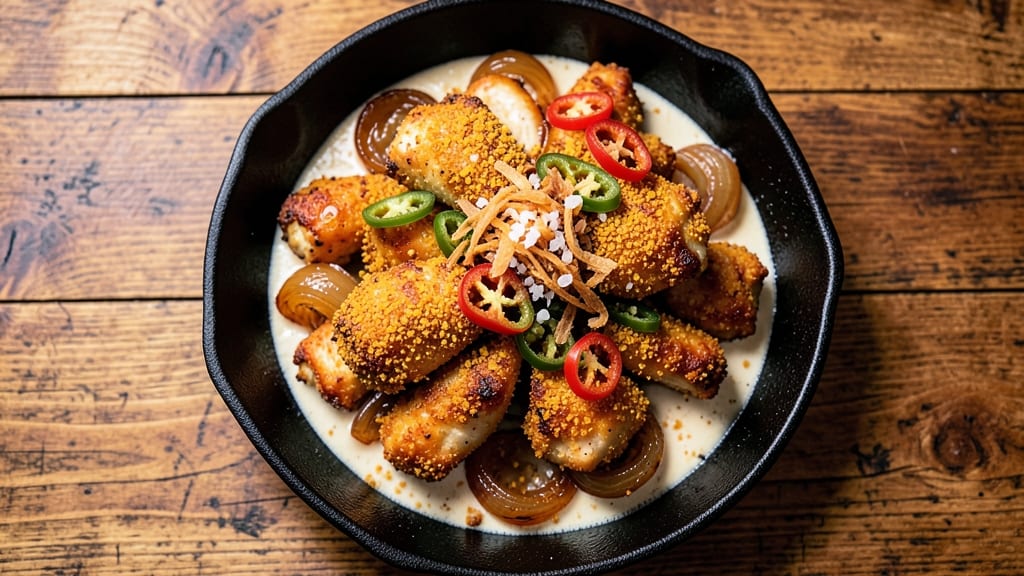
This Fireman's Chicken recipe delivers the crispy, sweet-spicy bites that make it a Southern classic—golden, crunchy outside with tender meat inside, all coated in that signature tangy glaze. The secret lies in the marinade, which tenderizes the chicken while building layers of flavor that caramelize beautifully during frying.
I've perfected this method over years of testing, ensuring every bite stays crispy without sacrificing juiciness.
The traditional approach uses buttermilk and hot sauce for the marinade, letting the chicken soak up flavors overnight for maximum tenderness. When fried to a deep golden brown, the glaze clings perfectly, creating that signature sweet-spicy contrast.
This recipe serves four with crispy edges that hold up even when served with classic sides like pickles, coleslaw, or steamed rice.
What you'll achieve is restaurant-quality Fireman's Chicken with a crispy exterior that shatters between your teeth and a glaze so balanced it's addictive. The marinade's acidity cuts through the richness, while the frying process creates that signature caramelized crust.
Serve immediately for the best texture, or hold for a few minutes if you prefer slightly softer edges.
For a modern twist, try air-frying instead of deep-frying—it reduces oil while still delivering crispy results. The glaze recipe doubles easily, so make extra for dipping or drizzling over other dishes.
This dish is perfect for game day, family gatherings, or whenever you crave that perfect balance of sweet, spicy, and crispy.
Ingredients for fireman's chicken
Buttermilk, hot sauce, and crispy secrets—here’s what makes Fireman’s Chicken unforgettable.
| Ingredient | Amount | Notes |
|---|---|---|
| Boneless Chicken Thighs 🍗 | 2 lb | Cut into 1-inch pieces, skin-on preferred |
| Buttermilk 🥛 | 1 cup | Full-fat for best tenderness |
| Hot Sauce 🌶️ | ½ cup | Crystal or Louisiana preferred |
| All-Purpose Flour 🌾 | 1 cup | For dredging, not self-rising |
| Cornstarch 🌽 | 2 tbsp | For extra crispiness |
| Yellow Cornmeal 🌽 | ½ cup | Fine grind preferred |
| Granulated Sugar 🍚 | ¼ cup | For glaze sweetness |
| Light Brown Sugar 🍚 | ¼ cup | Packed, for caramelization |
| Cayenne Pepper 🔥 | 1 tsp | Adjust for heat preference |
| Ground Black Pepper 🌶️ | 1 tsp | Freshly ground preferred |
| Vegetable Oil 🫒 | 3 cups | For deep-frying, 350°F |
| Kosher Salt 🧂 | 1 ½ tbsp | Diamond Crystal preferred |
| Lemon Juice 🍋 | 1 tbsp | Freshly squeezed |
The chicken thighs are non-negotiable—skin-on delivers that signature crispy edge. Grab bone-in, skin-on thighs from the meat counter (they’re cheaper per pound than breasts) and cut them into 1-inch pieces yourself for even cooking. Costco or Whole Foods sell them pre-cut, but I always trim excess fat for cleaner frying. The buttermilk? Full-fat only—low-fat won’t tenderize like the real deal. And that hot sauce? Crystal or Louisiana brands have the perfect balance of heat and tang for the marinade. Pro tip: If your thighs vary in size, cut the larger ones smaller—they’ll cook faster and stay crispy.
No buttermilk? Substitute with 1 cup milk + 1 tbsp vinegar, let it curdle for 5 minutes. Hot sauce shortage? Mix 1 tbsp hot sauce powder + 1 tbsp water for a pinch-hitter. For the coating, cornstarch is your secret weapon—it creates that shatteringly crisp crust. No cornmeal? Use extra flour or panko (but expect slightly less crunch). The sugars in the glaze are where the magic happens—light brown sugar caramelizes beautifully, while granulated dissolves smoothly. Trader Joe’s sells pre-mixed glaze ingredients if you’re in a rush, but homemade tastes like a Southern kitchen should. And yes, you can air-fry this—just spray with oil and bake at 400°F for 12 minutes, flipping halfway.
This glaze is best made fresh—it thickens as it cools, so plan to fry the chicken first, then toss it in the warm glaze right out of the pan. Store leftover chicken in an airtight container for up to 3 days, but the glaze will get sticky. For make-ahead prep, marinate the chicken overnight (it’s worth it), then fry and glaze just before serving. The crispiness fades within 10 minutes, so serve immediately for that restaurant-quality crunch. Freeze uncooked, marinated chicken for up to 3 months—thaw overnight in the fridge before frying.
Why You'll Love This Recipe
- One-Bowl Magic: I swear by this recipe because it’s literally one bowl—just flour, cornstarch, and spices. Toss the thighs in buttermilk, dump the mix on top, and call it a day. No measuring cups, no extra dishes, just hands-off crunch.
- Spicy-Smooth Payoff: That buttermilk tenderizes while the hot sauce adds a kick—just enough to wake up your taste buds without overpowering. The cornstarch gives it that golden, shatter-y crust that’s impossible to resist. (Yes, I’ve eaten it straight from the pan.)
- Tailgate to Tuesday: Between us, this feeds a crowd or keeps me full for days. Double the batch for game day, freeze half for lazy nights, or serve it with fries for a meal that’s equal parts hearty and hassle-free. (My kids beg for leftovers—rare.)
- Budget Crunch Champion: Chicken thighs are cheap, buttermilk stretches far, and flour/cornstarch are pantry staples. For under $10, you get enough for four meals, and the flavor? Next-level without fancy ingredients. My wallet thanks me every time.
Step-by-step instructions for fireman's chicken
Here's the method that delivers that legendary crispy exterior and addictive sweet-spicy glaze every time.
Marinate the Chicken for Maximum Tenderness
Cut the 2 lb boneless chicken thighs into 1-inch pieces (skin-on if possible). In a large bowl, whisk together the 1 cup buttermilk, 0.5 cup hot sauce, 1 tbsp lemon juice, 1.5 tbsp kosher salt, and 1 tsp ground black pepper. The buttermilk should be full-fat for that perfect tenderizing effect.
Add the chicken pieces to the marinade, making sure each piece is fully coated. Cover the bowl and refrigerate for at least 4 hours or overnight if you can. This long marinating time ensures the chicken stays juicy while developing that signature tangy flavor. The longer it marinates, the more tender and flavorful your final result will be.
Create the Crispy Breading Station
In a separate large bowl, combine the 1 cup all-purpose flour, 2 tbsp cornstarch, 0.5 cup yellow cornmeal, 0.25 cup granulated sugar, 0.25 cup packed light brown sugar, 1 tsp cayenne pepper, and 1 tsp ground black pepper. This is your secret weapon for that irresistible crunch and perfect balance of sweet and spicy.
Give the dry ingredients a thorough mixing with a whisk or your hands to break up any lumps. The cornstarch is crucial here—it creates that extra crispy texture that makes Fireman's Chicken so addictive. Keep this mixture ready in a shallow dish for when you're ready to bread the chicken.
Fry to Golden Perfection
Heat 3 cups vegetable oil in a deep fryer or heavy pot to 350°F. You'll want to maintain this temperature consistently—too hot and you'll burn the outside before the inside cooks through. Use a deep-fry thermometer to monitor the oil temperature carefully.
Remove the chicken from the marinade (let any excess drip off) and dredge each piece thoroughly in the dry breading mixture, pressing gently to adhere. Carefully lower the breaded chicken into the hot oil, working in batches if needed to avoid overcrowding. Fry for 4-5 minutes until the chicken is golden brown and reaches an internal temperature of 165°F. Don't be tempted to rush this—proper frying time is essential for that perfect crispy exterior while keeping the inside juicy.
Rest and Assemble the Glazed Masterpiece
Transfer the fried chicken to a wire rack set over a baking sheet to drain any excess oil. Let it rest for 5 minutes—this crucial step allows the breading to set and makes it easier to handle when you're ready to serve. The chicken will stay crispy while it rests, not soggy.
For serving, arrange the crispy chicken pieces on a platter and drizzle with any leftover marinade (reduced slightly if needed) or a simple glaze made from equal parts of the reserved marinade and a touch of honey if you want extra sweetness. The contrast of that crispy breading with the tangy-spicy marinade is what makes this dish absolutely irresistible.
Pro Tips For Making Fireman'S Chicken
- PAT THE THIGHS DRY: Fireman’s chicken relies on that crispy flour-cornstarch crust, and wet skin = steam = sad crunch. Grab paper towels and wipe down the raw thighs thoroughly—even if they look dry, do it again. I used to skip this, and my first batch came out soggy.
- MARINATE IN COLD BUTTERMILK: Dump those thighs into buttermilk cold—straight from the fridge—and let them sit for at least 2 hours. Warm buttermilk cooks the chicken before frying, and you’ll end up with a mealy interior. Pro move: Add a splash of hot sauce to the buttermilk while they soak.
- FRIED IN BATCHES: Crowding the pan drops the oil temp like a rock, and that’s how you get greasy, unevenly cooked chicken. Fry in single layers, and if your pan’s too small, work in two batches. I learned this after deep-frying a batch that came out raw inside and burnt outside—not a good time.
- REST UNDER FOIL: As soon as the chicken hits the plate, tent it with foil and let it sit for 5 minutes. Skipping this step means juices splash everywhere when you cut in, leaving you with dry, stringy meat. Trust me, the wait makes the dish.
Troubleshooting great fireman's chicken
Glaze Too Thick?
If your glaze thickens too much after frying, simply add 1-2 teaspoons of hot water and stir until smooth. The glaze should coat the back of a spoon but still drip off slowly.
I’ve found that making the glaze too early (before frying) causes it to thicken faster—always prepare it right before tossing the chicken. For extra insurance, keep a small saucepan of water nearby to thin it out if needed. 💡
Chicken Not Crispy Enough
The secret to crispiness lies in the breading and oil temperature. First, ensure your oil stays at a steady 350°F—use a thermometer! If the breading falls off, your chicken was overcrowded in the fryer. Work in batches of 4-5 pieces max to maintain even heat.
For extra crunch, double-dredge the chicken: dip in marinade, coat in breading, dip again, then coat once more. This creates a thicker, shatteringly crisp layer. ✨
Oil Smoking or Burning
If your oil starts smoking excessively, it’s too hot. Reduce the heat immediately and let it cool slightly before continuing. For deep-frying, maintain 350°F—any hotter risks burning the breading before the chicken cooks through.
I use a Cuisinart deep fryer with a built-in thermostat to keep temps stable. If you’re frying in a pot, avoid overfilling—oil should cover chicken by 2 inches minimum. 🔥
Marinade Not Working
If your chicken tastes bland after marinating, check your hot sauce and buttermilk ratios. The hot sauce should be bold—Crystal or Louisiana brands are non-negotiable for authentic flavor. For extra tang, add 1 extra tablespoon of lemon juice.
Also, ensure the chicken is fully submerged in the marinade. If pieces float, press them down gently. Marinating overnight (up to 12 hours) deepens flavor—never skip this step. 🌶️
Glaze Too Sweet or Spicy
Balance the glaze by adjusting the sugar-to-spice ratio. For less sweetness, reduce the brown sugar by 1 tablespoon and add ½ teaspoon more cayenne for heat. If it’s too spicy, stir in 1 teaspoon honey to mellow the cayenne’s kick.
Taste as you go—this glaze is highly customizable! I like to keep a small bowl of plain yogurt on the side for guests who prefer milder flavors. 💛
Chicken Too Dry
Overcooking is the usual culprit. Chicken should reach 165°F internal temperature but no higher—use a meat thermometer! If using bone-in thighs, they’ll take slightly longer. For extra juiciness, marinate longer (up to 12 hours) and avoid overcrowding the fryer.
If your chicken is dry, try brining it first: soak the pieces in ¼ cup kosher salt + 4 cups water for 30 minutes before marinating. This keeps the meat moist through frying. 💪
Nutrition facts
Frequently asked questions
Can I use chicken breasts instead of thighs for Fireman's Chicken?
While possible, thighs are ideal because they stay juicier during frying. If using breasts, cut them into ½-inch thick pieces and marinate for no more than 6 hours to prevent dryness. They'll cook faster, so watch closely—they're done at 165°F internal temp. For best results, stick with thighs for that signature tender-crisp combo.
What's the best way to reheat leftover Fireman's Chicken?
Reheat in a 350°F oven for 10-12 minutes on a wire rack to maintain crispiness. Avoid microwaving—it makes the breading soggy. For extra crunch, broil for 2-3 minutes at the end. Store leftovers in an airtight container for up to 3 days, but the glaze will soften over time.
How spicy should the glaze be?
The glaze should have a balanced kick—enough heat to complement the sweetness but not overpower it. Start with 1 tsp cayenne and adjust by ½ tsp increments. For milder heat, reduce cayenne by half and add 1 tsp honey to enhance sweetness. Taste as you go! The marinade's hot sauce also contributes to the overall spice level.
Can I make Fireman's Chicken in an air fryer?
Preheat the air fryer to 400°F and spray the chicken lightly with oil after breading. Cook in batches for 12-15 minutes, shaking halfway, until golden and crispy. The glaze may need thinning with 1 tsp water since air frying reduces oil splatter. Expect slightly less crispiness than deep-frying, but it's a great low-fat alternative.
What sides pair best with Fireman's Chicken?
Classic Southern sides include creamy coleslaw, pickles, or steamed white rice. For a heartier meal, add buttery mashed potatoes or cornbread. The tangy glaze pairs perfectly with cool, creamy textures. For a lighter option, serve with a simple green salad dressed with lemon vinaigrette.