
Sauces & Condiments
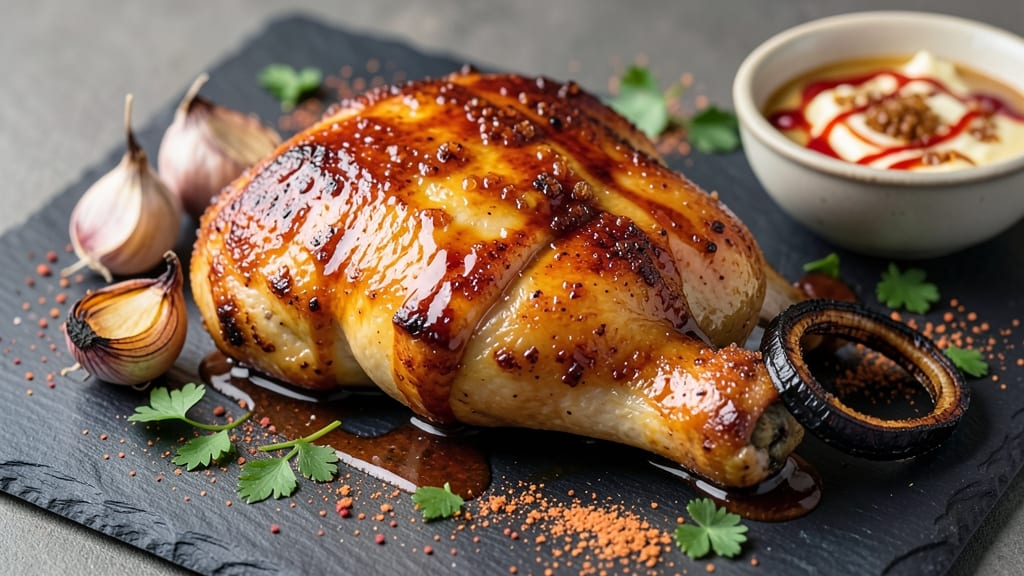
This fireman's chicken marinade recipe transforms ordinary chicken into smoky, sweet, and finger-licking perfection—just like your favorite barbecue joint. The secret lies in balancing heat, richness, and caramelized depth through a blend of hot sauce, butter, and aromatic spices.
I perfected this marinade after years of testing, and it’s now my go-to for grilled, baked, or pan-seared chicken.
The magic happens when you combine melted butter with hot sauce, garlic, and spices like paprika and brown sugar. This marinade doesn’t just flavor the chicken—it creates a sticky, caramelized crust that locks in moisture and adds a smoky-sweet glaze.
Let it work its magic for at least 4 hours (overnight is even better), and you’ll achieve restaurant-quality results every time.
What sets this marinade apart is its versatility—use it on wings, thighs, or even chicken breasts for a dish that’s bold yet balanced. The smoky-sweet profile cuts through rich sides like mashed potatoes or coleslaw, making it a crowd-pleaser for any meal.
Once you try this, you’ll never go back to store-bought seasonings.
Store leftovers in an airtight container in the fridge for up to 5 days, or freeze for 3 months—perfect for meal prep or spontaneous grilling. Whether you’re hosting a cookout or craving takeout flavors at home, this marinade delivers professional-level taste with minimal effort. Let’s get started!
Ingredients for fireman's chicken marinade
Nine simple ingredients blend into a marinade that turns plain chicken into smoky-sweet grill perfection.
| Ingredient | Amount | Notes |
|---|---|---|
| Unsalted Butter 🧈 | ½ cup | Cold, cubed for easier melting |
| Hot Sauce 🌶️ | ½ cup | Crunchy or smooth, like Crystal or Tabasco |
| Brown Sugar 🍬 | ¼ cup | Light or dark, packed |
| Garlic Cloves 🧄 | 6 cloves | Freshly minced, aromatic |
| Smoked Paprika 🌶️ | 2 tbsp | For that signature smokiness |
| Onion Powder 🧅 | 1 tbsp | For depth, not raw onion |
| Ground Black Pepper 🌶️ | 1 tsp | Freshly cracked for heat |
| Kosher Salt 🧂 | ½ tsp | Diamond Crystal preferred |
| Apple Cider Vinegar 🍎 | 1 tbsp | Brightens the marinade |
| Worcestershire Sauce 🫒 | 1 tbsp | Umami depth, optional |
The butter and hot sauce are non-negotiable—they create that signature sticky, caramelized crust. Crunchy hot sauce (like Crystal) adds texture, while smooth (like Tabasco) keeps it sleek. For the butter, unsalted is key—you control the saltiness. Brown sugar should be packed, not scooped loosely. I grab mine from the baking aisle at Whole Foods, but any grocery store works. The garlic? Freshly minced makes all the difference—no pre-minced jars here. And if you're feeling fancy, smoked paprika from Penzeys elevates the smokiness to next-level.
No hot sauce? Substitute with 2 tbsp soy sauce plus 1 tbsp honey—it’s not identical, but close. Running low on Worcestershire? Fish sauce at half the amount delivers umami without overpowering. Short on brown sugar? Maple syrup works in a pinch, though it’ll taste slightly different. The vinegar is crucial for brightness—apple cider vinegar is ideal, but white vinegar in a squeeze pinch. And if you’re worried about the butter melting too fast, cold cubes (straight from the fridge) melt just enough to emulsify without separating. This marinade is forgiving, but those few ingredients make the biggest impact.
Once mixed, this marinade keeps for 5 days in the fridge, sealed tightly in a jar. I like to portion it into small containers—1/4 cup per pound of chicken—so I can grab and go. It freezes beautifully for up to 3 months, though the texture might separate slightly. Just whisk it back together before using. And here’s a pro tip: Let the marinade sit for 10 minutes after mixing so the flavors meld—it’ll taste even richer on your chicken.
Why You'll Love This Recipe
- Five-Ingredient Magic: I swear, this marinade is the kind of shortcut that makes me feel like a hero. Just melt butter, toss in garlic, hot sauce, and brown sugar—no fancy techniques, no measuring cups with questionable lines. Honestly, the hardest part is waiting for the chicken to absorb all that smoky, sweet, spicy goodness.
- Sweet-Spicy Crunch: That crispy butter crust? It’s the star. The brown sugar caramelizes into something addictive, while the hot sauce and smoked paprika bring the heat—just enough to make your taste buds dance. Between us, I’ve seen grown men lick their fingers clean after one bite.
- Game-Day Ready: Tailgates, BBQs, or lazy Sundays—this marinade works everywhere. Toss it on wings for a crowd, use it for grilled chicken on a picnic, or even slather it on chicken thighs for a weeknight dinner that feels special. (Yes, even on a Tuesday night.)
- Leftovers That Don’t Suck: Most marinades turn sad after day two, but this one? It gets better. The flavors deepen, the sugar melts into a glossy glaze, and reheating it in the oven turns it into something restaurant-worthy. I’ve reheated this stuff for five days and still craved it.
Step-by-step instructions for fireman's chicken marinade
This marinade delivers bold, smoky-sweet flavor that transforms ordinary chicken into restaurant-quality grill-worthy meat.
Mince the Garlic Cloves
Start by peeling the 6 cloves garlic cloves and mincing them as finely as possible. I like to use the flat side of my chef's knife to press down firmly—this releases more of the garlic's aromatic oils. The goal is to create a paste-like consistency that will dissolve completely into the marinade. If you're using a food processor, pulse briefly just until finely chopped to avoid turning it into a pulp.
Set the minced garlic aside in a small bowl. This prep step ensures even distribution of flavor throughout the marinade. Freshly minced garlic makes all the difference—pre-minced garlic loses potency quickly and can taste bitter. Take your time here; this is where the foundation of your marinade's complexity begins.
Combine Wet Ingredients
In a medium mixing bowl, add the 0.5 cup unsalted butter (keep it cold and cubed as specified) along with the 0.5 cup hot sauce, 0.25 cup brown sugar, 1 tablespoon apple cider vinegar, and 1 tablespoon Worcestershire sauce. Give everything a gentle stir with a wooden spoon until the butter begins to soften and start melting into the other ingredients.
Here's the thing—you want the butter to melt just enough to create an emulsion, but not so much that it becomes completely liquid. The slight resistance you'll feel from the cold butter helps create a thicker marinade that clings better to the chicken. Let this mixture sit at room temperature for 5 minutes while you prepare the dry ingredients. The butter should soften enough to blend smoothly but still hold its shape slightly when pressed.
Incorporate Dry Seasonings
Add the 2 tablespoons smoked paprika, 1 tablespoon onion powder, 1 teaspoon ground black pepper, and 0.5 teaspoon kosher salt to the wet mixture. Stir vigorously with a whisk or fork until all the dry ingredients are fully dissolved and the mixture becomes smooth and homogeneous. The smoked paprika should disperse evenly, giving the marinade its signature smoky depth.
This is where the magic happens—the dry ingredients bind with the wet components to create a balanced flavor profile. You'll notice the mixture darken slightly as the smoked paprika and brown sugar meld together. Give it one final taste at this stage to check the seasoning balance. The marinade should be tangy from the vinegar and hot sauce, with a touch of sweetness from the brown sugar and umami from the Worcestershire sauce.
Finish with Garlic and Rest
Add the minced garlic to the bowl and stir until completely incorporated. The garlic should disappear into the marinade, leaving no visible flecks. For maximum flavor infusion, let the marinade sit at room temperature for 15-20 minutes before using. This resting period allows all the ingredients to fully meld together, creating a cohesive flavor profile that will penetrate the chicken deeply during the marinating process.
Here's a pro tip: If you're marinating chicken breasts, I recommend using a resealable plastic bag for even coating. Place the chicken in the bag, pour the marinade over it, and massage the bag gently to ensure every surface is coated. For best results, marinate for at least 4 hours in the refrigerator, though overnight marinating yields even more tender, flavorful results. The acidity in the vinegar and hot sauce will begin breaking down the chicken's proteins immediately, so don't skip this critical step.
Pro Tips For Making Fireman'S Chicken Marinade
- Melt Butter Slowly: Start with cold butter—literally, pull it straight from the fridge and cut it into small cubes. Toss it in with your chicken and hot sauce over medium-low heat, or you’ll end up with a greasy mess instead of a glossy, caramelized glaze. I learned this the hard way when my first batch turned into a sad, soupy disaster.
- Mince Garlic Like You Mean It: Skip the press—smash those cloves with the flat side of your knife first, then finely chop them. Freshly minced garlic adds depth the jarred stuff can’t match, and it blends into the marinade without clumping. (Yes, even if you’re impatient like me.)
- Balance the Sweet and Spicy: Taste your marinade before coating the chicken—if the hot sauce is overpowering, add a pinch more brown sugar to round it out. The goal is a sticky, slightly sweet-savory crust, not a mouth-on-fire regret. I was skeptical until I tried it.
- Let the Chicken Breathe: Don’t drown it—pat the chicken dry first, then toss it in the marinade just until fully coated. Over-soaking makes the skin rubbery, and no one wants that. A quick 10-minute toss is all it needs before hitting the pan. (Your future self will thank you.)
Troubleshooting great fireman's chicken marinade
Butter Separation Fix
If your marinade looks curdled or separated, don’t toss it! The butter and hot sauce can sometimes split when cold. Simply whisk in 1 tablespoon cold water and stir vigorously for 30 seconds—the emulsion will reform.
For extra insurance, place the bowl over a pot of barely simmering water (double boiler method) and whisk until smooth. This happens most often if you skip the 5-minute rest before marinating. 💡
Hot Sauce Substitutes
No hot sauce? No problem! Use 2 tablespoons soy sauce plus 1 tablespoon honey for a quick swap, though it’ll lack the tangy heat. For a closer match, mix 1 tablespoon sriracha with 1 tablespoon ketchup—the ketchup adds sweetness to mimic brown sugar’s role.
If you’re avoiding vinegar entirely, add ½ teaspoon lemon juice to brighten the flavors. Just remember: substitutions alter the balance, so taste as you go!
Marinating Too Long?
Over-marinating can make chicken mushy, especially with acidic ingredients like vinegar and hot sauce. For thighs or drumsticks, 8-12 hours is ideal—they’re more forgiving.
For breasts or tenderloins, stick to 4-6 hours max. If you marinate overnight, transfer the chicken to the fridge in a sealed container with the marinade, but don’t exceed 24 hours to avoid breaking down the meat fibers too much. 🌡️
Chicken Not Absorbing Flavor
If your chicken tastes bland after marinating, the issue is likely uneven coating. For breasts, use a resealable plastic bag—place the chicken inside, pour the marinade over it, and massage gently to coat all sides.
For thicker cuts like thighs, poke them with a fork in several places to help the marinade penetrate. Also, ensure your chicken is cold or room temperature before marinating—ice-cold meat can shock the marinade and prevent absorption.
Sticky Residue on Grill
The caramelized crust from this marinade is delicious but can create a sticky mess on your grill. Brush grates with oil before cooking, and use a grill scraper to remove residue while hot. For gas grills, preheat for 10-15 minutes to burn off any leftover bits.
If cooking indoors, line your pan with parchment paper or use a nonstick skillet to avoid cleanup headaches. The extra effort is worth it for that perfect glaze! 🔥
Marinade Too Thin?
A runny marinade won’t cling well to chicken. Thicken it by mixing in 1 tablespoon cornstarch or 1 teaspoon arrowroot powder dissolved in 1 tablespoon cold water. Stir until smooth and let it sit for 5 minutes to thicken.
Alternatively, add 1 tablespoon melted butter to bind the ingredients. This is especially helpful if you’re using a smoother hot sauce (like Tabasco) that’s less viscous than crunchy varieties like Crystal. 💛
Nutrition facts
Frequently asked questions
What makes this marinade different from other smoky chicken recipes?
The secret lies in the butter-hot sauce base, which creates a sticky, caramelized crust while keeping the meat tender. Unlike dry rubs, this marinade penetrates deeply thanks to the Worcestershire and vinegar, delivering both smoky depth and bright acidity. The brown sugar adds a subtle sweetness that balances the heat perfectly.
Can I use this marinade on other meats besides chicken?
It works beautifully on pork chops, turkey thighs, or even shrimp. For seafood, reduce the marinating time to 30-60 minutes to avoid over-acidifying delicate proteins. The smoky-sweet profile pairs especially well with fatty cuts like pork, where the butter helps render the fat beautifully.
How do I adjust the heat level if hot sauce is too spicy?
Start by reducing the hot sauce by 1-2 tablespoons and adding 1 extra tablespoon of brown sugar to maintain balance. For milder heat, swap half the hot sauce with apple cider vinegar or lemon juice. Always taste as you go—this marinade is forgiving, but adjustments let you customize the spice to your preference.
Can I make this marinade ahead of time?
Yes! Store it in an airtight container in the fridge for up to 5 days or freeze for 3 months. The flavors actually improve with time as the ingredients meld. When ready to use, give it a quick whisk to re-emulsify if needed. This makes it perfect for meal prep or spontaneous grilling sessions.
What's the best way to cook chicken after marinating?
For grill masters: cook over medium-high heat for 5-7 minutes per side (thighs) or 4-5 minutes per side (breasts) until internal temp reaches 165°F. For oven-baked results, bake at 375°F for 25-30 minutes until golden and crispy. The marinade works best when you let the chicken rest 5 minutes after cooking to redistribute juices.