
Main Courses
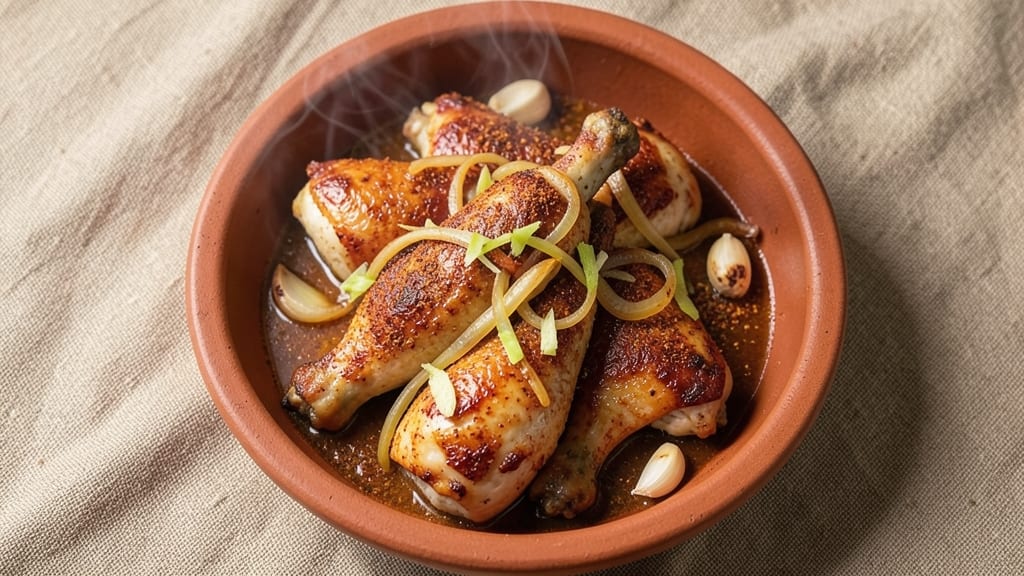
This Ethiopian chicken recipe delivers the bold, spiced heat of doro wat—a dish where tender meat and complex berbere spice blend into a restaurant-quality stew.
I spent months perfecting the balance of smoky, citrusy berbere and slow-cooked chicken that falls apart with each bite, just like my grandmother’s Sunday roast chicken.
The secret lies in layering spices in hot oil (mitmita) before adding the chicken, which builds depth without overpowering the natural richness of the meat.
The recipe begins with a fragrant spice paste of berbere, garlic, ginger, and onions, simmered in oil until aromatic. Chicken thighs—tough enough to stay tender through hours of cooking—are then added and stewed until fork-tender, absorbing the spiced oil and creating a sauce that’s both vibrant and velvety.
This method ensures the chicken remains juicy while the spices meld into a cohesive, warming flavor profile.
By the time you serve it, you’ll have a dish that’s as impressive as it is comforting—golden-brown chicken swimming in a sauce thickened just enough to coat each bite.
The aroma alone will fill your kitchen with the inviting warmth of an Ethiopian feast, and every spoonful delivers layers of heat, citrus, and earthy spice. Serve with traditional injera to soak up every last drop of that flavorful sauce.
This recipe isn’t just about flavor—it’s about the experience. The slow-cooking process transforms simple ingredients into something extraordinary, just as my grandmother’s patience transformed a basic roast into a family centerpiece.
Whether you’re cooking for a gathering or a quiet weeknight dinner, this dish delivers the kind of warmth and satisfaction that turns a meal into a memory.
Ingredients for ethiopian chicken
Spices, tender meat, and a touch of citrus—this Ethiopian feast needs just these essentials.
| Ingredient | Amount | Notes |
|---|---|---|
| Chicken Thighs 🍗 | 1 ½ lb | Bone-in, skin-on preferred |
| Berbere Spice Blend 🌶️ | ¼ cup | Store-bought or homemade |
| Yellow Onions 🧅 | 1 whole | Medium size, finely chopped |
| Fresh Garlic Cloves 🧄 | 6 cloves | Peeled and smashed |
| Fresh Ginger 🌿 | 2 tbsp | Grated, freshly peeled |
| Vegetable Oil 🫒 | ½ cup | High smoke point preferred |
| Hard-Boiled Eggs 🥚 | 2 whole | Chopped, for garnish |
| Lemon Juice 🍋 | 2 tbsp | Freshly squeezed |
| Water 💧 | 1 ½ cups | Room temperature |
| Salt 🧂 | 1 ½ tsp | Kosher or sea salt |
| Ground Black Pepper 🌶️ | ½ tsp | Freshly ground preferred |
| Hard-Boiled Egg Yolks 🥚 | 2 whole | Separated, for thickening |
| Fresh Parsley 🌿 | ¼ cup | Chopped, for garnish |
| Hard-Boiled Egg Whites 🥚 | 2 whole | Chopped, for garnish |
Berbere is the soul of this dish. Penzeys or local Ethiopian markets carry the best blends—look for a mix of paprika, fenugreek, coriander, and cardamom. If you can't find it, substitute 1 tbsp each smoked paprika, cumin, and coriander. The chicken thighs? Bone-in, skin-on stays juicier than breasts. I grab mine from Costco when they're on sale—freeze extras for next time. For the ginger, freshly grated makes all the difference; pre-grated tastes like sawdust. Chop the onions and garlic together—they'll release their aromas faster.
No berbere? Mix your own blend—just toast and grind equal parts paprika, cumin, coriander, cardamom, and fenugreek. Fresh ginger missing? Powdered works at half the amount, but it lacks that bright punch. The hard-boiled eggs are traditional—skip them if you're vegetarian, but the sauce will still thicken beautifully. For the oil, vegetable or canola works fine; olive oil can get bitter when heated. The lemon juice? Freshly squeezed adds that bright finish—bottled won't cut it here. And if you're short on parsley, cilantro or basil work in a pinch.
This dish tastes even better the next day—make extra. Store leftovers in the fridge for 4-5 days or freeze for 3 months. The sauce thickens as it cools, so add a splash of water when reheating. For serving, I always garnish with the chopped eggs and parsley right before eating—it looks stunning and adds that final touch of freshness. The injera? Find it at African markets or make your own from teff flour if you're feeling adventurous.
Why You'll Love This Recipe
- One-Pan Magic: I swear by this recipe when I’m too tired to scrub pots—just brown the thighs, toss in onions, garlic, and ginger, then let berbere work its magic. The spices stick to the chicken like a dream, and cleanup is basically nonexistent.
- Spice Bomb Delight: That first bite? The berbere’s heat and depth—smoky, citrusy, with a hint of chili—wakes up the rich chicken thighs. Honestly, I’ve tried store-bought versions, but homemade (or even a good blend) makes it ridiculously better.
- Weeknight to Party: Same dish, totally different vibes. Serve it with injera for a full Ethiopian feast, or plate it over rice with a side salad for a casual dinner. My friends think it’s fancy when it’s really just my go-to for lazy Sundays or unexpected guests.
- Budget-Friendly Feast: Chicken thighs are forgiving and cheap, and berbere stretches flavor like crazy. A single batch feeds four, and leftovers reheat beautifully—packed lunches sorted, or a quick reheat for a second night. (Yes, even on a Tuesday night.)
Step-by-step instructions for Ethiopian chicken
Here's how to create restaurant-quality Ethiopian chicken with perfectly tender meat and bold berbere flavor.
Marinate the Chicken Thighs
In a large bowl, combine the 1.5 lb chicken thighs, 0.25 cup berbere spice blend, 1 whole yellow onions (finely chopped), 6 cloves fresh garlic cloves (smashed), 2 tbsp fresh ginger (grated), 1.5 tsp salt, and 0.5 tsp ground black pepper. Use your hands to massage the marinade into the chicken, coating every surface. This ensures the spices penetrate deeply for maximum flavor.
The berbere blend contains chili peppers, so be mindful if you're sensitive to heat. Let the chicken marinate at room temperature for 30 minutes or refrigerate for up to 4 hours for deeper flavor infusion. The longer it marinates, the more tender and flavorful the meat will become.
Sear the Chicken for Maximum Flavor
Heat 0.5 cup vegetable oil in a large skillet over medium-high heat until shimmering but not smoking. Working in batches if needed, add the marinated chicken thighs and cook for 4-5 minutes per side until golden brown and crispy. The skin should develop a beautiful crust, and the chicken should release easily from the pan.
Don't overcrowd the pan—this prevents proper browning. If the oil starts smoking excessively, reduce the heat slightly. Once all pieces are seared, remove the chicken from the skillet and set aside on a plate. The residual oil will carry all the beautiful flavors from the marinade.
Build the Berbere Sauce
In the same skillet, reduce heat to medium and add the 2 whole hard-boiled eggs (chopped), 2 tbsp lemon juice, and 1.5 cups water. Stir to deglaze the pan, scraping up any browned bits from the bottom. These bits are packed with flavor and form the base of your sauce. Let the mixture simmer for 5-7 minutes until slightly thickened.
Next, add the 2 whole hard-boiled egg yolks and stir constantly for 1-2 minutes until they're fully incorporated and the sauce reaches a creamy consistency. This step is crucial for achieving that rich, velvety texture characteristic of Ethiopian chicken dishes. If the sauce becomes too thick, add 1-2 tablespoons water to reach your desired consistency.
Finish and Garnish
Return the seared chicken thighs to the skillet and spoon the berbere sauce over them. Simmer together for 5-7 minutes until the chicken is cooked through and reaches an internal temperature of 165°F. The sauce should coat the chicken beautifully, creating a flavorful crust.
To serve, transfer the chicken to a platter and garnish with 0.25 cup fresh parsley (chopped) and 2 whole hard-boiled egg whites (chopped). The parsley adds a fresh contrast to the rich, spicy flavors, while the egg whites provide a delicate garnish. Serve immediately with traditional injera flatbread or steamed rice to soak up all that delicious sauce.
Pro Tips For Making Ethiopian Chicken
- TOAST THE BERBERE FIRST: Skip the raw spice—heat your berbere in a dry pan for 30 seconds until it smells fragrant. This blooms the flavors and cuts the bitterness that sneaks into Ethiopian dishes when you rush it. (Yes, even if you’re impatient like me.)
- PEEL GINGER LIKE A PRO: Use a spoon to scoop out the fibrous center of ginger before grating—it’s faster and keeps your sauce smooth. I learned this the hard way after straining three batches of chunky ginger pulp.
- LOW AND SLOW AFTER SEARING: Once your chicken thighs hit the pot, drop the heat to medium-low and cover it. High heat after searing turns the sauce into a gluey mess, and you’ll end up with dry meat. Trust me, this is the thing that matters most.
- SAUTE ONIONS UNTIL CARAMELIZED: Don’t just cook the onions—let them turn golden brown, about 8-10 minutes. This adds depth that raw or barely cooked onions can’t match. (Your future self will thank you when the dish tastes like it came from a restaurant.)
Regional styles of this dish
Addis Ababa Classic
In Addis Ababa, this dish is traditionally made with bone-in, skin-on chicken thighs and a generous amount of berbere—often homemade with 10-15 different spices including cardamom, fenugreek, and ginger.
The key technique here is slow-cooking the chicken in its own juices until it's fork-tender, then finishing with a sauce thickened by egg yolks for that signature velvety texture. I've found that using a heavy-bottomed Dutch oven keeps the heat even and prevents burning. 🌶️
Tigray Spice Variations
The Tigray region takes this dish up a notch with their version called doro wat, where the chicken is stewed with hard-boiled eggs right in the pot. The eggs add richness and protein, creating a sauce that's almost like a spiced custard.
For an authentic Tigray touch, add 1 teaspoon ground coriander and ½ teaspoon cinnamon to your berbere blend. The result is a deeper, more aromatic flavor profile that's less heat-forward but equally complex.
Oromo Grilled Style
In the Oromo tradition, chicken is often grilled rather than stewed, creating a dish called tibs. For this version, marinate the chicken in berbere for at least 4 hours, then grill over charcoal or hardwood coals until the skin is crispy and the meat reaches 165°F.
The smoky flavor from the grill pairs beautifully with the spicy berbere. I like to serve it with a side of spicy cabbage salad (gomen) to balance the heat. This method is perfect for warm weather when you want something lighter but still packed with flavor. 🔥
Amhara Family Feast
The Amhara people often serve this dish during celebrations, where it's cooked in a large clay pot called a mitmita over an open fire. The slow cooking method infuses the chicken with deep, earthy flavors from the spices and the smoky aroma of the fire.
For a home version, simmer the chicken on low heat for 1.5-2 hours to mimic this effect. The longer cooking time breaks down the meat fibers, making it incredibly tender.
Garnish with fresh herbs and serve with injera and a side of spiced lentils (shiro) for a complete meal.
Modern Urban Twist
In cities like Nairobi and Johannesburg, modern chefs are putting their own spin on this classic. One popular variation is to deglaze the pan with a splash of white wine or beer after searing the chicken, adding a bright, acidic note to the rich sauce.
Another trend is to finish the dish with a drizzle of yogurt or a sprinkle of toasted sesame seeds for added texture. These updates keep the dish fresh while still honoring its roots.
It's a great way to experiment if you want to add a contemporary touch to a traditional recipe. 💡
Nutrition facts
Frequently asked questions
Can I use chicken breasts instead of thighs?
Chicken breasts work but require extra care to stay tender. Use bone-in, skin-on breasts and reduce cooking time to 15-20 minutes total (they cook faster than thighs). The skin helps retain moisture, and the bones add flavor. Avoid boneless breasts—they dry out easily in spiced sauces.
How do I adjust the heat level in this recipe?
Berbere spice varies by brand—some are mild, others fiery. For milder heat, reduce berbere to 1-2 tablespoons and add ½ teaspoon cinnamon instead. For extra kick, add ½ teaspoon cayenne pepper or 1 sliced jalapeño to the sauce. Always taste before serving!
What's the best way to store leftovers?
Store in an airtight container with the sauce—it tastes even better reheated. Leftovers keep for 4-5 days in the fridge or 3 months frozen. Reheat gently on low heat, adding 1-2 tablespoons water if the sauce thickens too much. Never microwave—it ruins the texture!
Can I make this recipe without hard-boiled eggs?
Yes! For a vegetarian-friendly version, replace the eggs with 2 tablespoons cornstarch mixed with 2 tablespoons water to thicken the sauce. The dish will still be rich and flavorful—just slightly less creamy. Skip the egg garnish or use toasted breadcrumbs instead.
Why does my sauce turn out too thin?
Sauce thinning usually means the egg yolks didn't thicken properly or water wasn't reduced enough. Simmer uncovered for 5-7 extra minutes to evaporate moisture, or stir in 1 tablespoon cornstarch mixed with cold water. For next time, use 1 extra egg yolk or reduce water by ¼ cup.