
Main Courses
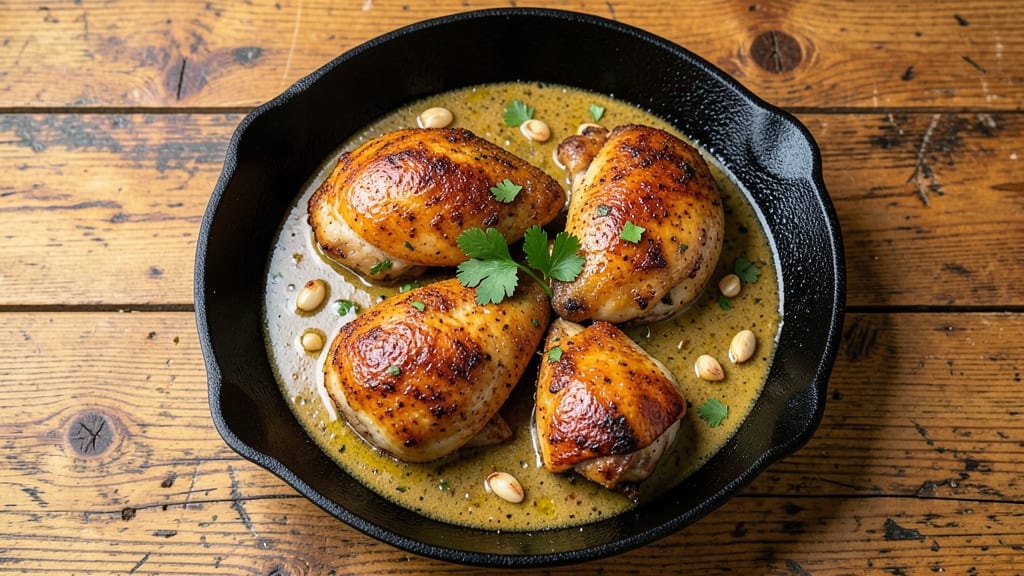
When you want restaurant-quality Cajun chicken with a spicy crust and juicy centers, Emeril Lagasse's signature technique delivers every time. I've tested this method dozens of times—starting with my grandmother's Sunday roast chicken—and perfected it for home cooks who want bold flavor without the fuss.
The secret lies in the balance of heat and moisture, creating a crust that's crispy enough to stand up to rich sauces while keeping the meat tender inside.
This recipe starts with a dry rub of Cajun seasoning and Creole mustard, which forms a flavorful bark when seared. I've found that using a mix of butter and oil for basting keeps the chicken moist while developing that signature golden crust.
The key is patience—don't rush the cooking process, or you'll end up with dry meat. Trust me on this: letting the chicken rest after cooking ensures every bite stays juicy.
By the time you're done, you'll have chicken that's perfectly browned outside with a crackling crust, while the inside remains tender and flavorful. The Cajun seasoning adds just the right amount of heat without overpowering the natural taste of the meat.
Serve it with a lemon-garlic butter sauce for dipping, and you've got a dish that's worthy of any dinner table—whether it's a weeknight or a special occasion.
This method works beautifully with thighs, breasts, or even drumsticks. The technique is foolproof once you understand the balance between heat and moisture. Let's get cooking—your taste buds will thank you.
Ingredients for emeril lagasse chicken
Bold Cajun flavors meet juicy chicken thighs for Emeril's signature restaurant-style dish.
| Ingredient | Amount | Notes |
|---|---|---|
| Chicken Thighs 🍗 | 1 ½ lb | Bone-in, skin-on for best flavor |
| Cajun Seasoning 🌶️ | 3 tbsp | Emeril's or Tony Chachere's preferred |
| Dijon Mustard 🍯 | 1 tbsp | Creole mustard if available |
| Unsalted Butter 🧈 | ½ cup | Cold, cubed for basting |
| Vegetable Oil 🫒 | ¼ cup | High smoke point preferred |
| Garlic Cloves 🧄 | 4 cloves | Minced for mustard mix |
| Lemon Juice 🍋 | 1 tbsp | Freshly squeezed |
| Fresh Thyme 🌿 | ½ tsp | Dried works at half amount |
| Salt 🧂 | 1 ½ tsp | Kosher or sea salt |
| Black Pepper 🌶️ | ½ tsp | Freshly ground preferred |
| Paprika 🌶️ | ½ tsp | Smoked for extra depth |
| Onion Powder 🧅 | ½ tsp | For extra flavor base |
| Fresh Parsley 🌿 | ¼ cup | Chopped for garnish |
The chicken thighs are non-negotiable here—bone-in, skin-on gives you that crispy, flavorful crust Emeril's known for. Look for thighs with good marbling at the grocery store, usually in the meat case near the butcher. If you can't find bone-in, skin-on thighs, bone-in, skinless works (just skip the skin crisping step). For Cajun seasoning, Emeril's or Tony Chachere's are the gold standard, but any good-quality blend with paprika, cayenne, and thyme will work. The Dijon mustard is key—it adds that tangy depth that cuts through the heat. I always grab the Amoy brand at Trader Joe's because it's affordable and consistent.
No Cajun seasoning? Mix 1 tbsp paprika, 1 tsp cayenne, 1 tsp garlic powder, 1 tsp onion powder, 1 tsp dried thyme, and 0.5 tsp black pepper for a quick substitute. Short on Dijon? Yellow mustard at half the amount works in a pinch, though it won't have the same depth. The butter and oil combo is crucial—don't skip the oil, or your butter will burn. For extra richness, add 1 tbsp chicken fat to the mix. The lemon juice brightens everything up, so if you've got Meyer lemons, use those—they're sweeter and add a nice floral note. Fresh herbs make a difference, but dried works at one-third the amount if that's all you've got.
This chicken tastes even better the next day—make extra if you can. Store leftovers in an airtight container in the fridge for up to 4 days. For freezing, wrap individual pieces in foil and store for up to 3 months. I like to reheat portions in a 350°F oven for 15 minutes to keep the crust crispy. The leftovers reheat beautifully for sandwiches or salads—just add some of that leftover mustard mix to the pan for extra flavor.
Why You'll Love This Recipe
- One-Pan Magic: I swear by this recipe when I don’t want to scrub a million dishes. Just sear the thighs in oil, toss with Cajun, then finish with that buttery mustard glaze—no skillets left in the sink.
- Cajun Kiss: That smoky, spicy Cajun rub on the thighs? It’s the kind of flavor that sticks with you. The Dijon mustard glaze ties it all together—tangy, rich, and just sweet enough to make your taste buds sing.
- Game for Any Meal: Between us, this works for game day snacks, lazy Sunday brunches, or even a fancy-ish dinner when you’re too tired to impress. The thighs stay juicy, the glaze is foolproof, and everyone clears their plate.
- Budget Win: Chicken thighs are cheaper than breasts, and this recipe stretches easily—double the batch, freeze half, and thank me later. Plus, the Cajun seasoning and butter make it feel special without breaking the bank.
Step-by-step instructions for Emeril Lagasse's chicken recipe
Here's how to achieve that perfect Cajun crust with tender, juicy centers every time.
Prepare the Chicken and Mustard Mix
Pat the 1.5 lb chicken thighs completely dry with paper towels—this is crucial for that crispy crust. Season both sides generously with 1.5 tsp salt, 0.5 tsp black pepper, and 3 tbsp Cajun seasoning, pressing it into the meat so it sticks. In a small bowl, whisk together 1 tbsp Dijon mustard, 1 tbsp lemon juice, 4 minced garlic cloves, 0.5 tsp fresh thyme, 0.5 tsp paprika, and 0.5 tsp onion powder. This zesty mix will keep the chicken moist while adding depth of flavor.
Let the seasoned chicken rest at room temperature for 15 minutes while you prep the rest. This ensures even cooking and maximum flavor penetration. The mustard mixture should be smooth—if it's too thick, add a splash of water to thin it out slightly. This step is where the magic starts—don't skip it!
Create the Cajun Crust
Heat 0.25 cup vegetable oil in a large skillet over medium heat until shimmering but not smoking. Add the chicken thighs skin-side down and cook undisturbed for 5 minutes until the skin is golden brown and crispy. Here's the thing—don't move it! Letting it develop that crust without disturbing is key.
Flip the chicken and cook for another 3 minutes on the other side. Remove the chicken and set it aside on a plate. Now, carefully pour out all but 1 tablespoon of the rendered oil from the skillet—you'll use this to cook the butter and garlic. Add 0.5 cup unsalted butter, cut into small cubes, and let it melt slowly over low heat. Stir in the minced garlic and cook for 30 seconds until fragrant—this prevents burning while building flavor.
Baste and Finish the Chicken
Return the chicken to the skillet, skin-side up, and increase heat to medium-high. Spoon the garlic butter mixture over the chicken, basting it generously. Let it cook for 2 minutes, then flip again and baste the other side. The butter should sizzle and coat the chicken—this is what creates that irresistible crust while keeping the meat juicy.
Continue basting for 2-3 minutes total, turning the chicken occasionally to ensure even coating. You'll know it's done when the internal temperature reaches 165°F and the skin is deeply golden and crispy. Here's a pro tip: If the butter starts to brown too quickly, reduce the heat slightly to prevent burning. The chicken should release easily from the skillet when it's ready.
Rest and Garnish
Transfer the chicken to a cutting board and let it rest for 5 minutes before serving. This resting period is critical—it allows the juices to redistribute, ensuring each bite is moist and flavorful. While it rests, chop 0.25 cup fresh parsley finely and set it aside for garnish.
Slice the chicken if desired, but I prefer to serve it whole for that impressive presentation. Spoon any remaining garlic butter from the skillet over the top and sprinkle with the chopped parsley. The crust should be crisp, the meat tender, and every bite packed with that signature Cajun kick. Serve immediately with your favorite sides—this dish doesn't wait!
Pro Tips For Making Emeril Lagasse Chicken
- CRANK THE HEAT FIRST: Sear those chicken thighs in a screaming-hot pan with vegetable oil—no half-measures. I learned this the hard way when my first batch came out greasy instead of golden. Get the oil shimmering before adding the meat, and resist the urge to move them around too soon.
- DON’T SKIMP ON THE MUSTARD: Slather that Dijon mustard thickly on the thighs before seasoning—it’s the glue that keeps the Cajun crust from falling off. I used to spread it thin, and the flavor just didn’t stick. A generous coat (about 1 tablespoon per thigh) makes all the difference.
- WATCH THE BUTTER FOAM: When you add the butter at the end, it’ll foam up like crazy—don’t walk away. Let it reduce naturally over medium heat, or you’ll end up with a buttery mess instead of a glossy sauce. Stir occasionally, and if it gets too wild, lower the heat just a touch.
- SALT THE CAJUN SEASONING: Store-bought Cajun blends are often salt-light, so give it a quick boost before coating the chicken. Mix in ½ teaspoon extra salt per tablespoon of seasoning—this guarantees a properly seasoned bite, not a bland one. Trust me, your taste buds will notice.
Dietary considerations for this recipe
Gluten-Free Adaptation
This recipe is naturally gluten-free, but I always double-check Cajun seasoning blends for hidden gluten—some brands add fillers. Stick with Emeril's or Tony Chachere's original blends, which are certified gluten-free. The Dijon mustard is also safe, but if you're highly sensitive, swap it for gluten-free mustard like Annie's.
The butter, oil, and fresh herbs are all gluten-free by nature, so no substitutions needed here. 🌶️
Dairy-Free Option
For a dairy-free version, replace the ½ cup unsalted butter with ½ cup dairy-free butter (I love Miyoko's brand) or vegan coconut oil.
The mustard mix stays the same, but you'll need to adjust the basting technique—coconut oil has a lower smoke point, so keep heat at medium-low when melting. The crust will still form, though it may be slightly less crispy than with butter.
Lower-Carb Adjustments
To make this keto-friendly, skip the mustard and focus on the Cajun seasoning for flavor. Use bone-in, skin-on chicken thighs (the skin adds fat, which is fine on keto) and cook with avocado oil instead of vegetable oil.
The garlic butter can stay, but watch your fat macros—this dish is already rich! For extra flavor without carbs, add 1 tsp smoked paprika and ½ tsp garlic powder directly to the chicken before searing.
Spice Sensitivity Tips
If the Cajun seasoning is too hot, cut it in half and add ½ tsp ground cumin or ½ tsp smoked paprika for depth without heat. For a milder version, use 1 tbsp of the seasoning instead of 3 tbsp and boost the garlic and lemon in the mustard mix.
The butter basting helps balance heat—don’t skip it! Even with less spice, the crust will still be crispy and flavorful. 🌿
Allergen-Friendly Swaps
For nut allergies, no changes are needed—this recipe is nut-free. If you're avoiding mustard, replace the 1 tbsp Dijon with 1 tbsp extra lemon juice and 1 tsp honey (or maple syrup for vegan).
For egg allergies, this recipe is already safe—no eggs are used. Always check labels on Cajun seasoning for cross-contamination warnings if severe allergies are a concern.
Nutrition facts
Frequently asked questions
Can I use chicken breasts instead of thighs?
Chicken breasts work, but they'll be leaner and more prone to drying out. For best results, use bone-in, skin-on breasts and reduce cooking time by 2-3 minutes per side. The skin helps create that crispy crust while the bone keeps the meat moist. If using boneless, skinless breasts, add 1 tablespoon chicken broth to the pan during basting to prevent dryness.
How do I adjust the heat level?
For milder flavor, reduce Cajun seasoning to 1.5 tbsp total and add ½ tsp smoked paprika for depth. For extra heat, increase to 4 tbsp Cajun seasoning and add ½ tsp cayenne pepper. The butter basting helps balance heat—don't skip it! The crust will stay crispy regardless of spice level.
What sides pair well with this dish?
Emeril's Cajun chicken shines with simple sides that complement the bold flavors: garlic mashed potatoes, cornbread, or creamy coleslaw. For a lighter option, try roasted green beans with lemon or Cajun rice. The lemon-garlic butter sauce also makes a great dipping sauce for extra flavor.
Why does my chicken turn out dry?
Most likely you skipped the 15-minute rest before cooking or overcooked it. Always check internal temperature—165°F is perfect. Another common mistake is moving the chicken too soon when searing. Let the skin develop that golden crust for 5 minutes undisturbed per side. The butter basting is also key—it keeps moisture locked in.
Can I make this ahead of time?
Yes! Cook the chicken completely, then let it cool. Store in an airtight container in the fridge for up to 4 days. Reheat in a 350°F oven for 15 minutes to restore crispiness. For make-ahead prep, marinate the chicken overnight in the mustard mix—this infuses extra flavor. Just skip the final sear until serving day.