
Main Courses
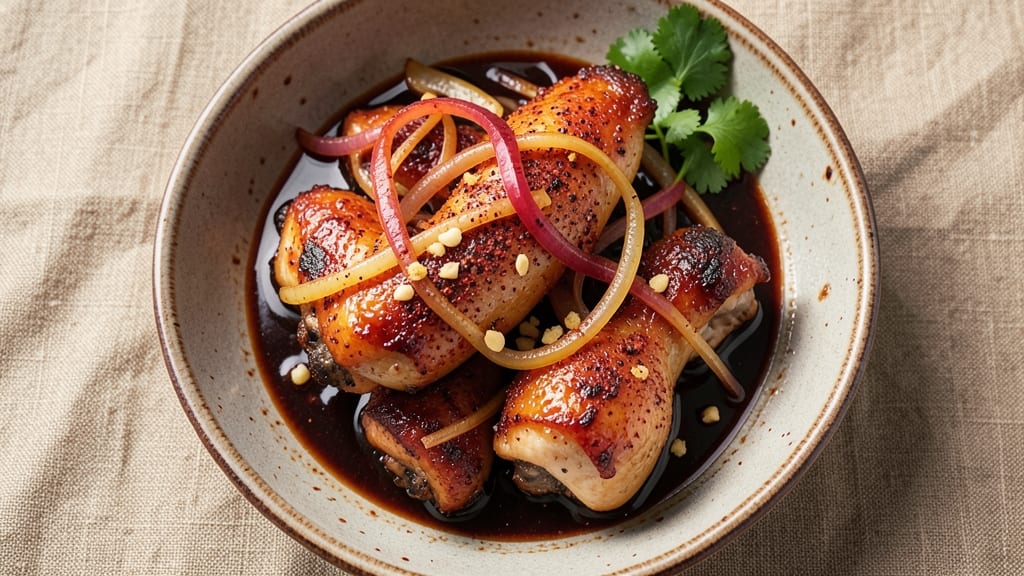
Cooking chicken with Coke transforms ordinary weeknight dinners into something unexpectedly bold and caramel-rich. The soda's natural sugars create a glossy, smoky-sweet glaze that clings to the chicken, balancing savory spices with surprising depth.
I've perfected this method over countless batches, ensuring the meat stays tender while the sauce develops into a sticky, restaurant-worthy finish.
This technique works best with bone-in, skin-on chicken pieces like thighs or drumsticks, which stay juicy during the long braising process. The Coke reduces dramatically, concentrating its flavors into a thick, flavorful sauce that's perfect for serving over rice or mashed potatoes.
What makes this recipe stand out is how the soda's caramelization creates a glossy sheen that makes every bite look—and taste—like it came from a professional kitchen.
The cooking process is straightforward but requires patience: chicken simmers in a mix of Coke, spices, and aromatics until fork-tender, then finishes with a high-heat caramelization that deepens the sauce's richness.
The result is chicken with crisp edges, tender meat, and a sauce that's both sweet and subtly smoky—a flavor profile that feels familiar yet excitingly unexpected.
Whether you're feeding a family or hosting a casual gathering, this method delivers impressive results with minimal effort. The leftovers reheat beautifully, making it an ideal make-ahead option for busy schedules. Let's get started with this unique take on a classic comfort food.
Ingredients for cooking chicken with coke
The secret to restaurant-quality chicken lies in these 14 ingredients—bold flavors balanced perfectly.
| Ingredient | Amount | Notes |
|---|---|---|
| Bone-In Chicken Thighs 🍗 | 1 ½ lb | Skin-on, cut into even pieces |
| Cola Soda 🥤 | 1 ½ cups | Classic cola brand preferred |
| Yellow Onion 🧅 | 1 whole | Diced, medium size |
| Garlic Cloves 🧄 | 4 cloves | Minced, fresh preferred |
| Paprika 🌶️ | 1 tbsp | Smoked variety for depth |
| Ground Black Pepper 🌶️ | 1 tsp | Freshly cracked preferred |
| Salt 🧂 | 1 ½ tsp | Diamond Crystal kosher |
| Brown Sugar 🍚 | 2 tbsp | Light or dark preferred |
| Apple Cider Vinegar 🍏 | 1 tbsp | For tangy balance |
| Fresh Thyme Leaves 🌿 | ¼ cup | Chopped, stems removed |
| Extra-Virgin Olive Oil 🫒 | 1 tbsp | For initial searing |
| Honey 🍯 | 1 tbsp | Wildflower preferred |
| Cayenne Pepper 🔥 | ¼ tsp | Adjust for heat |
| Fresh Rosemary 🌿 | 1 sprig | For aromatic depth |
The bone-in, skin-on chicken thighs are non-negotiable—they stay juicy during the long braise while the skin crisps beautifully. Local butchers often carry them at better prices than grocery stores, and look for pieces with visible marbling for extra tenderness. The cola soda should be a classic brand like Coca-Cola—its specific sugar profile creates the signature caramelization. For the aromatics, fresh thyme and rosemary elevate the dish beyond basic seasoning, so don't substitute dried unless absolutely necessary. Penzeys or Spicewalla carry premium fresh herbs if your market lacks quality options.
No classic cola? Dr Pepper or Pepsi work in a pinch, though the flavor will differ slightly. Running short on fresh thyme? Dried thyme at one-third the amount suffices, but the texture won't be as vibrant. The smoked paprika is crucial for that subtle campfire note—substitute with regular paprika plus a pinch of liquid smoke if needed. For the brown sugar, light brown adds moisture while dark brown deepens the caramelization. Whole Foods often carries organic varieties that enhance the sauce's complexity. The apple cider vinegar cuts through sweetness, so if you're using a sweeter cola, reduce to 1 teaspoon.
This dish reheats exceptionally well—350°F for 10-15 minutes restores the sauce's glossy finish. Store leftovers in an airtight container for up to 4 days in the refrigerator, or freeze for 3 months by portioning into meal-sized containers. The sauce thickens upon reheating, so a splash of water or cola helps restore its consistency. For serving, warm rice or buttery mashed potatoes complement the smoky-sweet profile perfectly, creating a complete meal that feels both comforting and sophisticated.
Why You'll Love This Recipe
- Pantry Magic: I swear, this recipe only needs five things—and three of them are probably already in your fridge. Bone-in thighs stay juicy while the Coke caramelizes into a sticky, sweet glaze that needs zero extra sauce. Honestly, I’ve made it with whatever soda I had: diet, regular, even cherry—it just works.
- Caramelized Crunch: That crispy skin? The Coke’s sugar and the paprika’s smokiness turn the thighs into something ridiculously good—tender inside with a crackly exterior that’s impossible to resist. I’ll be real: my kids fight over the last pieces, and I don’t even pretend to care.
- Game for Any Night: Weeknight dinner? Check. Potluck side? Double check. The leftovers reheat like a dream, and the flavor only gets deeper the next day. Between us, I’ve served it at BBQs, game nights, and even as a lazy Sunday brunch with toast—no one bats an eye.
- Budget Win: Bone-in thighs are cheaper than breasts, and a can of Coke stretches to coat four pieces with room to spare. I’ve fed four people for under $10, and the taste? Worth every penny. Plus, the leftovers turn into sandwiches or tacos—zero waste, all flavor.
Step-by-step instructions for smoky-sweet soda glazed chicken
Master this technique for tender, caramelized chicken with a perfect balance of smoky and sweet flavors.
Prepare the Chicken and Aromatics
Pat the 1.5 lb bone-in chicken thighs dry with paper towels, removing any excess moisture from the skin. This ensures maximum crispiness when searing. Cut each thigh into even pieces, keeping the skin intact. In a small bowl, combine 1 tbsp paprika, 1.5 tsp salt, 1 tsp ground black pepper, and 0.25 tsp cayenne pepper. Rub this mixture evenly over the chicken pieces, pressing it into the skin and meat.
While the chicken marinates, finely dice the 1 whole yellow onion and mince the 4 cloves garlic. In a separate small bowl, mix together 2 tbsp brown sugar, 1 tbsp apple cider vinegar, 1 tbsp honey, 0.25 cup fresh thyme leaves, and the chopped 1 sprig fresh rosemary. This will form the base of your glaze. Let the chicken sit at room temperature for 15 minutes while you prepare the oven and skillet—this ensures even cooking.
Sear the Chicken for Crispy Skin
Heat a large oven-safe skillet over medium-high heat and add 1 tbsp extra-virgin olive oil. Once the oil shimmers, add the chicken pieces skin-side down. Press down gently with a spatula to help render the fat—this prevents curling and ensures even contact with the pan. Cook undisturbed for 4-5 minutes until the skin becomes golden brown and crispy.
Flip the chicken and cook for another 3-4 minutes until the internal temperature reaches 160°F (use a meat thermometer for accuracy). Remove the chicken from the skillet and set it aside on a plate. The residual heat will keep it warm while you prepare the glaze. If the skillet has any browned bits, don't wipe them out—these contain flavor that will meld into the sauce.
Build the Glaze and Caramelize
Return the skillet to the stovetop over medium heat. Add the diced yellow onion and cook for 3-4 minutes until softened. Stir in the minced garlic cloves and cook for 30 seconds until fragrant—don't let it brown, or it will turn bitter. Pour in the 1.5 cups cola soda and scrape up any browned bits from the bottom of the pan with a wooden spoon. This deglazing step captures all the concentrated flavors.
Bring the mixture to a gentle simmer, then reduce heat to low and let it cook for 5-6 minutes until the liquid reduces by half and thickens slightly. Stir in the prepared sugar-vinegar mixture and continue simmering for another 2-3 minutes until the glaze becomes syrupy and glossy. The aroma should be rich and caramelized—this is your cue that the glaze is ready.
Finish the Chicken with the Glaze
Return the chicken pieces to the skillet, spooning the glaze evenly over each piece. Increase the heat to medium-high and let the liquid bubble for 1-2 minutes until the chicken is fully coated and the glaze begins to caramelize. Transfer the skillet to a 400°F preheated oven and bake for 10-12 minutes, or until the chicken reaches an internal temperature of 175°F. This final step ensures the glaze fully sets and develops a deep caramelized crust.
Remove the chicken from the oven and let it rest for 5 minutes before serving. The glaze will thicken slightly as it cools, creating a perfect balance of sticky, smoky-sweet goodness. Serve the chicken with the reduced glaze spooned over the top, accompanied by roasted vegetables or crusty bread to soak up any extra sauce.
Pro Tips For Making Cooking Chicken With Coke
- Brown the Thighs First: Skip the slow start—sear those bone-in thighs in a hot pan for 4-5 minutes per side before adding Coke. The crust locks in flavor and keeps the meat from turning soggy when the liquid hits. (Yes, even if you’re impatient like me, this isn’t the step to rush.)
- Use Thick-Cut Onions: Dice onions into ½-inch chunks instead of mincing them—bigger pieces hold up better in the Coke braise and don’t dissolve into mush. Smaller bits? They’ll turn to paste, and your sauce will taste like onion water.
- Simmer, Don’t Boil: Keep the heat low enough that the Coke bubbles gently, not violently. A rolling boil evaporates the liquid too fast, leaving you with dry chicken and a sticky glaze instead of a rich, saucy finish. (I learned this the hard way after overcooking a batch.)
- Add Paprika Last: Sprinkle the paprika over the chicken in the final 10 minutes of cooking—this prevents it from burning in the Coke’s acidity and gives it time to bloom into a vibrant, smoky flavor. (Sounds weird, but it works: the color stays bright, not bitter.)
Pro cooking tips for perfect results
Temperature Control
The key to tender chicken with a perfect glaze lies in precise temperature management. Start by searing the chicken skin-side down over medium-high heat until it reaches 160°F internally—this locks in juices while creating crispy skin.
When building the glaze, reduce the cola mixture to a gentle simmer over low heat for 5-6 minutes to concentrate flavors without burning. The final oven finish at 400°F for 10-12 minutes caramelizes the glaze beautifully while ensuring the chicken reaches 175°F safely. 🌡️
Deglazing Secrets
Never skip deglazing—the browned bits in your skillet hold concentrated flavor. After searing, pour in the 1.5 cups cola and scrape vigorously with a wooden spoon to release those caramelized fond bits.
This step transforms ordinary chicken into something extraordinary by infusing the sauce with deep, smoky undertones. I use a heat-resistant silicone spatula for maximum scraping efficiency.
Glaze Consistency
Achieving the perfect glaze texture requires patience. After reducing the cola, stir in the sugar-vinegar mixture and simmer until the sauce coats the back of a spoon but still flows easily.
If it thickens too quickly, add 1-2 tablespoons of water to restore balance. The glaze should be syrupy yet pourable—this ensures it clings beautifully to the chicken without drowning it. 💛
Resting for Juiciness
Resist the urge to serve immediately! Let the chicken rest for 5 minutes after baking. This allows juices to redistribute throughout the meat, preventing dryness. During this time, the glaze also thickens slightly, creating that perfect sticky-sweet finish.
I cover the skillet loosely with aluminum foil to keep the chicken warm while it rests.
Equipment Essentials
An oven-safe skillet is non-negotiable—I recommend a 12-inch cast iron skillet like Lodge for even heat distribution. A meat thermometer ensures perfect doneness, while a wooden spoon helps scrape up flavorful browned bits during deglazing.
For extra caramelization, I sometimes finish under the broiler for 1-2 minutes at the very end, watching closely to avoid burning.
Sauce Rescue
If your glaze becomes too thick, don't panic. Simply add 1 tablespoon of cola or water and stir over low heat for 1-2 minutes until smooth. For extra richness, a splash of apple cider vinegar brightens the flavor profile.
The goal is a balance between sweetness and tang—this technique works even if you slightly over-reduce the sauce. ✨
Nutrition facts
Frequently asked questions
Can I use diet soda instead of regular cola?
The sugar in regular cola is essential for proper caramelization and glaze formation. Diet soda lacks the necessary sugars to create that signature sticky, smoky-sweet finish. If you must use diet soda, add 2 extra tablespoons of brown sugar to compensate for the missing sweetness. The texture and flavor will differ slightly, but it can still work in a pinch.
Why does my glaze turn bitter instead of sweet?
Bitter flavors develop when the cola reduces too quickly or at too high a heat, burning the sugars. Always reduce the cola over low heat and stir frequently to prevent scorching. If the glaze does turn bitter, balance it with 1 teaspoon of apple cider vinegar or a pinch of salt to restore harmony.
Can I make this recipe with chicken breasts instead of thighs?
While possible, chicken breasts are leaner and more prone to drying out during the long cooking process. If you must use breasts, pound them to an even 1-inch thickness and reduce the cooking time to 8-10 minutes in the oven. For best results, marinate the breasts in the cola mixture for 1-2 hours beforehand to help tenderize them.
How can I make this dish spicier?
Increase the cayenne pepper to 0.5 teaspoon or add 1 teaspoon of chili powder to the initial seasoning. For extra heat, stir in 1 teaspoon of hot sauce or 0.5 teaspoon of red pepper flakes during the final glaze reduction. Always taste as you go to avoid overwhelming the dish with too much spice.
Can I prepare this recipe ahead of time?
This dish reheats beautifully! Cook the chicken as directed, then store it in an airtight container in the refrigerator for up to 4 days. To reheat, cover with foil and warm in a 350°F oven for 10-15 minutes, or until heated through. The glaze may thicken slightly, so add a splash of cola or water to restore consistency before serving.