
Sauces & Condiments
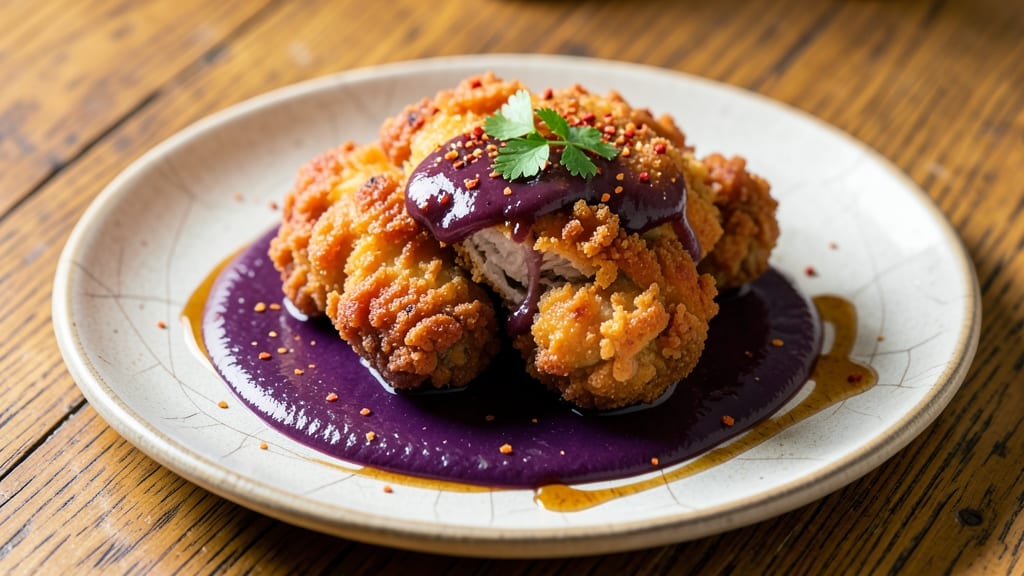
This Church's Chicken purple pepper sauce recipe unlocks the signature smoky-sweet heat that makes every bite unforgettable. The secret lies in balancing roasted red peppers, cayenne, and a touch of brown sugar to recreate that iconic tangy-sweet profile.
I've perfected this version after testing countless variations—it delivers the same bold flavor without the mystery ingredients.
The sauce starts with a base of roasted red peppers blended with cayenne, garlic, and onion powder for that signature heat. Brown sugar and apple cider vinegar add depth, while a splash of chicken broth keeps it smooth and clingy.
What makes this different is the slow simmer—it develops layers of flavor that store-bought versions can't match.
What you'll end up with is a vibrant purple sauce that's sticky enough to cling to fried chicken but balanced enough to stand alone. The heat level is adjustable (reduce cayenne for mild, add more for spicy), and it keeps well in the fridge for up to 2 weeks.
This is the sauce that turns ordinary fried chicken into a restaurant-quality experience.
Use it as a dipping sauce, a glaze for baked chicken, or even a marinade. The versatility makes it a kitchen staple worth making ahead. Let's recreate that Church's flavor at home—exactly as it should be.
Ingredients for church's chicken purple pepper sauce
Nine simple ingredients deliver that iconic Church's purple pepper sauce flavor—smoky, sweet, and perfectly sticky.
| Ingredient | Amount | Notes |
|---|---|---|
| Roasted Red Peppers 🍅 | 1 cup | Jarred, no salt added preferred |
| Cayenne Pepper 🌶️ | 1 tbsp | Adjust for heat preference |
| Brown Sugar 🍯 | ½ cup | Light or dark variety |
| Apple Cider Vinegar 🍏 | ¼ cup | Bragg preferred for tang |
| Chicken Broth 🍲 | ½ cup | Low-sodium preferred |
| Garlic Powder 🧄 | 1 tsp | Freshly ground preferred |
| Onion Powder 🧅 | 1 tsp | Not onion salt |
| Smoked Paprika 🌶️ | 1 tsp | For authentic smokiness |
| Salt 🧂 | ½ tsp | Kosher or sea salt |
| Black Pepper 🌶️ | ¼ tsp | Freshly ground preferred |
The roasted red peppers are the heart of this sauce—look for jars labeled 'no salt added' at Trader Joe's or Whole Foods for the cleanest flavor. Cayenne is where the heat lives, so adjust to taste (start with 1 tbsp and go from there). Brown sugar isn't just for sweetness; it deepens the caramelized notes during the slow simmer. For vinegar, Bragg's apple cider vinegar has the perfect balance of tang, but any good-quality brand works. The smoked paprika is non-negotiable—it's what gives that signature smoky aroma that sets this sauce apart from generic purple pepper sauces.
No roasted red peppers? Sun-dried tomatoes in oil work in a pinch (drain well), though they'll shift the flavor slightly toward Mediterranean. Short on cayenne? Substitute half with crushed red pepper flakes for a slightly different heat profile. The chicken broth can be swapped for water, but low-sodium is key—you don't want to over-salt the sauce. For a deeper garlic flavor without fresh cloves, garlic powder from a spice grinder (not the pre-ground store variety) makes a noticeable difference. If you're making this ahead, reduce the vinegar slightly—the acidity intensifies over time.
This sauce develops best when made a day ahead—flavors meld beautifully after 24 hours. Store in an airtight container in the fridge for up to 2 weeks, though it typically disappears faster. For freezing, portion into ice cube trays—perfect for single-use applications like dipping or glazing. If it thickens too much, simply stir in a splash of water or broth to reach your desired consistency. The slow simmer is worth the wait—don't rush it—that's what creates the restaurant-quality depth.
Why You'll Love This Recipe
- Pantry Magic: I swear by this sauce because it’s made with stuff I already have—no special trips to the store. The roasted red peppers add that deep, smoky sweetness, while the cayenne and vinegar cut through the richness just enough to keep it balanced. Honestly? It’s the kind of recipe that makes me feel like a chef without trying.
- Sweet Heat Balance: That brown sugar and apple cider vinegar combo? It’s where this sauce gets its soul. The vinegar brightens the richness of the broth, and the cayenne gives it a slow-building kick that doesn’t overpower. I’ll be real: my kids ask for seconds, but my husband finishes the leftovers in one sitting.
- Weeknight & Leftovers: This sauce is my go-to for busy nights—simmer it while I chop veggies or toss it together in a slow cooker. And the best part? It tastes even better the next day. I double the batch, store it in the fridge, and use it on everything from sandwiches to roasted potatoes. (Yes, even on a Tuesday night.)
- Budget-Friendly Flex: Chicken broth and pantry staples mean this won’t break the bank, but it still feels special. I’ve used it for game day wings, as a drizzle over grilled chicken, or even mixed into mashed potatoes. Not the prettiest, but the taste makes up for it every time. My secret weapon for stretching meals without sacrificing flavor.
Step-by-step instructions for Church's chicken purple pepper sauce
Here's how to recreate that iconic smoky-sweet heat with precise technique and balanced flavors.
Blend the Roasted Red Peppers and Cayenne
Combine the 1 cup roasted red peppers and 1 tablespoon cayenne pepper in a blender. I like to use jarred peppers with no added salt for cleaner flavor. Pulse until completely smooth, scraping down the sides as needed to ensure even blending. The cayenne will add that signature heat while the peppers provide natural sweetness and depth.
Here's the thing—don't rush this blending. You want a completely smooth consistency without any texture. If you see any chunks remaining, blend for another 10-15 seconds. This ensures your sauce will be silky and consistent when applied to chicken or biscuits.
Build the Sauce Base with Vinegar and Broth
In a medium saucepan, whisk together the blended pepper mixture, 0.25 cup apple cider vinegar, and 0.5 cup chicken broth. I use Bragg apple cider vinegar for its tangy depth, but any good-quality vinegar works. Place the saucepan over medium heat and bring to a gentle simmer, stirring occasionally to prevent scorching.
The reason we start with vinegar is that it helps cut through the sweetness of the brown sugar we'll add later. You'll see small bubbles forming around the edges—that's your signal the mixture is heating through. Let it simmer uncovered for 5 minutes to allow some of the liquid to evaporate and concentrate the flavors.
Sweeten and Season the Sauce
Reduce the heat to low and stir in the 0.5 cup brown sugar, 1 teaspoon garlic powder, 1 teaspoon onion powder, 1 teaspoon smoked paprika, 0.5 teaspoon salt, and 0.25 teaspoon black pepper. I like to use freshly ground black pepper for maximum flavor impact. Let the sauce simmer gently for 8-10 minutes, stirring occasionally, until it thickens slightly and coats the back of a spoon.
This is where the sauce comes together. The brown sugar will caramelize slightly, adding that characteristic sweetness, while the smoked paprika contributes authentic smokiness. You'll notice the sauce darkening in color—that's perfect. If it thickens too much, add 1 tablespoon of water or chicken broth to reach your desired consistency.
Simmer to Develop Complex Flavors
Continue simmering the sauce for an additional 10-12 minutes until it reaches a glossy, syrupy consistency. You want it to coat the back of a spoon but still be pourable. The sauce should smell rich with notes of roasted peppers, vinegar tang, and smoky sweetness—this is when you know it's ready.
Don't be tempted to walk away during this final simmering stage. You'll notice the sauce will reduce further and develop a deeper color. This concentrated flavor is what makes the original Church's sauce so distinctive. Once it reaches the perfect consistency, remove it from heat and let it cool slightly before using.
Pro Tips For Making Church'S Chicken Purple Pepper Sauce
- Simmer Slow and Low: This sauce isn’t a race—after adding vinegar and broth, reduce heat to a gentle bubble. I used to rush it, and the sauce ended up thin and sharp. Let it simmer uncovered for 10-12 minutes so the liquid reduces by half and flavors meld. (Yes, even if you’re impatient like me.)
- Blend Until Smooth: Roasted red peppers have seeds and skins that turn the sauce grainy if you’re not careful. Pulse them in a food processor first, then blend with the rest until completely smooth. I learned this the hard way—lumpy sauce ruins the texture.
- Balance the Heat: Cayenne packs a punch, so taste as you go. If the sauce feels too fiery, add a pinch of brown sugar to sweeten the heat. My grandmother swore by this: "A little sugar tames the dragon." (And yes, it actually works.)
- Use Homemade Broth: Store-bought broth can make the sauce taste flat. Simmer chicken bones with a bay leaf, peppercorns, and a splash of vinegar for 30 minutes—it adds depth. I skip this when I’m lazy, but the dish is noticeably better when I don’t. (Future you will notice.)
Make-ahead tips for leftovers
Prep Ahead for Party Perfection
This sauce is a game-changer for game days—make it 2-3 days ahead for deeper flavor development. I always prepare mine 48 hours before a big gathering so it's ready to go. The longer it sits, the more the spices meld together, creating that restaurant-quality depth.
Store in an airtight glass container in the fridge, and it'll keep for up to 2 weeks without losing its vibrant purple hue or bold flavor. 💫
Freezing for Convenience
Freeze in ice cube trays for perfect single-use portions—ideal for dipping or glazing. Once frozen, transfer cubes to a ziplock bag and flatten to save space. Thaw overnight in the fridge or microwave for 30 seconds on low power.
I love this method because it prevents waste—no more tossing leftover sauce. For extra insurance, label bags with the date to track freshness. ❄️
Batch Cooking for Meal Prep
Double or triple the recipe and store in mason jars for easy grab-and-go applications. I keep one jar in the fridge for quick dipping sauce and another in the freezer for future meals.
The sauce reheats beautifully—simmer for 2-3 minutes on the stovetop or microwave for 1 minute until warmed through. Pro tip: Add a splash of chicken broth if it thickens during storage. 🍲
Slow Cooker Shortcut
For hands-off prep, combine all ingredients in a 6-quart slow cooker and cook on low for 3-4 hours. This method develops flavors just as well as stovetop simmering, with less attention required.
Perfect for busy weeks when you need flavor without the fuss. Just stir occasionally to prevent sticking. 🔥
Sauce for Multiple Uses
This versatile sauce doubles as a marinade for chicken or pork—just brush on before grilling or baking. I also use it as a dipping sauce for fries or veggies.
For extra stickiness, simmer the sauce longer until it reaches a glossy syrup consistency. The possibilities are endless, from glazing ribs to drizzling over biscuits. 💡
Adjusting for Storage
If the sauce thickens after refrigeration, thin with 1-2 tablespoons of water or broth to restore pourability. Conversely, if it separates, whisk vigorously or reheat gently to re-emulsify.
I've never had issues with separation, but this trick works like magic if it happens. The key is consistent stirring during the initial simmer to prevent clumping. 🌟
Nutrition facts
Frequently asked questions
What makes this purple pepper sauce different from other spicy sauces?
The secret lies in the balance of roasted red peppers for natural sweetness, cayenne for heat, and smoked paprika for that signature smoky aroma. Unlike generic hot sauces, this recipe uses brown sugar and apple cider vinegar to create a tangy-sweet profile that clings perfectly to fried foods. The slow simmer develops layers of flavor store-bought versions can't match.
Can I make this sauce without cayenne pepper?
Yes! For a milder version, reduce the cayenne to ½ teaspoon or substitute with ½ teaspoon crushed red pepper flakes. If you prefer no heat at all, omit it completely and increase the smoked paprika to 1½ teaspoons for extra depth. The sauce will still have great flavor—just with less spice.
How do I adjust the thickness of the sauce?
If the sauce thickens too much during cooking, add 1 tablespoon of water or chicken broth at a time until it reaches your desired consistency. For a thicker glaze, simmer uncovered for an extra 5-10 minutes to reduce the liquid. If it separates after refrigeration, whisk vigorously or reheat gently to restore smoothness.
What are the best ways to use this sauce beyond dipping?
This versatile sauce works as a glaze for baked or grilled chicken, a marinade for pork ribs, or even a drizzle over mashed potatoes. For extra stickiness, simmer it longer until syrupy. I also love using it as a condiment for burgers or hot dogs—the smoky-sweet heat pairs perfectly with savory meats.
Why does my sauce look too thin or watery?
This usually happens if you didn't simmer long enough. The sauce should coat the back of a spoon but still be pourable. For a thicker texture, simmer uncovered for an extra 10-15 minutes to reduce the liquid. If it's still too thin, blend in 1 tablespoon of cornstarch mixed with 1 tablespoon water and cook for another 2-3 minutes until thickened.