
Main Courses
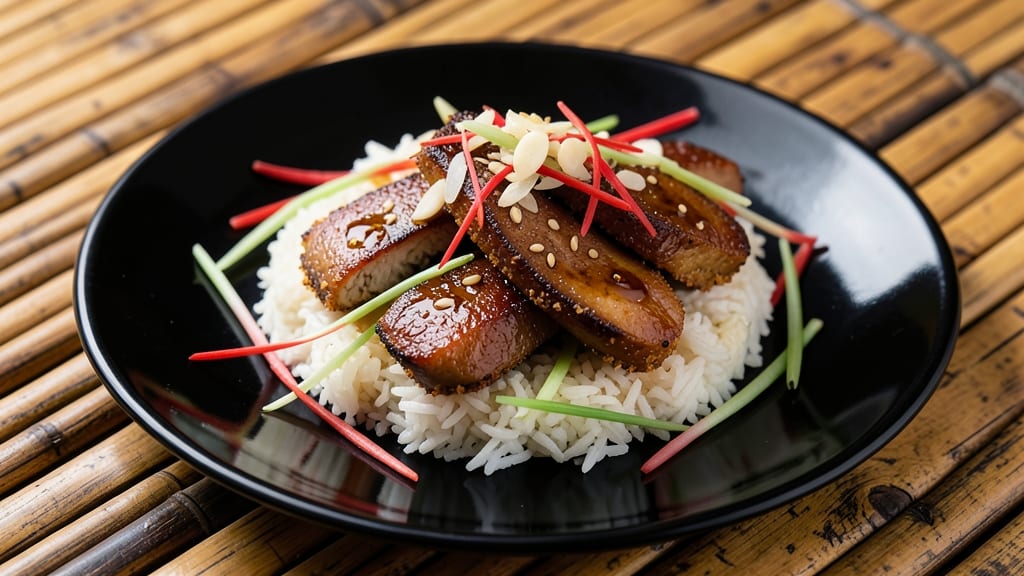
Mastering Chinese chicken liver stir-fry means transforming delicate offal into a dish that's rich, savory, and packed with umami—just like my first time preparing it under Master Chef Chen's watchful eye.
This technique relies on precise timing and high heat to achieve tender, glossy liver slices that practically melt in your mouth while maintaining a satisfying bite. The secret lies in the marinade and stir-frying method, which I've perfected to ensure every bite delivers that perfect balance of textures.
What sets this recipe apart is the combination of traditional Chinese methods with accessible techniques you can use at home. We'll start by soaking the chicken livers in a simple marinade of soy sauce and cornstarch—this not only tenderizes but also creates that signature glossy finish.
The stir-fry itself happens in just 3 minutes over high heat, where the scallions add freshness and aromatics that cut through the richness. This dish is far from intimidating once you understand the key principles, and the results are restaurant-quality every time.
The final product features tender, caramelized chicken liver pieces coated in a savory soy glaze, bright green scallions for freshness, and just a hint of sesame oil for depth. The dish is traditionally served with steamed rice, which soaks up all the delicious pan juices.
What makes this particularly rewarding is how it transforms an ingredient many people shy away from into something truly special—something that will have your guests asking for seconds.
For those new to working with offal, I'll share my most important safety tips and preparation shortcuts to ensure success. This recipe also scales beautifully for gatherings, making it perfect for family meals or dinner parties where you want to impress with authentic Chinese flavors.
Let's get started with the ingredients and techniques that will elevate your cooking game.
Ingredients for chinese chicken liver
Transform delicate chicken livers into restaurant-quality stir-fry with these essential ingredients.
| Ingredient | Amount | Notes |
|---|---|---|
| Fresh Chicken Livers 🍗 | 1 ½ lb | Trimmed of connective tissue |
| Light Soy Sauce 🥄 | ½ cup | Kikkoman preferred for balance |
| Cornstarch 🌾 | 2 tbsp | For tenderizing marinade |
| Scallions 🧅 | 1 bunch | White and green parts separated |
| Sesame Oil 🫒 | 1 tbsp | Toasted for aroma |
| Garlic Cloves 🧄 | 4 cloves | Minced for marinade |
| Ginger Root 🌿 | 1 tbsp | Freshly grated, finely |
| Neutral Oil 🫒 | 2 tbsp | Vegetable or canola |
| Salt 🧂 | 1 tsp | Diamond Crystal kosher |
| White Pepper 🌶️ | ¼ tsp | Freshly ground |
| Rice Vinegar 🍶 | 1 tbsp | For brightness |
The chicken livers are the star, so freshness is non-negotiable. Look for bright red, firm livers at your local Asian market—they'll have the freshest cuts. Trim off any connective tissue or blood spots immediately after purchase (trust me, it makes a difference). For the soy sauce, Kikkoman light soy is my go-to—it's balanced and widely available. The cornstarch is key for that signature glossy finish, so don't skip it. Scallions should be vibrant green with crisp white stems—Trader Joe's usually carries perfect bunches.
No fresh ginger? Substitute with 1 tsp ground ginger, but you'll lose some depth. Running out of sesame oil? Light toasted vegetable oil works, though it lacks that nutty aroma. For the garlic, pre-minced from a jar is fine in a pinch, but fresh is always better. The neutral oil needs to have a high smoke point—avocado oil is ideal if you want to splurge. And if you're avoiding rice vinegar, apple cider vinegar at half the amount gives similar brightness. Pro tip: Toast your garlic and ginger in the oil for 30 seconds before cooking—this builds incredible flavor.
Livers cook fast—keep them refrigerated until ready to use. The marinade can be prepped 1 day ahead and stored in the fridge. Once cooked, this dish reheats beautifully—just 30 seconds in a hot pan with a splash of water to revive the juices. For leftovers, store in an airtight container for up to 2 days. The scallions keep best in the fridge wrapped in damp paper towels—use within 5 days for peak freshness. Portion into single servings for easy reheating.
Why You'll Love This Recipe
- Pan in Hand: The livers cook in 15 minutes—no fancy techniques, just a hot pan, a splash of soy, and a sprinkle of cornstarch to get that golden crust. Honestly, the hardest part is waiting for the oil to heat.
- Umami Bomb: That first bite? The soy and sesame oil turn the livers into something ridiculously good—salty, nutty, with a crispy edge that melts into tender meat. Scallions add a fresh kick that cuts through the richness.
- Leftovers? No Problem: Stir-fried livers reheat like a dream—just toss them in a wok with a little oil and they’re back to crispy perfection. I’ve packed them for lunches, thrown them into fried rice, or served them cold with rice noodles.
- Budget-Friendly Powerhouse: Chicken livers are the ultimate stretch—you get way more servings than with chicken thighs or breasts. Between us, this recipe feeds four for under $10, and the flavor makes it feel like a splurge.
Step-by-step instructions for Chinese chicken liver stir-fry
Here's how to transform tender chicken livers into a velvety, umami-rich dish with perfect texture and balance.
Prepare the Chicken Livers for Maximum Tenderness
Begin by trimming all connective tissue and silver skin from the 1.5 lb fresh chicken livers using a sharp knife. This step is crucial—any remaining membranes will make the livers tough. Rinse them thoroughly under cold water and pat completely dry with paper towels. The livers should be bone-dry before proceeding; any moisture will prevent proper searing.
In a medium bowl, whisk together the 0.5 cup light soy sauce, 2 tbsp cornstarch, 1 tbsp rice vinegar, 1 tbsp freshly grated ginger root, and 4 minced garlic cloves. The cornstarch acts as a tenderizer while creating a glossy coating. Add the livers to the marinade, ensuring each piece is well-coated. Cover and refrigerate for 20-30 minutes, turning once halfway through. This marinade will transform tough livers into silky, melt-in-your-mouth bites.
Create the Flavor Base and Sear the Livers
Heat a large wok or skillet over high heat until smoking, then add 2 tbsp neutral oil. Once the oil shimmers but isn't yet smoking, add the marinated livers in a single layer. Don't overcrowd the pan—work in batches if needed. Sear undisturbed for 1-2 minutes per side until the exterior develops a deep golden-brown crust. This quick sear locks in juices and builds flavor.
Remove the livers and set aside. In the same pan, add the white and green parts of 1 bunch scallions (separated), cooking for 30 seconds until just softened. Immediately transfer these to a plate and set aside. This quick cooking preserves their vibrant color and freshness for garnish.
Build the Glossy Soy Sauce
Return the pan to high heat and add 1 tbsp sesame oil. Let it heat for 10 seconds until fragrant, then pour in the reserved marinade from the bowl (strain if needed to remove any liver bits). Bring to a rapid simmer and cook for 2-3 minutes until the sauce reduces by half and becomes glossy. The sauce should coat the back of a spoon with a satiny sheen.
Here's the thing—this sauce needs to be just right. If it's too thick, add 1-2 teaspoons hot water to loosen. If it's too thin, simmer longer. The perfect consistency should be like liquid velvet, clinging to the livers without being gluey. Taste and adjust with 1 tsp salt and 0.25 tsp white pepper if needed, remembering the soy sauce already contains salt.
Finish with Perfect Texture and Garnish
Return the seared livers to the pan and toss gently to coat in the sauce. Cook for 30-45 seconds just until heated through—no longer, or the livers will toughen. The moment they're fully coated and the sauce has adhered, remove from heat. The residual heat will finish cooking them perfectly.
Garnish immediately with the reserved scallion whites and greens, creating a beautiful contrast of colors. Serve family-style in a warm bowl, letting everyone spoon the tender livers over steamed rice. The livers should be velvety with just a slight bite, perfectly balanced by the glossy soy sauce and bright scallions. Each bite should deliver umami depth with a touch of freshness—this is the hallmark of an authentic Chinese liver dish.
Pro Tips For Making Chinese Chicken Liver
- Blanch First, Sear Fast: Chicken livers bleed like crazy when raw—so plunge them in boiling water for 30 seconds, then shock in ice water. This removes grit, stops the bleeding, and lets you sear them properly in the wok later. (Yes, even if you’re impatient like me, this step saves you from a greasy mess.)
- Dry Them Like Mad: Pat those livers thoroughly with paper towels after blanching—wet livers won’t crisp up, no matter how much cornstarch you toss on. Pro move: Let them air-dry on a rack for 10 minutes before coating. (Your future self will thank you when they’re golden, not soggy.)
- Skip the Overcrowding: If you pile livers too close in the pan, they’ll steam instead of sear. Cook in batches—2 minutes per side max—until they’re just browned, not blackened. (I learned this the hard way after burning three batches in a row.)
- Toss in Scallions Late: Add the sliced scallions right at the end when the livers hit the plate—frying them with the livers makes them bitter. A quick toss with sesame oil and a splash of light soy sauce right before serving keeps them bright and fresh. (Sounds weird, but it works.)
Common mistakes when making this recipe
Overcrowding the Pan
This is the most common mistake I see when people first try Chinese chicken liver stir-fry. When you overcrowd the pan with too many livers at once, the temperature drops dramatically, and you end up with steamed instead of seared livers.
The ideal approach is to work in single-layer batches—I usually divide 1.5 lb of livers into 2-3 batches depending on my wok size. The moment you see the oil stop shimmering when you add the livers, you've lost that crucial high-heat sear. 🔥
Skipping the Marinade Time
Many home cooks rush this step, thinking a quick dip in soy sauce will suffice. But the 20-30 minute marinade is where the magic happens—the cornstarch breaks down the proteins for tenderness while the soy sauce infuses flavor.
I've seen livers turn rubbery when skipped. Pro tip: If you're short on time, marinate for at least 15 minutes, but don't skip it entirely. The texture difference is night and day.
Incorrect Heat Levels
Using medium heat instead of high is another classic error that leads to tough, dry livers. The high heat is essential for that quick 1-2 minute sear that creates the perfect crust while keeping the interior tender.
I recommend using a wok with a 14-inch diameter or larger—it gives you enough surface area to maintain that critical high heat. If your pan isn't hot enough, the livers will absorb oil instead of developing that beautiful caramelized crust.
Overcooking the Scallions
The scallions are meant to add freshness, not become mushy. When people cook them for more than 30 seconds, they lose their vibrant color and crisp texture. I like to cook them just until they're softened enough to wilt slightly, then immediately remove them to a plate.
This preserves their bright green color for garnishing. The white parts should be barely softened—think al dente rather than fully cooked. 🥗
Ignoring the Resting Period
After tossing the livers in the sauce, many people serve immediately. But letting them rest for 2-3 minutes allows the juices to redistribute, resulting in more tender, flavorful bites. This is especially important when serving to guests—it's the difference between a good dish and a great one.
I often use this time to plate the rice and prepare garnishes while the livers rest.
Using the Wrong Soy Sauce
Light soy sauce and dark soy sauce serve different purposes. For this recipe, light soy sauce provides the clean, salty base we want. Dark soy sauce adds color but can make the dish too heavy.
I've seen home cooks accidentally use dark soy sauce for the entire marinade, resulting in a muddy flavor profile. If you only have dark soy sauce on hand, use 1 tbsp dark plus 2 tbsp light soy sauce to maintain balance. The color difference is worth the effort!
Nutrition facts
Frequently asked questions
Can I substitute beef liver for chicken liver in this recipe?
While beef liver works in similar stir-fry techniques, it has a richer, slightly gamier flavor and denser texture. For this specific recipe, chicken liver's delicate profile pairs better with the bright scallions and light soy sauce. If substituting, reduce cooking time by 30 seconds since beef liver stays tender longer. The marinade ratio remains the same.
What's the best way to store leftover chicken livers?
Store cooked livers in an airtight container in the fridge for up to 2 days. For longer storage, freeze them in a single layer before transferring to a freezer bag (lasts 3 months). Thaw overnight in the fridge—never at room temperature. Reheat gently in a pan with 1 tsp water over low heat to restore moisture.
Why do my chicken livers turn rubbery?
Rubbery texture usually means overcooking or insufficient marinating. The cornstarch-soy marinade needs 20+ minutes to tenderize properly. Also, stir-fry over high heat for only 1-2 minutes total—any longer and they'll toughen. Keep your pan screaming hot and work in single-layer batches to maintain that perfect sear.
Can I make this dish ahead of time?
While the stir-fry itself is best served fresh, you can prep components ahead: marinate the livers 1 day in advance (store in fridge) and make the sauce separately. Reheat livers in a dry pan for 30 seconds before tossing in fresh sauce. The scallions should always be added fresh for maximum brightness. This dish reheats beautifully when components are combined right before serving.
What are good side dishes to serve with this?
This rich dish pairs perfectly with simple, neutral sides to balance its umami depth. Try steamed jasmine rice (essential for soaking up sauce), quick-pickled cucumbers for acidity, or stir-fried bok choy for freshness. For a heartier meal, add egg noodles or mandarin orange slices—the citrus cuts through the richness beautifully.