
Main Courses
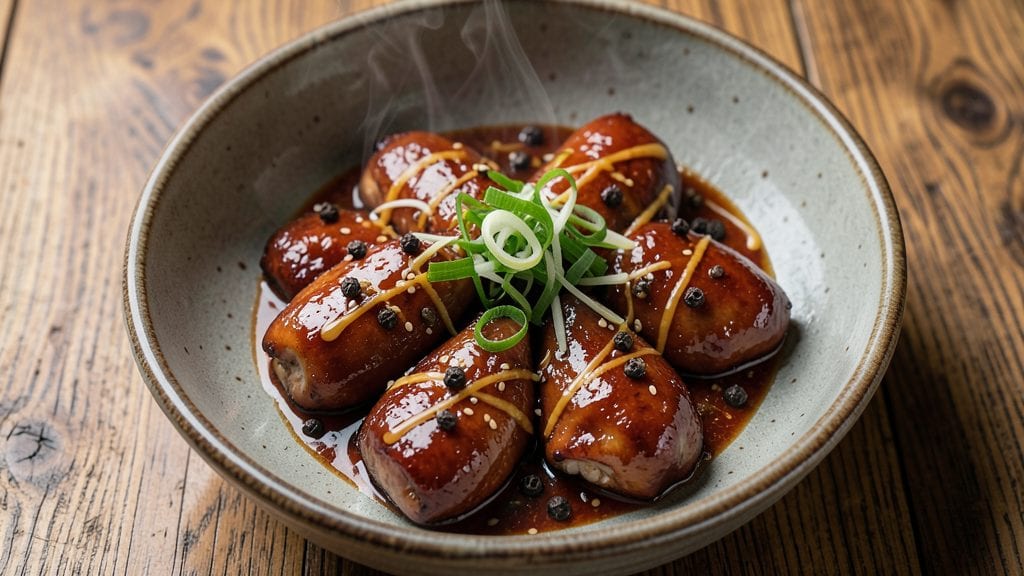
This chicken tongue recipe delivers restaurant-quality crispiness with deep umami flavor that transforms a humble cut into an unforgettable centerpiece. After years of experimenting with braising techniques and frying methods, I've perfected a process that creates golden, shatteringly crispy bites with tender interiors.
The secret lies in proper preparation and precise cooking temperatures—no guesswork required.
What sets this recipe apart is the balance between traditional braising (which develops rich, meaty flavor) and modern frying techniques (for that coveted crispy texture).
We'll start with a flavorful marinade of soy sauce, garlic, and aromatic herbs, then braise the tongues until fork-tender before achieving that signature crunch through careful frying. The result? A dish that's equally impressive at dinner parties or weeknight meals.
The final product features crispy golden edges that shatter with every bite, revealing tender meat infused with savory, slightly sweet umami notes. This technique works equally well with fresh or frozen chicken tongues, making it accessible for home cooks while delivering professional-quality results.
The crispy exterior contrasts beautifully with the moist, flavorful interior—each bite is a perfect balance of textures.
Pair these crispy chicken tongues with tangy dipping sauces like spicy mayo or sweet chili, and serve alongside fresh greens or roasted vegetables. The rich umami flavor makes them a standout main course that will have your guests asking for seconds.
Let's get started with this foolproof method that transforms simple ingredients into something extraordinary.
Ingredients for chicken tongue
Transform humble chicken tongues into crispy, umami-rich bites with this professional-grade recipe.
| Ingredient | Amount | Notes |
|---|---|---|
| Chicken Tongues 🍗 | 1 ½ lb | Fresh or frozen, trimmed of excess fat |
| Soy Sauce 🍶 | ½ cup | High-quality, preferably Japanese |
| Garlic Cloves 🧄 | 6 cloves | Fresh, minced for marinade |
| Ginger Root 🌿 | 1 tbsp | Freshly grated, aromatic |
| Brown Sugar 🍬 | 2 tbsp | Light or dark, for caramelization |
| Sesame Oil 🫒 | 1 tbsp | Toasted, for aroma |
| Cornstarch 🌾 | ½ cup | For crispy coating |
| Vegetable Oil 🫒 | 3 cups | High smoke point for frying |
| Salt 🧂 | 1 ½ tsp | Diamond Crystal kosher |
| Black Peppercorns 🌶️ | ½ tsp | Freshly cracked |
| Five-Spice Powder 🌶️ | 1 tsp | Authentic Chinese blend |
| Dried Star Anise 🌿 | 1 whole | Crushed lightly for aroma |
| Lemon Zest 🍋 | 1 tbsp | Fresh, for brightness |
The quality of chicken tongues is non-negotiable for optimal results. Fresh tongues from specialty butchers deliver superior texture, but frozen tongues work equally well when properly thawed. Look for tongues with a vibrant pink hue and minimal fat marbling—Costco or Whole Foods typically carry high-quality options. If using frozen, thaw overnight in the refrigerator, then pat dry completely before marinating. The marinade's balance of soy sauce, garlic, and ginger creates that signature umami depth, while brown sugar and sesame oil enhance both flavor and caramelization during frying. For the five-spice powder, Penzeys Spices offers an authentic Chinese blend that elevates the dish beyond basic seasoning.
Substitutions are possible but require careful consideration. Tamari or coconut aminos can replace soy sauce for gluten-free adaptation, though flavor will differ slightly. Fresh ginger can be substituted with ground ginger at half the quantity, but freshly grated delivers superior aroma. For those without sesame oil, toasted peanut oil at half the amount provides a similar nutty depth. The cornstarch coating is critical for crispiness—potato starch works equally well if cornstarch is unavailable. When frying, maintain oil temperature between 350°F and 375°F using a deep-fry thermometer for consistent results. The lemon zest adds brightness that cuts through the richness, so don't skip it unless you prefer a more savory profile.
Proper preparation ensures restaurant-quality results. Marinate tongues for at least 4 hours, preferably overnight, to maximize flavor penetration. When ready to fry, work in batches to avoid overcrowding the pan, which lowers oil temperature. The crispy exterior forms in approximately 3-4 minutes per batch—watch closely to prevent burning. Store cooked tongues in an airtight container in the refrigerator for up to 3 days, though they're best enjoyed immediately. For longer storage, freeze for up to 2 months. Reheat in a 350°F oven for 10-12 minutes to restore crispiness. These crispy bites pair beautifully with spicy mayo or sweet chili sauce, creating a contrast that enhances both textures and flavors.
Why You'll Love This Recipe
- No-Fuss Simmer: I swear by this recipe because it’s basically hands-off after the initial prep. Toss the tongues in a pot with soy, garlic, and ginger, then let them melt-in-their-own-juice while you chop veggies or fold laundry. The brown sugar caramelizes into a glossy glaze that takes zero effort—just stir occasionally and walk away.
- Umami Bomb: Between us, chicken tongues are like the underrated superstar of protein—rich, tender, and packed with flavor. The soy and garlic create this deep, savory punch, while the ginger adds a bright kick that cuts through the richness. Honestly, the first bite makes me question why I’ve never made this sooner.
- Potluck Star: This dish travels so well—whether you’re bringing it to a picnic, a holiday spread, or just packing leftovers for lunch. The glossy glaze stays intact, and the textures (chewy outside, tender inside) hold up perfectly. My sister-in-law always asks for the recipe after family gatherings, and I’m not about to share.
- Budget Game-Changer: Chicken tongues are cheaper than chicken breasts, and this recipe stretches them far. A single batch feeds four for dinner and gives me two more lunches without breaking the bank. Plus, the ingredients are pantry staples—no weird substitutions needed. It’s my go-to when I’m trying to eat well without overspending.
Step-by-step instructions for deep-fried chicken tongues
Mastering this technique transforms tough cuts into irresistibly crispy, umami-rich bites.
Prepare the Chicken Tongues for Maximum Flavor
Begin by thawing the chicken tongues if frozen, then trim any excess fat or connective tissue using a sharp chef's knife. This step ensures even cooking and prevents greasiness. Place the tongues in a large mixing bowl and add the 0.5 cup soy sauce, minced 6 cloves garlic, freshly grated 1 tbsp ginger root, and crushed 1 whole dried star anise. The star anise will infuse subtle anise notes that complement the umami profile.
Gently massage the marinade into the chicken tongues, ensuring every surface is coated. Let them marinate for at least 2 hours in the refrigerator, though overnight yields superior flavor penetration. This step develops the foundational umami depth that makes these bites extraordinary.
Create the Crispy Cornstarch Coating
In a separate bowl, combine the 0.5 cup cornstarch with 2 tbsp brown sugar, 1.5 tsp salt, and 0.5 tsp freshly cracked black peppercorns. The sugar will caramelize during frying, adding both texture and sweetness that balances the savory profile. Add 1 tbsp toasted sesame oil and 1 tbsp lemon zest, then toss to evenly distribute.
Remove the marinated chicken tongues from the refrigerator and pat them thoroughly dry with paper towels. This drying step is critical—any moisture trapped in the coating will prevent proper crisping. Working in batches, press each tongue into the cornstarch mixture until fully encased. The coating should adhere firmly but not clump.
Deep-Fry to Perfect Crispiness
Fill a deep fryer or heavy pot with 3 cups vegetable oil and heat to 350°F. Use a deep-fry thermometer to maintain precise temperature—fluctuations will affect texture. Test the oil by dropping a small piece of coating into it; it should sizzle vigorously and float immediately.
Carefully lower the coated chicken tongues into the hot oil using tongs, working in batches to avoid overcrowding. Fry for 6-8 minutes until the coating turns a deep golden brown and the internal temperature reaches 165°F. The coating should be shatteringly crisp while the interior remains tender. Drain on a wire rack to prevent steaming, which would compromise the crispness.
Rest and Serve for Optimal Texture
Transfer the fried chicken tongues to a plate and immediately sprinkle with additional 1 tsp five-spice powder. The spices will adhere to the hot, crispy exterior while adding aromatic complexity. Let them rest for 5 minutes—this crucial step allows the coating to set completely and redistributes internal moisture.
Serve immediately while the coating remains at its crispest. Each bite should deliver a satisfying crunch followed by tender, flavorful meat. The combination of umami from the marinade, sweetness from the caramelized sugar, and aromatic spices creates a harmonious balance that makes these bites unforgettable.
Pro Tips For Making Chicken Tongue
- Simmer Slow and Steady: Chicken tongues need time to break down—don’t rush the braise. After the initial sear, lower heat to a gentle simmer (think 180°F/82°C) and let them cook for at least 2 hours. I learned this the hard way when my first batch turned out chewy because I kept the heat too high.
- Score the Tongues First: Skip the knife if you’re impatient, but scoring the surface with a sharp blade (about ¼-inch deep) lets flavors penetrate faster. It’s not mandatory, but it cuts cooking time by 20-30 minutes—especially if you’re using thicker tongues.
- Balance the Soy Sauce: Too much soy sauce makes the dish bitter; too little leaves it flat. Use about ¼ cup for 4 tongues, then taste as you go. If the sauce reduces too quickly, add a splash of water or broth—just enough to keep it glossy, not watery.
- Toast the Ginger-Garlic Base: Sauté the minced garlic and ginger in oil until fragrant and just starting to brown (about 2-3 minutes). This step builds depth—skipping it means your dish will taste like it’s missing something, even if all other ingredients are perfect.
Troubleshooting this dish
Uneven Cooking
If your chicken tongues cook unevenly—some pieces crispy while others remain undercooked—it’s likely due to inconsistent oil temperature or uneven coating application. I’ve found that using a deep-fry thermometer (like the ThermoWorks Smoke) is non-negotiable for maintaining 350°F—even a 10°F drop can cause uneven results.
Also, ensure every tongue is fully coated in the cornstarch mixture; any bare spots will fry faster and burn while the rest stays raw. 🌡️
Greasy or Soggy Texture
Soggy chicken tongues usually mean the coating absorbed too much moisture before frying. Pat the tongues completely dry with paper towels after marinating—don’t skip this step! If you’re frying in small batches, work quickly and avoid overcrowding the pot, which lowers oil temperature and causes steam.
For extra insurance, double-coat the tongues by dipping them in beaten egg (lightly) before the cornstarch layer. This creates a barrier that locks in crispness.
Burnt Exterior, Raw Interior
This classic frying mistake happens when you overcrowd the oil or fry at too high a temperature. The solution? Fry in batches of 2-3 tongues at a time and keep the oil strictly between 350°F and 375°F.
If the exterior burns before the interior cooks, reduce the temperature by 10°F and extend frying time by 1-2 minutes. A meat thermometer is your best friend here—aim for 165°F internal temperature before draining. ⏰
Coating Falls Off
A crumbly or flaky coating is almost always a moisture issue. If your tongues aren’t dry enough, the cornstarch won’t adhere properly. Rest the marinated tongues uncovered in the fridge for 30 minutes before coating to evaporate surface moisture.
For extra grip, chill the coated tongues for 15 minutes before frying—this firms up the coating so it stays intact during frying. If you’re in a hurry, spritz the coating lightly with cold water and let it dry for 5 minutes before frying. 💡
Lack of Flavor
If your fried tongues taste bland, the marinade didn’t penetrate deeply enough. Marinate for at least 4 hours (overnight is ideal), and massage the marinade into the meat—don’t just dump it on top.
For extra depth, add 1 tsp fish sauce to the marinade or baste the tongues with reduced marinade during braising (if you’re braising first). Fresh herbs like cilantro or Thai basil added post-fry also brighten the flavor profile. 🌿
Oil Fires or Smoke
Oil fires are the #1 frying hazard, but they’re preventable. Never fill your pot more than halfway with oil—overfilling causes spills and fires. Use a heat diffuser (like the All-Clad Stainless Steel) to prevent hot spots, and keep a lid nearby to smother flames if needed.
If the oil starts smoking excessively, lower the heat immediately and let it cool slightly. Always fry near a fire extinguisher or baking soda (for grease fires). Safety first—there’s no crispy bite worth a trip to the ER! ⚡
Nutrition facts
Frequently asked questions
Why do chicken tongues need marinating before cooking?
Marinating chicken tongues for at least 4 hours (overnight is best) tenderizes the meat and infuses it with deep umami flavor. The soy sauce, garlic, and ginger break down connective tissues while the star anise adds aromatic complexity. This step transforms tough cut into melt-in-your-mouth bites with rich, savory depth.
Can I use frozen chicken tongues for this recipe?
Yes! Thaw frozen tongues completely in the refrigerator overnight before marinating. Never thaw at room temperature, as this promotes bacterial growth. Pat them thoroughly dry after thawing to ensure the cornstarch coating adheres properly. The texture and flavor will be identical to fresh tongues when cooked correctly.
What's the best way to reheat cooked chicken tongues?
For crispy reheating, place cooked tongues on a baking sheet and bake at 350°F for 10-12 minutes until heated through. To restore crispiness, sprinkle with a little cornstarch and bake an extra 2-3 minutes. Avoid microwaving—they'll lose their crispy texture and become rubbery. For best results, enjoy fresh off the fryer!
Are chicken tongues safe to eat raw?
No, chicken tongues must be cooked to 165°F internal temperature to ensure food safety. The marinade doesn't cook the meat—it only enhances flavor. Always verify doneness with a meat thermometer. Undercooked chicken tongues can carry harmful bacteria, so never serve them rare or medium-rare.
What are good dipping sauces for these crispy bites?
Try these crowd-pleasing pairings: Spicy mayo (mix mayo with sriracha), Sweet chili sauce, or Soy-ginger dip (soy sauce + honey + grated ginger). For a tangy option, blend Greek yogurt with lemon juice and fresh herbs. The crispy texture contrasts beautifully with these sauces, enhancing both flavors and textures.