
Sauces & Condiments
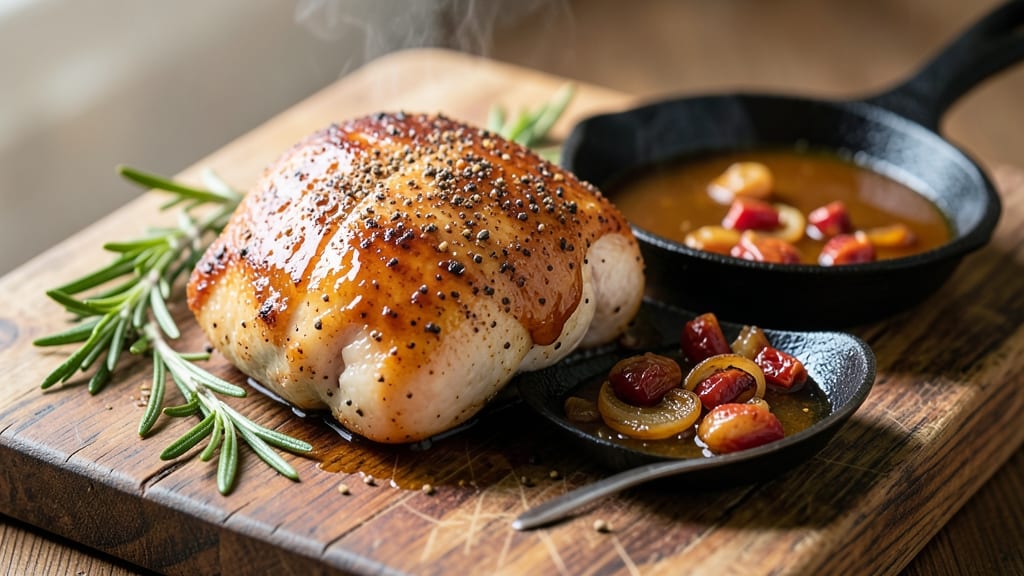
This chicken tenderloin seasoning recipe transforms simple protein into restaurant-quality bites with just a few tablespoons of this smoky garlic-pepper blend. The secret lies in balancing heat, garlic depth, and a touch of sweetness—creating a crust that's both crispy and tender while keeping the meat juicy inside.
I developed this blend after years of testing what works best for grilling, baking, or pan-searing, and it never fails to impress.
The magic happens in the ratio of spices: smoked paprika for that signature smokiness, garlic powder for aromatic richness, and black pepper for a kick that doesn't overpower. A pinch of brown sugar caramelizes during cooking, adding a subtle sweet contrast that enhances the savory notes.
This blend is designed to be versatile—use it on chicken tenderloins, wings, or even vegetables for a bold, consistent flavor every time.
What you'll achieve is chicken with a golden, crackling crust that shatters at the first bite, revealing moist, flavorful meat underneath. The seasoning sticks perfectly, ensuring every bite delivers that perfect balance of smoky, garlicky, and slightly sweet notes.
It's the kind of seasoning that elevates simple weeknight dinners into something special without requiring extra effort.
Store the blend in an airtight container for up to 6 months, making it a pantry staple for quick, flavorful meals. Double the recipe and keep it on hand for those moments when you crave perfectly seasoned chicken in minutes.
Here's exactly how to mix and use it for foolproof results every time.
Ingredients for chicken tenderloin seasoning
Nine simple spices transform chicken tenderloins into crispy, juicy bites every time.
| Ingredient | Amount | Notes |
|---|---|---|
| Smoked Paprika 🌶️ | 3 tbsp | High-quality smoked variety preferred |
| Garlic Powder 🧄 | 2 tbsp | Freshly ground preferred |
| Black Pepper 🌶️ | 1 ½ tbsp | Freshly cracked for best flavor |
| Brown Sugar 🍯 | 1 tbsp | Light or dark, not powdered |
| Onion Powder 🧅 | 1 tbsp | Diamond Crystal preferred |
| Ground Cumin 🌿 | ½ tbsp | Toasted for deeper flavor |
| Salt 🧂 | 1 ½ tsp | Diamond Crystal kosher salt |
| Crushed Red Pepper Flakes 🌶️ | ½ tsp | Adjust for desired heat |
| Ground Coriander 🌿 | ½ tsp | Freshly ground preferred |
The smoked paprika is non-negotiable—it delivers that signature smoky depth. Penzeys or bulk bins at natural food stores carry the best quality, but even the regular grocery store stuff works if it's fresh. Look for vibrant color and no clumping. The garlic powder should be finely ground—if it feels gritty, grind it yourself. I usually buy mine in bulk from Costco since I go through it fast. The brown sugar adds just enough caramelization to balance the heat, so don't skip it. For the black pepper, freshly cracked makes all the difference—if you're using pre-ground, check the date. It loses potency fast.
No smoked paprika? Regular paprika plus a pinch of liquid smoke gets you close. Short on garlic powder? Fresh minced garlic at half the amount works wonders. The crushed red pepper flakes can be swapped for cayenne at a 1:1 ratio, but they give a more even heat. If you're avoiding sugar, honey or maple syrup at half a teaspoon adds sweetness without crystallization. The cumin is subtle but essential—it rounds out the other flavors. For a deeper onion taste, add fresh minced onion to the mix before applying it to the chicken. And if you're using this on vegetables, cut the salt by half—they absorb less.
Store this blend in an airtight container, away from light and heat, for up to 6 months. I keep mine in a small glass jar on my spice rack—it's perfect for quick seasoning before grilling or baking. Double the batch and freeze half for later if you're planning a big cookout. The spices stay potent longer when stored properly. For extra crispiness, apply the seasoning right before cooking—it sticks better and creates that perfect crust. And trust me, the first time you use this on chicken tenderloins, you won't go back to store-bought seasoning.
Why You'll Love This Recipe
- Five-Ingredient Magic: This mix is my secret weapon—just shake, coat, and cook. No measuring cups, no fancy tools, just straight-up flavor with pantry staples.
- Smoky-Sweet Crunch: That brown sugar caramelizes while the smoked paprika adds depth, giving you a tenderloin with a crust that’s crispy, slightly sweet, and impossible to resist.
- Game for Any Meal: Use it for weeknight dinners, potlucks, or even a last-minute charcuterie board. The seasoning works with grilled, baked, or air-fried chicken—no rules, just results.
- Budget Meal Multiplier: A single batch stretches to feed four, and the leftovers reheat like a dream. Honestly, I’ve fed a crowd for under $10 with this trick.
Step-by-step instructions for smoky garlic-pepper chicken tenderloin seasoning
Here's how to blend these spices into a powerhouse seasoning that delivers crispy skin and juicy meat every time.
Measure All Ingredients Precisely
Start by gathering all your ingredients and measuring them accurately using the exact quantities specified. The 3 tablespoons of smoked paprika forms the smoky backbone of this blend, so don't skimp—this is what gives that signature depth of flavor. Use a proper measuring spoon for the 2 tablespoons of garlic powder and 1.5 tablespoons of black pepper, as these create the aromatic foundation.
For the 1 tablespoon of brown sugar, make sure it's light or dark—not powdered sugar, which would alter the texture completely. The sugar isn't just for sweetness; it helps create that beautiful caramelized crust on the chicken. The remaining ingredients—1 tablespoon onion powder, 0.5 tablespoon ground cumin, 1.5 teaspoons salt, 0.5 teaspoon crushed red pepper flakes, and 0.5 teaspoon ground coriander—should all be measured carefully, as each contributes something unique to the flavor profile.
Combine Dry Ingredients in a Mixing Bowl
In a medium-sized mixing bowl, add all the measured ingredients together. I like to start with the smoked paprika and garlic powder, then sprinkle in the black pepper and onion powder. This order helps distribute the spices evenly from the beginning. Use a whisk or a fork to break up any clumps, especially with the brown sugar and salt, which can sometimes stick together.
Here's the thing—don't just dump everything in and hope for the best. Stir vigorously for about 30 seconds to ensure every ingredient is fully incorporated. You should see a uniform, slightly coarse powder with a deep reddish-brown hue from the paprika. If you notice any streaks of color or texture variations, keep mixing until everything blends seamlessly. This is your base seasoning, and consistency is key for even flavor distribution on the chicken.
Toast the Spices for Enhanced Flavor (Optional but Recommended)
For an extra layer of complexity, transfer your dry mixture to a dry skillet set over medium-low heat. Stir constantly for 2-3 minutes until you can smell the spices releasing their aromas. You'll notice the smoked paprika deepening in color and the cumin and coriander adding earthy notes. This step isn't mandatory, but it takes your seasoning from good to extraordinary by enhancing the natural flavors of each spice.
Watch the heat carefully—you don't want to burn the spices, just warm them enough to activate their oils. When the mixture is fragrant and slightly darker, remove it from the heat immediately. Let it cool completely before using, as the residual heat can cause the brown sugar to caramelize prematurely. This cooling step also allows the spices to settle, making them easier to store and use later.
Store Properly for Maximum Freshness
Transfer your finished seasoning blend to an airtight container, like a small mason jar or a sealed plastic container with a tight lid. The spices will keep their potency for up to 3 months when stored in a cool, dark place. If you're planning to use this seasoning frequently, consider dividing it into smaller portions—this minimizes exposure to air and moisture, which can degrade the flavors over time.
Here's a pro tip: Before sealing the container, give the seasoning a final stir. The spices tend to separate during storage, and this ensures you get an even blend every time you use it. Label the container with the date and contents so you can keep track of its freshness. When you're ready to use it, simply sprinkle it generously over your chicken tenderloins before cooking—this blend is designed to create that perfect balance of smoky, garlicky, and slightly sweet flavor that makes every bite irresistible.
Pro Tips For Making Chicken Tenderloin Seasoning
- Dry the Chicken First: Pat those tenderloins thoroughly with paper towels—wet skin means steam instead of sear. I learned this the hard way when my first batch turned out soggy and bland; now I double-check for any lingering moisture before seasoning.
- Toast the Spices: Warm your smoked paprika and onion powder in a dry pan for 30 seconds—just until fragrant. This simple step deepens their flavor and cuts through the sweetness of the brown sugar, making the seasoning taste more complex than a dry mix.
- Balance the Sweetness: Skip the full tablespoon of brown sugar if you’re using pre-seasoned tenderloins—they’re often salted, and extra sugar can make the crust sticky. Start with ½ teaspoon and adjust; you want caramelization, not syrup.
- Season Twice: Apply half the seasoning right after patting dry, then hit the chicken again right before cooking. The first layer clings better, and the second ensures even coverage—no dry spots or missed flavor pockets. (Yes, it’s extra steps, but it’s worth it.)
Regional styles of chicken tenderloin seasoning
Southern BBQ Style
In the South, this seasoning blend gets a hearty upgrade with 1 extra tablespoon of smoked paprika and ½ teaspoon of cayenne pepper for a deeper smoky heat. Add 1 teaspoon of ground mustard to mimic the tangy notes of traditional BBQ rubs.
I like to finish with a light coating of cornstarch (1 tablespoon) to create that signature sticky crust when grilled. Serve with classic sides like coleslaw and buttery cornbread for a true Southern spread. 🔥
Texas-Style Grill Master
For a Texas-inspired twist, swap the brown sugar for 1 tablespoon of granulated sugar and add ½ teaspoon of ground chipotle powder for a smoky, slightly sweet kick.
The Lone Star State loves bold flavors, so I also include 1 teaspoon of onion powder and ½ teaspoon of garlic powder (doubling the original amounts). This blend works perfectly on a hot grill or smoker, creating a crust that’s both crispy and tender.
Pair with grilled jalapeños and pickled onions for a true Texas BBQ experience. 🌶️
Carolina Mustard Heat
Carolina-style seasoning leans into tangy mustard and a touch of cayenne for heat. Start with the original blend, then add 1 tablespoon of yellow mustard powder and ½ teaspoon of cayenne pepper. For extra depth, toast ½ teaspoon of ground fennel seeds in a dry pan before mixing.
This blend is ideal for pan-searing or baking, as the mustard creates a glossy, flavorful crust. Serve with vinegar-based coleslaw and grilled corn on the cob for a true Southern Carolina feast. 💛
Midwest Comfort Twist
The Midwest loves hearty, comforting flavors, so I adjust this blend with ½ teaspoon of ground cloves and ½ teaspoon of ground allspice for warmth. Add 1 teaspoon of onion powder and ½ teaspoon of celery salt to round out the flavor.
This version works beautifully on baked or pan-seared tenderloins, especially when paired with creamy mashed potatoes and roasted carrots. The spices create a cozy, aromatic crust that’s perfect for chilly evenings. ❄️
West Coast Herb Blend
For a West Coast-inspired twist, reduce the black pepper to 1 teaspoon and add ½ teaspoon of dried oregano and ½ teaspoon of dried thyme. Include ½ teaspoon of lemon zest for brightness and a touch of 1 teaspoon of granulated garlic.
This lighter, herb-forward blend is perfect for grilling or baking, especially when paired with grilled vegetables and a citrusy aioli. The herbs add a fresh, aromatic note that’s ideal for California-style cookouts. 🌿
Nutrition facts
Frequently asked questions
Can I use this seasoning on other proteins besides chicken tenderloins?
This blend works beautifully on chicken breasts, thighs, wings, or even turkey cutlets. For fish like tilapia or mahi-mahi, reduce the salt by half since seafood absorbs less. The spices also shine on roasted potatoes or Brussels sprouts—just cut the amount in half to avoid overpowering the vegetables.
How much seasoning should I use per pound of chicken?
For chicken tenderloins, use 1 tablespoon of the blend per pound before cooking. Pat the meat dry first—this helps the seasoning adhere better and creates that perfect crispy crust. If your chicken is particularly oily, reduce to ½ tablespoon per pound to avoid sogginess. For extra flavor, apply it twice: once before cooking and again after searing.
Why does my seasoning clump together in storage?
Spices naturally clump due to moisture in the air, especially with ingredients like brown sugar and salt. To prevent this, store your blend in an airtight container with a small silica gel packet or a slice of bread to absorb moisture. Before using, whisk or shake vigorously to break up any clumps. If the mixture feels damp, spread it on a baking sheet and dry in a 200°F oven for 10 minutes to revive it.
Can I make this seasoning spicier or milder?
Yes! For extra heat, add ½ teaspoon of cayenne pepper or 1 teaspoon of crushed red pepper flakes. To mellow it, reduce the black pepper to 1 teaspoon and omit the red pepper flakes. For a sweeter profile, increase the brown sugar to 2 teaspoons. Always adjust gradually—you can always add more, but you can't take it away once applied!
How do I know when my chicken tenderloins are fully cooked?
Use a meat thermometer to check for doneness—chicken is safe at 165°F in the thickest part. For tenderloins, this usually takes 12-15 minutes in a 400°F oven or 5-6 minutes per side on the grill. If you don't have a thermometer, cut into the thickest piece: the juices should run clear, and the meat should be opaque with no pink. Let it rest for 3-5 minutes before serving to retain juices.