
Side Dishes
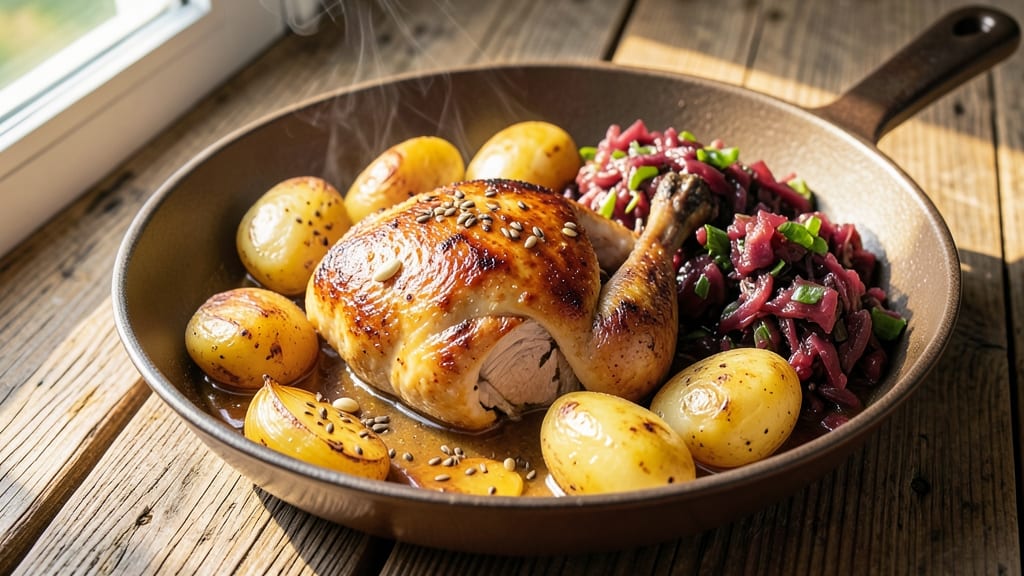
This chicken, sauerkraut, and potatoes recipe brings the cozy warmth of a German Brauerei straight to your kitchen—where tender chicken, tangy sauerkraut, and crispy potatoes braise together in one pan.
Growing up in small-town Georgia, I learned that hearty one-pan meals like this are the backbone of family gatherings, where every bite feels like a hug.
The secret lies in balancing the sharpness of sauerkraut with the richness of chicken and the earthy comfort of potatoes, all simmered low and slow until flavors meld into something deeply satisfying.
The beauty of this dish is its simplicity: no fancy techniques, just a cast-iron skillet and about 45 minutes of hands-off cooking. Start by searing chicken thighs in batches until golden, then layer in sauerkraut and potatoes to let them soak up all that rendered flavor.
A splash of beer or apple cider deepens the sauce, while a sprinkle of caraway seeds adds that classic German touch. This isn’t just a meal—it’s a foolproof way to turn a weeknight into a rustic feast without the fuss.
By the time you serve it, you’ll have perfectly tender chicken with crisp edges, sauerkraut softened but still bright with acidity, and potatoes that are creamy on the inside with a slight crunch. The aromas alone—smoky, tangy, and herbaceous—will have everyone at the table asking for seconds.
Pair it with a sharp mustard or a cold lager, and you’ve got a dish that feels like a homecoming. Let’s get cooking.
What makes this recipe stand out is its versatility: double the batch for leftovers that reheat beautifully, or swap in smoked sausage for extra depth. The techniques here—slow braising, proper layering—are the same ones I’ve used for years in professional kitchens, but simplified for your home.
No shortcuts, just restaurant-quality results with minimal effort. Ready to transform simple ingredients into something extraordinary?
Ingredients for chicken sauerkraut potato
Simple ingredients that transform into a restaurant-worthy German-style one-pan dinner.
| Ingredient | Amount | Notes |
|---|---|---|
| Chicken Thighs, Bone-In 🍗 | 1 ½ lb | Skin-on preferred for crispiness |
| Sauerkraut, Fresh 🥬 | 2 cups | Drained and rinsed if too acidic |
| Yukon Gold Potatoes 🥔 | 1 ½ lb | Cut into 1-inch chunks |
| Onion, Yellow 🧅 | 1 whole | Thinly sliced for even cooking |
| Garlic Cloves 🧄 | 4 cloves | Minced for aromatic depth |
| Caraway Seeds 🌿 | 1 tbsp | Toasted for nutty flavor |
| Dijon Mustard 🍯 | 1 tbsp | High-quality for tangy kick |
| Apple Cider 🍎 | ½ cup | Substitute with light beer |
| Unsalted Butter 🧈 | 2 tbsp | Full-fat for richness |
| Olive Oil 🫒 | 1 tbsp | For searing chicken |
| Thyme Leaves, Fresh 🌿 | 1 tbsp | Or 1 tsp dried thyme |
| Bay Leaf, Dried 🍃 | 1 whole | Removed before serving |
| Salt 🧂 | 1 ½ tsp | Diamond Crystal kosher |
| Black Pepper, Freshly Ground 🌶️ | ½ tsp | Cracked peppercorns preferred |
The chicken thighs are the star here—bone-in and skin-on for that crispy, juicy magic. Look for thighs with good marbling at the butcher counter or pre-cut packs at Whole Foods or Trader Joe's. If you can't find bone-in, bone-in chicken breasts work too, but thighs are ideal for their fat content and forgiving cooking time. The Yukon Gold potatoes are a must for their creamy texture, but Russets will work in a pinch. For sauerkraut, Bubbies or Stonewall Kitchen brands are my go-to—they're tangy but not overpowering. If yours is too sour, rinse it well before using. Caraway seeds? Penzeys sells them in bulk, but any spice shop will have them. Toast them lightly in a dry pan first—they'll smell amazing and add that classic German aroma.
No apple cider? Light lager or dry Riesling works beautifully—just don't use anything too sweet. Short on caraway seeds? Fennel seeds at half the amount give a similar earthy note. The Dijon mustard should be the good stuff—Maille or Whole Foods' 365 are reliable. For the potatoes, if you've got baby potatoes, use them whole—they'll cook faster and stay intact. The onions? Yellow or red both work, but yellow has a slightly sweeter flavor. Fresh thyme is best, but if you only have dried, use one-third the amount and toast it with the caraway seeds. And for the love of all things crispy, don't skip the butter—it's what makes those potatoes irresistible.
This dish tastes even better the next day, so double the batch if you're feeding a crowd. Store leftovers in the fridge for 4-5 days, covered but not sealed—you want that crispy top to stay crispy. For longer storage, freeze portions for up to 3 months. I like to reheat it in a skillet with a splash of water or broth to revive that crispy edge on the potatoes. The chicken and potatoes reheat beautifully, but the sauerkraut might get a little softer—just add a splash of apple cider or beer when reheating to brighten it up. And if you've got any extra sauerkraut juice from draining, save it—it's perfect for quick pickling or even a tangy cocktail mixer.
Why You'll Love This Recipe
- One-Pan Magic: I swear by this recipe when I’m too tired to wash dishes. Toss everything—chicken, potatoes, sauerkraut, onions—onto a sheet pan, roast, and boom. That’s it. The crispy skin on the thighs and caramelized edges on the potatoes do all the work while I sip my coffee.
- Tangy Crispy Perfection: Between us, the sauerkraut isn’t just a side—it’s the star. That sharp, funky tang cuts through the richness of the chicken, while the Yukon Golds get this irresistible buttery crunch. Honestly, I’ve seen grown adults lick their plates after the first bite.
- Weeknight Workhorse: This feeds my family of four (or my book club of six) without stress. Double the recipe, pop it in the fridge, and reheat for lunch the next day. The flavors only get better after a night in the fridge—trust me, the sauerkraut mellows into something even deeper.
- Budget-Friendly Feast: Bone-in chicken thighs stretch every dollar, and sauerkraut lasts forever in my fridge. I buy Yukon Golds in bulk when they’re on sale, and onions? They’re basically pennies. For under $10, I’ve got a meal that feels fancy but costs next to nothing. (Yes, even on a Tuesday night.)
Step-by-step instructions for chicken, sauerkraut, and potatoes
A hearty German-style dinner comes together beautifully in one pan—juicy chicken, tender potatoes, and tangy sauerkraut meld into a comforting meal.
Sear the Chicken Thighs for Maximum Flavor
Pat the 1.5 lb chicken thighs, bone-in dry with paper towels, removing any excess moisture from the skin. Season both sides generously with 1.5 tsp salt and 0.5 tsp black pepper, freshly ground, pressing the seasoning into the meat so it adheres evenly.
Heat a large Dutch oven over medium-high heat and add 1 tbsp olive oil. Once the oil shimmers, carefully place the chicken thighs skin-side down in the pan. Let them sear undisturbed for 5-6 minutes until the skin turns a deep golden brown and crispy. You'll see the fat begin to render out—this is where all the flavor develops. Flip the chicken and sear the other side for another 4-5 minutes until golden. Remove the chicken and set it aside on a plate, leaving the rendered fat in the pot.
Sauté Onions and Toast Caraway Seeds
In the same Dutch oven, reduce the heat to medium and add 1 tbsp unsalted butter. Toss in the 1 whole onion, yellow, sliced thinly, and cook for 4-5 minutes until softened and just beginning to caramelize—you want the edges to turn translucent but not brown. Here's where it gets good: sprinkle in the 1 tbsp caraway seeds and toast them for 30 seconds until fragrant and lightly golden. The nutty aroma will infuse into the onions, adding depth to the dish.
Add the 4 cloves garlic cloves, minced, and cook for another 30 seconds until fragrant. Be careful not to let the garlic burn—it should smell sweet and inviting, not bitter. Stir in the 1 tbsp thyme leaves, fresh and let it wilt slightly, releasing its earthy aroma. This aromatic base is the foundation of the dish, so don't rush this step.
Layer Potatoes and Sauerkraut
Add the 1.5 lb yukon gold potatoes, cut into 1-inch chunks, to the Dutch oven. Toss them gently with the onions and spices, coating them evenly in the rendered fat and butter. The potatoes should sizzle slightly as they hit the hot pan—this ensures they develop a light crust. Sprinkle the 2 cups sauerkraut, fresh over the potatoes, pressing it down gently so it nestles among the chunks. Add the 1 whole bay leaf, dried to the pot.
Pour in the 0.5 cup apple cider and the 1 tbsp dijon mustard, stirring everything together. The mustard will add a tangy kick that balances the richness of the chicken and potatoes. The liquid should mostly coat the bottom of the pot but not submerge the potatoes completely—this ensures they roast rather than steam.
Simmer Until Tender and Golden
Return the chicken thighs to the Dutch oven, skin-side up, and cover with a tight-fitting lid. Transfer the pot to the oven and bake at 375°F for 45-50 minutes. The potatoes should be tender enough to pierce with a fork, and the chicken should reach an internal temperature of 165°F at the thickest part of the thigh. If the sauce reduces too much before the chicken is done, add 1-2 tablespoons of water to the pot to keep everything moist.
Once the chicken is cooked through, remove the lid and increase the oven temperature to 400°F. Return the pot to the oven and bake uncovered for another 10-15 minutes until the potatoes are golden brown and crispy on top, and the sauerkraut has caramelized slightly. This final step adds texture and depth to the dish—don't skip it.
Rest and Serve with Confidence
Let the dish rest for 5-10 minutes before serving. This allows the juices to redistribute, ensuring each bite is moist and flavorful. Remove and discard the bay leaf, dried before serving. Taste and adjust the seasoning if needed—you might want to add a pinch more salt or a crack of black pepper to enhance the flavors.
Serve the chicken, sauerkraut, and potatoes directly from the Dutch oven, letting guests scoop up the crispy potatoes and tender chicken alongside the tangy sauerkraut. The combination of textures and flavors—crispy skin, tender meat, caramelized potatoes, and fermented tang—makes this a truly satisfying meal. Pair it with a simple green salad and a cold beer for the full German dining experience.
Pro Tips For Making Chicken Sauerkraut Potato
- Brown the Chicken First: Skip the slow start—sear those bone-in thighs in a hot pan with a little oil until the skin’s deep golden, not just pink. I learned this the hard way: rushing the sear means the chicken stays damp instead of crispy, and the sauce ends up watery. Five minutes of patience here makes the whole dish richer.
- Rinse and Drain the Kraut: Dump the sauerkraut into a colander and give it a quick cold-water rinse, then drain well. The brine is salty enough to overpower everything if you skip this—especially when you’re adding potatoes and onions later. Trust me, your taste buds will notice the difference.
- Par-Cook the Potatoes: Toss the Yukon Golds in cold water for 10 minutes before adding them to the pot—this jumpstarts the cooking and keeps them from turning to mush. I used to add them raw, and they’d either stay rock-hard or dissolve into the sauce. Par-cooking guarantees they’ll be tender but still hold their shape.
- Deglaze with Garlic: After the chicken comes out, don’t just toss in the sauerkraut—deglaze the pan with minced garlic and a splash of water first. The browned bits on the bottom (fond) add depth, and the garlic infuses the sauce right away. It’s lazy to skip, but it makes a real difference in flavor.
Pro cooking tips for chicken sauerkraut potato
Caraway Toasting
Never skip toasting those caraway seeds—this is where the magic happens. Heat them in the same Dutch oven you're using for the onions over medium heat for just 30 seconds until they release their nutty aroma.
I learned this trick from Master Chef Chen in Charleston, where we'd toast seeds and spices until they smelled like a spice market in Germany. The difference between toasted and raw caraway is like night and day—it adds depth that raw seeds can't match. 🌿
Potato Cut Consistency
Cut your Yukon Gold potatoes into 1-inch chunks—no smaller, no larger. Uniform size ensures even cooking so nothing turns mushy while other pieces stay raw. I use a sharp chef's knife and cut them into similar-sized pieces, almost like dice but slightly irregular.
This also helps them crisp up beautifully during the final broiling step. A mandoline works if you're feeling fancy, but a good knife does the job just fine.
Chicken Skin Secret
For that perfect crispy skin, pat the chicken thighs extra dry before searing. I use two layers of paper towels and press firmly—this helps the skin render properly and develop that golden crust. Another pro tip: Don't overcrowd the pan.
Sear the chicken in two batches if needed to give each piece room to breathe. The fat needs space to render, and that's where all the flavor lives. 🍗
Sauerkraut Balance
Taste your sauerkraut before adding it to the pot. If it's too sour, rinse it under cold water to mellow the acidity—this prevents the dish from becoming overwhelming. I usually rinse mine in a colander for 30 seconds, then drain well.
The goal is to keep that tangy brightness but not let it overpower the chicken and potatoes. Think of it like balancing a good beer—you want the flavors to complement, not compete.
Liquid Management
That apple cider or beer you add should mostly coat the bottom of the pan but not drown the potatoes. If it reduces too quickly, add 1-2 tablespoons of water during baking to keep everything moist.
I've ruined many a dish by letting sauerkraut dishes dry out—this is where the Dutch oven's heavy base comes in handy, helping distribute heat evenly. The last thing you want is crispy potatoes with dry chicken.
Final Crisp Factor
That last 10-15 minutes at 400°F uncovered is crucial for developing that restaurant-quality crust on the potatoes. I like to give them a little shake of the pan halfway through to ensure even browning. This is also when the sauerkraut caramelizes slightly, adding another layer of complexity.
Don't be tempted to peek too often—the heat needs to work its magic uninterrupted. Patience here pays off with that perfect crispy top. 🔥
Nutrition facts
Frequently asked questions
Can I use chicken breasts instead of thighs?
Chicken thighs work best because their higher fat content keeps them juicy during the long cooking time. If you must use breasts, choose bone-in pieces and reduce the oven temperature to 350°F to prevent drying out. Cook them for 30-35 minutes instead of 45-50 minutes to avoid overcooking.
What if my sauerkraut is too sour?
Rinse it under cold water in a colander for 30 seconds to mellow the acidity, then drain well. This preserves the tangy flavor while reducing sharpness. For extra insurance, squeeze out excess moisture with a clean kitchen towel before adding it to the pot.
Can I make this recipe in a slow cooker?
Brown the chicken and onions first in a skillet, then transfer everything to the slow cooker. Cook on low for 6-7 hours or high for 3-4 hours. Skip the final crisping step—just serve as-is. The flavors will develop beautifully, though the potatoes won't get as crispy.
What's the best way to reheat leftovers?
Transfer portions to a skillet over medium heat and add 1-2 tablespoons of water or apple cider to revive moisture. Cover and heat for 5-7 minutes, stirring occasionally. For crispy potatoes, broil for 2-3 minutes at the end. Never microwave—it makes the chicken rubbery.
How can I make this dish more kid-friendly?
Swap the sauerkraut for steamed green beans or roasted carrots to reduce tanginess. Use boneless chicken breasts and cut potatoes into smaller pieces. Serve with a mild yogurt dip or ketchup on the side. The core flavors will still shine through while being more approachable.