
Sauces & Condiments
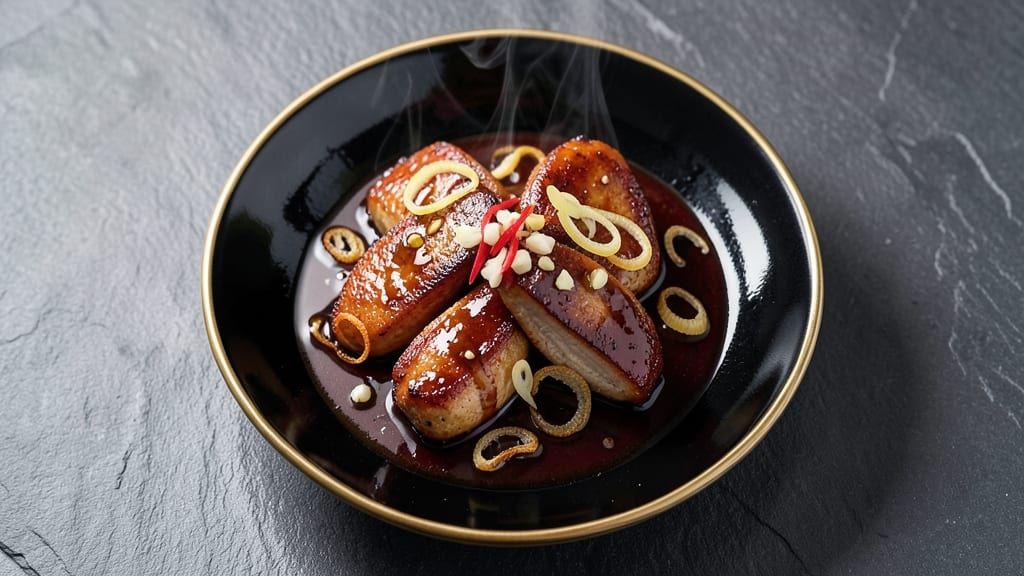
This chicken liver with oyster sauce recipe transforms a delicate ingredient into a restaurant-worthy dish with silky texture and deep umami richness. The secret lies in quick searing to preserve tenderness while building layers of flavor through a velvety oyster sauce reduction—no tough, gamey results here.
I developed this method after years of perfecting the balance between bold Asian flavors and the natural richness of chicken livers, ensuring each bite delivers both elegance and satisfaction.
What makes this recipe special is the two-stage cooking process: first pan-searing the livers until just cooked, then finishing them in a homemade oyster sauce that's been reduced to a glossy, flavor-packed glaze.
The sauce combines traditional oyster essence with a touch of soy, ginger, and garlic for complexity, while a splash of sherry adds brightness. This approach transforms what can be a polarizing ingredient into something luxurious and approachable.
By the end, you'll have tender, glossy livers with a sauce that clings perfectly to each piece, offering a balance of sweet, salty, and savory notes. The dish pairs beautifully with steamed jasmine rice or stir-fried bok choy, creating a complete meal that's both impressive and comforting.
Whether you're serving for dinner guests or treating yourself, this recipe delivers professional-quality results with minimal fuss.
The best part? This method works equally well with fresh or frozen livers, making it versatile for any kitchen. Let's get started on creating a dish that proves chicken livers can be both sophisticated and satisfying—with just the right amount of umami depth.
Ingredients for chicken liver with oyster sauce
Premium ingredients meet precision technique for restaurant-quality chicken livers with velvety oyster sauce.
| Ingredient | Amount | Notes |
|---|---|---|
| Fresh Chicken Livers 🍗 | 1 lb | Trimmed of connective tissue |
| Extra-Virgin Olive Oil 🫒 | 2 tbsp | High-quality, low smoke point |
| Oyster Sauce 🦪 | ½ cup | Authentic, premium quality |
| Dry Sherry 🍷 | 2 tbsp | Aged, preferably Fino or Amontillado |
| Fresh Ginger 🌿 | 1 tbsp | Finely minced, vibrant color |
| Garlic Cloves 🧄 | 3 cloves | Peeled, minced to paste |
| Low-Sodium Soy Sauce 🍶 | 1 tbsp | Kikkoman preferred |
| Brown Sugar 🍯 | 1 tbsp | Light, not dark |
| Diamond Crystal Kosher Salt 🧂 | ½ tsp | Fine grain preferred |
| Freshly Ground Black Pepper 🌶️ | ¼ tsp | Coarsely ground |
| Jasmine Rice 🍚 | 1 cup | Uncooked, long-grain |
| Water 💧 | 2 cups | Filtered preferred |
| Sesame Oil 🫒 | 1 tsp | Toasted, for finishing |
The quality of chicken livers is non-negotiable here. Fresh, organic livers from a trusted butcher yield the best results, but high-quality frozen livers work if thawed properly in cold water. Trim all connective tissue and silver skin meticulously—this prevents bitterness. Whole Foods Market or local specialty butchers are ideal sources, though most grocery stores carry frozen options. For authentic umami depth, Lee Kum Kee oyster sauce remains the gold standard, though Kikkoman's premium line is a worthy alternative. The sherry should be aged—Gonzalez Byass Fino or Williams & Humbert Amontillado elevate the dish significantly.
Substitutions require careful balance to maintain the dish's elegance. No oyster sauce? Mushroom sauce or high-quality fish sauce can mimic umami, though results will differ slightly. Fresh ginger unavailable? Ground ginger at half the amount works, but the texture won't be identical. For the sherry, dry white wine is a passable substitute, though it lacks the nutty depth. The brown sugar can be omitted entirely if you prefer less sweetness, but it helps caramelize the sauce beautifully. When searing, avocado oil has a higher smoke point than olive oil and prevents burning—useful if you're nervous about the high heat.
Proper storage extends the sauce's luxurious texture. The oyster sauce mixture can be made up to 3 days ahead and stored in an airtight container in the refrigerator, though flavors meld best after 24 hours. Chicken livers should be cooked immediately after thawing if using frozen, or refrigerated for up to 2 days if fresh. The cooked livers reheat beautifully—simmer gently in the sauce for 2-3 minutes to restore their glossy finish. Portion the sauce separately if freezing, as it thickens significantly when reheated. For optimal presentation, keep the sesame oil separate until the final moment—its aroma is best when freshly toasted.
Why You'll Love This Recipe
- Same recipe, different vibes: toss it over rice for a lazy Tuesday or plate it with steamed greens for a fancy-ish guest night. The sherry and ginger add sophistication without the fuss.
- One-Pan Magic: I swear by this recipe when I’m too tired to scrub pots—just sear the livers in olive oil, toss in ginger and sherry, then let the oyster sauce work its magic. Boom. Done in 20 minutes, no extra dishes.
- Umami Bomb: That first bite? Rich, salty-sweet, with a deep savoriness from the oyster sauce and sherry—it’s like a hug in a pan. Honestly, I’ll take this over takeout any day.
- Weeknight to Dinner Party: Same recipe, different vibes: toss it over rice for a lazy Tuesday or plate it with steamed greens for a fancy-ish guest night. The sherry and ginger add sophistication without the fuss.
Step-by-step instructions for chicken liver with oyster sauce
Mastering this dish requires precision—each step builds the velvety texture and umami depth.
Prepare the Chicken Livers for Cooking
Begin by trimming any visible connective tissue or silver skin from the 1 lb fresh chicken livers. Rinse them thoroughly under cold water and pat completely dry with paper towels—this ensures they sear properly rather than steam. Place them in a bowl and cover with cold water for 5 minutes to remove any remaining blood, then drain and rinse again. This step is critical; blood can make the livers bitter if not properly cleaned.
While the livers soak, mince the 3 cloves garlic into a smooth paste using a mortar and pestle or the flat side of your knife. Finely mince the 1 tbsp fresh ginger as well. Both aromatics should be bright and vibrant—this is when their flavors peak. Set them aside for the sauce preparation.
Cook the Jasmine Rice to Perfection
Rinse the 1 cup jasmine rice under cold water until the water runs clear, then drain in a fine-mesh strainer. In a small pot, combine the rinsed rice with the 2 cups water and bring to a boil over medium-high heat. Once boiling, reduce heat to low, cover tightly with a lid, and simmer for 15 minutes without lifting the lid. This steaming method produces fluffy, individual grains that won’t turn mushy.
After 15 minutes, remove from heat and let the rice sit covered for 10 minutes. Fluff gently with a fork before serving—this ensures each grain remains distinct and absorbs the rich oyster sauce later. The rice should be tender but still hold its shape when pressed between fingers.
Sear the Chicken Livers in Olive Oil
Heat a large skillet over medium-high heat and add the 2 tbsp extra-virgin olive oil. Once the oil shimmers but isn’t smoking, add the cleaned chicken livers in a single layer. Cook undisturbed for 2-3 minutes per side until they develop a deep golden-brown crust. The livers should release easily from the pan when ready—if they stick, reduce the heat slightly and let them cook longer without moving them.
Remove the livers from the skillet and set aside on a plate. The residual heat will carry them to 145°F internally, but they’ll finish cooking in the sauce. Keep them warm while you prepare the oyster sauce mixture.
Create the Umami-Rich Oyster Sauce
In the same skillet (no need to clean it—the browned bits add depth), add the minced garlic and ginger. Cook over medium heat for 1 minute until fragrant but not browned. Pour in the 0.5 cup oyster sauce, 2 tbsp dry sherry, 1 tbsp low-sodium soy sauce, and 1 tbsp brown sugar. Stir to combine, then add ½ cup water to help dissolve the sugar and create a smooth sauce.
Bring the mixture to a gentle simmer and cook for 3-4 minutes until it thickens slightly. The sauce should coat the back of a spoon and have a glossy sheen. Season with the 0.5 tsp diamond crystal kosher salt and 0.25 tsp freshly ground black pepper. Taste and adjust—you want a balance of sweetness, saltiness, and umami without overpowering the delicate liver flavor.
Finish and Serve with Sesame Oil
Return the seared chicken livers to the skillet with the sauce. Gently toss to coat them evenly, letting them simmer for 1-2 minutes until fully heated through. The livers should be tender with a silky texture—if they’re still slightly firm, add another splash of water and cook for 30 seconds. Overcooking turns them rubbery.
Remove from heat and drizzle with the 1 tsp sesame oil. Toss gently to distribute the oil evenly—this adds a nutty aroma and balances the richness. Serve the chicken livers immediately over the jasmine rice, ensuring each portion gets a generous spoonful of the glossy oyster sauce. The contrast of the fluffy rice and velvety livers creates the perfect harmony of textures.
Pro Tips For Making Chicken Liver With Oyster Sauce
- Trim the Fat First: Chicken livers bleed like crazy when raw—so pat them very dry after trimming off all visible fat and connective tissue. I used to skip this, and my pan would smoke uncontrollably, turning the livers rubbery instead of silky. A damp paper towel works best; don’t rush it.
- Shock Livers in Ice Water: Once cooked, plunge the livers into a bowl of ice water for 30 seconds. This stops the cooking instantly and keeps them tender. I learned this after serving overcooked livers that turned to leather—now they stay juicy even when reheated.
- Deglaze with Sherry Early: Add the dry sherry right after searing the livers, not at the end. The alcohol burns off faster when the pan’s hot, and the resulting glaze caramelizes into the sauce. I used to toss it in later, and the flavor just didn’t integrate—now it’s the backbone of the dish.
- Ginger Must Be Finely Minced: No, a quick chop won’t cut it—grate the ginger or mince it so fine it’s almost paste-like. This ensures it melts into the sauce instead of sitting as chunks. I was skeptical until I tried it; the dish now has a smooth, bright depth that’s missing otherwise.
Regional styles of this recipe
Cantonese Classic
In Cantonese cuisine, chicken livers with oyster sauce are traditionally served as a dim sum or yum cha dish, often paired with steamed rice and pickled vegetables.
The key here is a lighter, slightly sweeter sauce—I use ¼ cup oyster sauce instead of ½ cup, balanced with 1 tbsp Shaoxing wine (instead of sherry) and a touch of sesame paste for depth.
The livers are often pan-fried until crispy on the outside while remaining tender inside, then finished with a glossy oyster glaze that clings beautifully. 🍜
Hong Kong Fusion
Hong Kong chefs elevate this dish by incorporating umami bombs like dried shiitake mushrooms (soaked and minced) into the sauce, along with a dash of white pepper for a subtly spicy kick.
I like to add 1 tbsp fermented black beans (mash them first) to the pan before searing the livers—this adds a funky, salty depth that complements the oyster sauce perfectly. Serve with butter-fried rice and quick-pickled cucumbers for a true Hong Kong street-food vibe. 🌶️
Taiwanese Street Style
Taiwanese street vendors take a bold, no-frills approach, often cooking the livers in lard or duck fat for extra richness. The sauce is simplified to oyster sauce, soy sauce, and a splash of rice wine, with scallions added at the end for freshness.
I’ve seen vendors toss in crushed peanuts for texture—about 2 tbsp at the finish. This version is messier, heartier, and perfect for sharing with sticky rice or mantou (steamed buns). 🥢
Modern American Twist
For a contemporary take, I blend 1 tbsp hoisin sauce into the oyster reduction and finish with toasted hazelnuts (chopped) for crunch. The hoisin adds a slightly tangy sweetness that bridges Asian and Western palates.
Serve over jasmine rice with a side of roasted Brussels sprouts—the caramelized edges contrast the silky livers beautifully. This version works well for weeknight dinners where you want restaurant flair without fuss. 🌟
Japanese Yakitori-Inspired
Japanese chefs might prepare this as a yakitori-style skewer, marinating the livers in a mix of mirin, sake, and grated daikon before grilling.
For a fusion approach, I sear the livers as usual, then finish them in a reduced oyster-mirin glaze (replace sherry with 1 tbsp mirin) and garnish with yuzu kosho for a citrusy, spicy kick. Pair with steamed mochi rice and pickled ginger to balance the richness. 🍶
Vietnamese-Inspired Nuoc Cham
In Vietnam, chicken livers are often stir-fried with fish sauce, lime, and chili—a far cry from oyster sauce. For a fusion twist, I blend 1 tbsp fish sauce into the oyster reduction and finish with lime zest and Thai bird’s eye chili.
The result is a bright, tangy-sweet-savory sauce that cuts through the richness. Serve with rice vermicelli noodles and quick-pickled daikon for a refreshing, noodle-friendly dish. 🌶️
Nutrition facts
Frequently asked questions
Can I substitute oyster sauce with something else?
For umami depth, try mushroom sauce, high-quality fish sauce (1 tbsp), or even soy sauce + a splash of mirin. The sauce will taste different but still delicious. If using fish sauce, reduce the soy sauce to ½ tbsp to balance saltiness.
How do I prevent chicken livers from becoming tough?
Never overcook them! Sear livers over medium-high heat for 2-3 minutes per side until golden, then finish in the sauce for just 1-2 minutes. Overcooking (past 145°F) turns them rubbery. Keep them moving in the pan to avoid sticking.
What's the best way to store leftover chicken livers?
Store cooked livers in an airtight container with sauce for up to 3 days in the fridge. To reheat, warm gently in a skillet with a splash of water for 1-2 minutes. For longer storage, freeze for 1 month—thaw overnight in the fridge before reheating.
Can I make this recipe with frozen chicken livers?
Yes! Thaw frozen livers in cold water for 15-20 minutes, then pat completely dry before cooking. The soaking step (5 minutes in cold water) removes blood and ensures better texture. Never microwave to thaw—it can make them tough.
What sides pair best with this dish?
Jasmine rice is classic, but try steamed bok choy, butter-fried rice, or quick-pickled cucumbers for contrast. For a modern twist, roasted Brussels sprouts or sesame green beans add crunch. Avoid heavy sides—the livers are rich enough to stand alone.