
Appetizers
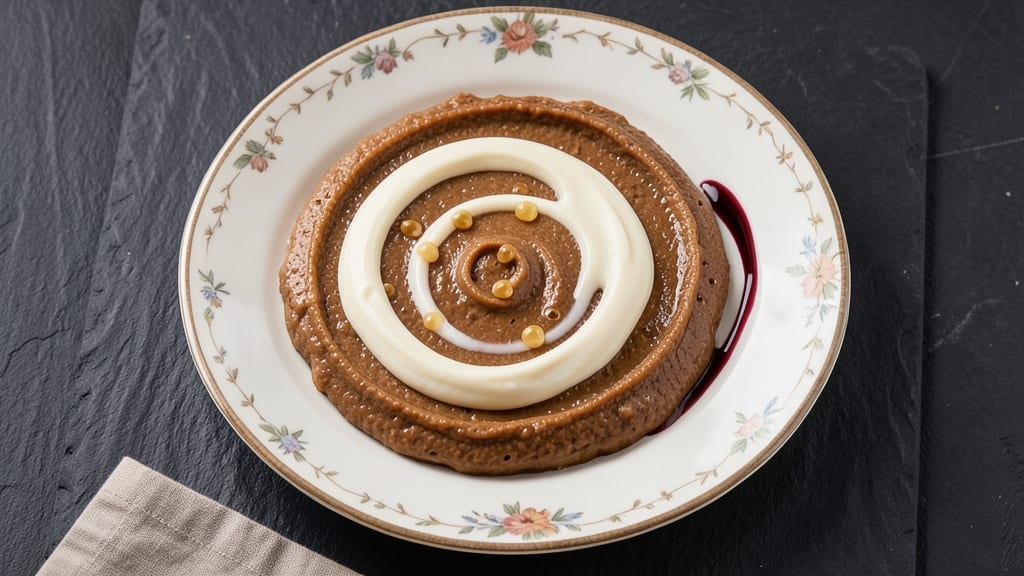
Creating a chicken liver pâté with cream transforms simple ingredients into an ultra-smooth, velvety spread that elevates any appetizer spread. This recipe delivers restaurant-quality texture and depth without requiring advanced techniques—just precise blending and patience.
I developed it after years of experimenting with liver-based spreads, and the cream addition makes all the difference in achieving that luxurious mouthfeel.
The secret lies in properly preparing the livers—soaking them in milk to remove bitterness, then blending them with cream until completely smooth. Seasoning with just a touch of salt and pepper lets the natural richness shine, while a splash of brandy adds depth.
This pâté isn’t just flavorful; it’s versatile enough to serve on toasted baguette slices, crackers, or even as a garnish for roasted vegetables.
What you’ll end up with is a spread so velvety it practically melts on your tongue, with a rich, savory flavor that’s balanced yet bold. The cream creates that signature luxurious texture, while the careful seasoning ensures every bite is perfectly harmonized.
Unlike store-bought versions, this pâté stays fresh for up to a week in the refrigerator, making it ideal for entertaining.
Perfect for holiday gatherings, dinner parties, or even a sophisticated snack at home, this recipe delivers professional results with minimal effort. The key is patience during blending—don’t rush it. Once you try this, you’ll never settle for anything less than homemade again.
Ingredients for chicken liver pate recipe with cream
Just a pound of livers and a few pantry staples. Cream transforms this into restaurant-worthy pâté.
| Ingredient | Amount | Notes |
|---|---|---|
| Chicken Livers 🍗 | 1 lb | Fresh, trimmed of connective tissue |
| Heavy Cream 🥛 | 1 cup | Full-fat for velvety texture |
| Whole Milk 🥛 | 1 cup | For soaking livers |
| Brandy 🍷 | 2 tbsp | High-quality, 80-proof minimum |
| Unsalted Butter 🧈 | 4 tbsp | Cold, cubed for blending |
| Diamond Crystal Kosher Salt 🧂 | ½ tsp | Fine grain preferred |
| Freshly Ground Black Pepper 🌶️ | ¼ tsp | Adjust to taste |
| Fresh Parsley 🌿 | ¼ cup | Chopped, for garnish |
| Baguette Slices 🥖 | 8 slices | Toasted for serving |
The livers make or break this—freshness is key. Look for vibrant, deep red livers at Whole Foods or your butcher counter, not the ones sitting in the meat case for days. Trim off any connective tissue or fat, then soak them in milk for 30 minutes to remove bitterness. I always double-check the brandy too—Korbel or Christian Brothers work perfectly, but avoid the cheap stuff. The cream? Full-fat only—anything less and the texture suffers. If you're nervous about blending, start with a small batch to test consistency.
No brandy? Dry sherry or even apple cider adds depth, though brandy's caramel notes are ideal. Short on parsley? Fresh chives or tarragon work too, though parsley's bright finish is classic. The butter should be cold when you add it—microwave 10 seconds to soften if needed. For a richer version, swap half the milk for heavy cream in the soak. And if you're feeling fancy, add a pinch of cayenne for subtle heat. The pâté freezes beautifully—just spread it thin on parchment before freezing for easy slicing later.
This pâté keeps for 5-7 days in the fridge, sealed tightly under a layer of plastic wrap. For longer storage, portion into 1-ounce servings in airtight containers—freezes for 3 months. I always make a double batch; the extra goes on toasted crostini or as a garnish for roasted asparagus. If it separates slightly after chilling, just give it a quick pulse in the food processor—it'll come back together. The texture is worth the patience, trust me.
Why You'll Love This Recipe
- Milk-Soak Magic: Honestly, the whole milk soak is my secret weapon—it takes that "liver" texture and turns it into something silky and approachable. No more gamey surprises, just smooth, mellow flavor that even my picky kids go for.
- Brandy Boost: That 2 tbsp of brandy isn’t just for show—it’s what turns this from good to ridiculously good. The warmth from the brandy mellows the livers while adding a subtle depth that makes every bite sing. Trust me, skip it, and you’re missing the star of the show.
- Leftovers? More Like Leftovers Love: I make this once a week and it’s gone by Monday. The pâté keeps for days in the fridge, so I can portion it out for quick lunches or dinner guests. Just pop a spoonful on toast, and you’ve got a restaurant-worthy meal in under a minute.
- One-Bowl Wonder: No fancy equipment, no stress—just a food processor, a pot of water, and 30 minutes of hands-on time. The brandy and butter blend into the livers so seamlessly, you’d never guess how little effort went into it. Perfect for nights when you want to impress but don’t want to impress.
Step-by-step instructions for chicken liver pâté with cream
Here's how to transform raw chicken livers into velvety pâté that melts on your tongue.
Soak and Blanch the Chicken Livers
Start by rinsing the 1 lb chicken livers under cold water and patting them completely dry with paper towels. This removes any blood and prevents the pâté from becoming bitter. Place them in a bowl and cover with the 1 cup whole milk, then refrigerate for 30 minutes. This soaking step mellows their natural gaminess.
After soaking, drain the milk and transfer the livers to a saucepan. Cover with fresh cold water and bring to a gentle simmer over medium heat. Poach for exactly 3 minutes—no longer, or they'll toughen. Immediately drain and plunge into ice water to stop the cooking process. The livers should be opaque and firm to the touch when done.
Create the Creamy Base
In a food processor, combine the poached chicken livers, 1 cup heavy cream, 2 tbsp brandy, ½ tsp diamond crystal kosher salt, and ¼ tsp freshly ground black pepper. Pulse until the mixture is completely smooth, scraping down the sides as needed. Here's the thing—don't rush this blending. You want the texture to be silky, not grainy.
Add the 4 tbsp cold unsalted butter, one cube at a time, processing after each addition until fully incorporated. The butter should emulsify completely, creating a rich, velvety consistency. Taste and adjust seasoning if needed—this is your chance to balance the flavors before the pâté sets.
Finish and Garnish
Transfer the pâté mixture to a heatproof bowl and place it over a pot of simmering water, ensuring the bottom of the bowl doesn't touch the water. Heat gently for 5-7 minutes, stirring occasionally with a silicone spatula, until the temperature reaches 160°F. This gentle warming ensures the pâté is safe to eat while maintaining its ultra-smooth texture.
Remove from heat and stir in the ¼ cup chopped fresh parsley. The parsley adds a bright finish that cuts through the richness. Let the pâté cool to room temperature, then transfer it to a serving dish. The surface should set slightly but still have a glossy sheen—this is your indicator of perfect consistency.
Serve with Toasted Baguette
Toast the 8 baguette slices until golden brown and crisp. The toasted bread provides the perfect contrast to the rich pâté—crunchy texture against velvety smoothness. Serve the pâté immediately, accompanied by the toasted baguette slices. For an elevated presentation, spread a generous layer of pâté on each slice and garnish with an additional sprinkle of freshly ground black pepper.
This pâté keeps well in the refrigerator for up to 3 days, but it's best enjoyed fresh. The brandy adds depth, the cream creates that luxurious mouthfeel, and the parsley ties everything together with a touch of freshness. Each bite should deliver a perfect balance of richness and brightness.
Pro Tips For Making Chicken Liver Pate Recipe With Cream
- Trim Like a Pro: Chicken livers hide connective tissue in the center—those little white strings ruin texture. Cut them out with kitchen scissors or a sharp knife before soaking. I used to skip this and ended up with a grainy pâté every time.
- Ice Bath Non-Negotiable: That 3-minute poach is critical, but the real magic happens in the ice water. Plunge the livers in immediately—they’ll firm up and stay tender. I learned this the hard way after serving rubbery pâté once.
- Butter Temperature Matters: Cold cubed butter blends better than softened—it emulsifies cleanly into the cream. Add it one cube at a time, or you’ll end up with butter chunks in your otherwise silky pâté.
- Skip the Overmixing: Pulse the food processor until smooth, but don’t turn it into a paste. Overworking the livers heats them up and can make the final texture greasy. Stop when it’s velvety, not gluey.
Regional styles of these flavors
French Classic Touraine
This French regional style adds a touch of elegance with Dijon mustard and white wine reduction. After blending your pâté base, stir in 1 tbsp Dijon mustard and 2 tbsp reduced white wine (simmer ½ cup dry white wine until reduced by half).
The mustard adds a sharp tang that cuts through the richness, while the wine brings bright acidity. I first tried this at a Parisian bistro and was immediately hooked—it’s the perfect balance of complexity and simplicity. 🍷
Provençal Herb Variation
For a Mediterranean twist, infuse your pâté with Provençal herbs like rosemary, thyme, and bay leaf. After blending, stir in 1 tsp chopped fresh rosemary and ½ tsp dried thyme. Simmer these herbs in 1 tbsp olive oil for 5 minutes before adding them to the pâté.
The herbs add earthy depth that pairs beautifully with the creaminess. My Nonna swore by this version—she’d say it tastes like summer in a spoonful. 🌿
Italian Truffle Infusion
Elevate your pâté with truffle oil for a luxurious touch. After blending, drizzle in 1 tsp high-quality truffle oil (like Truffle Oil by La Dolce Vita) and mix gently. For extra authenticity, add ½ tsp grated Parmesan for umami richness.
This version is perfect for special occasions—it’s what I serve when guests expect something truly impressive. The truffle aroma lingers beautifully, making every bite feel indulgent. ✨
German Blood Orange Zest
Add a bright citrus twist with blood orange zest, a staple in German cuisine. After blending, grate in 1 tbsp blood orange zest (or sub ½ tsp orange zest if blood oranges aren’t available). The tartness balances the creaminess and adds a vibrant pop of color.
I discovered this variation at a Frankfurt market stall—it’s a crowd-pleaser, especially during the holidays. The zest also makes the pâté look as good as it tastes. 💛
Scottish Smoked Salmon Twist
For a bold, smoky flavor, fold in 2 oz smoked salmon (finely chopped) after blending. The salmon adds a delicate smokiness that pairs surprisingly well with the liver’s richness. I first tried this at a Scottish pub in Edinburgh and was amazed by how the flavors melded.
Serve it on water crackers for an unexpected yet delicious contrast. It’s the kind of variation that makes your pâté feel like a true adventure. 🏴
Nutrition facts
Frequently asked questions
Why does my pâté taste bitter?
If your pâté has an unpleasant bitterness, it’s likely from overcooking the livers or skipping the milk soak. Always soak the 1 lb of livers in 1 cup whole milk for 30 minutes to neutralize natural gaminess. Poach them for exactly 3 minutes—any longer and they’ll toughen up. Double-check your ingredients too; expired or low-quality livers can taste bitter.
Can I use a blender instead of a food processor?
A food processor is ideal for this recipe because it handles the 4 tbsp cold butter better and creates a smoother texture. However, if you must use a blender, pulse in short bursts and scrape down the sides frequently. The key is patience—don’t over-blend, or the pâté may turn grainy. For best results, invest in a food processor for this dish.
What if my pâté separates after chilling?
Separation happens when the fat and liquid components don’t fully emulsify. If this occurs, simply pulse the pâté in your food processor for 10-15 seconds to recombine everything. The 4 tbsp cold butter should have emulsified perfectly during blending, but if not, adding a splash of warm water or a spoonful of heavy cream can help rebalance the texture. Stir gently and serve immediately.
Can I make this pâté without brandy?
Yes! While 2 tbsp brandy adds depth, you can substitute it with 2 tbsp dry sherry, 1 tbsp apple cider vinegar, or even 1 tbsp lemon juice for brightness. The alcohol helps tenderize the livers, so if you skip it, poach the livers for an extra 30 seconds to ensure they’re fully cooked. The flavor will still be rich and creamy.
How do I prevent my pâté from drying out?
Drying out usually happens if the pâté is overcooked or exposed to air too long. After blending, cover the mixture tightly with plastic wrap (pressed directly on the surface) while it cools. When reheating, use the 160°F water bath method for 5-7 minutes—never boil it. Store it in an airtight container with a layer of plastic wrap on top to minimize air contact. This keeps it velvety and moist for days.