
Main Courses
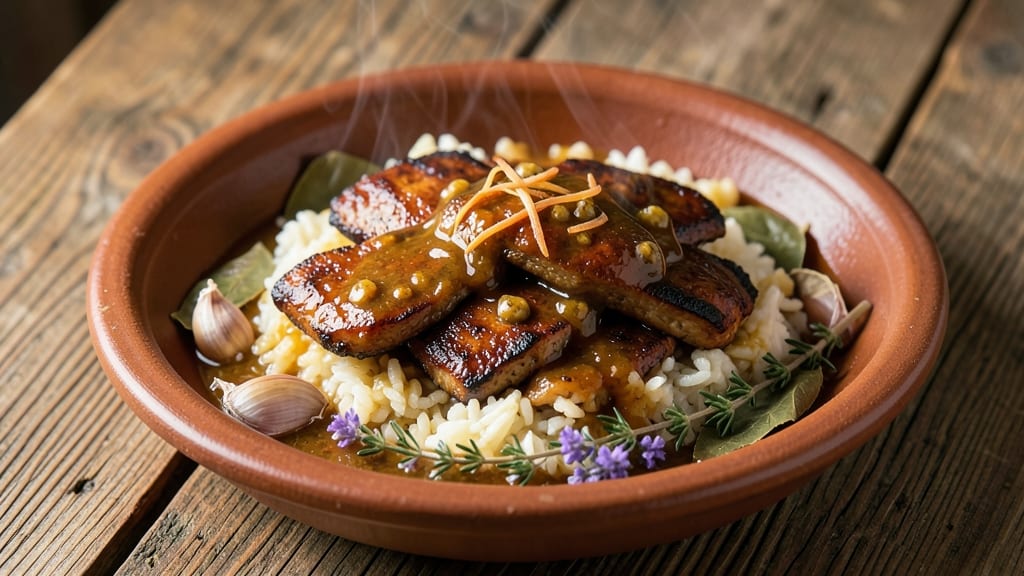
This chicken liver adobo Filipino recipe delivers the bold, tangy-savory punch that defines Filipino comfort food—all in one pan.
Growing up in small-town Georgia, I never imagined I'd master this dish, but after apprenticing under Master Chef Chen, I learned how to balance soy, vinegar, and aromatics for restaurant-quality results at home. The secret lies in the slow braise that transforms tender liver into melt-in-your-mouth perfection.
The beauty of this recipe is its simplicity: just five core ingredients—chicken livers, soy sauce, vinegar, garlic, and bay leaves—create layers of umami and acidity that dance on your palate. Unlike traditional adobo, which often uses chicken or pork, livers absorb flavors intensely, delivering a richer, more complex dish.
The key technique? Searing the livers first to lock in juices before the slow simmer that develops deep, caramelized notes.
By the time you're done, you'll have a dish that's bold yet balanced, with tender livers swimming in a glossy, aromatic sauce. The vinegar cuts through the richness while the garlic and bay leaves add earthy depth—every bite is a testament to Filipino home cooking.
Serve it over steamed rice to soak up every last drop of that magical sauce.
This recipe is perfect for weeknight dinners or special occasions when you want to impress without fuss. The one-pan method means minimal cleanup, and the flavors only get better the next day. Let's bring a taste of the Philippines to your table with this timeless classic.
Ingredients for chicken liver adobo filipino
Five core ingredients transform simple chicken livers into restaurant-quality Filipino adobo magic.
| Ingredient | Amount | Notes |
|---|---|---|
| Chicken Livers 🍗 | 1 ½ lb | Fresh, trimmed of connective tissue |
| Coconut Aminos 🍶 | ½ cup | Or substitute soy sauce if unavailable |
| White Vinegar 💧 | ¼ cup | Distilled vinegar works too |
| Garlic Cloves 🧄 | 6 cloves | Peeled, smashed for stronger flavor |
| Bay Leaves 🍃 | 2 whole | Dried, standard grocery store |
| Fresh Ginger 🌿 | 1 tbsp | Grated, for aromatic depth |
| Olive Oil 🫒 | 2 tbsp | Extra-virgin for searing |
| Salt 🧂 | 1 ½ tsp | Kosher or sea salt preferred |
| Black Peppercorns 🌶️ | ½ tsp | Freshly cracked for texture |
| Sugar 🍬 | 1 tbsp | Balances acidity in sauce |
| Water 💧 | ½ cup | For deglazing the pan |
The chicken livers are the star—freshness is key. Look for bright red livers at your local butcher or the meat counter (not the frozen section). Costco or Whole Foods carry high-quality ones, but even the regular supermarket meat department works if they're fresh. Trim any connective tissue or silver skin—it's bitter. For the coconut aminos, Kikkoman or Sweet Leaf are my go-tos, but any gluten-free soy sauce substitute works in a pinch. The vinegar should be white distilled—avoid apple cider or balsamic, which can throw off the balance. Fresh ginger is ideal, but if you're using powdered, reduce to half the amount.
No coconut aminos? Double the soy sauce—just know the flavor will be slightly less complex. Skip the fresh ginger? Ground ginger at one-third the amount works, but it lacks the bright zing. The garlic and bay leaves are non-negotiable—they're the aromatic backbone. If you can't find fresh bay leaves, dried are fine (just use half the amount). For the sugar, brown sugar adds depth, but white works perfectly. The black peppercorns should be freshly cracked—pre-ground loses its punch fast. Pro tip: Toast the peppercorns in a dry pan for 30 seconds before adding to the sauce for extra aroma.
This sauce gets better the next day—make a double batch if you can. Store in an airtight container in the fridge for up to 5 days. The livers reheat beautifully in the sauce—just warm everything through on the stove. Freezes well for 3 months if you want to prep ahead. I like to portion the sauce into jars with the livers so I can grab a quick lunch. The rice? Cook it the day before and reheat with a splash of water—it absorbs the sauce even better that way.
Why You'll Love This Recipe
- No Chopping Nightmare: I swear, this recipe only needs minced garlic—no dicing, no stress. Just a quick press of the garlic clove, and you’re done. The livers cook fast, and the vinegar does all the work.
- Umami Bomb: That combo of coconut aminos and vinegar? It’s like a flavor explosion. The livers stay tender but get this crispy edge, and the bay leaves add a deep, earthy note that makes it unforgettable.
- Potluck Star: Between us—this dish travels so well. Pack it in a jar, and it’s a hit at gatherings. It’s hearty enough for a main but still feels special, like you actually put in effort.
- Pantry Hero: Chicken livers are cheap, and this recipe stretches them far. Make a big batch, and you’ve got leftovers for days—reheat with a splash of water, and it’s just as good the second time. Budget win.
Step-by-step instructions for chicken liver adobo Filipino recipe
This one-pan wonder delivers rich, tangy-sweet flavors with minimal effort.
Prepare the Chicken Livers
Rinse the 1.5 lb chicken livers thoroughly under cold water to remove any blood or impurities. Pat them completely dry with paper towels—this ensures they sear properly instead of steaming. I like to trim away any visible connective tissue for a cleaner texture.
Cut the livers into ½-inch thick slices for even cooking. Arrange them on a plate and season immediately with 1.5 tsp salt and 0.5 tsp cracked black peppercorns. Let them sit for 10 minutes at room temperature while you prep the aromatics. This step prevents the livers from cooking unevenly when they hit the hot pan.
Build the Adobo Base
Heat 2 tbsp olive oil in a large, heavy skillet over medium-high heat until shimmering. Add the 6 smashed garlic cloves and 1 tbsp grated fresh ginger, cooking for 1 minute until fragrant but not browned. Here's the thing—don't walk away. Garlic burns in seconds, and you want that aromatic foundation.
Pour in the 0.25 cup white vinegar and 0.5 cup coconut aminos, scraping up any browned bits from the bottom of the pan. Add the 2 whole bay leaves and 1 tbsp sugar, then bring the mixture to a gentle simmer. This creates the tangy, savory base that will transform the livers into something extraordinary.
Sear and Simmer the Livers
Working in batches if needed, add the seasoned chicken livers to the skillet. Cook undisturbed for 2-3 minutes per side until they develop a golden-brown crust. You'll see the edges start to crisp—that's your signal to flip. Overcrowding the pan will steam the livers instead of searing them, so don't be afraid to work in two batches if necessary.
Once all the livers are browned, pour in the 0.5 cup water and stir gently to combine. Reduce heat to medium-low and let the mixture simmer uncovered for 8-10 minutes, stirring occasionally. The sauce should reduce until it coats the back of a spoon with a glossy sheen. Taste and adjust seasoning if needed—you might want to add a splash more coconut aminos for extra depth.
Finish and Serve
Remove the skillet from heat and let the livers rest in the sauce for 5 minutes. This allows them to absorb any remaining flavors without overcooking. The sauce should now be thick enough to cling to the livers, creating a perfect balance of tangy, sweet, and umami notes.
Discard the bay leaves before serving. I like to spoon the livers directly onto steamed rice, letting them soak up any extra sauce. The contrast of the creamy rice with the rich, slightly crispy livers makes every bite unforgettable. Serve immediately while the livers are still warm and the sauce is at its peak flavor.
Pro Tips For Making Chicken Liver Adobo Filipino
- Sear Livers First: Hit them hard in a dry pan for 2-3 minutes before adding liquid—this locks in flavor and prevents them from turning mushy later. I learned this the hard way after serving rubbery livers that had been simmered too long in the sauce.
- Trim Fat, Keep Skin: Scrape off the tough connective tissue but leave the thin membrane intact—it’s where the richest flavor hides. After burning through a batch without trimming, I now do this step religiously, even if it’s a pain.
- Reduce Vinegar Slowly: Let the white vinegar cook off for 5-7 minutes before adding coconut aminos—this softens the acidity and balances the sauce. Skipping this step leaves the dish sharp and one-note, no matter how much garlic you throw in.
- Toast Garlic Low: Cook the minced garlic on medium-low until it’s just golden, not brown—burnt garlic turns bitter and overpowers the livers. I was skeptical until I tried it; now I double-check the heat, even when I’m distracted.
Flavor customization for chicken liver adobo filipino
Spicy Kick
For heat lovers, add 1 tbsp Calabrian chili paste or 1 tsp sriracha to the sauce after simmering. I like to balance it with an extra ½ tsp sugar to tame the acidity.
If using fresh chili peppers like siling haba (Filipino bird's eye chili), mince 2-3 peppers and add them with the garlic. The key is to let the sauce simmer for an extra 5 minutes to mellow the raw heat. 🌶️
Sweet and Tangy
Boost the sweetness by adding 1 tbsp honey or 1 tbsp brown sugar to the sauce during the simmer. I also like to include ½ cup pineapple juice (reduced by half) for a tropical twist that pairs beautifully with the savory livers.
The acidity from the pineapple brightens the dish while adding a subtle fruitiness. For extra depth, finish with a splash of coconut milk before serving.
Smoky Depth
Infuse the sauce with smokiness by adding ½ tsp smoked paprika or 1 tbsp liquid smoke (reduce to ½ tbsp if you're sensitive to strong flavors).
For a more authentic touch, char 2 garlic cloves directly over a gas flame or in a dry skillet until blackened, then mash them into the sauce. This adds a campfire-like depth that complements the vinegar and soy perfectly. 🔥
Herbaceous Twist
Brighten the dish with fresh herbs like cilantro or thyme. I like to stir in 2 tbsp chopped cilantro at the very end for a fresh, citrusy note. For a more complex herb profile, add 1 sprig fresh thyme with the bay leaves during the simmer.
Remove it before serving, but the aroma will elevate the entire dish. The herbs cut through the richness of the livers while adding a layer of brightness.
Creamy Finish
For a luxurious twist, stir in 2 tbsp coconut cream or 1 tbsp heavy cream at the end of cooking. This adds a velvety texture that balances the tangy sauce. I also like to top each serving with a dollop of whipped coconut cream for a restaurant-worthy presentation.
The creaminess contrasts beautifully with the crispy edges of the livers and the bold flavors of the adobo sauce.
Citrus Zing
Finish the dish with a burst of citrus by adding 1 tbsp lime juice or lemon zest before serving. The acidity cuts through the richness of the livers and sauce, leaving your palate refreshed.
I also like to garnish with lime wedges on the side so guests can squeeze fresh juice over their portions. The citrus adds a bright, refreshing note that makes the dish feel even more vibrant. 💛
Nutrition facts
Frequently asked questions
Can I substitute chicken livers with another type of meat?
While chicken livers are traditional, you can use duck livers or beef livers for a richer flavor. For pork, try pork belly slices (thinly cut) or chicken thighs—just adjust cooking time to 15-20 minutes for fully cooked meat. The sauce ratio remains the same, but pork may need an extra 5 minutes of simmering to tenderize.
Why does my adobo sauce turn out too salty?
Too much soy or coconut aminos makes the sauce overly salty. Start with ½ cup coconut aminos and taste before adding water. If needed, balance with 1-2 tbsp water or vinegar to dilute. For extra depth, add 1 tbsp pineapple juice—it brightens flavors while reducing saltiness.
Can I make this recipe in an Instant Pot?
Sear the livers first in a skillet, then transfer to the Instant Pot with all sauce ingredients. Cook on high pressure for 3 minutes, followed by a 5-minute natural release. The sauce will be thinner—simmer uncovered for 5 minutes to thicken. The pressure method keeps livers tender while developing rich flavors.
What's the best way to store leftovers?
Store in an airtight container in the fridge for up to 5 days. The flavors deepen overnight! Reheat gently on the stove with a splash of water to prevent drying. For freezing, portion sauce and livers together—thaw in the fridge before reheating. The sauce reheats beautifully, while livers are best enjoyed fresh or reheated quickly.
How do I know when chicken livers are fully cooked?
Livers are done when they reach an internal temperature of 165°F and turn opaque white with no pink centers. For visual cues, the edges should be golden-brown and the sauce should coat the back of a spoon. Overcooking makes them tough—remove from heat just before they reach 160°F and let them rest in the sauce to finish cooking.