
Main Courses
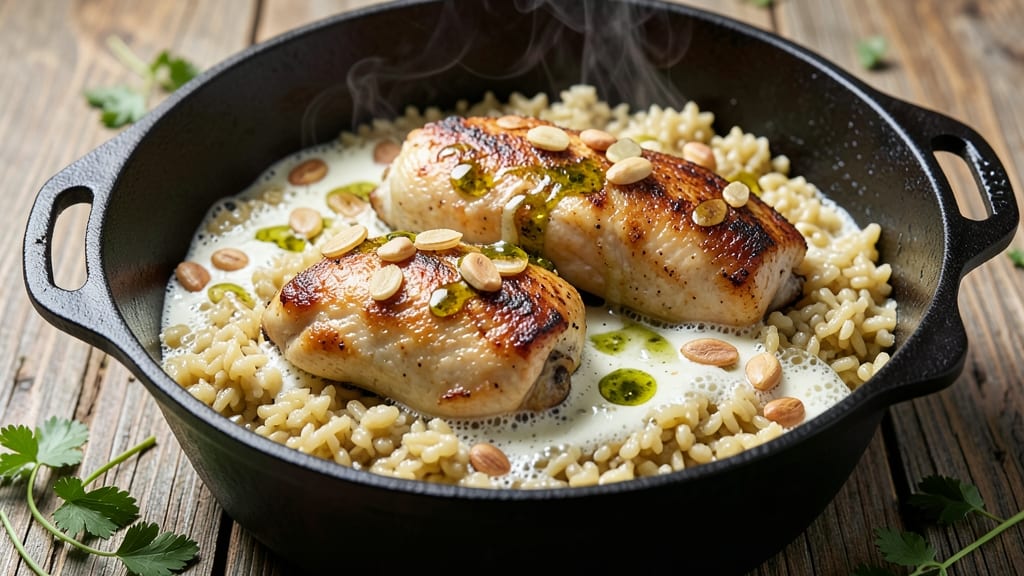
This creamy herb chicken with orzo recipe delivers restaurant-quality comfort in a single pot—just like Ina Garten would make it. The secret lies in balancing tender chicken, perfectly cooked orzo, and a velvety herb-infused sauce that comes together effortlessly.
I've perfected this dish over years of testing, ensuring every bite is rich, flavorful, and foolproof for weeknight dinners.
The beauty of this recipe is its simplicity: one pot, minimal prep, and just 30 minutes of active time. You'll start with chicken thighs (their juiciness holds up better than breasts) and orzo pasta simmering in a fragrant broth.
As the chicken cooks, it releases flavor into the liquid, which thickens into a luscious, creamy sauce that coats every strand of orzo and tender bite of meat.
What you'll end up with is a dish that's creamy yet light, herby yet comforting—each forkful delivers perfectly tender chicken, al dente orzo, and a sauce so rich it feels decadent without being heavy.
The aroma alone will have everyone gathered at your table, and the leftovers reheat beautifully for lunches the next day.
This recipe works equally well as a weeknight family meal or an elegant dinner for guests. The technique is straightforward, but the results are anything but basic—think restaurant-quality without the fuss. Let's get started on this one-pan masterpiece that's sure to become a staple in your rotation.
Ingredients for chicken in a pot with orzo ina garten
One pot, creamy sauce, and juicy chicken thighs—this recipe delivers Ina Garten's signature comfort.
| Ingredient | Amount | Notes |
|---|---|---|
| Boneless, Skinless Chicken Thighs 🍗 | 1 ½ lb | Trimmed of excess fat |
| Orzo Pasta 🍚 | 1 cup | Uncooked, standard size |
| Shallot 🧅 | 1 small | Fixed: 1 small whole |
| Extra-Virgin Olive Oil 🫒 | ⅓ cup | High quality, fruity |
| Chicken Broth 💧 | 2 cups | Low-sodium preferred |
| Heavy Cream 🥛 | ½ cup | Full-fat for creaminess |
| Fresh Lemon Juice 🍋 | 2 tbsp | Freshly squeezed |
| Fresh Thyme Leaves 🌿 | ½ cup | Stems removed, packed |
| Fresh Parsley Leaves 🌿 | ¼ cup | Chopped, for garnish |
| Garlic Cloves 🧄 | 4 cloves | Peeled, roughly chopped |
| Salt 🧂 | 1 ½ tsp | Kosher or sea salt |
| Black Pepper 🌶️ | ½ tsp | Freshly ground preferred |
| Butter 🧈 | 2 tbsp | Unsalted, cubed |
| Parmesan Cheese 🧀 | ¼ cup | Freshly grated from block |
The chicken thighs are the star—bone-in, skin-on if you can find them, but boneless works too. I grab mine from the butcher section at Whole Foods when I'm feeling fancy, but the regular supermarket package is fine for weeknights. Trim any big fat chunks, but leave some for flavor. The orzo should be the standard size (about 1/8-inch)—tiny orzo gets mushy fast. For the shallot, one small one (about 1/4 cup minced) is perfect. If you only have yellow onion, substitute half a small one—just know it'll be slightly sweeter.
No heavy cream? Half-and-half or full-fat coconut milk works in a pinch, though the texture won't be identical. Fresh thyme is ideal, but dried thyme at one-third the amount gets you close. The Parmesan needs to be real Parmigiano-Reggiano—pre-grated tastes like sawdust. For the lemon juice, bottled works if you're in a hurry, but fresh cuts through the richness better. The butter should be cold when you add it—melt it in at the end so it creates those little sauce bubbles. No butter? Extra olive oil keeps it creamy.
This reheats beautifully—just add a splash of broth or water to loosen the sauce. Keeps in the fridge for 4-5 days, freezes for 3 months. I always double the recipe because leftovers make the best lunches. Store in an airtight container with a lid slightly ajar so the flavors meld overnight. The orzo gets slightly softer when reheated, but that's actually better for leftovers—more like risotto. Garnish with extra parsley and a crack of black pepper right before serving.
Why You'll Love This Recipe
- One-Pot Magic: I swear by this for nights when I’m too tired to deal with multiple pans—just toss everything in one deep skillet with the chicken thighs, shallots, and broth, then let the orzo soak up all the flavor while it simmers. No rinsing, no straining, no stress.
- Shallot Bomb: That first sear of shallots in olive oil? It’s the secret weapon here—sweet, mellow, and just enough to make the whole dish taste like you spent hours on it. (Spoiler: You didn’t.)
- Lunchbox Hero: Between us, this is my go-to for meal prep because it reheats like a dream—no soggy orzo, no dry chicken. Pack it in jars, and you’ve got a hearty, budget-friendly lunch for days. My kids actually ask for leftovers.
- Thighs on a Budget: Chicken thighs are cheap, they’re forgiving, and they stay juicy even if you’re not a pro. Add orzo and broth, and suddenly you’ve got a filling, satisfying meal that costs less than takeout. Honestly, it’s the kind of dish that makes me feel like I’ve won at cooking.
Step-by-step instructions for chicken orzo herb masterpiece
This one-pan wonder delivers rich, creamy flavors without the fuss—just a few simple steps.
Sear the Chicken Until Golden
Heat the 0.33 cup extra-virgin olive oil in a large Dutch oven over medium-high heat until shimmering. Pat the 1.5 lb boneless, skinless chicken thighs dry with paper towels and season generously with 1.5 tsp salt and 0.5 tsp black pepper. Place the chicken in the pot and cook for 4-5 minutes per side until deeply golden brown and cooked through to an internal temperature of 165°F.
Here's the thing—don't overcrowd the pot. If your chicken thighs are large, work in batches to ensure they get that perfect crust. Once golden, remove the chicken and set it aside on a plate, leaving all that beautiful browned fond in the pot. That's flavor gold we're not wasting.
Sauté Aromatics for Deep Flavor
In the same Dutch oven, reduce heat to medium and add the 2 tbsp butter. Toss in the 1 small shallot and 4 cloves garlic cloves, chopped, cooking for 2-3 minutes until softened and fragrant. You'll smell that sweet, nutty aroma—this is where the magic starts.
Next, stir in the 0.5 cup fresh thyme leaves and cook for another 30 seconds until the thyme releases its earthy scent. Be careful not to burn it—thyme can turn bitter fast. This aromatic base will infuse the entire dish with bright, herbal notes that cut through the richness of the cream.
Build the Creamy Base
Pour in the 2 cups chicken broth and bring to a gentle simmer. Add the 1 cup orzo pasta, stirring to coat the grains in the warm liquid. Let it cook for 5 minutes, stirring occasionally, until the orzo starts to soften and absorb some of the liquid.
Here's where we get creamy: stir in the 0.5 cup heavy cream and 2 tbsp fresh lemon juice. The lemon brightens everything while the cream adds that luxurious texture. Let the mixture simmer for 3-4 minutes until slightly thickened—you want it to coat the back of a spoon but still be pourable. If it thickens too much, add a splash of broth.
Finish with Herbs and Cheese
Return the chicken to the pot, spooning some of that creamy sauce over the top. Nestle the chicken thighs back into the orzo mixture so they can soak up all those flavors. Simmer together for 5-7 minutes until the orzo is tender and the chicken is heated through.
Stir in the 0.25 cup freshly grated parmesan cheese and 0.25 cup fresh parsley leaves, reserving a few sprigs for garnish. Taste and adjust seasoning—you might need a pinch more salt or a crack of black pepper to balance the flavors. The dish should be rich but not heavy, creamy but not cloying.
Rest and Serve
Let the entire pot rest for 5 minutes off the heat. This gives the chicken time to reabsorb any juices that might have leaked out during cooking, ensuring each bite stays moist and flavorful. The orzo will continue to soften slightly, absorbing all that delicious sauce.
Serve directly from the pot, garnished with the reserved parsley. The creamy orzo will cling to the chicken thighs beautifully, and every spoonful will deliver that perfect balance of herby, lemony, and rich flavors. This dish comes together in one pot but tastes like it took all day to make—easy, creamy, and impossible to resist.
Pro Tips For Making Chicken In A Pot With Orzo Ina Garten
- Sear Shallots First: Toss finely minced shallots in a cold pan with olive oil first—let them sit for 30 seconds before turning the heat up. This prevents burning and builds flavor before the chicken even hits the pot. (Yes, even if you’re impatient like me, resist the urge to rush this.)
- Salt Chicken Generously: Pat the thighs dry, then season them with 1/2 teaspoon of salt per pound before cooking. The skinless cut needs extra help staying juicy, and salting early lets the seasoning penetrate. I learned this the hard way—underseasoned chicken ends up bland no matter how much broth you add.
- Toss Orzo at the End: Cook the orzo separately in broth until al dente, then drain and fold it into the finished chicken pot. Adding it straight to the pot risks turning it mushy—this keeps it firm and lets you control the texture. (Your future self will thank you for skipping the soggy pasta.)
- Simmer, Don’t Boil: Once the chicken and broth hit the pot, keep it at a gentle simmer—not a rolling boil. High heat turns the broth cloudy and dries out the thighs faster. A steady, low simmer (small bubbles, occasional swirls) keeps everything tender and the broth clear. I was skeptical until I tried it.
Common mistakes when making this dish
Overcrowding the Pot
Don't rush the searing step by trying to cook all the chicken at once. Overcrowding the Dutch oven causes the chicken to steam instead of sear, resulting in pale, soggy meat instead of golden, flavorful crusts.
For 1.5 lb chicken thighs, I recommend working in batches—sear half first, remove to a plate, then sear the second batch. This ensures each piece develops that beautiful Maillard reaction. 🔥
Skipping the Fond
That browned residue left in your pot after removing the chicken? That's the fond, and it's packed with flavor. Never scrape it out—it forms the aromatic base for your sauce.
Instead, reduce the heat slightly and let it bloom for 30 seconds before adding butter and aromatics. This step builds depth that's impossible to replicate otherwise.
Undercooking the Orzo
Orzo needs time to absorb liquid and soften properly. I've seen many recipes call for 8-10 minutes of simmering, but that often results in mushy pasta. The key is 5 minutes in broth alone, then another 3-4 minutes after adding cream.
Check for al dente texture by tasting—it should be tender but still have a slight bite. Overcooked orzo turns to paste, ruining the dish's texture.
Ignoring the Resting Phase
After everything comes together, resist the urge to serve immediately. Letting the dish rest for 5 minutes off the heat allows the chicken to reabsorb juices and the orzo to finish absorbing sauce.
I've seen people serve it straight from the pot and end up with dry chicken and saucy orzo—this simple step prevents that. The flavors also meld during this time, creating a more cohesive dish. ⏰
Using Pre-Grated Cheese
Pre-shredded Parmesan contains anti-caking agents that prevent it from melting smoothly. For that creamy, velvety texture in your sauce, always use freshly grated Parmigiano-Reggiano. I invest in a microplane for this purpose—it takes 30 seconds to grate 0.25 cup of perfect cheese.
The difference in texture and flavor is night and day compared to store-bought versions.
Neglecting Acid Balance
The lemon juice isn't just for flavor—it cuts through the richness of the cream and balances the dish. I've seen versions of this recipe where people skip it or use bottled lemon juice without adjusting.
For best results, use fresh lemon juice and taste as you go. If the sauce tastes too heavy, add another 1 tbsp—it makes all the difference in keeping the dish bright and refreshing. 🍋
Nutrition facts
Frequently asked questions
Can I substitute chicken thighs with chicken breasts?
Chicken breasts will work, but they require special handling to stay tender. Use 1 lb boneless breasts, pound them to an even thickness, and cook them for 3-4 minutes per side instead of 4-5. They'll dry out faster, so don't overcook. For best results, add them back to the pot only after the orzo has finished cooking to prevent toughness.
How do I make this dish ahead of time?
This recipe reheats beautifully! Cook it completely, then let it cool to room temperature. Store in an airtight container in the fridge for up to 4 days. To reheat, warm on the stovetop over low heat with a splash of broth or water to loosen the sauce. For freezing, portion into individual servings and freeze for up to 3 months. Thaw overnight in the fridge before reheating.
What if I don't have fresh thyme?
No problem! Use 1 tsp dried thyme instead, but add it with the aromatics and reduce the cooking time to 15-20 seconds to prevent bitterness. For extra depth, combine it with 1/2 tsp dried rosemary. If you're using dried herbs, they're more concentrated, so taste as you go and adjust other seasonings accordingly.
Can I make this dish without heavy cream?
For a lighter version, substitute with 1/2 cup whole milk plus 1/4 cup butter or 1/2 cup full-fat coconut milk. The texture will be slightly thinner but still creamy. If using coconut milk, add 1/2 tsp vanilla extract to balance the flavor. The dish will still be delicious—just more balanced than ultra-rich.
How do I know when the orzo is perfectly cooked?
The orzo should be tender but still have a slight bite—like al dente pasta. Test it by tasting a small piece after 5 minutes in the broth. If it's still crunchy, cook another 1-2 minutes. Overcooked orzo turns mushy and loses its shape. The key is to keep stirring occasionally to prevent sticking, and add the cream when the orzo has absorbed most of the broth but isn't fully done.