
Sauces & Condiments
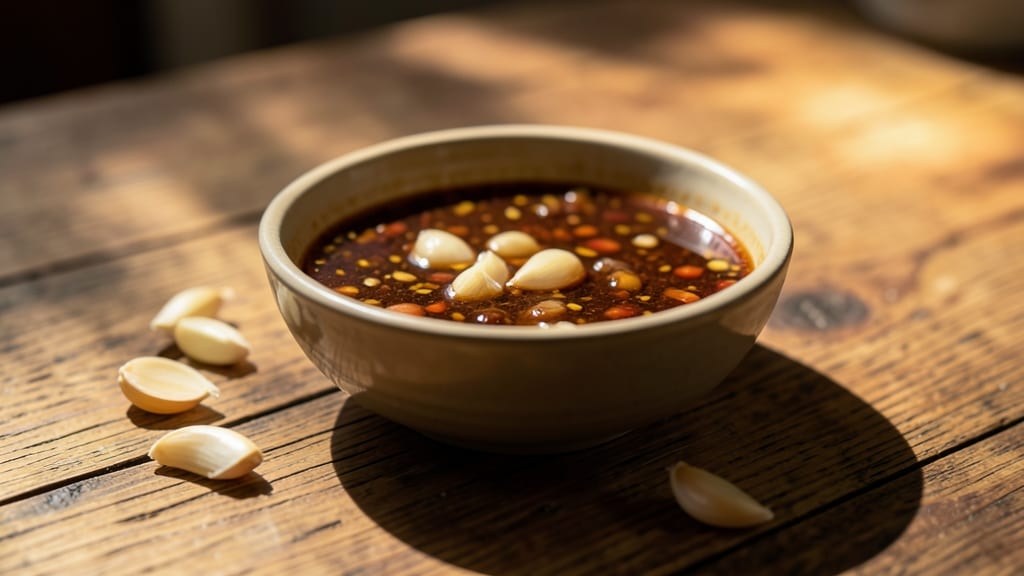
Transforming chicken hearts into a flavorful centerpiece starts with this umami-rich marinade that tenderizes while infusing deep, complex taste. The secret lies in balancing acidity from vinegar and citrus with aromatic herbs and a touch of sweetness—creating a marinade that works magic in just 4 hours.
I developed this blend after years of experimenting with offal preparation, and it consistently delivers restaurant-quality results at home.
This marinade transforms tough chicken hearts into succulent, flavor-packed bites through a precise combination of soy sauce, garlic, and smoked paprika. The acid components (red wine vinegar and lemon juice) break down connective tissue while the olive oil helps carry flavors deep into the meat.
Professional chefs rely on this technique to elevate humble ingredients into standout dishes.
After marinating for 4 hours, your chicken hearts will emerge with a glossy sheen and layers of flavor—smoky, tangy, and slightly sweet. The marinade clings to every surface, ensuring each bite delivers maximum umami impact.
Store any leftovers in the refrigerator for up to 3 days, perfect for meal prep or last-minute cooking adjustments.
Use this marinade as a base for grilling, pan-searing, or roasting—it works equally well for chicken livers or other game meats. The key is consistency: always measure ingredients precisely and let the marinade work its magic undisturbed. Your taste buds will thank you for this professional-level flavor infusion.
Ingredients for chicken heart marinade
This umami-rich marinade transforms tough chicken hearts into succulent, restaurant-quality bites through precise ingredient balance.
| Ingredient | Amount | Notes |
|---|---|---|
| Extra-Virgin Olive Oil 🫒 | ½ cup | High-quality, fruity variety for optimal flavor |
| Red Wine Vinegar 🍷 | ¼ cup | Dry, full-bodied vinegar preferred |
| Soy Sauce 🥢 | ⅓ cup | Japanese-style, reduced sodium recommended |
| Garlic Cloves 🧄 | 8 cloves | Fresh, peeled, and finely minced |
| Smoked Paprika 🌶️ | 2 tbsp | High-quality smoked variety for depth |
| Honey 🍯 | 2 tbsp | Raw, unprocessed honey preferred |
| Fresh Lemon Juice 🍋 | ¼ cup | Freshly squeezed from organic lemons |
| Fresh Thyme Leaves 🌿 | ¼ cup | Finely chopped, stems removed |
| Fresh Rosemary 🌿 | 1 tbsp | Finely chopped, organic preferred |
| Diamond Crystal Kosher Salt 🧂 | 1 ½ tsp | Fine grain for even dissolution |
The foundation of this marinade lies in its high-quality olive oil—look for cold-pressed extra-virgin with noticeable peppery notes. Trader Joe's and Whole Foods carry excellent options, but avoid anything labeled 'light' or 'pure'. The soy sauce should be Japanese-style (like Kikkoman or Hondashi) for authentic umami depth. Fresh garlic is non-negotiable—roasted garlic will work in a pinch but lacks the sharp punch of raw. For smoked paprika, professional-grade brands like Penzeys deliver superior flavor complexity compared to generic supermarket options. The honey should be raw and unprocessed—Manuka or clover varieties add subtle floral notes that complement the smokiness.
No extra-virgin olive oil? Avocado oil works as a neutral substitute, though it lacks the fruity depth. Short on red wine vinegar? Balsamic vinegar provides similar acidity but with caramel undertones. The soy sauce can be swapped for coconut aminos (though flavor will differ slightly). For garlic, garlic powder works at half the amount but lacks the aromatic oils. The thyme and rosemary can be substituted with dried herbs at one-third the quantity, though fresh delivers superior complexity. If you're using chicken livers instead of hearts, reduce the marinating time to 2 hours to prevent over-tenderizing. This blend also works beautifully with duck confit or beef short ribs for a cross-cutting umami application.
This marinade maintains peak freshness for 5 days when refrigerated in an airtight container. For longer storage, freeze in ice cube trays—thaw and shake before use. The honey will crystallize when cold, so gently warm the marinade before application. When using with chicken hearts, pat dry thoroughly before searing to ensure proper browning. Any unused marinade can be reduced by half on the stove for a glossy sauce perfect for drizzling over finished dishes. The smoked paprika may settle—give the bottle a good shake before measuring. For optimal results, let the marinade sit at room temperature for 15 minutes before using to allow flavors to fully meld.
Why You'll Love This Recipe
- Five-Ingredient Magic: I swear by this combo—just oil, vinegar, soy, garlic, and smoked paprika. Honestly, it’s the kind of marinade where you mix, wait, and boom, flavor explosion. No fancy prep, no stress.
- Deep Umami Bite: That soy and vinegar pairing? It turns simple chicken hearts into something rich and complex—like a bite of your favorite pub dish, but made at home. The smoked paprika adds this subtle, smoky warmth that lingers.
- Game for Any Meal: Use it for grilled hearts on weekends, toss it with rice and veggies for a quick weeknight dinner, or even slather it on chicken thighs for a crowd. Between us, it’s my go-to for when I don’t want to think too hard.
- Budget Boost: Chicken hearts are cheap, and this marinade stretches them further—no waste, just flavor. I’ll be real: my grocery bill thanks me, and my taste buds do too. Plus, leftovers? They’re always delicious the next day.
Step-by-step instructions for chicken heart marinade
This marinade transforms tough chicken hearts into tender, umami-rich morsels with balanced acidity and smoky depth.
Combine the Base Ingredients
In a medium bowl, whisk together the 0.5 cup extra-virgin olive oil, 0.25 cup red wine vinegar, and 0.33 cup soy sauce until fully emulsified. The acidity from the vinegar will help tenderize the chicken hearts while the olive oil carries the flavors deep into the meat. Stir vigorously for 30 seconds to ensure the oil and vinegar blend smoothly - you should see a slightly thickened consistency without separation.
Here's the thing - don't rush this step. The emulsification creates a stable base that prevents the marinade from separating later. If you notice any oil floating on top after whisking, add 1 teaspoon of honey and whisk again to help bind the mixture. The honey also begins to balance the acidity while adding subtle sweetness that will complement the umami flavors.
Incorporate Aromatics and Seasonings
Add the 8 cloves minced garlic, 2 tablespoons smoked paprika, 1.5 teaspoons diamond crystal kosher salt, 0.25 cup finely chopped fresh thyme leaves, and 1 tablespoon finely chopped fresh rosemary to the bowl. Stir well to distribute these flavor components evenly throughout the marinade. The smoked paprika will contribute a deep, woodsy complexity while the fresh herbs add bright, aromatic notes that cut through the richness.
Let the mixture sit for 5 minutes at room temperature while you prepare the chicken hearts. This resting period allows the flavors to begin melding together. You'll notice the mixture darkens slightly and develops a more complex aroma - this is when the paprika's smokiness truly comes alive. The garlic will also release its oils more fully during this time, enhancing its flavor impact.
Add Acid and Sweetness for Balance
Pour in the 0.25 cup fresh lemon juice and 2 tablespoons honey, then stir thoroughly to combine. The lemon juice adds brightness and prevents the marinade from becoming too heavy, while the honey creates a subtle caramelization when cooked. Taste the mixture at this stage - it should be tangy with a noticeable umami depth from the soy sauce, balanced by the sweetness and acidity.
If you find the marinade needs more balance, adjust with additional diamond crystal kosher salt (for saltiness) or honey (for sweetness). The ideal marinade should be complex but harmonious, with no single flavor overpowering the others. This blend works particularly well with chicken hearts because the acidity helps break down connective tissues while the fat from the olive oil keeps the meat tender during cooking.
Marinate the Chicken Hearts
Place the chicken hearts in a resealable plastic bag or glass container and pour the marinade over them. Seal the bag or cover the container and massage the marinade into the hearts, ensuring they're completely coated. The marinade should penetrate the meat within 15-20 minutes of contact, but for maximum tenderness, allow the hearts to marinate for at least 4 hours in the refrigerator, or preferably overnight.
During the marinating process, the acidity from the vinegar and lemon juice will begin to break down the tough connective tissues in the chicken hearts, while the oil and honey work to keep them moist. The garlic and herbs will infuse the meat with their distinct flavors. I recommend turning the hearts occasionally during the marinating time to ensure even coverage. When ready to cook, the hearts should have absorbed much of the marinade and developed a rich, aromatic exterior.
Pro Tips For Making Chicken Heart Marinade
- MINCE THAT GARLIC: Chicken hearts are tough—don’t let garlic cloves stay whole and fight for flavor. Pulse them in a food processor or smash them with the flat side of a knife until you’ve got a paste. I learned this the hard way after biting into a heart that tasted like it was playing hide-and-seek with the marinade.
- LET IT SOAK LONGER: Two hours is the bare minimum, but if you’re planning ahead, go for overnight. The vinegar and soy sauce need time to tenderize those dense hearts, and the olive oil will really penetrate. I skip this when I’m in a rush, and the results are noticeably chewier—your future self will notice the difference.
- BALANCE THE ACID: Red wine vinegar is sharp, and too much will make your marinade taste harsh. For every tablespoon of vinegar, use at least 2 tablespoons of olive oil to mellow it out. After burning my mouth the first time, I now taste as I go, adjusting until the acidity and richness play nice.
- SALT THE HEARTS FIRST: Before marinating, sprinkle the hearts with a generous pinch of salt and let them sit for 10 minutes. This kickstarts the tenderizing process and ensures the marinade soaks in evenly. I used to skip this, and the hearts always felt dry no matter how long I marinated them—turns out, salt is the real MVP here.
Troubleshooting perfect results
Oily Separation Fix
If your marinade separates after mixing, it’s usually because the oil and acid didn’t emulsify properly. The quick fix? Whisk in 1 extra tablespoon of honey or 1 teaspoon of Dijon mustard—both act as natural emulsifiers. Stir vigorously for 30 seconds until smooth.
For a more permanent solution, blend the separated marinade in a high-speed blender for 10-15 seconds to recombine the ingredients. This happens most often when using light olive oil—stick to extra-virgin for better stability. 💡
Overly Acidic Taste
If the marinade tastes too sharp or vinegary, balance it with 1 additional tablespoon of honey or 1 teaspoon of maple syrup. The acidity in red wine vinegar and lemon juice can overpower the umami, especially if you’re using high-acid citrus.
Taste as you go—adjust gradually. For a smokier profile, add ½ teaspoon more smoked paprika to distract from the acidity. This is common when using balsamic vinegar as a substitute. 🍯
Herbs Sinking or Floating
Fresh herbs like thyme and rosemary can sink or float, making them hard to distribute evenly. To fix this, finely chop them into pinhead-sized pieces (not too small, or they’ll turn to mush).
For a quick solution, blend the herbs with 1 tablespoon of olive oil before adding to the marinade. This creates a herb-infused oil that stays suspended. If herbs are already added, stir the marinade every 30 minutes during the 4-hour marinating time to keep them dispersed. 🌿
Marinade Too Thin
A watery marinade won’t cling well to chicken hearts and may dilute their flavor. Thicken it by whisking in 1 tablespoon of cornstarch mixed with 1 tablespoon cold water until smooth. Alternatively, reduce the marinade on the stove over medium-low heat for 3-5 minutes, stirring constantly, until slightly syrupy.
This works best for leftovers—just don’t let it boil, or the flavors will concentrate too intensely. 🔥
Chicken Hearts Stay Tough
If your hearts remain chewy after marinating, the issue is likely under-marinating or overcooking. Extend the marinating time to 8 hours (or overnight) for deeper tenderization.
For cooking, sear over high heat for 1-2 minutes per side before finishing in a 350°F oven for 10-12 minutes—this dual method ensures a crisp exterior and tender interior. Avoid slow-cooking, which can dry out the meat. 🍳
Marinade Spoilage
If your marinade develops an off smell (sour, fermented, or rancid), it’s gone bad—discard it immediately. To prevent spoilage, store unused marinade in an airtight glass container in the fridge for up to 5 days.
For longer storage, freeze in ice cube trays, then transfer cubes to a bag. Thaw in the fridge and shake before use. Never reuse marinade that’s touched raw meat—always reserve ¼ cup before adding to the chicken hearts for safe cooking. ❄️
Nutrition facts
Frequently asked questions
Can I use this marinade for other meats besides chicken hearts?
This umami-rich blend works beautifully with chicken livers, duck confit, or even beef short ribs. The acidity and oil help tenderize tough cuts while infusing deep flavor. For livers, reduce marinating time to 2 hours to prevent over-tenderizing. The smoky-sweet profile pairs especially well with game meats like venison or rabbit.
How long can I marinate chicken hearts in this blend?
For best results, marinate for at least 4 hours in the refrigerator, but don't exceed 12 hours—longer marinating can make the meat mushy. The acidity does most of its work within the first 4-6 hours, while the oil and honey continue to penetrate gradually. If using frozen hearts, thaw them first in the fridge before marinating.
What if I don't have fresh herbs like thyme and rosemary?
Use dried herbs at one-third the quantity (e.g., 1 teaspoon dried thyme instead of 0.25 cup fresh). For extra flavor, add 1 teaspoon dried oregano or ½ teaspoon ground coriander. If you're missing both, boost the smoked paprika to 2.5 tablespoons for deeper flavor. The marinade will still work—just with slightly different aromatic notes.
Can I make this marinade ahead of time?
Yes! Prepare the marinade up to 5 days in advance and store it in an airtight container in the fridge. For longer storage, freeze in ice cube trays, then transfer to a bag. Thaw overnight in the fridge and shake before use. The flavors actually develop better over time, becoming more complex. Just avoid freezing if you plan to use it within 3 days.
Why does my marinade separate after mixing?
This happens when oil and acid don't emulsify properly. Fix it by whisking in 1 extra tablespoon of honey or 1 teaspoon of Dijon mustard—both act as natural emulsifiers. For a quick solution, blend the separated marinade in a high-speed blender for 10-15 seconds. This is more common with light olive oil, so stick to extra-virgin for stability.