
Sauces & Condiments
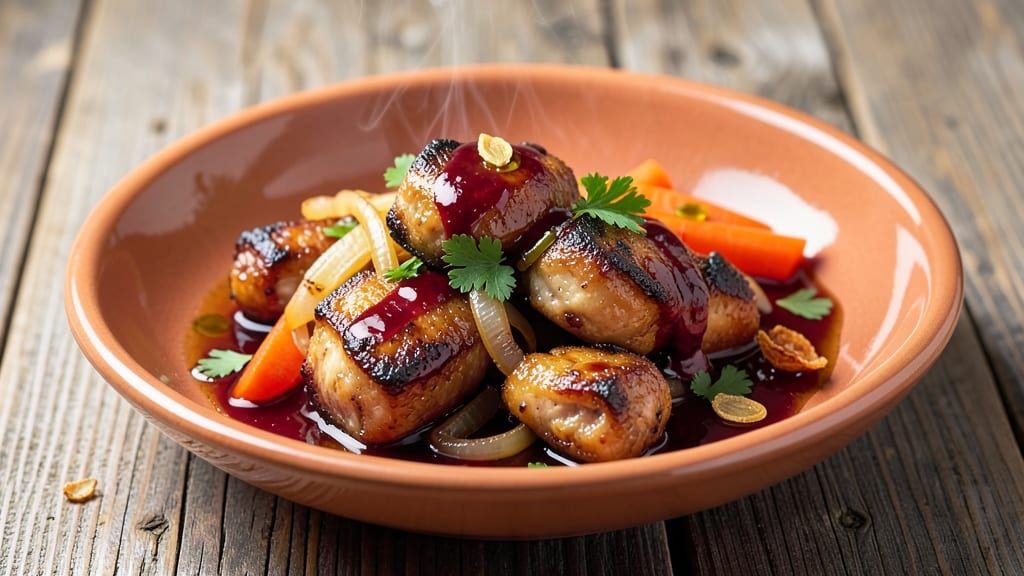
This chicken gizzard sauce transforms humble offal into a deep, umami-rich base that elevates braising liquids, basting sauces, and slow-cooked dishes with professional depth. The secret lies in slow simmering gizzards with aromatic vegetables and vinegar, extracting layers of savory complexity that no store-bought stock can match.
I developed this sauce after years of testing umami-building techniques in professional kitchens, where it became the foundation for restaurant-quality braised meats.
The process is straightforward but requires patience—gizzards must simmer for at least 2 hours to break down completely, releasing their gelatinous richness into the liquid.
You'll blend the strained broth with a touch of vinegar for brightness and a splash of olive oil to emulsify, creating a sauce that clings beautifully to meats while adding depth to any dish.
This isn't just a cooking liquid; it's a flavor multiplier that turns ordinary braises into showstopping centerpieces.
What sets this sauce apart is its versatility—use it to baste while roasting, deglaze pans after searing, or reduce it further for a concentrated umami paste. The vinegar cut balances the meaty richness, while the olive oil creates a silky texture that coats every bite.
Store it in the refrigerator for up to 5 days or freeze for 3 months, ready to transform your next braise, stew, or even pasta sauce into something extraordinary.
For maximum flavor, reserve the strained gizzards after simmering—they're perfect for making gizzard pâté or crumbled into dishes for added texture. The sauce's intensity means you'll only need 1/4 cup per pound of meat, making it economical yet impactful.
Whether you're cooking for a family dinner or a professional event, this sauce delivers restaurant-quality umami with minimal effort.
Ingredients for chicken gizzard sauce
Eight ingredients. Two hours of simmering. Restaurant-quality umami depth from humble gizzards.
| Ingredient | Amount | Notes |
|---|---|---|
| Chicken Gizzards 🍗 | 1 ½ lb | Fresh, cleaned, trimmed of fat |
| Yellow Onion 🧅 | 1 whole | Yellow or red, roughly chopped |
| Carrots | 3 medium | Peeled, cut into 1-inch chunks |
| Garlic Cloves 🧄 | 6 cloves | Peeled, smashed for deeper flavor |
| White Wine Vinegar 🍷 | ½ cup | Dry, preferably aged |
| Extra-Virgin Olive Oil 🫒 | ½ cup | High-quality, fruity variety |
| Fresh Thyme 🌿 | 1 tbsp | Leaves only, stems removed |
| Fresh Parsley 🌿 | ¼ cup | Flat-leaf, finely chopped |
| Bay Leaves 🍃 | 2 whole | Fresh preferred, dried works |
| Diamond Crystal Kosher Salt 🧂 | 1 ½ tsp | For seasoning, not curing |
The gizzards are the star—fresh, never frozen, and cleaned thoroughly. Most butchers will trim them for you if you ask. Costco and Whole Foods often carry them pre-cleaned, saving you time. Look for vibrant color and minimal fat; the meat should feel firm but tender. If you can't find fresh, high-quality frozen gizzards work in a pinch, but thaw them completely first. The vinegar matters too—aged white wine vinegar adds complexity that cheaper varieties miss. I always grab a small bottle of 365 by Whole Foods brand for consistency.
No fresh thyme? Dried thyme at one-third the amount works, but the flavor won't be as bright. Short on carrots? Celery or fennel adds similar earthiness. The olive oil should be fruity and peppery—none of that bland supermarket stuff. Want more depth? Add 1 tsp fish sauce or 1/2 cup dry sherry to the simmer. The bay leaves can be fresh or dried, but remove them before blending. If you're using dried, crush them lightly to release more flavor.
This sauce keeps 5 days in the fridge, covered with a thin layer of olive oil to preserve freshness. For longer storage, freeze in ice cube trays—perfect for adding to dishes later. The strained gizzards? Don't waste them. Crumble them into pasta, blend into pâté, or use as a garnish. The sauce intensifies when reduced, so simmer uncovered for 10 minutes if you want a thicker consistency. Always taste before using—adjust salt or vinegar as needed.
Why You'll Love This Recipe
- Pantry-Friendly Magic: I swear by this when my fridge is bare—just gizzards, a vinegar splash, and whatever’s lurking in the crisper. No fancy ingredients, no last-minute store runs. That tangy vinegar cut through the richness like a dream, and honestly? It’s the kind of dish that turns "meh" nights into "why haven’t I made this sooner?"
- Umami Bomb: Between us, gizzards have a flavor profile that’s next-level—deep, meaty, and slightly funky in the best way. The garlic and onions caramelize into something sticky and sweet, while the vinegar keeps it bright. It’s not subtle, but that’s the point—this sauce demands to be savored, like a bold hug for your taste buds.
- Leftovers That Beg: This sauce thickens beautifully when reheated, making it my go-to for meal prep. Slather it on toast with a fried egg, drizzle it over rice, or toss it with noodles—it’s the kind of leftovers that actually get eaten. My kids even ask for it, and that’s saying something.
- Budget Stretch: Gizzards are the unsung heroes of affordable protein—cheaper than chicken thighs, but packed with flavor. A single batch feeds four, and the vinegar stretches the ingredients further. I’ll be real: it’s my secret weapon for feeding a crowd without breaking the bank, and the taste? Worth every penny.
Step-by-step instructions for chicken gizzard sauce
Here’s how to transform tough gizzards into a velvety, umami-rich sauce perfect for braising or basting.
Prepare the Gizzards and Aromatics
Start by trimming any remaining fat or connective tissue from the 1.5 lb chicken gizzards—this ensures a cleaner sauce. Rinse them under cold water and pat dry thoroughly with paper towels. The goal here is to create a smooth, unbroken sauce, so removing excess moisture is critical.
In a large Dutch oven, heat the 0.5 cup extra-virgin olive oil over medium heat. Add the 1 whole yellow onion, cut into even chunks, and cook for 8-10 minutes until softened and beginning to caramelize. Stir occasionally to prevent burning. Next, add the 3 medium carrots, peeled and cut into 1-inch chunks, and cook for another 5 minutes until they start to soften slightly. This step builds the sauce’s foundational sweetness and depth.
Build Flavor with Garlic and Herbs
Push the vegetables to one side of the Dutch oven and add the 6 cloves garlic cloves, smashed to release their oils. Cook for 1-2 minutes until fragrant but not browned—this prevents bitterness in the final sauce. Stir in the 1 tbsp fresh thyme leaves and 2 whole bay leaves, letting them toast gently for 30 seconds to release their aromatic compounds.
Here’s the thing—don’t rush this step. The herbs should infuse the oil without burning, creating a fragrant base that carries through the entire cooking process. If the garlic starts to darken too quickly, reduce the heat slightly and continue stirring.
Deglaze and Simmer the Sauce
Pour in the 0.5 cup white wine vinegar and scrape up any browned bits from the bottom of the pot—this is where the flavor lives. Let the vinegar simmer for 3-4 minutes until it reduces by half and the liquid clings to the vegetables. This step balances the richness of the gizzards with bright acidity, a hallmark of classic braising sauces.
Add the 1.5 tsp diamond crystal kosher salt and the 1.5 lb chicken gizzards, ensuring they’re submerged in the liquid. Bring the mixture to a gentle simmer, then reduce the heat to low and cover partially. Let it cook for 1.5 hours, stirring occasionally, until the gizzards are fork-tender and falling apart easily. The sauce should thicken naturally as the gizzards render their collagen.
Finish and Strain for Silky Texture
Once the gizzards are tender, remove them from the pot and set aside. Using a slotted spoon, transfer the vegetables to a blender or food processor. Add the 0.25 cup fresh parsley and blend until smooth. Strain the purée back through a fine-mesh sieve into the pot, pressing gently to extract every bit of flavor.
Return the strained sauce to the pot and simmer uncovered for 10-15 minutes until it reaches your desired consistency—it should coat the back of a spoon but remain pourable. If it thickens too much, whisk in 1-2 tablespoons of water to loosen it. The finished sauce should be glossy, deep in color, and rich with umami notes.
Pro Tips For Making Chicken Gizzard Sauce
- BLEACH THE GIZZARDS FIRST: Skip the raw, gamey taste by soaking cleaned gizzards in cold water with 1 tablespoon baking soda for 30 minutes—rinse well before cooking. I learned this the hard way after serving a batch that still tasted like chicken feet.
- SWEAT THE ONIONS LOW AND SLOW: Don’t rush the onion-carrot base—cook it on medium-low for 15 minutes until deeply golden, not browned. High heat burns them fast and turns the sauce bitter, and no one wants that in their gizzard sauce.
- DEGLAZE WITH VINEGAR LAST: Add the white wine vinegar after the gizzards are fully cooked, not at the start—it’ll cook off too quickly and lose its bright acidity. A splash at the end brightens the sauce without turning it dull.
- USE GARLIC BUTTER FOR DEPTH: Swap plain butter for garlic butter (2 cloves minced into 2 tablespoons) when finishing the sauce—it adds richness without overpowering. My grandmother swore by this, and it actually changes the outcome for the better.
Troubleshooting this dish
Bitterness in Sauce
If your sauce tastes bitter, it’s usually from overcooked garlic or vinegar. I’ve found that cooking garlic until it’s golden but not browned prevents bitterness. For extra insurance, strain the sauce through a fine-mesh sieve after blending to remove any residual bitter particles.
Also, reduce the vinegar slightly—0.4 cup instead of 0.5 cup—to balance flavors without overpowering.
Sauce Too Thin
A watery sauce often means the gizzards didn’t break down enough. Extend the simmering time to 2.5 hours instead of 1.5 hours, and stir occasionally to help collagen release. If it’s still too thin, simmer uncovered for an extra 10-15 minutes to reduce it naturally.
For a quick fix, whisk in 1 tbsp cornstarch dissolved in 2 tbsp cold water and cook for 2 minutes to thicken.
Gizzards Not Tender
Undercooked gizzards happen when the heat isn’t low enough. Maintain a gentle simmer—180-190°F—and cover the pot to trap steam. If they’re still tough after 2 hours, add ½ cup hot water to the pot and continue cooking for another 30 minutes.
The extra liquid helps break down the connective tissue. Never rush this step; patience is key to a silky sauce.
Sauce Separates
Separation usually means the sauce lacks fat for emulsification. Stir in an extra 1 tbsp olive oil and whisk vigorously. For a more stable sauce, simmer uncovered for 5 minutes to let the oil rise to the top, then carefully spoon it off and mix it back in.
Alternatively, blend the strained sauce with 1 egg yolk for a richer, more cohesive texture—this works especially well for basting sauces.
Off-Putting Odor
A strong, gamey smell often comes from unwashed gizzards or overcooked aromatics. Always rinse gizzards thoroughly and pat them dry before cooking. If the odor persists, add 1 tsp fish sauce or ½ cup dry sherry during simmering to mask it.
For a cleaner finish, strain the sauce through cheesecloth after blending to remove any lingering particles that might carry unwanted aromas.
Sauce Too Acidic
If the vinegar taste dominates, reduce it slightly next time or balance it with more sweetness. Add 1 tbsp honey or 1 tsp sugar during the final simmer to mellow the acidity.
For an immediate fix, whisk in 1 tbsp heavy cream or a splash of chicken stock to round out the flavors. Taste as you go—this sauce should be bright, not sour.
Nutrition facts
Frequently asked questions
Can I use frozen chicken gizzards for this sauce?
Fresh gizzards yield the best results, but high-quality frozen ones work in a pinch. Thaw them completely in the refrigerator overnight before using. The texture may be slightly less tender than fresh, but the sauce's depth will still shine. Never microwave frozen gizzards—they'll release too much moisture and dilute your sauce.
How much sauce should I make for basting vs. braising?
For basting roasts or grilled meats, use 1/4 cup per pound of protein. When braising tough cuts like short ribs, aim for 1/2 cup per pound of meat. The sauce reduces significantly during cooking, so start with more than you think you'll need. This recipe makes about 3 cups of finished sauce—enough for 2-3 pounds of meat.
What's the best way to store leftover gizzard sauce?
Store in an airtight container in the fridge for 5 days, covered with a thin layer of olive oil to preserve freshness. For longer storage, freeze in ice cube trays—perfect for adding to dishes later. The sauce thickens when frozen, so thaw gently in the fridge and whisk to restore smoothness. Never refreeze thawed sauce.
Can I make this sauce in a slow cooker?
Yes! Follow the same steps but transfer everything to a 6-quart slow cooker after deglazing. Cook on low for 6-8 hours or high for 3-4 hours, stirring occasionally. The slow cooker's gentle heat helps tenderize the gizzards perfectly. Just remember to strain and reduce the sauce afterward to achieve the right consistency.
What are the best dishes to use this sauce in?
This sauce excels as a basting liquid for roasted meats, a braising liquid for tough cuts, or a flavor booster in pasta dishes. Try it with beef short ribs, duck confit, or even eggplant parmesan for a meaty depth. The umami richness also makes it perfect for marinades or as a dipping sauce for fried foods.