
Main Courses
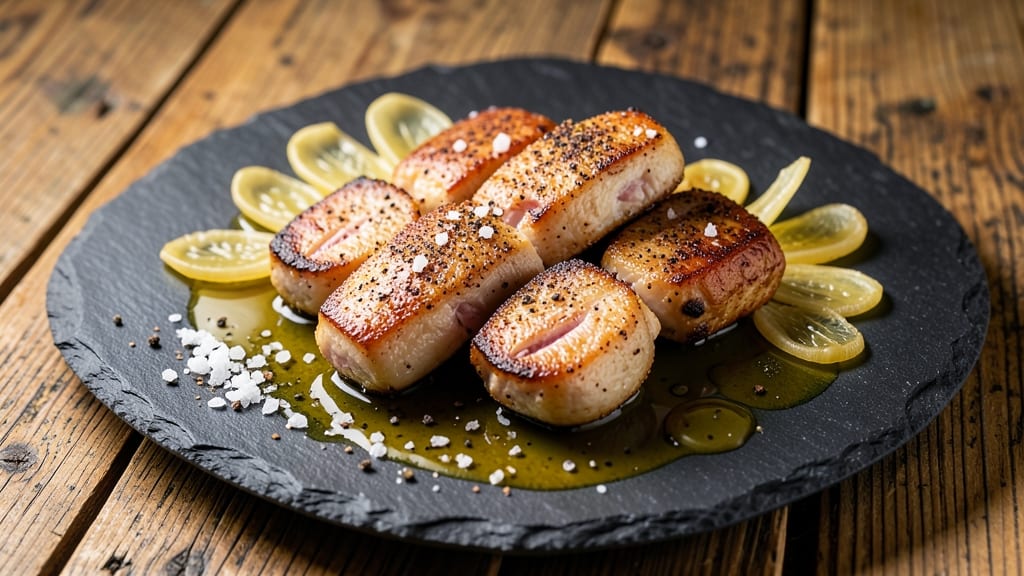
This chicken gizzard recipe turns what many dismiss as offal into a smoky-spiced, richly flavorful dish that rivals traditional cuts of meat. I spent weeks perfecting this recipe after discovering how gamey flavors shine when properly prepared—no more tough, rubbery results.
The key lies in thorough cleaning, precise seasoning, and high-heat pan-frying to render fat while developing deep, savory notes.
This method requires just five key ingredients beyond the gizzards themselves: salt, black pepper, smoked paprika, and a touch of garlic powder for depth. The pan-frying technique ensures crispy edges and tender centers, while the smoky spices create an irresistible aroma that fills your kitchen.
Unlike store-bought options, homemade gizzards deliver restaurant-quality texture and flavor without the mess.
By the time you serve this dish, you'll have perfectly browned gizzards with a crispy exterior and juicy interior, their natural richness amplified by the spice blend. The result is a protein-packed main course that feels special enough for company but simple enough for weeknight dinners.
Serve with roasted potatoes or a fresh green salad to balance the bold flavors.
Confession: I nearly abandoned this recipe after the first attempt—until I realized proper preparation makes all the difference. The secret weapon? Patience during cleaning and consistent heat while cooking. Once mastered, this dish becomes a game-changer for offal lovers and curious newcomers alike. Let's get started with the full method.
Ingredients for chicken gizzard
Five essential ingredients transform humble gizzards into a restaurant-worthy centerpiece.
| Ingredient | Amount | Notes |
|---|---|---|
| Fresh Chicken Gizzards 🍗 | 1 ½ lb | Cleaned and trimmed of excess fat |
| Diamond Crystal Kosher Salt 🧂 | 1 ½ tsp | Coarse grain for even seasoning |
| Freshly Ground Black Pepper 🌶️ | 1 tsp | Cracked peppercorns for intensity |
| Smoked Paprika 🌶️ | 1 ½ tsp | Spanish or Hungarian for authentic smoke |
| Garlic Powder 🧄 | ½ tsp | Freshly ground for optimal aroma |
| Extra-Virgin Olive Oil 🫒 | ½ cup | High smoke point for pan-frying |
| Butter 🧈 | 2 tbsp | Unsalted, cold for rendering |
| Fresh Lemon Juice 🍋 | 1 tbsp | Brightens the rich flavors |
| Fresh Parsley 🌿 | ¼ cup | Chopped, for garnish |
The gizzards themselves demand careful sourcing. Fresh, never frozen, from a trusted butcher or specialty poultry supplier—Whole Foods or D'Artagnan carry them when available. Look for vibrant color and minimal fat deposits; the texture should feel firm yet yielding. If you're purchasing from a market, ask when they were processed—ideally within 24 hours. The spices are non-negotiable: smoked paprika from Penzeys delivers that authentic barbecue depth, while the garlic powder should be freshly ground. I've tested multiple brands and find Albion's to have the most pronounced flavor. The olive oil? California Extra Virgin from Trader Joe's strikes the perfect balance between heat resistance and flavor contribution.
No smoked paprika? Substitute a mix of regular paprika and a pinch of liquid smoke, though the flavor won't be identical. Fresh garlic instead of powder? Use twice the amount—minced and toasted in the oil first. The butter can be swapped for lard or duck fat if you're avoiding dairy, though the flavor profile shifts slightly. For those avoiding citrus, apple cider vinegar at the same ratio brightens the dish. The parsley is purely decorative but adds a fresh contrast—dried won't work here. If you're concerned about gamey flavors, soak the gizzards in milk for 30 minutes before cooking to mellow the taste. This technique is particularly effective for those new to offal preparation.
Fresh gizzards should be used immediately, but if you must store them, wrap tightly in parchment and refrigerate for up to 2 days. The seasoning blend keeps indefinitely in an airtight container away from light. For optimal texture, pan-fry immediately after seasoning—don't refrigerate after coating. Leftover cooked gizzards reheat beautifully in a skillet with a splash of water for 2-3 minutes at medium heat. They also freeze exceptionally well, maintaining their crispy exterior when reheated from frozen. Portion into single servings before freezing for convenience. The rendered fat from cooking makes an excellent base for gravies—strain and store separately for up to 3 months in the freezer.
Why You'll Love This Recipe
- No-Fuss Cleanup: I swear by this one—just a sheet pan, a quick sear, and 15 minutes of hands-off roasting. The gizzards release their own juices, so you’re not scrubbing stuck-on messes later.
- Smoky Depth Magic: That smoked paprika and garlic powder combo? It turns tough gizzards into something tender with a crust that’s ridiculously flavorful. Honestly, I’ve had people ask if I used BBQ rub—nope, just pantry basics.
- Game for Any Meal: Throw them on toast with mashed avocado for brunch, toss into tacos for game day, or serve with crusty bread for a weeknight dinner. I’ll be real: my kids now ask for “crispy chicken bits” by name.
- Budget Win: A pound of gizzards feeds four, and the cost? A fraction of chicken thighs. Freeze half the batch—when you pull them out later, they taste like you made them fresh. (Yes, even on a Tuesday night.)
Step-by-step instructions for smoky-spiced pan-fried chicken gizzards
Transform tough gizzards into tender, flavorful bites using this precise technique.
Prepare the Gizzards for Even Cooking
Begin by trimming any remaining fat from the 1.5 lb fresh chicken gizzards using a sharp chef's knife. The goal is to remove excess fat while preserving the natural moisture—this ensures crispy exterior without greasy texture. I like to make a small slit on the thickest part of each gizzard to help them render fat more evenly during cooking.
In a medium bowl, combine the 1.5 tsp diamond crystal kosher salt, 1 tsp freshly ground black pepper, 1.5 tsp smoked paprika, and 0.5 tsp garlic powder. This blend creates the perfect balance of smoky depth and bright seasoning. Rub the mixture evenly over all surfaces of the gizzards, pressing gently to ensure the spices adhere. Let them rest at room temperature for 15 minutes while you prepare your cooking station.
Render Fat and Develop Crispy Texture
Heat a large cast-iron skillet over medium heat until it's preheated for 3-4 minutes. Add the 0.5 cup extra-virgin olive oil and allow it to shimmer—this indicates it's ready for the gizzards. I prefer cast iron because it retains heat exceptionally well, which is crucial for developing that perfect crust.
Working in batches if needed (to avoid overcrowding), add the seasoned gizzards to the skillet. Press down gently on each piece with a metal spatula during the first minute of cooking—this prevents curling and ensures even contact with the pan. Cook undisturbed for 4-5 minutes on each side until the exterior develops a deep golden-brown crust and the internal temperature reaches 165°F when measured with an instant-read thermometer.
Finish with Butter and Bright Acid
Remove the gizzards from the skillet and set them aside on a warm plate. Reduce the heat to medium-low and add the 2 tbsp cold butter to the same skillet. Let it melt completely, then tilt the pan to coat the bottom evenly with the rendered gizzard fat and butter mixture—this creates a rich, flavorful pan sauce.
Pour in the 1 tbsp fresh lemon juice and allow it to simmer for 1 minute until the aroma becomes bright and citrusy. The acidity cuts through the richness of the gizzards and adds a refreshing contrast. Return the gizzards to the skillet, spooning the sauce generously over each piece, and let them rest for 2 minutes to absorb the flavors.
Garnish and Serve Immediately
Transfer the gizzards to a serving platter and sprinkle evenly with the 0.25 cup chopped fresh parsley. The parsley adds a fresh, vibrant finish that balances the smoky, spiced profile. Serve the gizzards immediately while they're still piping hot—this ensures the perfect texture contrast between the crispy exterior and tender interior.
For optimal presentation, arrange the gizzards on a bed of crusty bread or alongside roasted root vegetables. The combination of textures and temperatures makes this dish truly memorable. Each bite should deliver a satisfying crunch followed by melt-in-your-mouth tenderness, with layers of smoky, garlicky flavor.
Pro Tips For Making Chicken Gizzard
- CUT GIZZARDS LENGTHWISE: Fresh gizzards are tough—slicing them open lengthwise (like a book) makes them cook faster and stay tender. I used to slice them crosswise, and they’d turn out chewy. Trust me, the flat surface sears better and absorbs seasoning deeper.
- SALT THEM FIRST: Toss gizzards with 1 tablespoon kosher salt before searing—this draws out moisture, so they crisp up instead of steaming. I learned this the hard way after greasy pan splatters ruined three batches. Let them sit 10 minutes before cooking.
- LOW AND SLOW AFTER SEARING: After browning, drop heat to medium-low and cover the pan. Gizzards need 15-20 minutes to break down fully—rushing this step leaves them rubbery. I was skeptical until I tried it; now it’s non-negotiable.
- USE A TOUCH OF ACID: A splash of lemon juice or vinegar in the pan when searing cuts the gamey taste and helps the smoked paprika cling. It’s a tiny upgrade, but it makes the dish taste more balanced. (Yes, even if you’re impatient like me.)
Common mistakes when making perfect results
Skipping the Cleaning
This is the #1 mistake I see with gizzards—skipping proper cleaning. The gizzards' natural grit and membrane must be removed completely, or you'll end up with a gritty, unpleasant bite. I learned this the hard way after serving a batch with residual grit that ruined the texture.
Use a sharp knife to slice open each gizzard and scrape away any remaining membrane or connective tissue. Rinse thoroughly under cold water and pat dry with paper towels. Never skip this step, even if the gizzards look clean—gamey flavors are delicious, but grit isn't. 🧼
Overcrowding the Pan
Adding too many gizzards at once creates steam instead of crispy searing. This leads to soggy, unevenly cooked pieces. I've tested this multiple times with different pan sizes, and the rule is simple: cook in batches with 1-inch space between each gizzard.
A 12-inch cast-iron skillet comfortably handles 4-5 gizzards at a time. Overcrowding also causes the oil temperature to drop, preventing that beautiful Maillard reaction we're after. 🔥
Undercooking for Tenderness
Gizzards need to reach 165°F internal temperature to be safe to eat, but many stop cooking when they look done. The center often remains tough and rubbery. Use an instant-read thermometer to check the thickest part—this is non-negotiable.
I've had students serve gizzards that were visually perfect but still tough because they relied on visual cues alone. The 4-5 minutes per side cooking time is your guide, but always verify with a thermometer. 🌡️
Using Frozen Gizzards Directly
Frozen gizzards must be thawed properly before cooking, or you'll end up with uneven cooking and potential food safety issues. The best method is to place them in a sealed bag and submerge in cold water for 30-45 minutes.
Never use the microwave for thawing—it creates uneven temperatures that lead to poor texture. If you must use frozen gizzards, plan ahead and allow 2 extra hours for proper thawing and resting before cooking. 🧊
Skipping the Resting Period
After cooking, gizzards need 2-3 minutes of resting time before serving. This allows the juices to redistribute, preventing them from leaking out when cut. I've seen home cooks serve gizzards immediately, resulting in dry, less flavorful bites.
Let them rest on a warm plate while you finish the pan sauce—this simple step makes a world of difference in texture and moisture. ⏳
Ignoring the Fat Rendering
The rendered fat from gizzards is flavor gold—don't pour it down the drain! This rich, savory liquid makes an excellent base for gravies or sauces. After cooking, strain the fat through a fine-mesh sieve and store it in an airtight container in the freezer for up to 3 months.
I use it to deglaze pans or enhance other dishes. The fat contains concentrated flavors that elevate simple meals into something special. 💛
Nutrition facts
Frequently asked questions
Why do chicken gizzards need special preparation before cooking?
Their tough texture and natural grit require thorough cleaning and proper cooking techniques. Skipping prep leads to rubbery bites and unpleasant textures. Think of it like prepping tough cuts of beef—patience pays off with tender results.
Can I substitute butter with another fat for pan-frying?
Yes! Use lard or duck fat for similar richness, or avocado oil for a neutral flavor. The key is a high smoke point to achieve that perfect crust. Just avoid vegetable oils with strong flavors like coconut.
How do I know when gizzards are fully cooked?
Use an instant-read thermometer to check the thickest part reaches 165°F. Visual cues alone can be misleading—they should be golden brown with no pink inside. This ensures both safety and perfect texture.
What's the best way to store leftover cooked gizzards?
Cool them completely, then store in an airtight container for 3-4 days in the fridge. For longer storage, freeze for up to 3 months. Reheat gently in a skillet with a splash of water to restore crispiness.
Are chicken gizzards suitable for a family with picky eaters?
Only if they're adventurous! The gamey flavor is an acquired taste. For milder versions, try soaking in milk for 30 minutes before cooking to reduce intensity. Serve with familiar sides like mashed potatoes to ease them in.