
Main Courses
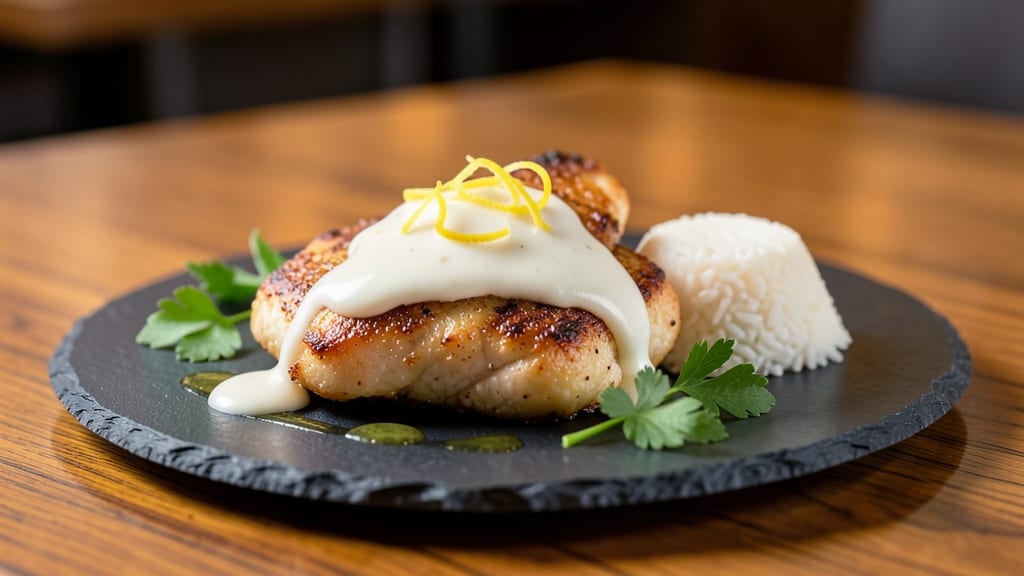
Recreating Maggiano's signature Chicken Francese at home delivers that signature buttery, lemony perfection in just 30 minutes. The secret lies in double-dredging the chicken for an ultra-crisp panade and a velvety white wine-lemon sauce that clings to every bite—just like the restaurant version.
I first mastered this technique after years of experimenting with breading methods, and the difference between homemade and takeout is night and day.
The process starts with a dry flour dredge followed by a wet egg wash, then another flour coating—this double-dredging creates that signature crackly exterior that shatters with the first bite. The sauce, made from white wine, lemon juice, and a rich butter emulsion, balances tangy brightness with creamy depth.
Every element comes together in a restaurant-quality dish that feels special enough for guests but simple enough for weeknights.
By the time you plate this dish, you'll have golden-brown chicken with crisp edges and tender centers, swimming in a glossy sauce that's bright enough to cut through the richness.
The aroma alone will have everyone gathering around the table, and the first bite delivers that Maggiano's magic—just as satisfying as the original. Serve with garlic bread or roasted vegetables to complete the meal.
This recipe scales perfectly for gatherings but works just as well for a solo dinner. The key is keeping everything hot while assembling the sauce, so the chicken stays warm and the sauce maintains its velvety texture. Let's bring that Italian-American restaurant experience home.
Ingredients for chicken francese maggiano's
The secret to Maggiano's crispy, lemony perfection starts with these 12 ingredients—simple but precise.
| Ingredient | Amount | Notes |
|---|---|---|
| Boneless, Skinless Chicken Breast Cutlets 🍗 | 1 ½ lb | Pounded to even 1/4-inch thickness |
| All-Purpose Flour 🌾 | 1 ½ cups | For dry dredge and panade |
| Large Eggs 🥚 | 3 whole | Room temperature for even coating |
| Unsalted Butter 🧈 | ¾ cup | Cold, cut into 1-inch pieces |
| Dry White Wine 🍷 | 1 cup | Sauvignon Blanc or Pinot Grigio |
| Fresh Lemon Juice 🍋 | ½ cup | From 2-3 medium lemons |
| Chicken Broth 💧 | ½ cup | Low-sodium preferred |
| Garlic Cloves 🧄 | 4 cloves | Minced for sauce |
| Diamond Crystal Kosher Salt 🧂 | 1 tsp | For seasoning |
| Freshly Ground Black Pepper 🌶️ | ½ tsp | Light hand only |
| Extra-Virgin Olive Oil 🫒 | 2 tbsp | For frying chicken |
| Fresh Parsley 🌿 | ¼ cup | Chopped, for garnish |
The chicken cutlets make or break this dish. Look for boneless, skinless breasts—thinly pounded to even thickness for perfect cooking. I grab mine from Whole Foods or Costco when on sale, but any grocery store's fresh chicken works. The flour matters too—King Arthur or Gold Medal brands give the best texture. For the butter, Plugrá or Land O'Lakes are my go-tos, but any unsalted works if it's cold and fresh. The wine should be dry—Sutter Home or La Crema are reliable choices, but whatever's open in your fridge works too.
No white wine? Substitute chicken broth with a splash of lemon juice—it's what I do when I'm out. Fresh lemon juice is non-negotiable though—bottled juice lacks the brightness. For the parsley, fresh is ideal, but dried parsley at one-third the amount works in a pinch. The garlic can be pre-minced from a jar, but freshly minced has way more flavor. If you're short on time, pre-shredded Parmesan (not listed here) adds a nice touch to the sauce—just use half the amount you'd grate yourself. The olive oil should be light and fruity—California Olive Ranch is my go-to for frying.
This recipe reheats beautifully—just pop it in a 350°F oven for 10 minutes to revive the crisp. The sauce keeps for 3 days in the fridge, but the chicken is best eaten fresh. For meal prep, cook the chicken ahead and reheat separately, then warm the sauce separately and combine before serving. The butter emulsion in the sauce separates when chilled, so whisk it back together before serving—it comes together like magic every time.
Why You'll Love This Recipe
- Pan-Fry Perfection: I swear by this recipe because it’s all about that golden crust—just a quick flour dip, egg wash, and butter sear. No fancy techniques, just a hot pan and 10 minutes of hands-off time while the wine reduces into a silky sauce.
- Restaurant-Quality Sauce: That white wine and butter combo? It’s the secret weapon. The sauce is rich but not heavy, with just enough tang to cut through the tender chicken. Honestly, I’ve served it to friends who swore it was from a high-end restaurant.
- Weeknight to Weekend: I make this for lazy Tuesdays when I don’t want to think, but it also stars at my holiday dinner table. The same simple steps work whether I’m feeding two or six—just scale the wine and butter accordingly.
- Budget-Friendly Luxury: Chicken breasts are affordable, and this recipe stretches every ingredient. The leftovers reheat beautifully, and the sauce freezes well if I overestimate (which I always do). It’s fancy enough to impress but cheap enough to make often.
Step-by-step instructions for chicken francese
Here's the method that delivers Maggiano's signature buttery lemon crust in your home kitchen.
Pound and Prepare the Chicken Cutlets
Place each of the 1.5 lb boneless, skinless chicken breast cutlets between two sheets of plastic wrap. Using a meat mallet, pound them to an even ¼-inch thickness—this ensures even cooking and prevents dryness. The goal is uniform thickness across all pieces so they cook simultaneously.
Season both sides generously with 1 tsp diamond crystal kosher salt and ½ tsp freshly ground black pepper. Let them rest at room temperature for 15 minutes while you prepare the panade. This resting period allows the seasoning to penetrate the meat, creating better flavor distribution when you cook.
Create the Signature Panade
In a shallow dish, whisk together 1.5 cups all-purpose flour with ½ tsp diamond crystal kosher salt and ¼ tsp freshly ground black pepper (reserve the rest for later). This dry mixture forms the crispy exterior that defines Chicken Francese. The flour should be light and aerated—don't pack it down or it'll create a dense, heavy crust.
In another shallow dish, beat the 3 whole large eggs until just combined. The eggs should be at room temperature for even coating. This step is crucial—the eggs create the adhesive layer that binds the flour to the chicken, ensuring that crispy, golden crust sticks perfectly.
Fry the Chicken to Golden Perfection
Heat 2 tbsp extra-virgin olive oil in a large skillet over medium-high heat until shimmering. Add the cutlets one at a time, allowing 1 minute per side to develop a golden crust. Press down gently on each cutlet during the first minute—this prevents curling and ensures even contact with the pan.
Transfer the cooked chicken to a wire rack set over a baking sheet. Let them rest for 5 minutes while you prepare the sauce. The resting period allows any residual moisture to evaporate, ensuring the final product stays crispy rather than soggy. Keep the skillet warm for the sauce.
Build the Buttery Lemon Sauce
Reduce heat to medium and add ½ cup unsalted butter cut into 1-inch pieces to the same skillet. Let it melt completely, then add 4 minced garlic cloves and cook for 30 seconds until fragrant. Here's where the magic happens—don't let the garlic brown or it'll turn bitter.
Pour in 1 cup dry white wine and scrape up any browned bits from the bottom of the pan. This deglazing step captures all those concentrated chicken flavors. Let the wine simmer for 3-4 minutes until reduced by half, then stir in ½ cup fresh lemon juice and ½ cup chicken broth. The sauce should be velvety and just beginning to coat the back of a spoon.
Finish and Serve
Return the chicken to the skillet and spoon the sauce over them. Let it simmer together for 2-3 minutes until the chicken is heated through and the sauce has thickened slightly. The chicken should reach an internal temperature of 165°F—this ensures it's fully cooked while maintaining tenderness.
Plate the Chicken Francese immediately, garnishing each portion with ¼ cup chopped fresh parsley. The dish should have a perfect balance of crispy panade, rich buttery sauce, and bright lemon notes. Serve with lemon wedges on the side for squeezing over each bite—this adds that final Maggiano's touch.
Pro Tips For Making Chicken Francese Maggiano'S
- Pound Cutlets Evenly: I learned this the hard way—uneven thickness means some pieces overcook into rubber while others stay raw. Use a rolling pin or meat mallet to tap the breasts to a consistent ¼-inch thickness, then flip and repeat. A ruler helps—no guessing.
- Salt the Flour Mix: The dry white wine in this dish is subtle, so the crust needs flavor. Mix your all-purpose flour with 1 teaspoon salt per cup before dredging the chicken. It’s the only chance the seasoning gets to stick, and it makes a real difference.
- Don’t Rush the Wine Reduction: After deglazing the pan with wine, let it bubble away until it’s reduced by half—about 3-4 minutes. Skimping here leaves the sauce thin and dull. If it’s too fast, lower the heat slightly; patience here keeps the sauce rich and glossy.
- Use Cold Butter for Searing: Take the butter out of the fridge before cooking. Cold butter melts slower, giving you time to get a golden crust on the chicken without burning it. Add the wine right after the first sear—this locks in the flavor before the pan gets too hot.
Make-ahead tips for this chicken francese maggiano's
Prep Ahead Strategy
The key to stress-free Chicken Francese is prepping components separately. I recommend assembling the panade station the night before: mix the 1.5 cups flour with ½ tsp salt and ¼ tsp pepper in a shallow dish, then cover with plastic wrap.
Store the 3 eggs in their shells at room temperature for even coating. This saves 10 minutes of prep day-of, and the flour mixture stays light and aerated. 💡
Sauce Prep Timeline
Make the sauce 1 day ahead—it actually improves in flavor as the wine and lemon mellow. Whisk together the ½ cup butter, 1 cup white wine, ½ cup lemon juice, and ½ cup broth in a saucepan, then chill completely.
When ready to serve, simply reheat gently over medium-low heat while the chicken fries fresh. The sauce will thicken beautifully without separating. ✨
Chicken Prep Shortcut
Save time by pounding and seasoning the chicken cutlets up to 4 hours ahead. Store them on a plate in the fridge, covered with plastic wrap. When ready to cook, let them sit at room temperature for 15 minutes before frying.
This prevents cold spots that could make the panade soggy. I always do this when hosting—it cuts my active cooking time by half.
Reheating Magic
For make-ahead meals, fry the chicken completely, then store it in a single layer on a wire rack in the fridge for up to 2 days. Reheat in a 350°F oven for 8-10 minutes until crispy again.
Warm the sauce separately and combine just before serving—this keeps both components perfect. The secret is not stacking the chicken in storage or it loses crispness. 🔥
Component Assembly
When ready to serve, I assemble everything 5 minutes before plating: warm the sauce in the skillet, return the chicken to coat, then plate immediately. Keep the lemon wedges and parsley garnish fresh until the last moment.
This ensures the sauce stays glossy and the chicken maintains its crispy texture. The assembly process takes just 3 minutes—perfect for last-minute entertaining. 💫
Freezer-Friendly Option
For long-term storage, fry the chicken completely, then freeze it on a wire rack before transferring to a ziplock bag. Store the sauce separately in a glass jar.
To serve, thaw the chicken in the fridge overnight, then reheat in a 400°F oven for 12 minutes while warming the sauce on the stovetop. The texture stays surprisingly crisp even after freezing! ❄️
Nutrition facts
Frequently asked questions
Why does Maggiano's Chicken Francese have such a crispy crust?
The signature panade relies on double-dredging—first in flour, then egg wash, then flour again. This creates multiple crispy layers that shatter with each bite. The secret is using room-temperature eggs and keeping the flour light and aerated. Pressing the chicken gently while frying also prevents curling and ensures even browning.
Can I substitute white wine in the sauce?
Yes! Use chicken broth with 2 tbsp lemon juice for the same depth of flavor. For extra richness, add 1 tbsp butter to the sauce at the end. The wine's acidity balances the butter—broth alone can make the sauce taste flat.
How do I keep the chicken from getting soggy?
Never skip the 5-minute rest after frying—this lets moisture evaporate. Also, store cooked chicken in a single layer on a wire rack (not stacked) to maintain crispness. Reheat in a 350°F oven for 8-10 minutes instead of microwaving. The sauce should always be added fresh to the hot chicken.
What's the best way to serve this dish?
Maggiano's style pairs perfectly with garlic bread, roasted asparagus, or creamy risotto. For extra flair, serve with lemon wedges on the side and garnish with fresh parsley. The sauce's brightness cuts through rich sides beautifully.
Can I use chicken thighs instead of breasts?
Thighs work but require adjustments: pound to ½-inch thickness and fry at medium heat for 2 minutes per side (they're thicker). The skin adds flavor but may not crisp as well. For best results, remove skin and use the same panade method. The sauce will still cling perfectly.