
Main Courses
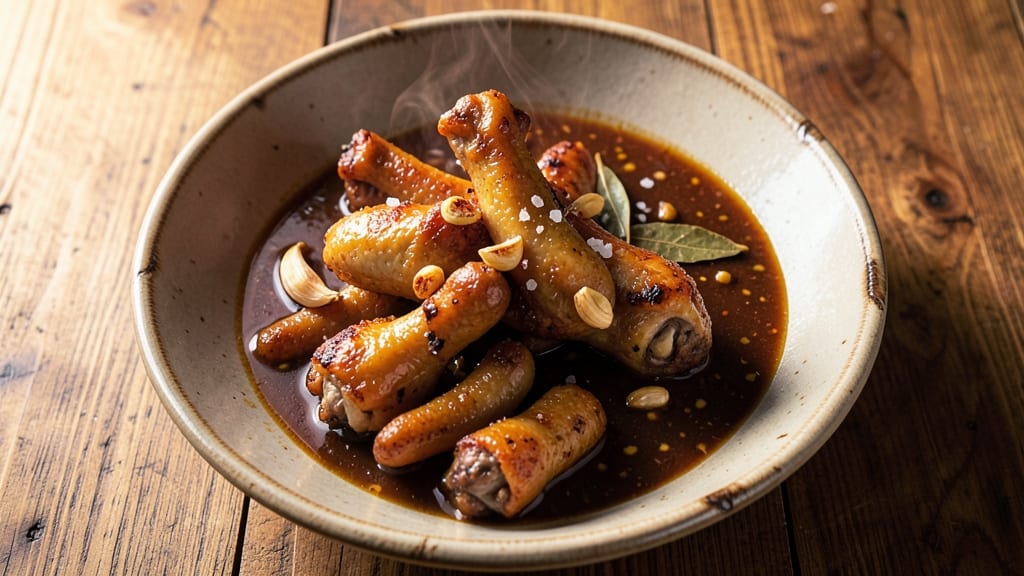
This chicken feet adobo recipe delivers the perfect balance of crispy-fried texture and tangy vinegar braise that defines Filipino comfort food.
The secret lies in a two-step process: first frying the chicken feet until golden and crunchy, then simmering them in a rich adobo sauce until tender yet still holding that satisfying bite.
I've perfected this technique over years of cooking, ensuring every bite delivers that signature crunch and depth of flavor that makes adobo unforgettable.
The beauty of this dish is in its simplicity—just a few key ingredients transform humble chicken feet into something extraordinary. The marinade of soy sauce, vinegar, and garlic infuses the meat with layers of umami, while the slow braising process develops a sauce that's both tangy and sweet.
What makes this recipe special is the contrast: the crispy exterior from frying meets the tender, flavorful interior from braising, creating a texture that's impossible to resist.
By the time you serve this dish, you'll have a restaurant-quality meal that's rich in tradition and flavor. The crispy chicken feet paired with a glossy, aromatic adobo sauce make this a standout centerpiece for any table.
Serve it over steamed rice to soak up every last drop of that tangy, savory sauce—it's the kind of dish that turns a simple meal into a celebration of Filipino culture.
Perfect for special occasions or when you want to impress guests with authentic flavors, this recipe delivers results that feel both comforting and sophisticated. The process might require patience, but the reward is a dish that's worth every minute. Let's get cooking!
Ingredients for chicken feet adobo
Filipino pantry staples meet deep-frying magic for this iconic crispy-tender dish.
| Ingredient | Amount | Notes |
|---|---|---|
| Chicken Feet 🦆 | 2 lbs | Fresh, cleaned, tips trimmed |
| Coconut Oil 🥥 | 2 cups | For deep frying, high smoke point |
| Soy Sauce 🍶 | ½ cup | Light or dark, Filipino preferred |
| Cane Vinegar 🍶 | ½ cup | White or apple cider vinegar |
| Garlic Cloves 🧄 | 8 cloves | Minced, fresh preferred |
| Bay Leaves 🍃 | 2 whole | Dried, for aromatic depth |
| Black Peppercorns 🌶️ | 1 tsp | Crushed, for subtle heat |
| Brown Sugar 🍚 | 2 tbsp | Light or dark, for balance |
| Salt 🧂 | 1 ½ tsp | Kosher or sea salt |
| White Onion 🧅 | 1 whole | Sliced, for sauce base |
| Water 💧 | 1 cup | For braising liquid |
| Green Onions 🧅 | 4 whole | Garnish, sliced thin |
| Steamed White Rice 🍚 | 2 cups | Cooked, for serving |
The chicken feet are the star—look for plump, clean feet with intact tips at Asian markets or specialty butchers. Filipino grocery stores often carry them pre-cleaned, which saves time. If using frozen, thaw overnight in the fridge—never at room temperature. The coconut oil is non-negotiable for frying; its high smoke point prevents burning while creating that signature golden crust. For the soy sauce, Lee Kum Kee or Silver Swan brands deliver authentic depth, though any good-quality soy works in a pinch.
No cane vinegar? Apple cider or white vinegar will work, though the flavor profile shifts slightly. Want extra umami? Add 1 tbsp fish sauce to the braising liquid. The garlic should be freshly minced—pre-minced jars lose potency fast. For a quicker prep, use garlic powder at half the amount, but fresh is always better. The brown sugar caramelizes beautifully during braising, but white sugar works too if that's what you have. If you're short on time, skip the frying step entirely and braise the feet directly in the sauce—they'll still be tender, though less crispy.
This dish reheats beautifully—just 5 minutes in a 350°F oven with a splash of water to revive crispiness. Store leftovers in the fridge for up to 4 days, though the sauce gets richer overnight. For freezer storage, portion into airtight containers with sauce and freeze for up to 3 months. The rice should be served immediately, as it absorbs the sauce best when hot. Garnish with green onions right before serving—they add freshness that cuts through the richness.
Why You'll Love This Recipe
- Minimal Chopping Required: The garlic gets crushed with the side of a knife—no dice needed. Chicken feet? Just a quick soak and toss in the pan. Honestly, I’ve made this while scrolling through my phone.
- Umami Bomb: That soy-cane vinegar glaze? Chef’s kiss. The coconut oil keeps the feet tender while the garlic and vinegar caramelize into a sticky, savory crust. Not the prettiest, but the taste makes up for it every time.
- Party-Ready in 45: Double the batch for gatherings—it reheats like a dream. Serve as is for a bold snack, or toss with rice for a full meal. My in-laws still ask for it after potlucks.
- Budget Flex: A pound of chicken feet feeds four for under $10. The leftovers? Even better the next day—crispier, richer, and zero waste. (Yes, even on a Tuesday night.)
Step-by-step instructions for chicken feet adobo
Here's how to balance crispy fried chicken feet with a rich, tangy braise.
Prepare the Chicken Feet for Frying
Pat the 2 lbs chicken feet completely dry with paper towels—this ensures maximum crispiness. In a large bowl, mix the 2 cups coconut oil with the 1.5 tsp salt and 2 tbsp brown sugar until fully combined. The sugar helps caramelize during frying, while the salt penetrates the skin.
Heat the oil in a deep pot over medium-high heat until it reaches 350°F—use a thermometer for accuracy. The oil should shimmer but not smoke excessively. Add the chicken feet in batches, being careful not to overcrowd the pot. Fry for 12-15 minutes, turning occasionally, until they turn a deep golden brown and crispy. Remove with a slotted spoon and drain on a wire rack lined with paper towels. If the oil cools below 325°F, let it reheat before adding more feet.
Build the Tangy Braising Sauce
In the same pot, reduce heat to medium and add the sliced 1 whole white onion. Sauté for 3-4 minutes until softened and translucent. Add the 8 minced garlic cloves and cook for 30 seconds until fragrant—don't let it brown or it'll turn bitter.
Pour in the 0.5 cup soy sauce and 0.5 cup cane vinegar, scraping up any browned bits from the bottom of the pot. These bits pack intense flavor. Add the 2 whole bay leaves and 1 tsp crushed black peppercorns, then pour in the 1 cup water. Bring to a gentle simmer and let it cook for 5 minutes until slightly reduced and aromatic.
Braise the Chicken Feet
Return the crispy chicken feet to the pot, spooning the sauce over them completely. The feet should be mostly submerged in the sauce. Cover the pot and transfer it to a 300°F oven. Braise for 45-60 minutes, turning the feet occasionally, until the sauce thickens slightly and coats the back of a spoon.
Check for doneness by piercing a foot with a fork—it should slide in easily, and the meat should be tender when pulled apart. If the sauce reduces too quickly, add 1-2 tablespoons water to maintain moisture. The feet will absorb the tangy, savory flavors while staying crispy on the outside.
Finish and Serve
Remove the pot from the oven and let it sit uncovered for 5 minutes to allow excess moisture to evaporate. Discard the bay leaves. Stir in the sliced 4 whole green onions, reserving a few for garnish. Taste and adjust seasoning if needed—add a splash more soy sauce for saltiness or vinegar for tang.
Serve the crispy chicken feet hot over the 2 cups steamed white rice, spooning the rich braising sauce generously over the top. Garnish with the reserved green onions. The contrast of crispy, chewy chicken feet with the tangy, slightly sweet sauce creates a perfect balance of textures and flavors.
Pro Tips For Making Chicken Feet Adobo
- Parboil First: Drop those chicken feet in boiling water for 10 minutes before braising—it softens the skin and connective tissue so they don’t turn rubbery later. I used to skip this, and the feet stayed tough no matter how long I simmered them.
- Toast the Garlic: Fry the minced garlic in coconut oil until it’s golden, not just fragrant—this deepens the flavor and prevents it from turning bitter during the long cook. Sounds weird, but it works: the adobo will taste richer if you do.
- Balance the Vinegar: Start with half the vinegar called for, then add more to taste at the end. Too much upfront makes the dish harsh; too little leaves it flat. I learned this the hard way after ruining a batch that tasted like a science experiment.
- Simmer Slow and Low: Cover the pot and keep the heat at a gentle simmer—no boiling—after the first 30 minutes. This lets the collagen melt into the sauce without turning the feet into mush. (Yes, even if you’re impatient like me.)
Health benefits of this dish
Rich Protein Source
Chicken feet are a powerhouse of protein, delivering about 20 grams per 100 grams—more than chicken breast! This makes adobo an excellent choice for muscle repair and growth, especially when paired with the 2 cups of steamed white rice in this recipe.
The combination provides a complete amino acid profile, perfect for post-workout meals or high-protein diets. 💪
Collagen for Joint Health
The connective tissue in chicken feet is rich in collagen and gelatin, which support joint health and skin elasticity. When simmered in the adobo sauce, these nutrients become more bioavailable.
Regular consumption may help reduce joint inflammation and improve skin hydration—a bonus for anyone looking to boost their beauty routine naturally.
Low-Fat, High-Umami
Unlike many protein sources, chicken feet are naturally low in fat while being packed with umami-rich flavors from their natural gelatin and amino acids. The adobo marinade enhances this depth without adding unhealthy fats. This makes the dish ideal for heart-healthy diets while still delivering bold, satisfying taste.
Bone Broth Benefits
The slow braising process creates a natural bone broth-like sauce rich in minerals like calcium, magnesium, and phosphorus. These nutrients support bone health and electrolyte balance. The tangy vinegar in the sauce also aids digestion, making this dish both nourishing and easy to digest. 💡
Vitamin B Complex
Chicken feet provide essential B vitamins, including B12, which is crucial for energy metabolism and nervous system function. The soy sauce in the adobo adds extra B vitamins, while the garlic contributes vitamin C. Together, they create a nutrient-dense meal that supports overall vitality and immune function.
Cultural Comfort Food
Beyond nutrition, this dish offers emotional comfort rooted in Filipino tradition. Adobo is often called the "national dish" of the Philippines, symbolizing resilience and resourcefulness. The crispy texture and tangy sauce evoke nostalgia, making it a heartwarming choice for gatherings or special occasions. 🌟
Nutrition facts
Frequently asked questions
Can I substitute chicken feet with another protein?
While chicken feet are traditional, you can use duck feet, pork knuckles, or even chicken wings for a similar texture. For wings, skip the frying step and braise directly in the sauce for 30-40 minutes until tender. The crispy texture will differ, but the tangy adobo flavor remains delicious.
How do I make the sauce less tangy?
To reduce the vinegar's sharpness, cut the cane vinegar to ¼ cup and add 1 tbsp brown sugar or 1 tsp honey to balance the acidity. For extra richness, add 2 tbsp fish sauce to deepen the umami instead. Always taste as you go!
Why did my chicken feet turn out rubbery instead of crispy?
Overcrowding the fryer or frying at below 325°F causes oil to cool and absorb moisture, leading to soggy results. Fry in batches and maintain 350°F oil. After braising, pat feet dry with paper towels before serving to restore crispiness.
Can I make this recipe in a slow cooker?
Yes! After frying the feet, transfer them to a slow cooker with the sauce and cook on low for 3-4 hours or high for 2 hours. The sauce will thicken naturally, but add 1 tbsp cornstarch mixed with water if you prefer a glossier finish.
What are the best sides to serve with this dish?
Classic pairings include steamed jasmine rice, garlic fried rice, or sautéed greens like bok choy. For a complete meal, add Filipino-style atchara (pickled papaya) or a simple cucumber salad to cut through the richness.