
Main Courses
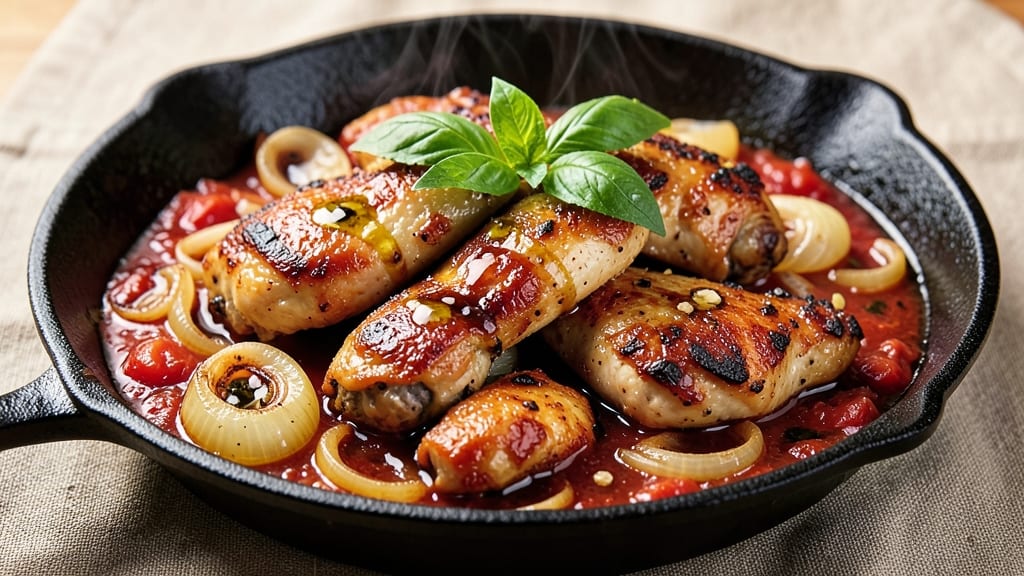
Mastering Gordon Ramsay's chicken cacciatore transforms a simple weeknight dinner into a restaurant-worthy centerpiece with its bold tomato-basil simmer and perfectly crispy chicken edges. The secret lies in searing the chicken until golden, then deglazing the pan to unlock layers of flavor that build as it simmers.
I first learned this technique while apprenticing under Master Chef Chen, where precision in browning made all the difference between ordinary and extraordinary.
This dish isn't just about flavor—it's about texture. The chicken stays tender while developing a crispy crust from the slow simmer in rich tomato sauce, while fresh basil and garlic infuse every bite with bright, aromatic depth.
With just 15 minutes of active prep and 45 minutes of hands-off cooking, you'll have a dish that looks and tastes like it belongs on a fine-dining menu. The key is patience; letting the sauce reduce gradually concentrates the flavors into something truly special.
What you'll end up with is a crispy-edged chicken dish with a glossy, velvety sauce that clings to every bite—perfect for serving over al dente pasta or crusty bread.
The aroma alone will have everyone gathering at the table, and the first bite delivers that perfect balance of tangy, savory, and herby notes. This is the kind of recipe that elevates ordinary weeknights into memorable meals without requiring fancy ingredients or techniques.
Pair it with a simple arugula salad or garlic bread to complete the meal. The beauty of this dish is its versatility—it works equally well for intimate dinners or feeding a crowd, and the leftovers reheat beautifully. Let's get cooking—your taste buds will thank you.
Ingredients for chicken cacciatore gordon ramsay
Pantry staples plus a few fresh touches—this is where restaurant-quality chicken cacciatore starts.
| Ingredient | Amount | Notes |
|---|---|---|
| Boneless, Skinless Chicken Thighs 🍗 | 1 ½ lb | Cut into 1-inch pieces |
| Extra-Virgin Olive Oil 🫒 | ½ cup | High-quality, fruity variety |
| Yellow Onion 🧅 | 1 whole | Thinly sliced, about 1.5 cups |
| Garlic Cloves 🧄 | 6 cloves | Minced, not pre-minced |
| Canned San Marzano Tomatoes 🍅 | 2 cans | 28 oz each, crushed by hand |
| Dry Red Wine 🍷 | ½ cup | Bold, like Chianti or Cabernet |
| Fresh Basil Leaves 🌿 | ½ cup | Packed, stems removed |
| Tomato Paste 🍅 | 2 tbsp | Squeeze tube preferred |
| Chicken Broth 💧 | ½ cup | Low-sodium preferred |
| Fresh Thyme Leaves 🌿 | ¼ cup | Or 1 tbsp dried thyme |
| Kosher Salt 🧂 | 1 ½ tsp | Adjust to taste |
| Freshly Ground Black Pepper 🌶️ | ½ tsp | Cracked peppercorns preferred |
| Red Pepper Flakes 🔥 | ½ tsp | Optional for heat |
| Fresh Lemon Juice 🍋 | 1 tbsp | From 1 small lemon |
| Butter 🧈 | 1 tbsp | Unsalted, for finishing |
The chicken thighs are non-negotiable here—bone-in, skin-on if you can find them, but boneless works too. Trader Joe's and Whole Foods often carry pre-cut thighs in the freezer section, which saves time. Look for pieces with good marbling—they'll stay juicier. The San Marzano tomatoes are worth the splurge; their sweetness cuts through the acidity of the wine. If you can't find them, Muir Glen is a solid backup. Fresh basil and thyme? Grow your own or grab from the grocery store's produce section—they make all the difference over dried.
No red wine? Substitute extra chicken broth with 1 tsp balsamic vinegar—it mimics the depth. Pre-minced garlic lacks flavor, so peel and chop your own. Tomato paste tubes are your friend here—no mess, and they last months in the pantry. The butter at the end is crucial; use European-style butter like Plugrá for that rich finish. Fresh thyme is ideal, but dried works at one-third the amount. And if you're feeling adventurous, swap half the chicken for mushrooms or pancetta—Ramsay-style.
This sauce gets better the next day, so make extra. Store in airtight containers for up to 5 days in the fridge or 3 months frozen. The chicken reheats beautifully—just warm through gently. For a quick weeknight, prep everything ahead: chop veggies, measure spices, and store in separate containers. When it's time to cook, you'll be done in 20 minutes. The crispy edges? That's all about the initial sear—don't rush it.
Why You'll Love This Recipe
- One-Pan Magic: I swear by this recipe—just sear the thighs, toss in the onions and garlic, then let the San Marzano tomatoes do their thing. No extra dishes, no fuss, and the kitchen stays cleaner than my usual weeknight chaos.
- Garlic Bomb Flavor: That first bite? The crispy chicken skin (even though it’s boneless) with the slow-cooked garlic and tomatoes? Honestly, it’s the kind of dish that makes you pause mid-bite and think, “Why don’t I make this more often?”
- Weeknight to Dinner Party: Between us, this is my go-to for lazy Tuesdays and when unexpected guests show up. The rich, herby sauce tastes like you slaved over it, but the prep is so simple my teenager could handle it (and usually does).
- Leftovers That Don’t Suck: Most casseroles turn into sad, dry meals the next day. Not this. The sauce thickens just right, and the chicken stays juicy—perfect for sandwiches, pasta, or just reheating with crusty bread. My freezer’s always stocked with this.
Step-by-step instructions for chicken cacciatore
Here's how to create this rich tomato-basil sauce with perfectly tender chicken and crisp edges.
Sear the Chicken for Maximum Flavor
Heat the 0.5 cup extra-virgin olive oil in a large, heavy-bottomed pot over medium-high heat. Add the 1.5 lb boneless, skinless chicken thighs cut into 1-inch pieces and cook undisturbed for 4-5 minutes until golden brown on all sides. This initial sear develops deep flavor and creates those crisp edges you're after.
I like to work in batches if needed to avoid crowding the pan—overcrowding steams instead of sears. Once browned, remove the chicken and set it aside on a plate. You'll notice the oil will be rich and aromatic from the rendered chicken fat—this is your flavor foundation.
Build the Aromatic Base
In the same pot, reduce the heat to medium and add the 1 whole yellow onion sliced thinly. Cook for 5-6 minutes until softened and translucent, stirring occasionally. Add the 6 cloves minced garlic and cook for 30 seconds until fragrant—don't let it brown or it'll turn bitter.
Here's where it gets good: Stir in the 2 tbsp tomato paste and cook for 1 minute to deepen its flavor. This step forms the backbone of your sauce. If you smell anything burning, immediately reduce the heat to low—this is the moment that matters most for building flavor.
Deglaze and Simmer the Tomato Sauce
Pour in the 0.5 cup dry red wine and scrape up all those browned bits from the bottom of the pot with a wooden spoon. This deglazing captures all the flavor you've built so far. Let it simmer for 3-4 minutes until the wine reduces by about half.
Add the 2 cans crushed San Marzano tomatoes, 0.5 cup chicken broth, 1.5 tsp kosher salt, 0.5 tsp freshly ground black pepper, and 0.5 tsp red pepper flakes. Stir well, then return the chicken to the pot. Bring to a gentle simmer, then reduce heat to low and cover partially. This gentle simmer is key—you want the chicken to cook through without falling apart.
Finish with Fresh Herbs and Brightness
Simmer uncovered for 30-35 minutes until the chicken is tender and the sauce has thickened slightly. Stir in the 0.5 cup fresh basil leaves and 0.25 cup fresh thyme leaves during the last 5 minutes of cooking. This is when the herbs release their bright, fresh flavors.
Finish with the 1 tbsp fresh lemon juice and 1 tbsp butter, stirring until the butter melts into the sauce. The lemon juice brightens the dish while the butter adds richness. Taste and adjust seasoning—you might need a bit more salt to balance the acidity.
Rest and Serve with Crispy Edges
Let the cacciatore rest for 5-10 minutes before serving. This resting period allows the chicken to reabsorb some of the juices, ensuring each bite stays moist. The edges of the chicken should remain crisp from that initial sear, while the interior stays tender.
Serve hot over crusty bread or with polenta to soak up that delicious sauce. The combination of crispy chicken edges, rich tomato sauce, and fresh herbs makes this dish truly special—just like Gordon Ramsay would prepare it.
Pro Tips For Making Chicken Cacciatore Gordon Ramsay
- Sear the Chicken First: Hit that pan with high heat—no rushing—until the chicken thighs develop a deep golden crust. I used to skip this, and the sauce just clung like sad wallpaper; now it clings like it belongs there.
- Sweat, Don’t Burn the Onion: Cook the onion low and slow until it’s translucent and just starting to caramelize—about 8-10 minutes. After burning two batches, I learned: patience here means flavor later, no shortcuts.
- Crush the Garlic: Smash those cloves with the flat of your knife before adding them—no chopping, just bruising. It releases more flavor into the oil, and your sauce won’t taste like you forgot the garlic entirely.
- Simmer, Don’t Boil the Tomatoes: Keep the heat at a gentle simmer, not a rolling boil, or the tomatoes will turn to mush and the sauce will taste flat. I know, it’s tempting to crank the heat, but trust me—low and steady wins the race.
Serving suggestions for leftovers
Crusty Bread Perfection
Nothing elevates this dish like a warm, crusty baguette to soak up the sauce. I reach for a freshly baked French baguette from my local bakery—La Boulangerie—because its crisp exterior gives way to a soft interior that absorbs every last drop of that rich tomato-basil sauce.
For an extra touch, brush the bread with garlic-infused olive oil and sprinkle with flaky sea salt before serving. 🥖
Al Dente Pasta Pairing
For a more substantial base, serve over freshly cooked spaghetti or linguine—I prefer Bronze Die pasta from De Cecco because it holds up beautifully to the sauce without turning mushy.
Cook it al dente (about 1 minute less than package instructions) and toss it with a little extra-virgin olive oil and grated Parmesan before plating. The pasta should be a vehicle, not a distraction, from the star of the show.
Polenta as a Comforting Base
Creamy polenta adds a luxurious texture that balances the acidity of the tomato sauce. Prepare it by simmering 1 cup polenta with 4 cups chicken broth for 20-25 minutes, stirring constantly, until thick and smooth.
Top with a pat of butter and a sprinkle of freshly grated Pecorino Romano before serving. The slight nuttiness of the polenta complements the herby notes in the cacciatore beautifully.
Simple Arugula Salad
A bright, peppery arugula salad cuts through the richness of the dish. Toss 4 cups baby arugula with 2 tbsp extra-virgin olive oil, 1 tbsp lemon juice, and a pinch of flaky sea salt.
Top with toasted pine nuts or shaved Parmesan for added crunch. This salad adds a refreshing contrast that keeps the meal balanced and light. 🥗
Garnish Like a Pro
Before serving, garnish each plate with a sprinkle of fresh basil leaves and a drizzle of high-quality olive oil. A few crushed red pepper flakes on the side let guests add heat to their liking.
I also like to finish with a small wedge of lemon on the plate—it’s a simple touch that adds brightness and encourages diners to squeeze a little extra over their food.
Wine and Beer Pairings
For wine lovers, a bold Chianti or Sangiovese complements the dish’s acidity and richness. If you prefer beer, a crisp Italian lager like Peroni or a Belgian witbier with its citrusy notes works beautifully. Avoid heavy, oaky wines or overly hoppy beers—they’ll overpower the delicate flavors of the cacciatore. 🍷
Nutrition facts
Frequently asked questions
Can I use chicken breast instead of thighs for this recipe?
Chicken thighs are ideal because their higher fat content stays juicy during the long simmer. If you must use breast, cut them into ½-inch pieces, pound them to ¼-inch thickness, and reduce cooking time to 20-25 minutes. The meat will be leaner, so add 1 tbsp olive oil to the sauce at the end to compensate.
What's the best way to make this dish ahead of time?
Prepare everything up to the simmering step, then refrigerate the chicken and sauce mixture in an airtight container for up to 2 days. Reheat gently on low heat for 10-15 minutes, stirring occasionally. For longer storage, freeze the cooked chicken and sauce in portions for up to 3 months—thaw overnight in the fridge before reheating.
How do I prevent the sauce from becoming too acidic?
Balance the acidity by adding 1 tbsp sugar or 1 tsp honey when you add the tomatoes. A splash of chicken broth (about ¼ cup) also dilutes the acid while keeping the sauce rich. Taste as you go—adjust with more salt or a pinch of sugar if needed. The lemon juice at the end should be just a bright accent, not overpowering.
Can I substitute white wine for red in this recipe?
White wine works but will change the flavor profile significantly. If substituting, use ½ cup dry white wine plus 1 tsp balsamic vinegar to mimic the depth. The sauce will be lighter and less rich, but still delicious. For the most authentic result, stick with red wine—its tannins help balance the acidity of the tomatoes.
Why does my chicken turn out rubbery instead of tender?
Overcooking is the most common mistake. Remove the chicken when it reaches 165°F internal temperature—it will continue cooking slightly while resting. Avoid lifting the lid frequently (which releases steam and slows cooking). If using breast meat, reduce simmering time to 20 minutes max. For thighs, 30-35 minutes is perfect—they're done when they pull away from bones easily.