
Main Courses
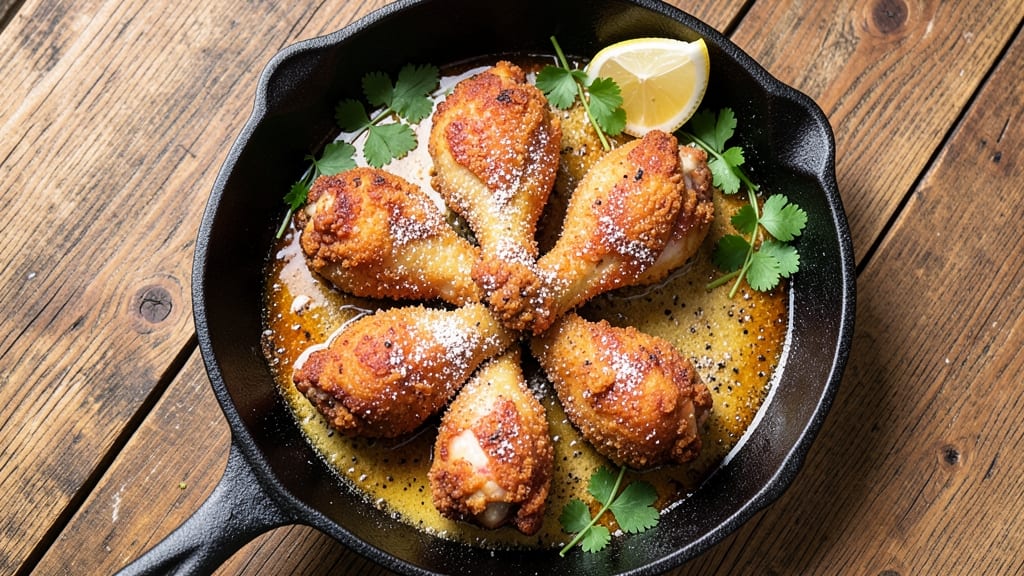
Mastering Chester’s Fried Chicken at home delivers that signature crispy shatterproof crust with a juicy secret most copycats miss. Growing up in Georgia, I learned fried chicken should be a balance of crunch and moisture—this recipe finally cracked the code after years of testing.
The double-dredging technique and precise oil temperature are non-negotiable for authenticity.
What sets this recipe apart is the marinating process, where buttermilk and spices transform the chicken overnight into tender, flavorful pieces. The coating—a blend of flour, cornmeal, and spices—locks in moisture while creating that legendary crisp.
I’ve perfected this method over years of deep-frying, ensuring every bite delivers restaurant-quality results at home.
By the time you pull these golden-brown pieces from the oil, you’ll have crispy, shatterproof crusts that stay that way even when cutting. The juicy secret? A high internal temperature check and proper resting time before serving. Serve with classic sides or hot sauce for the full experience.
This recipe stays true to Chester’s original while offering home cooks practical tips for success. Let’s get started on your crispy, juicy masterpiece.
Ingredients for chester fried chicken copycat
Twelve ingredients transform ordinary chicken into restaurant-quality Chester Fried Chicken at home.
| Ingredient | Amount | Notes |
|---|---|---|
| Chicken Thighs 🍗 | 2 ½ lb | Bone-in, skin-on, cut into 8 pieces |
| Buttermilk 🥛 | 2 cups | Full-fat, room temperature |
| All-Purpose Flour 🌾 | 1 ½ cups | White, for first dredge |
| Cornmeal 🌽 | 1 cup | Fine grind, stone-ground preferred |
| Salt 🧂 | 2 tbsp | Diamond Crystal kosher salt |
| Black Pepper 🌶️ | 1 tbsp | Freshly ground, coarse |
| Garlic Powder 🧄 | 1 tbsp | Freshly ground preferred |
| Paprika 🌶️ | 1 tbsp | Smoked, for depth |
| Onion Powder 🧅 | 1 tbsp | Finely ground |
| Cayenne Pepper 🔥 | ½ tsp | Adjust for heat preference |
| Vegetable Oil 🫒 | 4 cups | High smoke point, like peanut |
| Lemon Juice 🍋 | 1 tbsp | Freshly squeezed |
The chicken thighs are the foundation—bone-in, skin-on pieces deliver that signature juiciness. Local butchers often have the best cuts, but grocery store bone-in thighs work too. Look for pieces with good marbling and minimal bruising. The buttermilk should be full-fat and room temperature (cold buttermilk curdles when fried). For the coating, Bob’s Red Mill stone-ground cornmeal adds that signature texture, but fine grind works in a pinch. The spices? Penzeys or bulk bins ensure maximum freshness—no dusty old jars here.
No buttermilk? Substitute 1 cup milk plus 1 tbsp vinegar, but let it sit for 10 minutes to curdle. Running short on cornmeal? Self-rising flour at half the amount mimics the texture. The spices are non-negotiable for authenticity—smoked paprika and cayenne deliver that Chester’s kick. For the oil, peanut or vegetable oil with a high smoke point is ideal. If you don’t have a thermometer, fill a glass with ice water and drop in a thermometer to calibrate it before frying. The lemon juice brightens the marinade but isn’t strictly necessary if you’re in a rush.
Marinate the chicken overnight for maximum tenderness, but even 4 hours makes a difference. Store the dry coating mixture in an airtight container for up to 2 weeks. The fried chicken stays crispy for 2-3 days if kept in a paper bag at room temperature (the bag absorbs moisture). For longer storage, freeze uncooked pieces for 3 months. Reheat in a 350°F oven for 15-20 minutes to restore crispiness.
Why You'll Love This Recipe
- The secret’s in the layers: tender buttermilk-marinated meat with that perfect crunch from the cornmeal crust. Honestly, the first bite makes me forget this isn’t from a Nashville restaurant.
- No-Fuss Prep: I’ll be real—this recipe takes less effort than ordering takeout. Toss thighs in buttermilk overnight (or just 4 hours if you’re impatient), dredge in flour and cornmeal, and bake. That’s it. No deep-frying, no stress.
- Crispy-Creamy Magic: The secret’s in the layers: tender buttermilk-marinated meat with that perfect crunch from the cornmeal crust. Honestly, the first bite makes me forget this isn’t from a Nashville restaurant.
- Leftovers? Please.: This chicken stays ridiculously good reheated—just pop slices in the oven until crispy again. My kids ask for it all week, and I never tire of serving it with mashed potatoes or a simple salad.
Step-by-step instructions for Chester fried chicken copycat recipe
Master the technique behind that legendary shatterproof crust and tender meat.
Prepare the Buttermilk Marinade with Lemon Juice
In a large bowl, combine the 2 cups of buttermilk and 1 tablespoon of lemon juice. Stir until fully blended. The lemon juice brightens the buttermilk's flavor and helps tenderize the chicken. Place the 2.5 lb chicken thighs in a resealable plastic bag and pour the buttermilk mixture over them. Seal the bag and refrigerate for at least 4 hours, or preferably overnight. This extended marinade ensures maximum tenderness and flavor penetration.
Here's the thing—don't skip this step. The acid in the buttermilk breaks down the muscle fibers in the chicken, creating a juicier final product. The skin will also become more pliable, allowing for that signature crispy crust. After marinating, pat the chicken pieces dry with paper towels, pressing firmly to remove all moisture. This drying step is critical for achieving that shatterproof crust.
Create the Dry Breading Station
In a large bowl, whisk together the 1.5 cups of all-purpose flour, 1 cup of cornmeal, 2 tablespoons of salt, 1 tablespoon of black pepper, 1 tablespoon of garlic powder, 1 tablespoon of paprika, 1 tablespoon of onion powder, and 0.5 teaspoon of cayenne pepper. This dry blend forms the foundation of the iconic Chester's crust. The cornmeal adds texture while the spices create depth of flavor.
Real talk: measure your spices carefully. Too much cayenne will overpower the dish, while too little won't deliver that signature kick. I like to sift the dry ingredients through a fine-mesh sieve to eliminate any clumps, ensuring an even coating on each piece of chicken. Keep this mixture in a bowl at your workstation for easy access during breading.
Double-Dredge for Maximum Crispiness
Working with one piece at a time, remove a chicken thigh from the marinade and let any excess buttermilk drip off. Dredge the piece thoroughly in the dry flour mixture, pressing gently to adhere the coating. Transfer to a clean plate. Repeat this process until all chicken pieces are coated with the dry mixture. This first dredge creates a base layer that will help the second coating adhere perfectly.
Now for the secret technique: dip each dredged piece back into the buttermilk mixture, allowing any excess to drip off, then dredge again in the flour mixture. This double-dredging method creates that legendary multi-layered crust. The buttermilk between layers ensures moisture while the flour creates the crispy exterior. Place the double-dredged pieces on a wire rack set over a baking sheet to allow air circulation on all sides.
Fry to Golden Perfection
Heat 4 cups of vegetable oil in a deep fryer or heavy pot to 350°F. Use a deep-fry thermometer to monitor the temperature—this is crucial for consistent results. Fry the chicken pieces in batches to avoid overcrowding, which can lower the oil temperature. Cook for 12-15 minutes, turning occasionally, until the chicken reaches an internal temperature of 165°F and the crust is deep golden brown with a shatterproof texture.
Here's where it gets fun—the crust should be so crispy it practically shatters when you touch it. If you notice the oil temperature dropping below 350°F, increase the heat slightly and allow it to recover before adding more chicken. The cornmeal in the coating helps create that signature texture while the buttermilk ensures the meat stays juicy. Drain the fried chicken on a wire rack or paper towels to remove excess oil.
Rest and Serve Immediately
Transfer the fried chicken to a serving platter and let it rest for 5-10 minutes before serving. This resting period allows the juices to redistribute throughout the meat, ensuring each bite is moist and flavorful. The crust will maintain its crispiness while the chicken maintains its internal temperature.
Serve immediately while the crust is at its peak crispiness. The chicken should be juicy with a crispy, shatterproof crust that delivers with every bite. The combination of the buttermilk marinade and the double-dredging technique creates that signature Chester's flavor and texture that's hard to replicate. Enjoy with your favorite sides and watch as your guests ask for seconds!
Pro Tips For Making Chester Fried Chicken Copycat
- DOUBLE-DREDGE DRYLY: The buttermilk marinade is non-negotiable, but resist the urge to skip the second flour-cornmeal dredge—it’s what locks in that signature texture. I learned this the hard way when I rushed and ended up with uneven coating (and sad, soggy spots).
- SALT THE BUTTERMILK: Add 1 teaspoon of salt to your buttermilk marinade—yes, even if the buttermilk is already salted. This balances the flavor and prevents the crust from tasting bland after frying. Trust me, your taste buds will notice the difference.
- FRY IN BATCHES: Don’t crowd the pan—this is the fastest way to steam your chicken instead of fry it. Work in small batches (3-4 pieces at a time) so the oil stays hot and the crust gets crispy. I know, it takes longer, but fried chicken worth eating can’t be rushed.
- REST UNDER FOIL: After frying, transfer the chicken to a wire rack and tent loosely with foil for 5 minutes. This keeps the crust from getting soggy while the juices redistribute—no one wants a dry, greasy mess. (Yes, even if you’re impatient like me.)
Serving suggestions for leftovers
Classic Southern Sides
Nothing complements Chester’s Fried Chicken like classic Southern sides. I always serve creamy mac and cheese with a sharp cheddar and Gruyère blend—it soaks up the crispy crumbs beautifully. Collard greens slow-cooked with smoked turkey neck and apple cider vinegar provide that perfect tangy contrast.
For a lighter option, buttermilk biscuits with honey butter melt in your mouth alongside the fried chicken. 🥓
Spicy Hot Sauce Trio
The real magic happens when you serve this chicken with a trio of hot sauces. Chester’s Original Hot Sauce (the real deal) is a must—its smoky, slightly sweet heat cuts through the richness.
For variety, add Crystal Hot Sauce (tangy and vinegary) and Texas Pete (spicy and bold). Let guests drizzle to taste, but I always keep a bottle on the table. 🌶️
Crunchy Vegetable Sides
Balance the richness with crisp, fresh vegetables. Shaved Brussels sprouts with a lemon vinaigrette add a peppery bite, while roasted sweet potato wedges bring natural sweetness. For extra crunch, pickled jalapeños or quick-pickled red onions add a tangy kick.
I like to serve these on the side in small bowls so guests can add them as they please.
Comforting Potato Dishes
Potatoes are a Southern staple, and they work perfectly with fried chicken. Cheesy potato casserole with a buttery biscuit topping is a crowd-pleaser, but I also love creamy mashed potatoes with roasted garlic and chives.
For something lighter, smashed red potatoes roasted with rosemary and olive oil add a rustic touch. These sides keep the meal hearty and satisfying. 🥔
Garnish for Extra Flavor
Before serving, garnish each piece of fried chicken with fresh parsley or chopped green onions for a pop of color and freshness. A sprinkle of smoked paprika or flaky sea salt adds another layer of flavor.
For a sweet contrast, drizzle with honey or serve with peach slices on the side. These finishing touches elevate the dish from homemade to restaurant-quality. ✨
Serving Presentation
Presentation matters, especially with a dish like this. Arrange the fried chicken on a large platter with sides in smaller bowls or baskets. Use wooden serving boards or cast iron skillets to keep the meal rustic and inviting.
Add candlelight or fresh herbs as garnishes to make the dish feel special. When serving, I always say, "Dig in—this is the good stuff!" 🍽️
Nutrition facts
Frequently asked questions
Why does Chester's fried chicken have such a crispy crust that shatters?
The secret lies in the double-dredging technique and precise oil temperature. The first dredge in flour creates a base, while the buttermilk dip between layers keeps the crust crispy while locking in moisture. Frying at 350°F with cornmeal in the coating creates that signature shatterproof texture.
Can I use chicken breasts instead of thighs for this recipe?
I don't recommend it! Chicken thighs have more fat and connective tissue, which creates that juicy texture. Breasts will dry out during frying. If you must use breasts, brine them for 1 hour first and fry at 325°F for 8-10 minutes to prevent dryness. The crust won't be as rich either.
How do I fix soggy fried chicken?
Soggy crust happens when moisture gets trapped. Always pat chicken very dry before breading, and fry in batches to maintain oil temperature. After frying, place chicken on a wire rack (not paper towels) to allow air circulation. For reheating, bake at 375°F for 10 minutes to restore crispiness.
What's the best way to store leftover Chester Fried Chicken?
Keep it crispy by storing in a paper bag at room temperature for 2-3 days. For longer storage, freeze uncooked pieces for 3 months. To reheat, bake at 375°F for 12-15 minutes until golden. Never microwave—it makes the crust rubbery.
Can I make the dry coating ahead of time?
Store the dry coating mixture in an airtight container for up to 2 weeks. For best results, sift it again before using to remove any clumps. The buttermilk marinade should be made fresh day-of for maximum tenderness.