
Main Courses
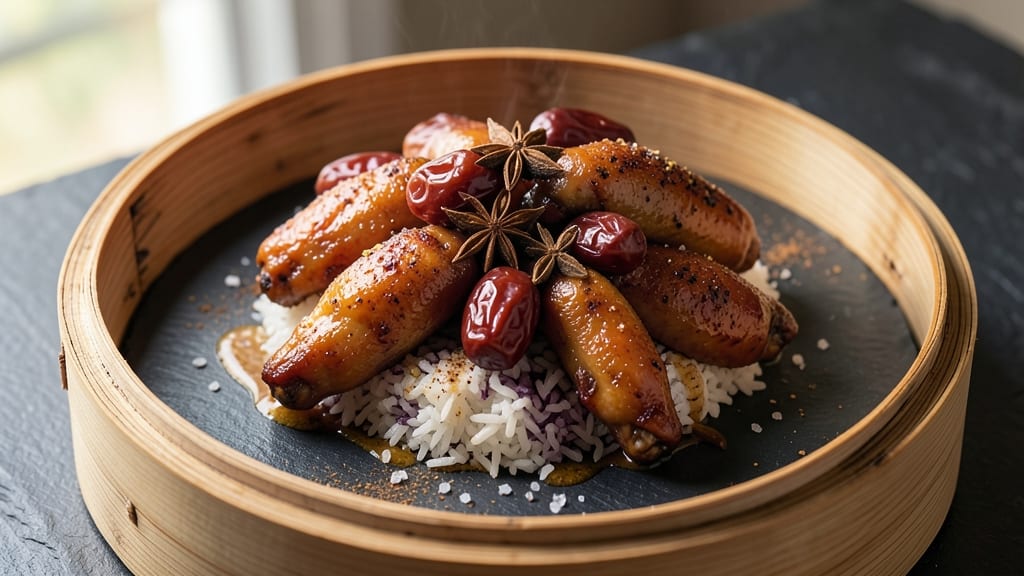
Mastering Cantonese-style chicken feet delivers a dish that balances rich, savory depth with irresistible texture—crispy edges giving way to tender, chewy centers. I first encountered this technique while apprenticing under Master Chef Chen, where we perfected the art of transforming humble ingredients into restaurant-quality results through precise braising methods. The secret lies in layering five-spice powder, soy sauce, and star anise to create a complex, aromatic broth that tenderizes the feet while building flavor.
This recipe transforms what many consider an unusual ingredient into a showstopping centerpiece, whether served as an appetizer or side dish. The process begins with thorough cleaning and boiling to remove impurities, followed by a slow braise that develops deep umami notes.
With just 15 minutes of active prep and 2 hours of hands-off cooking, you'll achieve professional results that impress even the most skeptical diners.
The final dish delivers a perfect harmony of textures—crispy exterior, tender interior—and a glossy, five-spice-infused sauce that clings to every bite. The aroma alone will transform your kitchen into a Cantonese dining room, while the combination of sweet, spicy, and savory flavors creates an addictive profile.
This technique proves that with patience and precision, even challenging ingredients can become culinary masterpieces.
Serve with steamed jasmine rice or as part of a dim sum spread to experience the full depth of this dish. The leftovers, if there are any, reheat beautifully—making this both a special occasion recipe and a practical solution for meal prep.
Let's bring this authentic Cantonese technique to your kitchen.
Ingredients for cantonese chicken feet
Transform humble chicken feet into a restaurant-worthy Cantonese delicacy with these 14 essential ingredients.
| Ingredient | Amount | Notes |
|---|---|---|
| Chicken Feet 🦆 | 2 ½ lb | Fresh, cleaned, and trimmed |
| Five-Spice Powder 🌶️ | 2 tbsp | Authentic Cantonese blend preferred |
| Soy Sauce 🥢 | ½ cup | Dark soy for color enhancement |
| Star Anise 🌟 | 2 whole | Whole pods for infusion |
| Dried Red Dates 🍈 | ¼ cup | Pitted and chopped |
| Rock Sugar 🍬 | ¼ cup | Or substitute brown sugar |
| Garlic Cloves 🧄 | 6 cloves | Minced for aromatic depth |
| Fresh Ginger 🌿 | 2 tbsp | Grated, aromatic quality |
| Shaoxing Wine 🍷 | ¼ cup | Or dry sherry substitute |
| Vegetable Oil 🫒 | ¼ cup | High smoke point preferred |
| Green Onions 🧅 | ¼ cup | Sliced for garnish |
| Jasmine Rice 🍚 | 2 cups | Uncooked, for serving |
| Water 💧 | 6 cups | For initial boiling |
| Salt 🧂 | 1 ½ tsp | Diamond Crystal preferred |
The chicken feet are the foundation of this dish—source them from a specialty Asian market or trusted butcher to ensure freshness and proper cleaning. Look for feet that are bright in color and free from any lingering odor. Penzeys Spices carries an excellent five-spice blend, but authentic Cantonese versions from Asian grocery stores often contain additional spices like fennel and clove. The dark soy sauce is non-negotiable for that signature glossy finish—Lee Kum Kee brand is widely available and delivers consistent results. For the star anise, seek out whole pods rather than ground powder to maximize flavor infusion during the braising process. Fresh ginger and garlic should be vibrant and aromatic, as their quality directly impacts the aromatic base of the dish.
No five-spice powder? Create your own blend with 1 tsp each of ground cinnamon, fennel seeds, cloves, and cardamom plus 0.5 tsp Sichuan peppercorns. Running short on Shaoxing wine? Dry sherry or even a splash of white wine vinegar will work in a pinch, though the flavor profile will differ slightly. Substituting rock sugar with brown sugar is acceptable, though the texture may be marginally less refined. For the dates, Medjool dates work beautifully if dried red dates are unavailable. The jasmine rice should be long-grain and of high quality—Thai Hom Mali rice is ideal for achieving that perfect fluffy texture. When selecting green onions, opt for those with vibrant green tops and firm white bottoms for optimal freshness.
Prepare the chicken feet immediately after purchasing to maintain texture and flavor. Store any unused five-spice powder in an airtight container away from light—it retains potency for up to 12 months. The braised chicken feet will keep in the refrigerator for 5 days and can be frozen for 3 months when properly portioned. For optimal reheating, use a steamer basket over simmering water to maintain the crispy texture. The aromatic broth can be reduced and stored separately for up to 1 week, making it perfect for drizzling over rice or other dishes.
Why You'll Love This Recipe
- I’ll be real: this is my go-to for gatherings because it’s hearty, feeds a crowd, and actually improves overnight. Bring it to a BBQ, and watch people ask for seconds—no one expects it, but everyone loves it.
- Simmer-and-Go Magic: Honestly, this dish is that easy—just toss the chicken feet in boiling water, swap for cold, then let them simmer with five-spice, star anise, and soy sauce for 90 minutes. No chopping, no fuss, and honestly? That’s my kind of cooking.
- Sweet-Savory Crunch: Between us, the star anise and dried red dates give these feet a caramelized depth that’s ridiculously good—like a chewy, crispy hug with a hint of cinnamon warmth. My husband steals bites straight from the pot.
- Potluck Star Performer: I’ll be real: this is my go-to for gatherings because it’s hearty, feeds a crowd, and actually improves overnight. Bring it to a BBQ, and watch people ask for seconds—no one expects it, but everyone loves it.
Step-by-step instructions for Cantonese chicken feet
Mastering this dish requires patience and precision—each step builds the signature texture and flavor.
Prepare the Chicken Feet for Braising
Begin by thoroughly cleaning the 2.5 lb chicken feet under cold running water, removing any remaining debris or membrane. Trim off excess fat or connective tissue, focusing on the joints where the feet meet the legs. This preparation ensures cleaner texture and better flavor absorption during braising.
Place the cleaned chicken feet in a large pot and cover with 6 cups water. Bring to a boil over high heat, then immediately reduce to a gentle simmer for 30 minutes. Skim off any foam that rises to the surface during this initial boiling—this removes impurities and prevents cloudiness in the final dish. Drain and rinse the feet under cold water once the simmering is complete.
Build the Five-Spice Braising Liquid
In a clean wok or Dutch oven, heat 0.25 cup vegetable oil over medium heat until shimmering. Add the 6 minced garlic cloves and 2 tbsp grated fresh ginger, cooking for 1 minute until fragrant but not browned. This aromatic base forms the flavor foundation for the braise.
Add the 2 whole star anise, 2 tbsp five-spice powder, 0.25 cup rock sugar, and 0.5 cup soy sauce. Stir continuously for 2 minutes to toast the spices and dissolve the sugar completely. Pour in the 0.25 cup Shaoxing wine and 0.25 cup chopped dried red dates, simmering for 3 minutes until the liquid reduces slightly and the dates soften. This mixture creates the complex, balanced sauce that defines Cantonese braising.
Braise the Chicken Feet to Perfection
Return the drained chicken feet to the wok, nestling them into the spiced liquid. Add 1.5 tsp salt and enough water to just cover the feet—approximately 2 cups. Bring to a gentle boil over medium-high heat, then immediately reduce to the lowest simmer possible. Cover tightly with a lid and cook for 1 hour 15 minutes, turning the feet occasionally to ensure even exposure to the liquid.
After the initial hour, check for doneness by testing the texture of the feet. They should be tender enough that a fork pierces them easily, with the skin beginning to develop a subtle crunch. If the liquid reduces too quickly, add ¼ cup hot water to maintain coverage. The feet are ready when they achieve that signature chewy-yet-tender texture with crisp edges.
Finish and Serve with Jasmine Rice
Remove the chicken feet from the braising liquid and transfer them to a serving platter. Strain the cooking liquid through a fine-mesh sieve to remove any remaining spices or debris, then return it to the wok. Simmer uncovered over medium heat for 5 minutes to reduce the sauce slightly and intensify its flavor. This concentrated liquid will be served alongside the feet.
Cook the 2 cups jasmine rice separately according to package instructions, fluffing it with 0.25 cup sliced green onions mixed through. Serve the chicken feet hot over the rice, ladling the reduced braising sauce generously over the top. The contrast of tender meat, crisp edges, and aromatic sauce creates the quintessential Cantonese dining experience.
Pro Tips For Making Cantonese Chicken Feet
- Parboil Twice: First boil the chicken feet for 10 minutes to soften the skin, then drain and boil again for 5 minutes with the star anise and red dates—this double dip guarantees the spices penetrate instead of just sitting on top. I used to skip the second boil, and the flavor was always half-hearted.
- Blister the Skin: After parboiling, spread the feet skin-side down in a dry, hot wok and let them sear for 2-3 minutes until the skin turns papery and blisters—this creates the signature crispy texture. High heat is non-negotiable; if your wok isn’t screaming, walk away and crank it up.
- Soak the Dates: Toss the dried red dates in warm water for 15 minutes before adding them to the pot—this plumps them up and prevents them from turning to mush while simmering. I learned this the hard way when my dates dissolved into the broth like sad little ghosts.
- Simmer Low and Slow: Once everything’s in the pot, reduce to the lowest heat possible and let it bubble gently for 45 minutes—any faster, and the chicken feet will toughen up instead of melting into tender, jelly-like perfection. Yes, it’s boring, but rushing this step ruins the whole dish.
Storing and reheating this recipe
Refrigerator Storage
After braising, let the chicken feet cool completely before storing to prevent condensation buildup in your fridge. Transfer them to an airtight container with the braising liquid—this preserves moisture and flavor. I use glass Pyrex containers with snap-on lids because they maintain the dish's aroma better than plastic.
Store at 40°F or below for up to 5 days, though the texture remains best within the first 3 days. The sauce can be stored separately in a sealed jar for up to 1 week—perfect for drizzling over rice or noodles later. 💫
Freezer Preservation
For longer storage, freeze the chicken feet in single-serving portions using quart-sized freezer bags or silicone molds. Lay them flat to save space and remove as much air as possible to prevent freezer burn. Label with the date—this dish stays delicious for 3 months.
When reheating from frozen, skip the oven and use a steamer basket over simmering water for 15 minutes to restore crispiness without drying them out. The sauce freezes well too, but add a splash of water when reheating to loosen it. ❄️
Reheating Methods
My preferred method is steaming, which maintains the perfect texture. Place the cold feet in a bamboo steamer basket lined with parchment paper, then steam over 2 cups boiling water for 10-12 minutes until heated through.
For stovetop reheating, simmer in a lightly oiled wok with 2 tbsp of the reserved braising liquid over low heat for 8-10 minutes, turning occasionally. Microwaving works in a pinch—cover with a damp paper towel and heat in 1-minute intervals on 50% power until reaching 165°F. 🔥
Sauce Revival
The braising sauce deserves special attention when reheating. Warm it in a small saucepan over medium-low heat until just simmering, then reduce by 30% to concentrate the flavors. If it thickens too much, add 1 tbsp hot water to restore balance.
I often drizzle this reduced sauce over steamed rice or use it as a dipping sauce for dumplings. The sauce's depth of flavor actually improves after storage, making leftovers taste even more complex than the original dish. 💛
Texture Tips
To restore that signature crispy-chewy texture after reheating, broil the feet for 2-3 minutes in a 400°F oven on a wire rack set over a baking sheet. This quick finish creates a satisfying contrast between the tender interior and crisp exterior.
If your feet lose their sheen, brush them lightly with 1 tsp neutral oil before reheating to restore that glossy Cantonese finish. The key is speed—avoid overcooking once reheated, or the texture will suffer. 🌟
Nutrition facts
Frequently asked questions
Why do I need to boil the chicken feet before braising?
Boiling first removes impurities, blood, and any lingering odors that might affect the final flavor. This critical step also helps tenderize the connective tissue, making the 1 hour 15 minutes braise more effective. Skipping it can leave your dish with a bitter taste or uneven texture.
Can I substitute chicken feet with another protein?
While chicken feet are traditional, you can experiment with duck feet or pork trotter for similar texture. However, the flavor profile will differ—duck adds richness, while pork offers a heartier taste. For a vegetarian option, try king oyster mushrooms cut into foot-like shapes, though the texture won't be identical.
How do I know when the chicken feet are fully cooked?
They're done when they pierce easily with a fork and the skin develops a slight crispness. The 1 hour 15 minutes braising time is ideal, but check at 1 hour—if they're still tough, extend by 10-15 minutes. Overcooking can make them rubbery, so monitor closely during the final 15 minutes.
What's the best way to serve this dish beyond rice?
These braised feet shine in dim sum platters alongside dumplings or as a hot pot ingredient. For a modern twist, serve them in buns with pickled vegetables or as a taco filling with lime and cilantro. The aromatic sauce also elevates noodle dishes or fried rice.
My chicken feet turned out too tough—what went wrong?
This usually happens from underbraising or high heat during cooking. Ensure you simmer gently (small bubbles) and maintain liquid coverage. For extra tenderness, add 1 tbsp baking soda to the initial boil—it breaks down collagen. If already tough, try steaming for 10 minutes to restore moisture.