
Soups & Stews
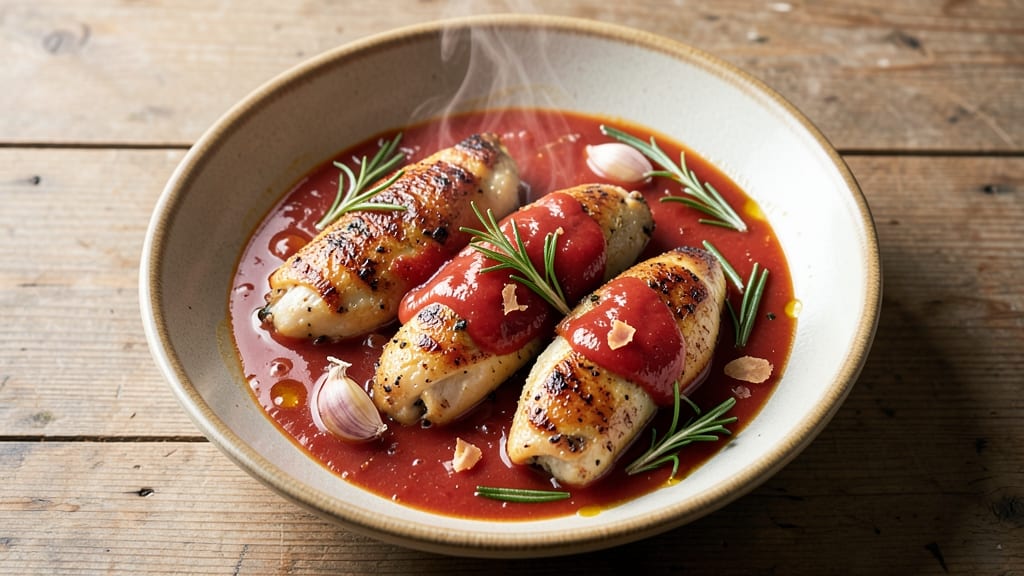
Combining Campbell's tomato soup with chicken cacciatore creates a one-pot Italian comfort dish that delivers restaurant-quality depth with minimal effort. This hybrid recipe transforms classic cacciatore into a richer, tomato-forward version while keeping the dish's rustic charm intact.
The secret lies in balancing the canned soup's convenience with fresh herbs and slow-cooked chicken for authentic flavor.
What makes this recipe special is its ability to deliver bold, savory comfort in just one pot—no chopping vegetables or multiple pans required. The Campbell's tomato soup serves as a flavorful base, while fresh garlic, rosemary, and white wine elevate it into something truly special.
It's the kind of dish that feels indulgent yet remains approachable for weeknight cooking.
By the time you're done, you'll have tender chicken pieces swimming in a rich, aromatic sauce with just the right balance of sweetness and acidity. The dish pairs beautifully with crusty bread, pasta, or even over polenta, making it versatile enough for any meal.
The best part? Every bite carries that comforting Italian soul you crave without the fuss of traditional recipes.
This recipe also works as a make-ahead meal, as the flavors deepen overnight. Perfect for feeding a crowd or prepping for the week, it proves that comfort food doesn't have to be complicated. Let's get cooking—your taste buds will thank you.
Ingredients for campbell's tomato soup chicken cacciatore
One can of tomato soup, fresh herbs, and chicken thighs transform into a restaurant-worthy one-pot wonder.
| Ingredient | Amount | Notes |
|---|---|---|
| Campbell's Tomato Soup 🍅 | 1 can | Condensed or regular, not low-fat |
| Boneless, Skinless Chicken Thighs 🍗 | 1 ½ lb | Cut into 1-inch pieces |
| Garlic Cloves 🧄 | 4 cloves | Minced, fresh preferred |
| Fresh Rosemary 🌿 | ¼ cup | Chopped, stems removed |
| Dry White Wine 🍷 | ½ cup | Sauvignon Blanc or Pinot Grigio |
| Chicken Broth 💧 | 1 cup | Low-sodium preferred |
| Canned Crushed Tomatoes 🍅 | ½ can | San Marzano if available |
| Extra-Virgin Olive Oil 🫒 | 2 tbsp | For searing chicken |
| All-Purpose Flour 🌾 | 1 tbsp | For dredging chicken |
| Salt 🧂 | 1 ½ tsp | Diamond Crystal kosher |
| Black Pepper 🌶️ | ½ tsp | Freshly cracked |
| Dried Oregano 🍃 | 1 tsp | Mexican oregano if possible |
| Red Bell Pepper 🌶️ | 1 whole | Diced, seeds removed |
| Fresh Parsley 🌿 | ⅛ cup | Chopped, for garnish |
The Campbell's tomato soup is your flavor anchor—condensed or regular, but not low-fat. Grab the classic red variety from any grocery store aisle; no need for specialty brands. For the chicken, thighs are key—they stay juicier than breasts during the long simmer. Cut them into even 1-inch pieces before cooking. Fresh rosemary makes all the difference here—look for vibrant green sprigs at the store, not the wilted kind. If you're using dried, it's one-third the amount, but fresh adds that authentic aroma. The white wine? Sauvignon Blanc or Pinot Grigio work perfectly; whatever's open in your fridge will do too.
No white wine? Chicken broth with a splash of apple cider vinegar mimics the acidity. Dried rosemary is fine in a pinch, but fresh is non-negotiable for that Italian soul. The crushed tomatoes? San Marzano if you can find it—sweeter and less acidic. Red bell pepper adds color and crunch; any color works, but red is traditional. The flour for dredging? All-purpose is fine, but if you've got Italian-style 00 flour, it adds a nice texture. For the herbs, farmers market freshness is ideal, but grocery store bunches work too—just check the stems aren't woody.
This dish tastes even better the next day—flavors meld beautifully when reheated. Store leftovers in an airtight container for up to 4 days in the fridge. For freezing, portion into single-serving containers—thaws perfectly for quick lunches. The sauce thickens as it cools, so a splash of broth or water brings it back to perfection when reheating. Garnish with fresh parsley right before serving—it brightens the dish instantly.
Why You'll Love This Recipe
- One-Pot Magic: I swear by this trick—just dump everything in one pan, and the Campbell’s soup does half the work. No chopping, no fuss, and honestly? The rosemary-infused wine reduction happens while you’re stirring. That’s 15 minutes of your life you’ll never get back.
- Wine-Infused Richness: The white wine deglazing with garlic and rosemary? Chef’s kiss. It cuts through the tomato soup’s sweetness, leaving you with a sauce that’s silky, bright, and just herbaceous enough to make you reach for another bowl. My husband licks the pan after I’m done—no joke.
- Weeknight to Dinner Party: This is my "I have zero energy but want to impress" dish. Serve it over crusty bread for a lazy night, or plate it with buttery pasta for company. The chicken stays juicy, the sauce clings perfectly, and it’s always the first thing gone. (Yes, even on a Tuesday night.)
- Budget-Friendly Leftovers: Chicken thighs are cheap, Campbell’s soup stretches, and the flavors only get better the next day. I make double batches—one for dinner, one for lunch—and freeze portions for those "I can’t decide what to eat" days. No sad, dry reheats here; the sauce stays luscious.
Step-by-step instructions for Campbell's tomato soup chicken cacciatore
This one-pot wonder delivers deep Italian flavors with minimal cleanup—perfect for cozy nights.
Sear the Chicken for Maximum Flavor
Heat the 2 tablespoons extra-virgin olive oil in a large Dutch oven over medium-high heat until shimmering. Pat the 1.5 lb boneless, skinless chicken thighs dry with paper towels—this ensures a proper sear. Working in batches if needed, add the chicken pieces to the pot and cook undisturbed for 3-4 minutes per side until golden brown with crisp edges.
Here's the thing—don't crowd the pan. You want those chicken pieces to develop a deep crust without steaming. Once all pieces are browned, transfer them to a plate and set aside. You'll notice the oil will darken slightly from the caramelized chicken—this is flavor gold that we'll incorporate later.
Build the Aromatic Base
With the chicken removed, reduce heat to medium and add the 4 cloves minced garlic and 0.25 cup chopped fresh rosemary to the Dutch oven. Cook for 1-2 minutes until the garlic becomes fragrant and just begins to color—this prevents bitterness while developing flavor. Immediately sprinkle in the 1 tablespoon all-purpose flour and stir vigorously for 30 seconds to toast it lightly.
This flour coating will help thicken our sauce later. Next, pour in the 0.5 cup dry white wine and scrape up all those delicious browned bits from the bottom of the pot. Let the wine simmer for 2-3 minutes until reduced by half. You'll smell that rich, concentrated aroma—this is where the magic begins.
Develop the Tomato Sauce
Add the 1 can Campbell's tomato soup, 0.5 can canned crushed tomatoes, 1 cup chicken broth, 1.5 teaspoons salt, 0.5 teaspoon black pepper, and 1 teaspoon dried oregano to the pot. Stir well to combine, then return the chicken to the pot. Bring everything to a gentle simmer over medium-low heat, then reduce to low heat and cover partially with a lid.
The reason we're keeping this at a low simmer is to let the chicken cook through gently while the flavors meld. Let it cook for 20-25 minutes, stirring occasionally, until the chicken is cooked through (internal temperature should reach 165°F). Here's where patience pays off—the longer the chicken simmers in this rich sauce, the more tender and flavorful it becomes.
Finish with Bell Pepper and Fresh Herbs
After the chicken is cooked, stir in the 1 whole diced red bell pepper and continue simmering uncovered for 10-15 minutes until the sauce has thickened slightly and the bell pepper is tender. Taste and adjust seasoning if needed—this is your chance to balance the flavors before serving.
In the final minutes, stir in the 0.125 cup chopped fresh parsley. This bright herb will cut through the richness of the tomato sauce and add a fresh finish. Let the dish sit off heat for 5 minutes before serving—this allows the flavors to settle and the sauce to thicken just right.
Serve with Crusty Bread
Ladle the chicken cacciatore into bowls, making sure each serving gets generous portions of both chicken and sauce. The perfect presentation includes a sprinkle of extra fresh parsley on top and a side of warm crusty bread for soaking up every last bit of that rich tomato sauce.
This one-pot Italian comfort dish delivers all the cozy, satisfying qualities of a classic cacciatore while keeping things simple. The Campbell's tomato soup adds a convenient depth of flavor that you'd normally need to build from scratch, making this the perfect weeknight dinner that still feels special.
Pro Tips For Making Campbell'S Tomato Soup Chicken Cacciatore
- Brown the Chicken First: Skip the urge to toss raw chicken straight into the soup—sear the thighs in olive oil over medium-high heat until golden on both sides. I learned this the hard way: uncooked chicken in the sauce makes the dish taste like a sad, watery stew instead of rich cacciatore.
- Smash That Garlic: Don’t just mince the garlic—smash the cloves with the flat of your knife first, then finely chop. This releases more flavor into the oil before the wine deglazes, and it’s a game-changer for that deep, aromatic base.
- Deglaze with Wine: Pour in the white wine as soon as the chicken comes out of the pan, scraping up every browned bit from the bottom. Let it simmer for 2 full minutes before adding the tomato soup—this builds layers of flavor that just dumping soup in won’t give you.
- Stir in the Soup Late: Hold off on adding the Campbell’s Tomato Soup until the garlic, wine, and herbs have cooked down for at least 5 minutes. This lets the alcohol evaporate and the rosemary bloom, so the soup doesn’t just dilute everything into mush.
Wine and beer pairings for this campbell's tomato soup chicken cacciatore
White Wine Pairings
A crisp, dry Sauvignon Blanc from New Zealand or a zesty Pinot Grigio from Italy mirrors the dish's bright acidity and herbal notes. The wine's citrus undertones complement the tomato sauce's richness while cutting through the dish's depth.
I always reach for a bottle with 12-13% ABV—enough body to stand up to the chicken but light enough to not overpower the meal. 🍷
Red Wine Options
For those who prefer red, a light-bodied Chianti or Valpolicella works beautifully. These Italian varieties offer cherry and plum notes that harmonize with the tomato sauce while their moderate tannins won't clash with the dish's creaminess.
Look for a bottle with 13-14% ABV and at least 6 months of aging—you'll taste the difference in complexity.
Beer Pairings
A Belgian Witbier like Hoegaarden brings refreshing coriander and citrus notes that cleanse your palate between bites. The beer's effervescence also helps cut through the dish's richness.
For a local option, try a crisp American lager—Peroni or Stella Artois—both of which provide a neutral backdrop that lets the cacciatore shine. 🍺
Non-Alcoholic Choices
Sparkling apple cider with a splash of lemon offers the same refreshing acidity as wine without the alcohol. For something more substantial, try a ginger beer—the spice complements the rosemary and garlic beautifully.
I keep a bottle of San Pellegrino Aranciata on hand for its bright orange flavor, which pairs surprisingly well with the tomato base.
Serving Temperature
Serve your wine or beer slightly chilled—50-55°F for whites and 55-60°F for reds. The cool temperature enhances the dish's flavors without numbing your palate. For beer, 45-50°F works perfectly.
I always let my wine breathe for 10-15 minutes before pouring to open up its aromas and make the pairing even more harmonious. 💫
Regional Twists
In Tuscany, they'd pair this dish with a Chianti Classico, while Venetian cooks might opt for a Prosecco—its bubbles and sweetness contrast the savory sauce. For a Southern Italian touch, try a Lambrusco—a slightly sparkling red wine that adds a fun, effervescent element to the meal.
Each region's choice reflects their local palate and climate, proving that even comfort food has regional soul.
Nutrition facts
Frequently asked questions
Can I substitute chicken breasts for thighs in this recipe?
Chicken thighs are ideal because they stay juicy during the long simmer. If using breasts, cut them into ½-inch pieces and reduce cooking time to 15 minutes after adding them back to the pot. They cook faster and can dry out if over-simmered. For best results, brining the breasts for 30 minutes beforehand helps retain moisture.
What if I don't have white wine? Can I use something else?
Use ½ cup chicken broth + 1 tablespoon apple cider vinegar for acidity, or ½ cup tomato juice for a deeper tomato flavor. For richness, add 1 tablespoon butter at the end. The key is balancing acidity and fat—just avoid plain water, which will make the sauce flat.
How can I make this dish spicier?
Add ½ teaspoon red pepper flakes when searing the chicken, or stir in 1 chopped jalapeño with the bell pepper. For heat lovers, finish with 1 teaspoon hot sauce (like Tabasco) or a sprinkle of crushed chili flakes. Remember: add spices gradually and taste as you go!
Can I make this in a slow cooker?
Yes! Brown the chicken first in a skillet, then transfer everything to the slow cooker. Cook on low for 4-5 hours or high for 2-3 hours. The sauce will be thinner, so reduce it on the stove for 5-10 minutes before serving. Slow cooking enhances tenderness but requires extra thickening at the end.
Why did my sauce turn out too thin?
This usually happens if you didn't toast the flour or simmer long enough. Next time, cook the flour for 1 full minute after adding it to the garlic, and simmer uncovered for 5-10 extra minutes at the end. For quick fixes, mix 1 tablespoon cornstarch with 2 tablespoons water and stir it in while simmering.