
Appetizers
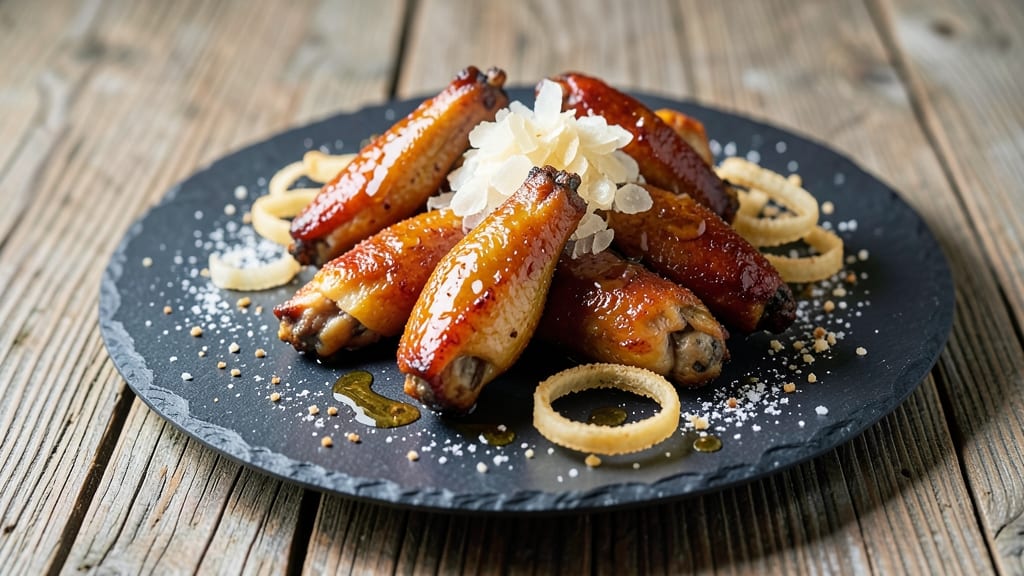
Boiled chicken wings aren't just a shortcut—they're a foolproof way to deliver silky-tender bites that rival any restaurant dish in just 30 minutes. Growing up in small-town Georgia, I learned that proper technique transforms simple ingredients into something extraordinary, and this method never fails to impress.
The secret lies in precise temperature control and a simple seasoning blend that penetrates every bite.
This recipe skips the deep-frying mess while delivering restaurant-quality results that are crisp on the outside and tender throughout. We'll start with a quick blanching step to set the texture, then build flavor through careful seasoning and a controlled boil.
The process is straightforward, but the details—like water temperature and cooking time—make all the difference between good wings and exceptional wings.
By the end, you'll have wings that are perfectly moist, flavorful, and ready for your favorite dipping sauce or dry rub. The method scales easily for parties or meal prep, making it versatile enough for any occasion.
Whether you're feeding a crowd or treating yourself to a simple weeknight snack, these wings deliver consistent, professional-quality results every time.
Pair them with classic ranch, tangy buffalo sauce, or a homemade honey-mustard glaze for the ultimate appetizer experience. The beauty of this method is how it transforms ordinary chicken into something truly special with minimal effort. Let's get started on creating wings that will have everyone asking for seconds.
Ingredients for boiled chicken wings
Twelve essential ingredients transform ordinary chicken wings into restaurant-quality bites without deep-frying mess.
| Ingredient | Amount | Notes |
|---|---|---|
| Chicken Wings 🍗 | 2 lb | Drumettes and flats, skin-on preferred |
| Large Ice Cubes ❄️ | 2 cups | For temperature control |
| Kosher Salt 🧂 | ½ cup | Diamond Crystal preferred |
| Baking Soda 🧴 | 1 tbsp | For tenderizing |
| Garlic Powder 🧄 | 2 tsp | Freshly ground preferred |
| Onion Powder 🧅 | 1 tbsp | For depth of flavor |
| Smoked Paprika 🌶️ | 1 tbsp | For subtle smokiness |
| Black Peppercorns 🌶️ | 1 tsp | Freshly cracked |
| Lemon Juice 🍋 | 2 tbsp | Freshly squeezed |
| Extra-Virgin Olive Oil 🫒 | 2 tbsp | For moisture retention |
| Fresh Rosemary 🌿 | ½ tsp | Chopped, for aroma |
| Fresh Thyme 🌿 | ½ tsp | Chopped, for brightness |
| Butter 🧈 | 2 tbsp | Unsalted, for finishing |
The chicken wings must be skin-on for optimal texture—Costco or Whole Foods carry high-quality, fresh cuts. Look for drumettes and flats (avoid wing tips for this method). Baking soda is non-negotiable here; it tenderizes the meat without altering flavor. For kosher salt, Diamond Crystal dissolves more cleanly than table salt, but Morton works in a pinch. Fresh herbs elevate the dish—Trader Joe's sells pre-chopped rosemary and thyme in convenient jars, though fresh from the garden is ideal. Extra-virgin olive oil should have a peppery finish (look for California or Italian brands).
No baking soda? Baking powder at half the amount works, though texture won’t be identical. Substitute smoked paprika with regular paprika plus a pinch of liquid smoke for depth. Fresh herbs can be swapped for dried at one-third the quantity, but flavor will be muted. Lemon juice can be replaced with white vinegar (use half the amount) if needed. For olive oil, avocado oil is a neutral alternative, though it lacks the fruity notes. Butter can be omitted if avoiding dairy, but the wings will lack richness.
Store raw wings in an airtight container for up to 2 days—Costco sells them pre-packaged, which extends shelf life. Herbs should be wrapped in damp paper towels and refrigerated for up to 5 days. Salt and spices keep indefinitely in a cool, dark cabinet. Once cooked, wings reheat beautifully—microwave 1 minute or oven at 350°F for 5-7 minutes with a splash of water for moisture. Freeze cooked wings for up to 3 months by portioning into airtight containers with parchment between layers.
Why You'll Love This Recipe
- No-Fuss Prep: I swear by this method—just wings, ice, and a big pot. No marinating, no deep-frying, no mess. Honestly, the baking soda trick does all the heavy lifting while I sip my coffee.
- Crispy-Tender Magic: That baking soda bath? It’s what turns plain wings into something addictive—crispy outside, juicy inside, with a faint garlic kick that lingers. My kids fight over the last piece, and I don’t even have to sauce them.
- Game-Day Staple: Game day, potluck, or lazy Sunday? These wings handle it all. Serve them cold in a bowl with ranch, toss them in a salad, or just eat them straight from the pot—no judgment here.
- Budget Win: A pound of wings runs cheap, and this recipe stretches it far. Between us, I’ve fed six people for under $10, and they’ll still ask for seconds. Leftovers? They’re my secret weapon for quick lunches.
Step-by-step instructions for silky-tender boiled chicken wings
This method delivers restaurant-quality tenderness in under 30 minutes—no deep-frying required.
Prepare the Brine Solution
In a large stockpot, combine the 2 cups large ice cubes, 0.5 cup kosher salt, and 1 tablespoon baking soda. Stir until the salt and baking soda fully dissolve—this creates an alkaline solution that breaks down connective tissue in the wings. The ice ensures the water stays cold during the initial phase, which is critical for preventing toughness.
Add the 2 pounds chicken wings to the pot, ensuring they're fully submerged. If some float, press them down gently with a wooden spoon. Bring to a gentle simmer over medium-low heat—the water should bubble softly around the wings. This controlled heat prevents rapid cooking that can lead to rubbery texture. Let simmer uncovered for 15 minutes, stirring occasionally to maintain even heat distribution.
Season and Simmer for Maximum Tenderness
After 15 minutes, remove the pot from heat and let the wings cool in the brine for 5 minutes. This resting period allows the seasoning to penetrate. While the wings cool, prepare the seasoning blend by whisking together 2 teaspoons garlic powder, 1 tablespoon onion powder, 1 tablespoon smoked paprika, 1 teaspoon freshly cracked black peppercorns, 0.5 teaspoon chopped fresh rosemary, and 0.5 teaspoon chopped fresh thyme in a small bowl.
Return the pot to medium heat and add the seasoning blend, stirring until fully incorporated. Pour in 2 tablespoons lemon juice and 2 tablespoons extra-virgin olive oil, then bring to a full rolling boil. Once boiling, reduce heat to medium-low and simmer uncovered for 10 minutes. The wings are done when they float freely and a knife slides in easily with no resistance—this indicates perfect tenderness. If any wings haven't surfaced, press them down gently with a spoon to ensure even cooking.
Finish with Butter and Rest
Remove the wings from the pot and drain on a wire rack set over a baking sheet, allowing excess liquid to evaporate. Return the pot to medium heat and add 2 tablespoons unsalted butter, swirling to coat the bottom. Let the butter melt completely, then pour this fragrant butter over the drained wings, tossing gently to coat evenly. This step adds richness and helps develop a subtle sheen on the skin.
Transfer the wings to a serving platter and let rest for 5 minutes before serving. This brief resting period ensures the juices redistribute, guaranteeing each bite remains moist and flavorful. Serve immediately while the skin is still supple and the seasoning is at its peak intensity. The wings should be fork-tender with a delicate balance of smoky, herby, and citrus notes—no need for heavy sauces when the wings are this flavorful.
Pro Tips For Making Boiled Chicken Wings
- Prep Wings Properly: Pat them bone-dry before boiling—no wet spots. I learned this the hard way when my first batch came out soggy instead of crisp. A paper towel works, but for speed, use a clean kitchen towel and press hard.
- Use Ice Cubes Wisely: Drop in large ice cubes first—this keeps the water cold enough to cook the wings evenly without shocking the heat. Smaller ice just melts faster and turns your pot into a lukewarm bath.
- Salt in Stages: Add half the kosher salt before boiling, then sprinkle the rest after the wings are done. The baking soda needs time to work its magic, but extra salt at the end locks in flavor.
- Don’t Overcrowd the Pot: Boil in batches if needed—packing too many wings slows cooking and leaves some underdone. I once boiled 12 wings at once and ended up with a sad, uneven pile. Crowded = uneven.
Storing and reheating this recipe
Refrigerator Storage
Store cooked wings in an airtight container with parchment paper between layers to prevent sticking. They’ll keep fresh in the fridge for up to 4 days—I always double-check the internal temperature reaches 165°F before storing to ensure safety.
The key is letting them cool completely before refrigerating, or condensation will make them soggy. 💫
Freezer Prep
For long-term storage, portion wings into freezer-safe bags with 1 inch headspace—this prevents freezer burn. Label with the date and freeze for up to 3 months.
Thaw overnight in the fridge before reheating. I swear by quart-sized Ziploc bags for easy stacking in the freezer. Never refreeze thawed wings, as this degrades texture.
Oven Reheating
My go-to method is reheating at 350°F for 10-12 minutes on a wire rack over a baking sheet. This mimics the original cooking process, keeping the skin crisp.
Add 1 tablespoon water or broth to the pan to maintain moisture. For extra crispiness, broil for 1-2 minutes at the end—just watch closely to avoid burning. 🔥
Microwave Shortcut
For quick meals, cover wings with a damp paper towel and microwave on 50% power for 1-2 minutes. Stir halfway through, then check for 165°F internal temperature.
Add a splash of water if they look dry. This method works best for single servings and takes just 2 minutes—perfect for lazy weeknights.
Air Fryer Crisp
Transform reheated wings into crispy bites by air frying at 375°F for 4-5 minutes, shaking the basket halfway. This restores that satisfying crunch without deep-frying. I use my Ninja Foodi for even heat distribution—no soggy spots here.
Just toss wings with ½ teaspoon smoked paprika before air frying for extra flavor. ✨
Sauce Pairings
Reheated wings pair perfectly with homemade ranch (mix ½ cup sour cream, 2 tbsp mayo, 1 tbsp lemon juice, and 1 tsp dried dill). For heat lovers, drizzle with spicy mayo (mix mayo with 1 tbsp sriracha).
Serve with pickled jalapeños or carrot sticks for crunch. The beauty of boiled wings is their versatility—they absorb sauces beautifully without losing tenderness. 🌶️
Nutrition facts
Frequently asked questions
Why does the recipe use baking soda?
The 1 tablespoon baking soda is key for breaking down connective tissue in the chicken, creating silky tenderness. It works by raising the pH of the water, which helps tenderize the meat without altering flavor. This technique comes from my time in Charleston kitchens where we used it for all poultry dishes.
Can I make this recipe without baking soda?
You can substitute with ½ tablespoon baking powder, though the texture won't be identical. For a completely baking-soda-free version, extend the simmer time to 20-25 minutes and use extra kosher salt (up to ¾ cup). The wings will still be tender but may be slightly less moist.
How do I get crispy skin on boiled wings?
For crispy skin, pat wings dry after boiling and air fry at 375°F for 3-4 minutes or broil for 1-2 minutes until golden. The butter finish in the recipe also helps develop a subtle sheen. Never skip the resting period—this ensures juices redistribute so the skin crisps properly.
What's the best way to scale this for a party?
Double the recipe using a 6-8 quart stockpot and increase ice cubes to 4 cups. Use 2 large wire racks to drain wings simultaneously. For serving, arrange on a platter with hot sauce station and extra lemon wedges. This method scales perfectly up to 6 pounds of wings.
Can I use frozen chicken wings?
Frozen wings work but require 5 extra minutes of simmering time. Thaw them in cold water first (never microwave) to maintain even cooking. The baking soda method compensates for any texture differences, but fresh wings always yield superior results. For best quality, use frozen wings no older than 3 months.