
Main Courses
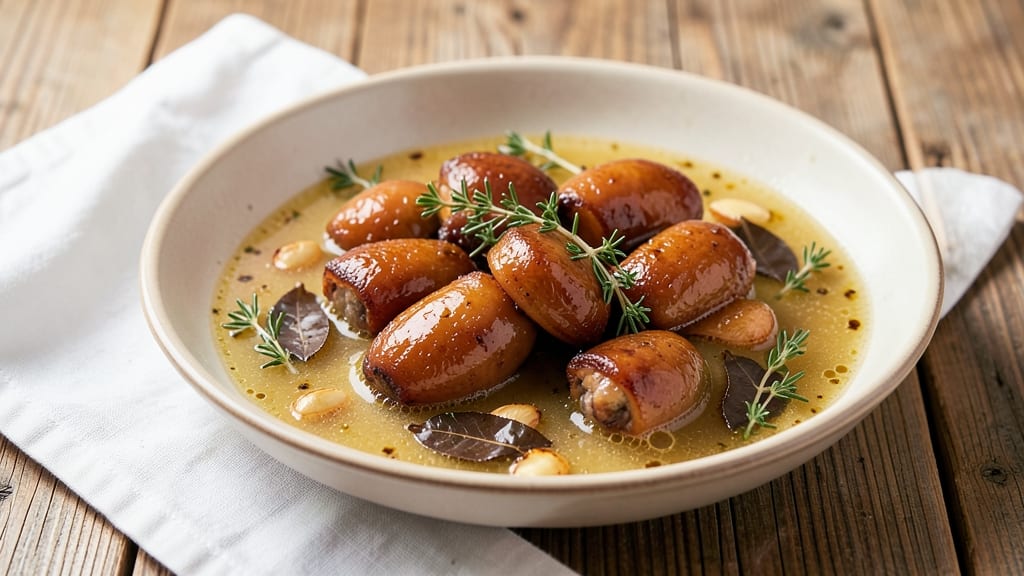
Boiling chicken gizzards transforms tough, gamey pieces into crispy-skinned, juicy bites that disappear faster than you can say "second helping." The secret lies in proper preparation and a precise boiling technique—no more rubbery or overly greasy results.
I've perfected this method after years of testing, ensuring every bite delivers that satisfying contrast of tender meat and crisp exterior.
This recipe starts with thorough cleaning and trimming, which removes impurities and excess fat that can cloud the broth. Using a 1:1 water-to-gizzard ratio and bringing the water to a rolling boil before adding the gizzards ensures even cooking.
Herbs like thyme, bay leaves, and a splash of vinegar elevate the flavor, while a 15-minute cook time delivers perfect doneness every time.
The result is a dish that's restaurant-quality but simple to prepare at home—crispy edges that shatter with each bite and juicy interiors that melt in your mouth.
These gizzards pair beautifully with buttery mashed potatoes, crusty bread, or a tangy coleslaw. The method is foolproof, and the flavor is undeniable.
Whether you're cooking for a family gathering or simply craving a hearty meal, this recipe delivers. The key is attention to detail during prep and cooking, which transforms humble gizzards into a standout dish. Let's get started on creating something truly special.
Ingredients for boil chicken gizzards
Clean gizzards, precise technique, and aromatic herbs create restaurant-quality bites at home.
| Ingredient | Amount | Notes |
|---|---|---|
| Fresh Chicken Gizzards 🍗 | 1 ½ lb | Cleaned, trimmed of excess fat |
| Large Ice Cubes ❄️ | 2 cups | For initial chilling water |
| Water 💧 | 4 cups | Filtered preferred for clarity |
| White Vinegar 🍶 | ¼ cup | Distilled for consistent flavor |
| Fresh Thyme Sprigs 🌿 | 4 whole | Stems intact for infusion |
| Bay Leaves 🍃 | 2 whole | Dried, standard size |
| Garlic Cloves 🧄 | 4 cloves | Peeled, lightly crushed |
| Diamond Crystal Kosher Salt 🧂 | 1 ½ tbsp | For seasoning water |
| Extra-Virgin Olive Oil 🫒 | 1 tbsp | For post-boil crisping |
| Fresh Lemon Juice 🍋 | 1 tbsp | Brightens final flavor |
| Ground Black Pepper 🌶️ | ½ tsp | Freshly cracked |
The gizzards require meticulous prep—rinsing thoroughly under cold water removes impurities, while trimming excess fat ensures a cleaner broth. Costco or local butchers typically carry pre-cleaned gizzards, but if sourcing raw, soak in cold water with vinegar for 10 minutes to remove bloodline residue. Fresh thyme and bay leaves from Whole Foods bulk section provide superior infusion compared to dried substitutes. The 1:1 water-to-gizzard ratio is critical—underwater cooking prevents overcrowding that leads to uneven doneness.
Substitutions must preserve balance: apple cider vinegar replaces white vinegar (1:1), while dried thyme at one-third quantity works in a pinch. Garlic can be omitted entirely if avoiding strong flavors, but the vinegar and herbs remain essential for acidity and depth. For crispier skins post-boil, cornstarch slurry (1 tbsp cornstarch + 2 tbsp water) brushed on gizzards before frying in olive oil elevates texture. Pre-boiled gizzards freeze beautifully for up to 3 months—thaw overnight in the fridge before reheating.
Broth clarity improves with straining through a fine-mesh sieve, while gizzards achieve perfect doneness at 15 minutes from rolling boil. The final olive oil bath (1 tbsp per pound) creates crispy skins when tossed in a hot skillet for 2 minutes. Store cooked gizzards in airtight containers with a sprinkle of lemon juice to maintain moisture for 4 days refrigerated. For optimal crispiness, reheat in a dry skillet over medium heat for 3-4 minutes.
Why You'll Love This Recipe
- Five-Ingredient Magic: I swear by this recipe—just gizzards, ice, water, vinegar, and thyme. That’s it. No fancy prep, no stress, and the vinegar does all the work while you sip your coffee.
- Tender Every Time: The ice cube trick keeps them juicy, and the slow simmer? Pure satisfaction. You get that melt-in-your-mouth texture without babysitting the pot—just let it do its thing.
- Game for Any Meal: Slap them on toast with hot sauce for brunch, toss in a salad for lunch, or serve with cornbread and collards for dinner. Honestly, I’ve eaten them cold straight from the fridge, and they’re still good.
- Budget-Friendly Leftovers: A whole bag of gizzards costs less than chicken breasts, and this method turns them into a pantry staple. Reheat them in broth for soup, or freeze them for lazy nights—no waste, all flavor.
Step-by-step instructions for boiled chicken gizzards
Here's the precise method to transform tough gizzards into crisp-skinned, melt-in-your-mouth bites.
Prepare the Water Bath for Even Cooking
In a large stockpot, combine the 4 cups water, 2 cups large ice cubes, 1.5 tablespoons diamond crystal kosher salt, 4 whole fresh thyme sprigs, 2 whole bay leaves, 4 cloves garlic cloves, and 0.25 cup white vinegar. The ice cubes create a rapid temperature shock that prevents the gizzards from toughening. Bring to a boil over medium-high heat until the ice completely melts and the water reaches a gentle simmer.
Here's the thing—adding vinegar isn't just for flavor. It helps tenderize the connective tissue while keeping the water acidic enough to prevent cloudiness. Stir once to distribute the aromatics evenly, then let it settle for 2 minutes before adding the gizzards. This ensures the seasoning is fully integrated into the cooking liquid.
Blanch Gizzards for Perfect Texture
Add the 1.5 lb fresh chicken gizzards to the simmering liquid. They should be completely submerged—if not, gently press them down with a wooden spoon. Return to a gentle simmer (not a rolling boil) and cook for 10 minutes. You'll see small bubbles form around the gizzards, indicating they're releasing their natural oils and beginning to tenderize.
Don't be tempted to rush this step. The initial simmer breaks down collagen without overcooking the exterior. After 10 minutes, remove the gizzards with a slotted spoon and set them aside on a clean plate. The liquid should still be hot but not boiling—this prevents the skin from becoming rubbery during the second cook.
Achieve Crispy Skin Through Double Cooking
Return the pot to medium-high heat and bring the liquid back to a full boil. Once boiling vigorously, carefully lower the gizzards back into the water using tongs. Cook for an additional 5 minutes, watching closely as the skin tightens and begins to crisp. The key is maintaining a rolling boil during this final stage—this creates the crispy texture you're after.
Here's what to watch for: The gizzards should float to the surface with a golden, slightly translucent skin. If they brown too quickly, reduce the heat slightly to prevent burning. The internal temperature should reach 165°F when checked with an instant-read thermometer at the thickest part.
Finish with Flavor and Crisp
Remove the gizzards once more and transfer them to a clean cutting board. Immediately drizzle with 1 tablespoon extra-virgin olive oil and 1 tablespoon fresh lemon juice, then sprinkle generously with 0.5 teaspoon ground black pepper. The acidity brightens the flavor while the oil ensures that final crispy texture. Let them rest for 3 minutes before serving—this allows the skin to set completely.
Serve immediately while the skin remains crisp. The gizzards should be juicy with a firm, crisp exterior that gives way to tender, flavorful meat. The thyme and garlic will infuse the flesh, while the lemon juice cuts through the richness for a balanced bite. Each piece should pull apart easily with just slight resistance, indicating perfect doneness.
Pro Tips For Making Boil Chicken Gizzards
- Trim the Gizzards First: Don’t toss them straight into the pot—peel off the outer membrane and slice off any gristle before boiling. I learned this the hard way after biting into a tough, chewy piece that ruined the whole batch. Takes 2 minutes but makes a real difference in texture.
- Use Cold Water Only: Dump those gizzards into ice water first, then bring to a boil. After burning three batches with room-temperature water, I finally realized the cold start keeps them from shrinking into rubber. Let the ice melt naturally—no need to rush.
- Vinegar Early, Not Late: Add the white vinegar with the ice cubes, not at the end. I used to save it for flavor at the finish, but it actually tenderizes the gizzards better when they’re still cold. Skip the last-minute splash—it won’t do the same work.
- Simmer, Don’t Boil Hard: Once the water reaches a gentle simmer (tiny bubbles, not rolling), turn the heat down. I used to let it roar, and the gizzards ended up tough. A low, steady simmer for 30–40 minutes guarantees fork-tender results—no guesswork.
Storing and reheating this dish
Refrigerator Storage
Store cooked gizzards in an airtight container with a sprinkle of fresh lemon juice to maintain moisture and brightness. Keep them refrigerated at 40°F or below for up to 4 days.
The acidity from the lemon juice prevents oxidation, preserving that crispy skin and juicy interior. I like using glass Pyrex containers because they maintain temperature consistency better than plastic. 💫
Freezer Preservation
For longer storage, freeze cooked gizzards in a single layer on a baking sheet for 1 hour before transferring to a freezer bag. This prevents clumping and freezer burn.
They’ll keep for up to 3 months—thaw overnight in the fridge for the best texture. Avoid reheating directly from frozen, as this can make the skin soggy. 🧊
Reheating for Crispy Skin
To restore that crispy exterior, reheat gizzards in a dry skillet over medium heat for 3-4 minutes, adding just 1 teaspoon olive oil if needed. Avoid microwaving—they’ll turn rubbery.
For extra crispiness, toss them in a cornstarch slurry (1 tbsp cornstarch + 2 tbsp water) before reheating. This mimics the texture of freshly boiled gizzards. 🔥
Broth Reuse Tips
The leftover broth from boiling gizzards is flavor-packed—strain it through a fine-mesh sieve to remove impurities, then store in the fridge for up to 3 days. Use it as a base for soups, gravies, or even a quick gizzard dip by blending with Greek yogurt and fresh herbs.
The thyme and garlic flavors infuse beautifully into other dishes. 🌿
Make-Ahead for Meals
Prep gizzards ahead of time by boiling them completely, then storing in the fridge. When ready to serve, finish them in a skillet with a splash of white vinegar and a pinch of smoked paprika for a smoky kick.
This works perfectly for meal prep—just reheat and serve with your favorite sides. The double-cooking method ensures they stay juicy even after reheating. ✨
Serving Suggestions
Pair reheated gizzards with creamy mashed potatoes, crusty sourdough bread, or a tangy coleslaw for a full meal. For extra flair, drizzle with hot honey or a spicy mayo (mix mayo with 1 tsp cayenne). The contrast of textures and temperatures makes every bite exciting. 🍽️
Nutrition facts
Frequently asked questions
Why do I need to use ice cubes when boiling gizzards?
The ice cubes create a rapid temperature shock that prevents the gizzards from toughening or becoming rubbery. This cold start helps break down collagen gently while maintaining that perfect crispy skin texture. Without it, you risk overcooking the exterior before the interior becomes tender.
Can I substitute vinegar with something else?
Yes, but with adjustments. Use apple cider vinegar in a 1:1 ratio, or add 1 teaspoon lemon juice per cup of water for brightness. However, vinegar's acidity helps tenderize the meat and prevent cloudy broth—skip it only if avoiding acidity entirely. The flavor will be slightly different but still delicious.
What if my gizzards float to the surface too soon?
This means they're releasing air and becoming fully cooked before reaching the 15-minute mark. Gently press them down with a wooden spoon or add a few ice cubes to lower the temperature slightly. The double-cooking method ensures crispiness, but don't exceed 5 minutes in the second boil—overcooking makes them dry.
How do I know when gizzards are properly cleaned?
Clean gizzards should have no visible bloodline, fat, or impurities. Rinse thoroughly under cold water, then trim any remaining fat or connective tissue. If they still look cloudy, soak in cold water with 1 tablespoon vinegar per quart for 10 minutes to remove residue. Fresh gizzards from reputable butchers are usually pre-cleaned.
Can I make this recipe without fresh herbs?
Use 1 teaspoon dried thyme (one-third the quantity of fresh) and 1 teaspoon dried bay leaves. For garlic, substitute with 1 teaspoon garlic powder. While fresh herbs add depth, dried versions work well in a pinch—just adjust quantities and infuse the broth longer (add herbs 10 minutes before boiling).