
Main Courses
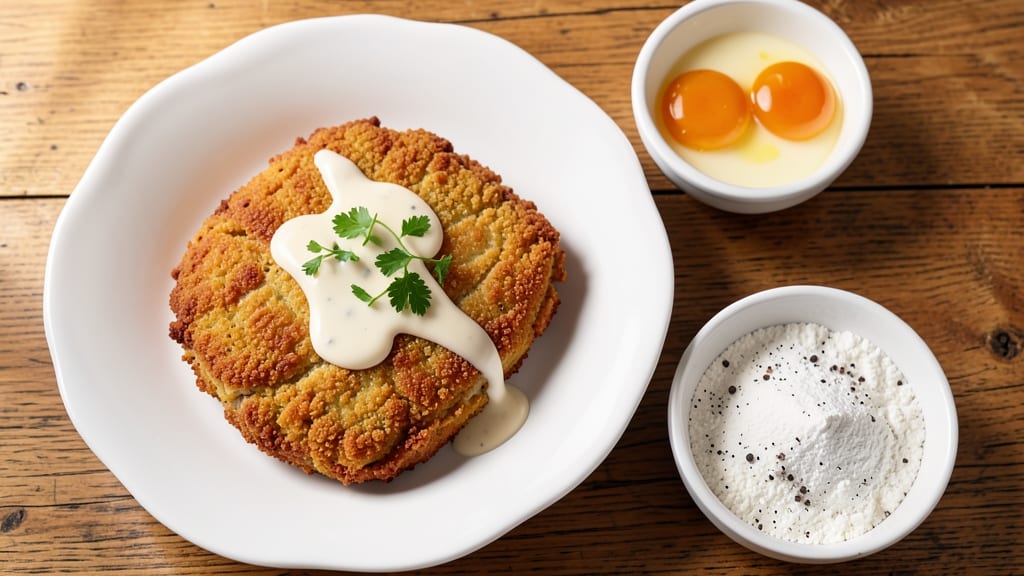
Betty Crocker's chicken fried steak delivers the ultimate comfort food experience with its signature crispy crust and rich gravy—just like Grandma used to make. After years of perfecting this recipe, I've developed a foolproof method that ensures tender steak and golden-brown breading every time, all in one pan.
The secret lies in the precise breading technique and slow-cooked gravy that makes this dish feel like a restaurant-quality meal.
This recipe transforms simple ingredients into a hearty, satisfying dinner that's perfect for weeknight meals or family gatherings. With just a few pantry staples and 30 minutes of active prep time, you'll have a classic comfort dish that's crispy on the outside and tender on the inside.
The roux-based gravy adds that extra layer of richness that makes this dish truly special, and it's easier to make than you might think.
What you'll end up with is a perfectly golden chicken fried steak with a crackling crust that gives way to juicy, flavorful beef beneath. The creamy gravy ties everything together, creating a dish that's impossible to resist.
Serve it with mashed potatoes, buttered corn, or a simple green salad for a complete meal that feels like a warm hug on a plate.
Whether you're recreating a childhood favorite or introducing this classic to new generations, this recipe delivers the comfort and satisfaction of homemade cooking without the fuss. Let's get started on creating this timeless dish that brings warmth and joy to the table.
Ingredients for betty crocker chicken fried steak
Simple pantry staples transform into a restaurant-worthy chicken fried steak with golden crust and velvety gravy.
| Ingredient | Amount | Notes |
|---|---|---|
| Cube Steak 🥩 | 1 ½ lb | Center-cut for tenderness, pounded 1/4-inch thick |
| All-Purpose Flour 🌾 | 1 ½ cups | Sifted for even coating |
| Large Eggs 🥚 | 2 whole | Room temperature for smooth dredging |
| Buttermilk 🥛 | ½ cup | Full-fat for richness |
| Salt 🧂 | 1 tbsp | Kosher or sea salt |
| Black Pepper 🌶️ | 1 tsp | Freshly ground preferred |
| Garlic Powder 🧄 | 1 tsp | Not garlic salt |
| Onion Powder 🧅 | 1 tsp | For depth of flavor |
| Paprika 🌶️ | ½ tsp | Smoked for color and flavor |
| Vegetable Oil 🫒 | 2 cups | High smoke point for frying |
| Unsalted Butter 🧈 | 2 tbsp | For roux, cold and cubed |
| All-Purpose Flour 🌾 | ½ cup | For gravy roux |
| Beef Broth 🍲 | 1 cup | Low-sodium preferred |
| Whole Milk 🥛 | ½ cup | Full-fat for creaminess |
The cube steak is non-negotiable—center-cut slices stay tender while developing that signature crust. Kroger or Costco often carry pre-cut steaks, but if buying whole, ask the butcher for the leanest portion. Pound the steaks to 1/4-inch thickness for even cooking. Avoid pre-breaded packages; homemade coating makes all the difference. For the flour, King Arthur or Bob's Red Mill brands sift beautifully, eliminating lumps that can disrupt the crispy texture. Store flour in an airtight container to prevent moisture absorption.
No buttermilk? Mix 1 tbsp lemon juice or vinegar with 1/2 cup milk—it works just as well. Running short on beef broth? Chicken broth with 1 tsp soy sauce adds depth. The gravy's secret lies in the roux: cold butter and flour prevent burning, while slow cooking develops a rich, velvety texture. For extra flavor, toast the flour in the butter for 30 seconds before adding liquid. If you prefer a tangier gravy, stir in 1 tsp Dijon mustard at the end. The milk can be substituted with half-and-half for a richer finish, though it may thicken slightly more.
Fry the steaks immediately after breading—they're best served fresh. Store leftover steaks in the fridge for 3-4 days, reheating in a skillet with a splash of broth to restore moisture. Gravy reheats beautifully; simply warm on the stove with a splash of milk or broth. For longer storage, freeze gravy in ice cube trays, then transfer to a container. Thaw overnight in the fridge before reheating. The breading loses crispiness when reheated, so enjoy it fresh or use leftovers for breakfast hash the next day.
Why You'll Love This Recipe
- Pantry Magic: I swear by this recipe when I forget to plan—just cube steak, flour, eggs, and buttermilk. No fancy ingredients, no last-minute grocery runs. The buttermilk soak alone transforms that tough steak into something tender and golden in one bowl.
- Crispy-Creamy Magic: That first bite—crunchy crust from the flour coating, melting into a buttermilk-soft center? It’s the kind of texture combo that makes you close your eyes. Honestly, I’ll take this over fancy steakhouse cuts any day.
- Leftovers That Shine: Double the recipe, pop extras in the fridge, and reheat with a splash of milk for that same creamy goodness. My kids actually ask for seconds of reheated chicken fried steak—proof it’s a keeper.
- Budget Feast: For under $10, I feed my whole family a meal that feels like a restaurant dish. The cube steak stretches far, the flour and eggs are cheap staples, and it’s way more satisfying than takeout. (Yes, even on a Tuesday night.)
Step-by-step instructions for Betty Crocker's chicken fried steak
Here's the classic method that delivers that iconic crispy crust and tender meat every time.
Prepare the Steak and Breading Station
Place the 1.5 lb cube steak between two sheets of plastic wrap. Using a meat mallet, pound it to an even ¼-inch thickness. This ensures even cooking and maximum tenderness. Pat the steak dry with paper towels—moisture is the enemy of crispy crusts, so take your time here.
In a shallow dish, whisk together the 0.5 cup buttermilk, 1 tbsp salt, 1 tsp black pepper, 1 tsp garlic powder, 1 tsp onion powder, and 0.5 tsp paprika. This marinade will infuse flavor and help create that signature golden crust. Let the steak sit in the marinade for 10 minutes while you prepare the next components.
Create the Crispy Crust
Set up three separate bowls. In the first, place the 1.5 cups all-purpose flour. In the second, crack the 2 whole large eggs. The third bowl will catch any excess breading. Dredge the steak first in the flour, tapping off excess, then dip into the egg mixture, letting any excess drip off. Finally, coat it thoroughly in the flour mixture again.
This three-step breading process creates the signature double-layer crust. Press the flour gently into the steak to ensure even coverage. The steak is now ready for frying—don't skip this step, as it's what gives chicken fried steak its characteristic texture.
Fry to Golden Perfection
Heat 2 cups vegetable oil in a large skillet over medium-high heat until it reaches 350°F. Use a thermometer for accuracy—this temperature ensures a crispy exterior without burning the crust. Carefully place the breaded steak in the hot oil and fry for 4-5 minutes on each side, turning only once, until golden brown and reaching an internal temperature of 160°F.
Here's the thing—don't rush this step. The steak needs time to develop that signature crispy crust. If it browns too quickly, reduce the heat slightly. Once done, transfer the steak to a wire rack set over a paper towel-lined plate to drain excess oil. Let it rest for 5 minutes before serving.
Make the Creamy Gravy
In the same skillet (no need to clean it—the browned bits are flavor), melt the 2 tbsp unsalted butter over medium heat. Whisk in the 0.5 cup all-purpose flour to form a roux, cooking for 1-2 minutes until golden brown. This creates the gravy's rich foundation.
Slowly whisk in the 1 cup beef broth and 0.5 cup whole milk, stirring constantly to prevent lumps. Bring to a simmer and cook for 5-7 minutes until the gravy thickens to your desired consistency. Season with additional salt and pepper if needed. The gravy should coat the back of a spoon smoothly.
Serve with Classic Comfort
Slice the rested steak into strips or serve whole, depending on preference. Ladle the creamy gravy over the top and serve immediately with mashed potatoes, buttered noodles, or a fresh green salad. The contrast of crispy steak with rich gravy and tender sides makes this dish a true comfort classic.
Real talk—the secret to success is patience. Don't cut into the steak too soon, and let the gravy simmer until properly thickened. This method delivers that iconic Betty Crocker texture and flavor that's been comforting families for generations.
Pro Tips For Making Betty Crocker Chicken Fried Steak
- Pound the Steak: Hit those cube steaks with a meat mallet until they’re about ½-inch thick—this keeps them tender and cooks evenly. I learned this the hard way after biting into a chewy, uneven piece that made me question my life choices.
- Chill the Buttermilk: Stick the buttermilk mixture in the fridge for at least 30 minutes before dipping the steaks—this thickens it just enough for a better crust. Sounds weird, but it works: your breading won’t slide off like sad, soggy confetti.
- Skip the Crowding: Fry one or two steaks at a time in your skillet, even if it means waiting. Overcrowding drops the oil temp, and you’ll end up with greasy, undercooked steaks instead of golden, crispy perfection.
- Rest Before Serving: Let the steaks sit under foil for 5 minutes after frying—this locks in juices so they don’t pool out onto your plate. I know, I know, but trust the process: your first bite will be worth the wait.
Pro cooking tips for betty crocker chicken fried steak
Breading Secrets
My grandmother always swore by the three-step breading method: flour, egg wash, then flour again. The first flour layer locks in moisture, while the egg binds everything together.
For extra crispiness, I like to add 1 tablespoon cornstarch to the final flour coating—it creates that satisfying crunch without compromising tenderness. 🥄
Temperature Control
Frying at 350°F is non-negotiable for that perfect golden crust. Too hot, and the breading burns before the steak cooks through. Too cool, and you'll end up with greasy, soggy results.
I use a Thermoworks thermometer—it's worth the investment for precision. If your oil starts smoking, immediately reduce the heat.
Gravy Mastery
The roux is where flavor happens. Cook it until it's golden brown (about 1-2 minutes)—this adds depth that raw flour can't match. For a smoother gravy, whisk in the liquids slowly while stirring constantly.
If it gets lumpy, strain it through a fine-mesh sieve. I like to finish with a splash of whole milk for extra creaminess.
Resting Matters
Skipping the 5-minute rest is a rookie mistake. This crucial step lets the juices redistribute, keeping your steak moist. I set mine on a wire rack over a plate to catch any drips—this also helps the crust stay crisp. Trust me, patience here makes all the difference. ⏳
Oil Management
Never reuse frying oil—it breaks down after one use and can make your breading soggy. I use vegetable oil because it has a high smoke point and stays neutral.
If you're concerned about waste, save the used oil in a sealed container in your freezer until you can dispose of it properly. For small batches, 2 cups is perfect—don't overcrowd the pan.
Grandmother's Trick
My grandmother always added a pinch of ground mustard to the gravy for that extra tang. It's optional, but it elevates the dish from good to unforgettable.
If you're feeling adventurous, try adding a dash of Worcestershire sauce for umami depth. The key is balance—start with just a pinch and adjust to taste. 💡
Nutrition facts
Frequently asked questions
Can I use a different cut of beef instead of cube steak?
While cube steak is ideal for its tenderness, you can substitute with sirloin tip roast or top round cut into thin slices. Avoid tougher cuts like flank steak—they won't yield the same tender result. For best texture, always pound the meat to 1/4-inch thickness before breading.
How do I make this recipe healthier?
Swap out half the vegetable oil for avocado oil (healthier fats) and use whole wheat flour for breading. For gravy, reduce butter to 1 tbsp and use low-fat milk. Bake instead of frying: coat steaks, place on a wire rack over a baking sheet, and bake at 400°F for 15-20 minutes, flipping halfway.
Why did my breading fall off in the pan?
This usually happens from one of three issues: moisture (skip patting dry), rushing the breading process (let each layer adhere fully), or oil too hot (keep at 350°F). Also, ensure your egg wash is room temperature—cold eggs won't bind properly. Press the flour coating firmly into the steak during the final step.
Can I make this ahead of time?
Prepare the breaded steaks up to 24 hours ahead and refrigerate uncovered on a wire rack (prevents sogginess). Fry just before serving. For gravy, make it fresh—the roux thickens when reheated. If you must reheat, warm in a skillet with 1 tbsp milk to restore creaminess. Store cooked steaks in the fridge for 3-4 days.
What's the best way to serve leftovers?
Shred the crispy crust into breakfast hash with potatoes and eggs, or slice into sandwiches with gravy and pickles. For a comforting meal, make chicken fried steak casserole: layer with mashed potatoes, cheese, and gravy, then bake at 375°F for 20 minutes. Gravy reheats best in a saucepan over low heat.