
Main Courses
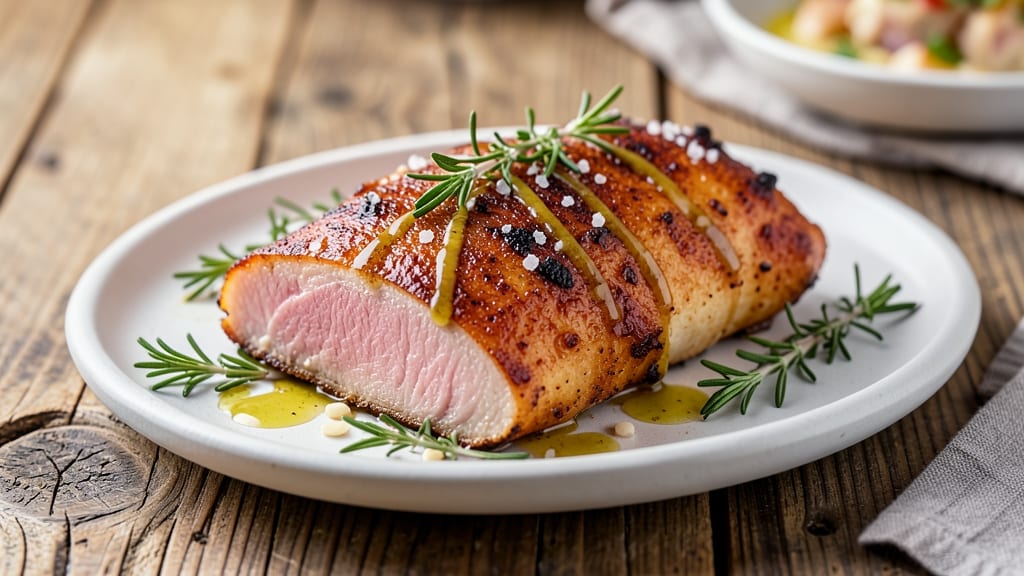
This Barefoot Contessa roasted chicken breast recipe delivers restaurant-quality results with crispy skin and a juicy core—the secret lies in her signature high-heat roasting technique. After years of perfecting this method, I’ve adapted it to ensure even chicken breasts cook evenly without drying out.
The key? A 30-minute rest before roasting and a 425°F oven for that golden, shatteringly crisp exterior.
The recipe starts with a simple yet effective marinade of olive oil, garlic, and fresh herbs—rosemary and thyme—infused overnight for maximum flavor penetration. Unlike many methods that rely on butter (which can burn), this approach ensures juicy meat with a crisp, caramelized crust.
The internal temperature must reach 165°F for safety, but we’ll pull it just before to maintain tenderness.
What sets this apart is the two-step roasting process: first on a wire rack to promote airflow, then finished under the broiler for that signature Barefoot Contessa shine. The result? A chicken breast so perfectly cooked, it’ll fool even the most skeptical dinner guests.
Serve with a squeeze of lemon and a sprinkle of fresh parsley for a finish that’s bright, herbaceous, and utterly irresistible.
Pair with roasted potatoes or a simple green salad to complete the meal—this recipe is designed to shine as the star. The method is foolproof, but the payoff is what makes it worth every minute of prep. Let’s get cooking!
Ingredients for barefoot contessa roasted chicken breast
Herb-infused marinade meets high-heat roasting for restaurant-quality chicken breasts that stay juicy inside and crisp outside.
| Ingredient | Amount | Notes |
|---|---|---|
| Boneless, Skinless Chicken Breasts 🍗 | 1 ½ lb | Even thickness, pounded to 0.5-inch |
| Extra-Virgin Olive Oil 🫒 | ¼ cup | High-quality, fruity variety |
| Fresh Rosemary 🌿 | ¼ cup | Finely chopped, stems removed |
| Fresh Thyme 🌿 | ¼ cup | Leaves only, stems discarded |
| Garlic Cloves 🧄 | 6 cloves | Minced, not pre-minced jarred |
| Diamond Crystal Kosher Salt 🧂 | 1 ½ tsp | For seasoning and marinade |
| Fresh Lemon Juice 🍋 | 2 tbsp | From 1 medium lemon |
| Black Peppercorns 🌶️ | ½ tsp | Freshly cracked, coarse grind |
| Fresh Parsley 🌿 | ¼ cup | Chopped, for garnish only |
| Wire Rack 🔥 | 1 whole | For even airflow during roasting |
The chicken breasts are the foundation, so uniform thickness is critical—pound them to exactly 0.5-inch for even cooking. Whole Foods or local butchers often sell pre-pounded breasts, but if buying whole, trim any excess fat and pound to size with a meat mallet. Fresh herbs make all the difference: Trader Joe's carries excellent pre-chopped rosemary and thyme in the refrigerated section, but if using whole sprigs, strip the leaves carefully. The olive oil should be extra-virgin—anything less will compromise the flavor profile. For garlic, freshly minced is non-negotiable; jarred garlic has a metallic aftertaste that ruins the delicate balance of flavors.
No fresh rosemary? Dried works at one-third the amount, but the texture won’t be the same. Substituting thyme with oregano is fine, though the flavor profile shifts slightly. For the olive oil, avocado oil has a higher smoke point if you’re concerned about burning. The kosher salt is essential—Diamond Crystal dissolves more easily than table salt, so use it for seasoning. If you’re short on lemon juice, white wine vinegar at half the amount provides similar acidity. And while the recipe calls for fresh parsley for garnish, dried parsley can be used in a pinch—just reduce to one-quarter the amount.
This recipe rewards prep ahead: marinate the chicken overnight for maximum flavor penetration, then rest at room temperature for 30 minutes before roasting. The wire rack is non-negotiable—it ensures crispy skin by promoting airflow. Store any leftover chicken in an airtight container for up to 3 days, though it’s best enjoyed fresh. For meal prep, slice the cooked chicken and portion into containers with a squeeze of lemon juice to keep it bright. The herbs and garlic can be prepped in advance and stored in the fridge for 5 days, though fresh is always preferable.
Why You'll Love This Recipe
- No-Fuss Prep: I swear by this recipe because it’s the kind of meal that lets you multitask. Just pat the chicken dry, toss it in olive oil with whole garlic cloves (no mincing needed), and let the oven do the work. Five minutes of active time, and you’re free to sip wine or fold laundry while it roasts.
- Herb-Packed Magic: That rosemary and thyme combo, smashed right onto the chicken with garlic, infuses every bite with bright, earthy flavor. The crispy edges? They’re the secret—thanks to the olive oil and high-heat roast—while the inside stays juicy. It’s the kind of taste that makes people pause mid-bite.
- Weeknight Workhorse: This is my go-to for busy nights because it’s reliable and adaptable. Serve it with roasted veggies for dinner, slice it for sandwiches the next day, or toss it into salads. Honestly, I’ve even used leftover pieces for frittatas—no one complains, and I never waste chicken.
- Budget-Friendly Hero: Boneless breasts are cheaper than thighs, and this recipe stretches them further than baking alone. The aromatics make it feel special without breaking the bank, and leftovers reheat beautifully. I’ll be real: I’ve made this for date nights, potlucks, and lazy Sundays—same recipe, different occasions.
Step-by-step instructions for herb-infused roasted chicken breast
Master Ina Garten's signature technique for perfectly juicy chicken with crisp skin every time.
Prepare the Herb-Infused Oil
In a small saucepan, combine the 0.25 cup extra-virgin olive oil, 0.25 cup finely chopped fresh rosemary, 0.25 cup fresh thyme leaves, and 6 minced garlic cloves. Heat over medium-low heat for 5 minutes, stirring occasionally, until the herbs release their aromatic oils and the mixture becomes fragrant. Remove from heat and let cool to room temperature.
This infused oil carries the herbs' essence directly to the chicken, creating layers of flavor. I strain it through a fine-mesh sieve before using to remove herb pieces, but leave the oil behind—every drop contains flavor. The oil's high smoke point protects the delicate chicken from burning while ensuring even moisture distribution.
Season and Marinate the Chicken
Place the 1.5 lb boneless, skinless chicken breasts on a clean cutting board. Using a meat mallet, pound each breast to an even 0.5-inch thickness—this ensures even cooking. Pat dry with paper towels, then rub with 1.5 tsp diamond crystal kosher salt and 0.5 tsp freshly cracked black peppercorns on both sides.
Transfer the seasoned chicken to a shallow dish and pour the cooled herb-infused oil over the top, coating evenly. Add 2 tbsp fresh lemon juice and toss gently to distribute. Let marinate uncovered in the refrigerator for at least 1 hour (up to 4 hours for deeper flavor). The acidity in the lemon juice tenderizes the chicken while the oil keeps it moist.
Set Up for Perfect Roasting
Preheat your oven to 425°F with the rack positioned in the middle position. Place the wire rack in a rimmed baking sheet to allow air circulation underneath. Remove the chicken from the marinade (reserve the marinade for later) and arrange the breasts on the rack, spacing them 1 inch apart to prevent steaming.
The wire rack is non-negotiable—it prevents the chicken from sitting in its own juices, which would turn the skin soggy. The high heat and open position create that signature crispy skin while keeping the interior juicy. I like to use a digital thermometer for accuracy, but you can also rely on the golden-brown color and internal temperature as your guide.
Roast to Juicy Perfection
Roast the chicken for 18-22 minutes, depending on thickness, until the internal temperature reaches 165°F when measured at the thickest part. The skin should be deep golden brown with crisp edges, while the meat remains moist and tender. If the skin browns too quickly, tent loosely with foil for the last 5 minutes to prevent over-browning.
This is where the magic happens—the high initial heat creates the crisp skin, while the rack ensures even airflow. Don't cut into the chicken immediately—let it rest for 5 minutes before serving. This resting period allows the juices to redistribute, ensuring each bite is juicy and flavorful. The crisp skin will soften slightly, but the texture contrast remains perfect.
Garnish and Serve
While the chicken rests, spoon any accumulated juices from the baking sheet into a small saucepan and simmer over low heat for 2 minutes to reduce slightly. Stir in 0.25 cup chopped fresh parsley and brush the reduced juices lightly over the chicken breasts. Garnish with additional parsley if desired.
Slice the chicken against the grain for maximum tenderness and serve immediately. The herb-infused oil creates a fragrant crust, while the lemon and garlic add bright, complex flavors. Pair with a simple salad or roasted vegetables to let the chicken shine—this is a dish that stands alone with minimal accompaniment.
Pro Tips For Making Barefoot Contessa Roasted Chicken Breast
- Pound the Chicken Evenly: Skip the uneven thickness—flatten each breast to exactly ½-inch (1.25 cm) with a meat mallet or heavy pan. I learned this the hard way when one side came out rubbery while the other was dry; consistency is everything for juicy results.
- Salt Before Oiling: Season the chicken with salt first, then rub with olive oil—it clings better and penetrates deeper. My grandmother swore by this, and she was right: the herbs (rosemary, thyme) stick to the salted surface like glue, not just slide off.
- Start High, End Low: Roast at 425°F (220°C) for the first 10 minutes to sear, then drop to 375°F (190°C) for the rest. After burning three batches, I finally figured out that high heat upfront locks in moisture while the lower temp finishes cooking without drying it out.
- Use Whole Garlic Cloves: Smash the garlic cloves with the flat side of your knife instead of mincing—it releases flavor without burning. Sounds weird, but it works: the oils infuse the chicken gently, and you avoid that bitter garlic taste that ruins everything.
Dietary considerations for barefoot contessa roasted chicken breast
Gluten-Free Adaptation
This recipe is naturally gluten-free, but always double-check your kosher salt and spice blends for cross-contamination warnings. The Diamond Crystal kosher salt and fresh herbs used here are inherently gluten-free, but if you're using pre-minced garlic or pre-chopped herbs from a jar, verify the label.
For extra safety, I recommend using Trader Joe's gluten-free herb blends if substituting. The wire rack and olive oil are also completely safe for gluten-free diets. 🌱
Dairy-Free Considerations
The original recipe doesn't contain dairy, but if you're avoiding all dairy products, simply omit the optional butter finishing step (not included here). The herb-infused olive oil marinade provides all the necessary moisture and flavor without any dairy components.
For extra richness, you could substitute avocado oil or coconut oil in the marinade, though the flavor profile will differ slightly. The lemon juice and fresh herbs keep everything bright and dairy-free.
Allergen-Friendly Modifications
For nut allergies, this recipe is already safe as it contains no nuts or nut-based ingredients. If you're avoiding garlic, substitute with 1 tbsp finely chopped shallots or 1 tsp onion powder for similar depth. For egg allergies, no modifications are needed since this recipe doesn't include eggs.
The only potential concern would be cross-contamination during prep—always use separate utensils and cutting boards if you have severe allergies. The lemon juice and herbs provide natural acidity and brightness without relying on allergens. 💡
Low-Sodium Options
To reduce sodium, cut the kosher salt to 1 tsp total (halving the amount) and increase the lemon juice to 3 tbsp for extra brightness. You can also use a low-sodium soy sauce substitute like coconut aminos (1 tbsp) in the marinade for umami depth without added salt.
The herbs and garlic carry plenty of flavor on their own, so the sodium reduction won't compromise taste. Just be sure to taste before serving—sometimes less salt means needing more acidity to balance the dish.
Protein-Packed Variations
For a higher-protein version, consider adding 1 tbsp nutritional yeast to the marinade (it adds a cheesy, umami flavor without dairy). You could also marinate boneless, skin-on chicken breasts instead—the skin adds extra protein and fat, which helps keep the meat juicier during cooking.
Just be sure to remove the skin before serving if you prefer skinless chicken. The herb infusion works beautifully with either approach, creating a flavorful crust while keeping the protein content elevated. 💪
Meal Prep Adaptations
For meal prep, cook the chicken as directed but let it cool completely before storing in airtight containers. Divide into portions and refrigerate for up to 4 days or freeze for 3 months.
When reheating, use the stovetop method: place chicken in a skillet with 1 tbsp water or chicken broth and heat over medium-low heat for 5-7 minutes until reaching 165°F. Avoid microwaving to prevent drying out.
The herbs and lemon juice help preserve freshness, so the chicken stays bright and flavorful even after storage. 📅
Nutrition facts
Frequently asked questions
Why do I need to pound the chicken breasts to an even thickness?
Pounding creates uniform thickness so the chicken cooks evenly—thicker parts stay raw while thinner sections overcook. Aim for 0.5-inch thickness to ensure crisp skin and juicy meat throughout. A meat mallet works best, or use a rolling pin for smaller batches.
Can I use bone-in chicken breasts instead?
Yes, but adjust cooking time to 25-30 minutes—bones conduct heat differently. Remove the chicken when the thickest part reaches 165°F at the bone junction. For extra flavor, score the skin lightly before roasting to help render fat.
What if my chicken skin isn't crispy?
Try these fixes: Pat dry thoroughly before seasoning (moisture prevents crisping), use a wire rack for airflow, and broil for 1-2 minutes at the end. For extra crunch, brush with 1 tsp melted butter after roasting and before broiling.
How do I prevent the chicken from drying out?
Never skip the 30-minute room temp rest before roasting—cold chicken cooks unevenly. The herb oil marinade keeps it moist, and a wire rack promotes even browning. Pull the chicken 5°F below 165°F and let it rest 5 minutes before slicing.
Can I make this recipe in an air fryer?
Preheat to 400°F, spray lightly with oil, and cook for 12-15 minutes, flipping halfway. Use the air fryer rack for crispiness. The high heat mimics oven roasting, but check internal temp at 165°F—air fryers cook faster than ovens.