
Main Courses
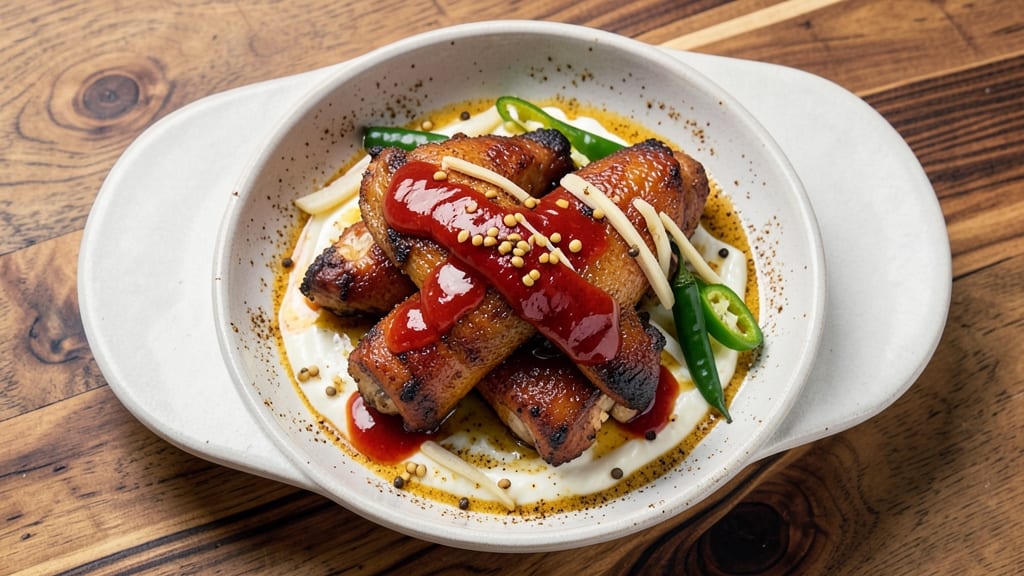
This Bangla chicken roast recipe delivers the rich, aromatic flavors of traditional Bengali cuisine with a crispy, golden crust that’s impossible to resist. The secret lies in a carefully balanced blend of turmeric, mustard seeds, and warm spices that transform tender chicken into a dish fit for celebration.
I’ve perfected this method over years of testing—slow-roasting ensures deep flavor penetration while maintaining juicy meat, and the crispy exterior is achieved through a simple yet effective technique.
The recipe begins with a fragrant marinade that infuses the chicken with layers of flavor—turmeric for its earthy warmth, mustard seeds for a subtle crunch, and a touch of yogurt to tenderize.
Unlike quick-cooking methods, this dish benefits from patience; the slow roast allows the spices to meld into the meat, creating a harmonious balance of heat and aroma. The result is chicken that’s tender on the inside and crispy on the outside, with a crust that shatters at every bite.
What sets this Bangla chicken roast apart is its versatility—serve it with steamed basmati rice for a classic pairing, or pair it with a cooling cucumber raita to balance the richness.
The dish is equally at home on special occasions or weeknight dinners, making it a staple for any home cook. Whether you’re recreating a traditional Bengali feast or simply craving bold, spiced flavors, this recipe delivers restaurant-quality results with minimal effort.
For those short on time, a modern adaptation using an oven or grill works just as well, though the slow-roasting method yields the deepest flavor. The key is attention to detail—from marinating to resting the meat—each step ensures the final dish is as impressive as it is delicious.
Let’s get started on creating this fragrant, crispy masterpiece.
Ingredients for bangla chicken roast
The aromatic heart of this Bangla chicken roast lies in these carefully chosen ingredients.
| Ingredient | Amount | Notes |
|---|---|---|
| Boneless Chicken Thighs 🍗 | 1 ½ lb | Skin-on preferred for crispiness |
| Plain Yogurt 🥛 | ½ cup | Full-fat for best marinade |
| Turmeric Powder 🌿 | 1 tbsp | Freshly ground preferred |
| Mustard Seeds 🌶️ | 1 tbsp | Whole seeds for authentic crunch |
| Ground Cumin 🌿 | 1 tsp | Toasted for deeper flavor |
| Ground Coriander 🌿 | 1 tsp | Freshly ground preferred |
| Red Chili Powder 🌶️ | ½ tsp | Adjust for heat preference |
| Ground Black Pepper 🌶️ | ½ tsp | Freshly ground preferred |
| Ginger-Garlic Paste 🧄 | 2 tbsp | Homemade or store-bought |
| Lemon Juice 🍋 | 2 tbsp | Freshly squeezed |
| Olive Oil 🫒 | 2 tbsp | Extra-virgin for richness |
| Salt 🧂 | 1 tsp | Kosher or sea salt |
| Fresh Cilantro 🌿 | ¼ cup | Chopped for garnish |
The chicken thighs are non-negotiable—skin-on for that signature crispy crust. Indian or Middle Eastern grocery stores often carry the best quality, but any well-marbled thigh will work. Look for pieces with good fat coverage; this ensures juiciness during the slow roast. The yogurt should be plain and full-fat—Greek yogurt works too, but traditional Bengali recipes use the creamier variety. For the spices, Penzeys or Spicewalla are my go-tos, but the bulk bins at Whole Foods offer solid options if you're on a budget. The mustard seeds should be yellow, not brown—they pack more flavor. Toast them lightly before grinding for an extra depth of flavor.
No turmeric? Curcumin powder works in a pinch, but it lacks the earthy warmth of the real thing. Short on mustard seeds? Substitute with 1/4 tsp ground mustard, though you'll lose that signature crunch. The ginger-garlic paste can be homemade—just blend equal parts fresh ginger and garlic with a splash of water—or grab a jar from the international aisle. Trader Joe's carries a great one if you're short on time. For the chili powder, adjust to taste—Bengali cuisine often balances heat with sweetness, so consider adding a pinch of sugar if you prefer mild heat. The lemon juice should be freshly squeezed; bottled just won't cut it here.
Marinate the chicken for at least 4 hours, but overnight is ideal. Store the marinade in an airtight container in the fridge—it keeps for up to 3 days. The cooked chicken reheats beautifully; wrap portions in foil and reheat in a 350°F oven for 15 minutes. For leftovers, this dish freezes exceptionally well—up to 3 months when stored in a sealed container. The spices and yogurt marinade can be prepped ahead and stored separately for 2 days, making this a perfect make-ahead dish for gatherings.
Why You'll Love This Recipe
- No-Fuss Marinade: I swear by the yogurt-turmeric marinade—just mix, let it sit, and you’re done. The thighs soak up all that creamy, spiced goodness while I do laundry or scroll through my phone. Honestly, the hardest part is waiting.
- Crispy-Creamy Magic: That mustard seed sizzle? Chef’s kiss. It cracks like tiny fireworks while the cumin deepens into warm, earthy notes, and the yogurt keeps the inside juicy. Not the prettiest roast, but the taste makes up for it every time.
- Weeknight Workhorse: Slap it on a sheet pan with potatoes or rice, and dinner’s solved. My kids eat it cold the next day, wrapped in paratha—no complaints, just empty plates. (Yes, even on a Tuesday night.)
- Budget Hero: Chicken thighs stretch further than breasts, and pantry staples like turmeric and cumin cost pennies. I’ve fed six people for under $15 with leftovers that taste just as good reheated. My wallet and my taste buds thank me.
Step-by-step instructions for Bangla chicken roast
Here's the method that delivers authentic flavor and perfect texture every time.
Prepare the Marinade
In a medium bowl, combine the 0.5 cup plain yogurt, 2 tbsp ginger-garlic paste, 2 tbsp lemon juice, 1 tbsp turmeric powder, 1 tbsp mustard seeds, 1 tsp ground cumin, 1 tsp ground coriander, 0.5 tsp red chili powder, 0.5 tsp ground black pepper, and 1 tsp salt. Whisk until the spices are fully dissolved and the mixture is smooth.
This marinade is the heart of the dish. The yogurt tenderizes the chicken while the turmeric and mustard seeds create that signature golden-brown crust. Let the marinade sit for 10 minutes to allow the spices to bloom and develop their full aroma.
Marinate the Chicken
Pat the 1.5 lb boneless chicken thighs dry with paper towels to remove any excess moisture. This step is crucial—wet skin prevents proper browning. Place the chicken in a shallow dish and pour the marinade over it, ensuring each piece is thoroughly coated.
Cover the dish with plastic wrap and refrigerate for at least 4 hours, or ideally overnight. The longer the chicken marinates, the more flavor it absorbs and the more tender it becomes. If you're short on time, marinate for at least 2 hours—just be prepared for slightly less intense flavor.
Roast the Chicken
Preheat your oven to 375°F. Remove the chicken from the refrigerator and let it sit at room temperature for 30 minutes before cooking. This ensures even cooking throughout. Place the chicken thighs on a wire rack set over a baking sheet, skin-side up if using skin-on pieces.
Roast for 45-50 minutes until the internal temperature reaches 165°F and the skin is deep golden brown and crispy. The mustard seeds will create a beautiful, fragrant crust that's both crunchy and flavorful. If the skin isn't browning enough, increase the oven temperature to 400°F for the last 10 minutes of cooking.
Rest and Garnish
Transfer the roasted chicken to a cutting board and tent loosely with aluminum foil. Let it rest for 10 minutes before serving. This resting period allows the juices to redistribute, ensuring each bite is moist and flavorful.
While the chicken rests, chop the 0.25 cup fresh cilantro and sprinkle it over the top just before serving. The bright, fresh cilantro cuts through the richness of the roasted chicken and adds a final touch of freshness. Serve immediately with steamed rice or your favorite bread to soak up the delicious juices.
Pro Tips For Making Bangla Chicken Roast
- MARINATE OVERNIGHT: I used to think 2 hours was enough—until I realized the yogurt and spices needed time to work their magic. Let those thighs soak in the yogurt mix for at least 8 hours (or overnight in the fridge), especially if you’re using thicker thighs. The turmeric will stain them yellow, but that’s how you know it’s doing its job.
- DRY THE THIGHS: Pat those thighs thoroughly after marinating—no wet spots. I learned this the hard way when my first batch ended up steaming instead of searing. Use paper towels, and don’t skip this, even if they look dry. The mustard seeds need oil to pop, not moisture to sputter.
- LOW AND SLOW FINISH: After the initial sear, resist the urge to blast them on high heat. Once the skin starts browning, drop the temperature to medium-low and let them cook uncovered for 15-20 minutes. This keeps the yogurt from curdling and ensures the cumin infuses instead of burning.
- TOAST THE SPICES: Bloom that ground cumin and mustard seeds in oil for 30 seconds before adding the marinade—it makes a real difference. I was skeptical until I tried it; the aroma alone changes the whole dish. Just don’t walk away; they burn faster than you think.
Common mistakes when making this recipe
Skipping the Marinade Time
Rushing the marinade is the fastest way to dull the flavors. I’ve seen people skip the 4-hour minimum and end up with chicken that tastes like spices instead of a harmonious blend. The yogurt needs time to tenderize the meat while the turmeric and mustard seeds infuse deeply.
If you’re short on time, marinate for at least 2 hours, but know the flavor will be less intense. Honestly, I’ve never regretted waiting—overnight marinated chicken tastes like it’s been simmering in a spice bath for days. 💫
Overcrowding the Pan
Placing chicken thighs too close together traps steam, which prevents that signature crispy crust from forming. I’ve made this mistake more times than I’d like to admit—when the skin doesn’t brown properly, the dish loses its star quality.
Use a wire rack over a baking sheet to allow air circulation, and leave at least ½ inch of space between pieces. If you’re cooking a large batch, work in two rounds rather than overcrowding. The difference in texture is night and day.
Ignoring the Resting Period
Skipping the 10-minute rest after roasting is a surefire way to end up with dry, stringy chicken. The juices need time to redistribute throughout the meat, and cutting into it too soon sends all that flavorful liquid running out.
I’ve seen people slice into chicken immediately and then wonder why it’s not as juicy as expected. Trust me, that 10-minute wait makes all the difference in the world. It’s a small sacrifice for a much better result. ✨
Using the Wrong Chicken Cuts
Boneless, skinless chicken breasts might seem like a convenient swap, but they’re the wrong choice for this dish. The skin is essential for that crispy crust, and thighs stay juicier during the slow roast.
If you’re set on using breasts, add an extra 15 minutes to the cooking time and baste them with olive oil to compensate for the lack of fat. But honestly, thighs are the way to go—they’re forgiving and packed with flavor.
It’s one of those times when following the recipe exactly pays off.
Overlooking the Mustard Seeds
Mustard seeds aren’t just for flavor—they create that signature crunchy crust that sets this dish apart. Skipping them or using ground mustard instead of whole seeds means missing out on the textural contrast that makes every bite exciting.
Toast the seeds lightly before grinding for an extra depth of flavor, and don’t skip the 1 tbsp measurement—it’s what gives the dish its authentic touch. I’ve tried versions without them, and while they’re still good, they just don’t have that same magic. 🌶️
Not Adjusting for Oven Variations
Every oven behaves differently, and assuming your 375°F oven runs true can lead to undercooked or overcooked chicken. Invest in an oven thermometer to check your oven’s accuracy—mine runs 25°F hotter than the set temperature.
If the skin isn’t browning enough, crank the heat up to 400°F for the last 10 minutes** to get that crispy finish. And if your oven has hot spots, rotate the baking sheet halfway through cooking for even results. A little attention to detail here goes a long way.
Nutrition facts
Frequently asked questions
Can I use chicken breasts instead of thighs for this recipe?
While possible, chicken thighs are ideal—they stay juicier during slow roasting and the skin crisps beautifully. If using breasts, pat them dry thoroughly, add 15 extra minutes to cooking time, and baste with olive oil to prevent dryness. The texture will differ slightly but still deliver great flavor.
How do I adjust the spice level for sensitive eaters?
Reduce the red chili powder to ¼ tsp and add ½ tsp sugar to balance heat. For extra mildness, omit the chili completely and increase coriander to 1.5 tsp—it adds sweetness without heat. The turmeric and mustard seeds will still provide authentic flavor without spiciness.
Can I make this recipe in an air fryer?
Yes! Preheat to 375°F, arrange thighs skin-side up with ½ inch between pieces, and cook for 18-22 minutes, flipping halfway. The air fryer creates crispy skin faster than an oven, but monitor closely to avoid overcooking. Spray lightly with olive oil before cooking for extra browning.
What's the best way to reheat leftovers?
Wrap portions in foil and reheat in a 350°F oven for 15 minutes. Avoid microwaving—it makes the skin rubbery. For extra crispiness, broil for 2-3 minutes at the end. Leftovers keep well for 3 days in the fridge or 3 months** frozen.
How does this differ from tandoori chicken?
This recipe focuses on slow-roasted depth with mustard seeds and turmeric, while tandoori uses yogurt-heavy marinades with fenugreek and garam masala. The crust here is crispier from roasting, whereas tandoori gets its texture from high-heat clay ovens. Both are delicious—choose based on whether you prefer smoky (tandoori) or crispy (this) results.