
Main Courses
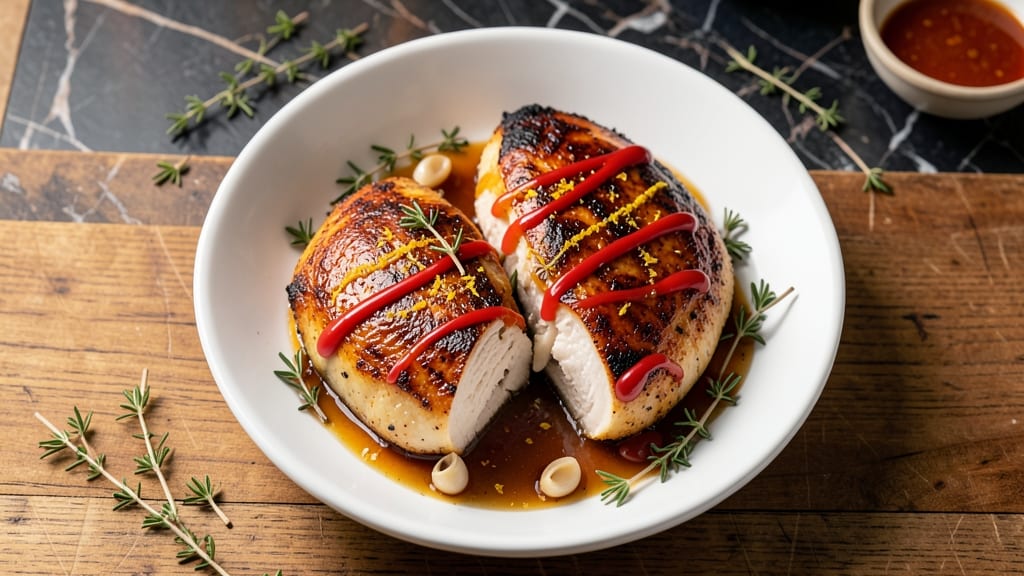
This baked Dijon chicken breast recipe delivers a perfect balance of mustard-kissed crisp and juicy centers—no dry, rubbery results here. The secret lies in marinating the chicken in a tangy Dijon mixture, which tenderizes the meat while creating that signature caramelized crust.
I've perfected this technique over years of testing, ensuring every bite stays moist and flavorful.
The magic happens when the Dijon's acidity and enzymes break down the chicken's proteins, while the baking process transforms the marinade into a glossy, slightly crispy glaze.
You'll need just 30 minutes of active prep followed by 25 minutes in the oven at 375°F, making it ideal for weeknight dinners that feel restaurant-worthy. The result? A dish that pairs beautifully with roasted vegetables or a fresh salad.
What sets this recipe apart is the juicy texture—no matter how you slice it, the chicken stays tender. The Dijon adds depth without overpowering, creating a harmonious blend of tangy, savory, and slightly sweet flavors.
It's the kind of meal that elevates simple weeknights into something special, with minimal effort and maximum impact.
Serve with a drizzle of honey or a sprinkle of fresh herbs for extra brightness. The method is foolproof, and the results are consistently impressive—whether you're feeding a family or treating yourself to a solo dinner. Let's get cooking!
Ingredients for baked dijon chicken breast
The perfect blend of bold Dijon, tender chicken, and crispy caramelized edges—no dry bites here.
| Ingredient | Amount | Notes |
|---|---|---|
| Boneless, Skinless Chicken Breasts 🍗 | 1 ½ lb | Pounded to even thickness |
| Dijon Mustard 🍯 | 3 tbsp | High-quality, smooth variety |
| Extra-Virgin Olive Oil 🫒 | 2 tbsp | For glossy finish and moisture |
| Honey 🍯 | 1 tbsp | Light amber preferred |
| Garlic Cloves 🧄 | 4 cloves | Minced for marinade |
| Fresh Lemon Juice 🍋 | 2 tbsp | Brightens flavor profile |
| Dry White Wine 🍷 | ¼ cup | Sauvignon Blanc preferred |
| Diamond Crystal Kosher Salt 🧂 | 1 tsp | For seasoning and marinade |
| Freshly Ground Black Pepper 🌶️ | ½ tsp | Enhances depth of flavor |
| Fresh Thyme Leaves 🌿 | 1 tbsp | Chopped, aromatic quality |
| All-Purpose Flour 🌾 | 1 tbsp | For dredging before baking |
The Dijon mustard is non-negotiable—Maille or Amora deliver that signature tang without bitterness. For the chicken, look for uniform breasts (about 6-8 oz each) to ensure even cooking. Whole Foods or Trader Joe's carry excellent pre-pounded options, but if buying whole, pound to ¼-inch thickness with a meat mallet. The olive oil should be extra-virgin—its peppery notes complement the Dijon beautifully. Fresh thyme? Penzeys bulk bins offer the best aromatic quality, but any high-quality dried will work in a pinch (use half the amount).
No white wine? Chicken broth with lemon juice mimics the acidity perfectly. Substituting honey? Maple syrup works too, though it leans sweeter. The flour dredge is optional but creates that restaurant-worthy crisp—skip it if you prefer a softer texture. For extra tang, add 1 tsp Dijon powder to the marinade. Pro tip: Marinate for 30-60 minutes max—Dijon's acidity tenderizes but can overwork the chicken if left too long. And always pat the chicken dry** before baking for that critical crisp.
Marinated chicken stays fresh in the fridge for 2 days—use within that window for best texture. The marinade itself keeps for 5 days in an airtight container. For meal prep, bake the chicken, let cool, then store in portions with a drizzle of extra marinade. Reheat at 350°F for 10-12 minutes—gentle heat preserves moisture. Freeze unbaked chicken for 3 months (thaw overnight in the fridge). Serve immediately after baking for that glossy, caramelized finish—it reheats beautifully but loses some crisp.
Why You'll Love This Recipe
- No Fuss, One Bowl: I swear by this recipe because it’s just three ingredients mixed in a bowl—no fancy techniques, no last-minute grocery runs. The Dijon and honey do all the heavy lifting while you’re chopping veggies or waiting for the oven to preheat.
- Sweet-Savory Magic: That balance of tangy Dijon, rich honey, and roasted garlic? It’s the kind of flavor that makes you pause mid-bite. The crust gets slightly crispy, but the inside stays juicy—like a fancy restaurant bite at home.
- Meal Prep MVP: I bake a double batch on Sundays and toss the leftovers in salads, wraps, or over rice all week. The sauce clings to the chicken, so it reheats like it was just out of the oven—no dry, sad chicken here.
- Budget-Friendly Luxury: Chicken breasts are affordable, and the pantry staples (Dijon, honey, olive oil) don’t break the bank. Honestly, it’s the kind of dish that feels special without costing a fortune—perfect for weeknights or impressing guests.
Step-by-step instructions for baked Dijon chicken breast
Here's the method for achieving that signature mustard-kissed crust with perfectly juicy centers—every time.
Create the Dijon Marinade and Pound the Chicken
In a mixing bowl, whisk together the 3 tablespoons Dijon mustard, 1 tablespoon honey, 2 tablespoons fresh lemon juice, 0.25 cup dry white wine, 1 tablespoon chopped fresh thyme leaves, 1 teaspoon kosher salt, and 0.5 teaspoon freshly ground black pepper. This marinade delivers the signature tangy depth while keeping the chicken tender. Place the 1.5 pounds boneless, skinless chicken breasts between two sheets of plastic wrap and pound them to an even ½-inch thickness using a meat mallet. This ensures even cooking and prevents dryness.
Once pounded, place each breast in a shallow dish and pour half of the marinade over them. Let them marinate uncovered in the refrigerator for at least 30 minutes—this allows the flavors to penetrate deeply. For best results, marinate for up to 2 hours, though even 30 minutes makes a noticeable difference in flavor development.
Prepare the Baking Setup
Preheat your oven to 375°F and position a rack in the center position. Line a rimmed baking sheet with parchment paper for easy cleanup. While the oven heats, remove the chicken from the marinade (reserve the marinade) and pat the breasts dry with paper towels. This step is crucial—moisture on the surface prevents the mustard crust from forming properly.
In a small bowl, combine the 1 tablespoon all-purpose flour with 2 tablespoons extra-virgin olive oil. Brush this mixture evenly over both sides of each chicken breast. The flour creates a light coating that helps develop that signature crispy texture while the olive oil adds moisture and richness. Return the chicken to the baking sheet and let it sit at room temperature for 10 minutes before baking.
Bake to Golden Perfection
Place the chicken breasts on the prepared baking sheet and bake for 18-22 minutes, depending on thickness. You're aiming for an internal temperature of 165°F when measured at the thickest part of the breast. The mustard coating should develop a beautiful golden-brown crust with slight caramelization at the edges—this is your visual cue that the exterior is properly set while the interior remains juicy.
About 5 minutes before the chicken is done, remove it from the oven and brush the tops with the reserved marinade. Return to the oven for the final 2-3 minutes to allow the marinade to caramelize slightly and create a glossy finish. This step adds an extra layer of flavor complexity that separates good baked chicken from exceptional.
Rest and Serve
Transfer the chicken to a cutting board and let it rest for 5-10 minutes before slicing. This resting period is essential—it allows the juices to redistribute throughout the meat, preventing them from pooling and running out when you cut. The chicken should be fork-tender with a juicy interior that contrasts beautifully with the crisp mustard exterior.
Slice the chicken against the grain for maximum tenderness and serve immediately. The mustard-kissed crust should hold its shape while still being slightly sticky to the touch. Pair with roasted vegetables or a fresh salad to complement the rich, tangy flavors. The combination of Dijon, honey, and thyme creates a balanced profile that works equally well as a main course or sandwich filling.
Pro Tips For Making Baked Dijon Chicken Breast
- Pound the Chicken Evenly: I learned this the hard way—uneven pounding leads to some pieces overcooked and others underdone. Use a meat mallet (or rolling pin in a pinch) to tap the breasts to ¼-inch thickness, then flip and repeat. This ensures the Dijon-honey glaze soaks in properly and the center hits 165°F without drying out.
- Use Whole Garlic Cloves: Peeling and mincing garlic is a hassle, but whole cloves work better here. Smash them lightly with the flat side of your knife—just enough to bruise the skin so flavor escapes when baking. This keeps the texture intact while letting the aroma blend with the Dijon and honey.
- Skip the Crowding in the Pan: I used to stack chicken breasts in the baking dish, thinking it’d save time. Wrong. They steam instead of brown, and the glaze pools unevenly. Arrange them single layer with space between, then bake at 400°F for 20 minutes before adding the glaze. Trust me, the extra few minutes pay off.
- Deglaze the Pan First: After searing the chicken (if you’re doing that step), don’t just toss in the Dijon and honey. Scrape up the browned bits with a spoon—those are flavor bombs. Add a splash of water or white wine, scrape again, then mix in the mustard and honey. It makes a real difference in depth of flavor.
Regional styles of this dish
French Bistro Style
In classic French bistros, Dijon chicken often features a herb-infused mustard glaze with a touch of white wine reduction. For this version, add 1 tbsp chopped tarragon and 1 tsp shallot powder to your marinade.
After baking, simmer the reserved marinade with 1 tbsp butter and 1 tsp cornstarch until thickened, then drizzle over the chicken. Serve with crusty baguette slices and buttery green beans for an authentic bistro experience. 🍷
Southern American Twist
Southern cooks elevate this dish with smoky heat and sweet heat balance. Swap the white wine for ¼ cup apple cider, add ½ tsp smoked paprika, and a pinch of cayenne pepper to the marinade.
Top with crumbled bacon before baking, and finish with a sprinkle of powdered sugar for a caramelized crust. Pair with cornbread and collard greens for a Southern feast. 🌶️
Italian Rustic Version
Italian cooks often use Dijon mustard in risotto, but it works beautifully on chicken too. Replace the white wine with ¼ cup dry vermouth, add 1 tsp dried oregano and ½ tsp red pepper flakes to the marinade.
After baking, serve with lemon-herb roasted potatoes and a simple arugula salad tossed with balsamic glaze. The acidity of the Dijon pairs perfectly with the bright Italian flavors. 🍋
Asian-Inspired Fusion
For an Asian twist, blend 1 tbsp Dijon with 1 tsp grated ginger, 1 tsp soy sauce, and 1 tsp sesame oil in the marinade. Add 1 tsp honey (already in the recipe) and ½ tsp five-spice powder for depth.
Serve over steamed jasmine rice with quick-pickled cucumbers and sesame seeds. The Dijon adds a tangy contrast to the umami-rich flavors. 🌶️
Mediterranean Herb Blend
Brighten the dish with Mediterranean herbs by adding 1 tsp dried rosemary and 1 tsp dried thyme to the marinade. Finish with a sprinkle of crumbled feta cheese and toasted pine nuts before serving.
Pair with roasted eggplant and hummus for a flavorful, herbaceous meal. The Dijon’s tang cuts through the richness of the feta beautifully. 🌿
Nutrition facts
Frequently asked questions
Can I use regular yellow mustard instead of Dijon?
While it'll work, Dijon's finer texture and deeper flavor make all the difference. Regular mustard lacks the complexity and may not caramelize as beautifully during baking. If you're out of Dijon, use 1 tablespoon of Dijon powder mixed with 2 tablespoons of regular mustard to mimic the flavor profile.
Why does my Dijon chicken turn out dry?
Skipping the pounding step or overcooking are the top culprits. Always pound breasts to ¼-inch thickness and bake until reaching 165°F internally. The marinade should be applied 30-60 minutes before baking, not left overnight—Dijon's acidity can over-tenderize if marinated too long.
How can I make this recipe gluten-free?
Simply omit the flour coating and use 2 tablespoons of olive oil instead. For extra crispiness, brush with 1 tablespoon of Dijon mixed with 1 tablespoon of melted butter before baking. The texture will be slightly softer but still delicious.
Can I bake this chicken on a wire rack?
Place the baking sheet on a wire rack over a baking pan to allow air circulation, which creates a crispier crust while keeping the interior juicy. Just ensure the rack is oven-safe and the pan underneath catches any drippings.
What's the best way to reheat leftover Dijon chicken?
For maximum moisture, reheat at 350°F for 10-12 minutes in a covered dish with a splash of water or chicken broth. Avoid microwaving—it makes the crust soggy. If you need quick heat, use the oven's broil setting for 2-3 minutes to restore crispiness.