
Sauces & Condiments
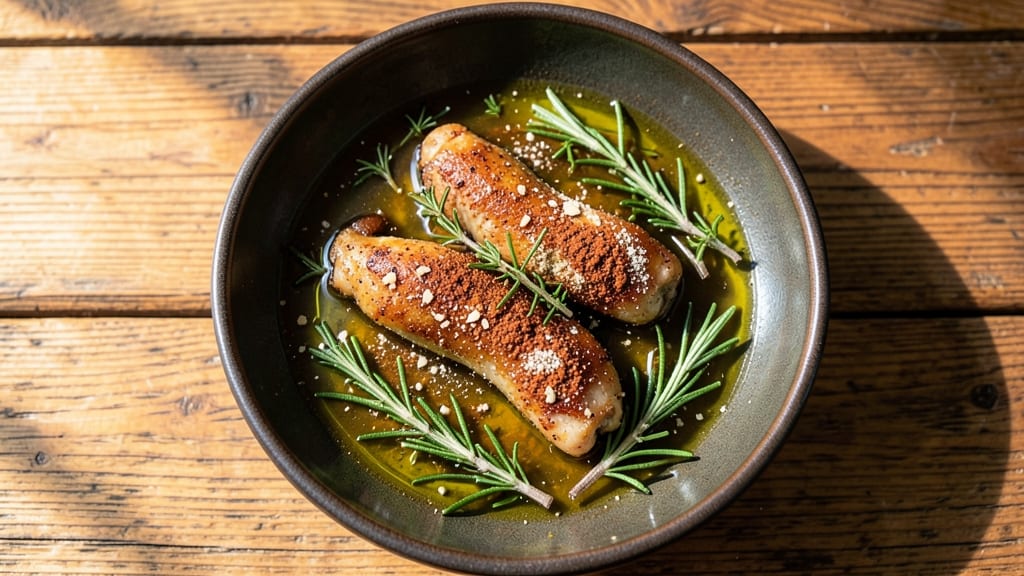
This baked chicken wings marinade recipe transforms ordinary wings into restaurant-worthy bites with just a few simple ingredients and 4 hours of flavor infusion. The smoky garlic-herb blend penetrates deep, ensuring every bite is packed with savory depth and aromatic richness.
Unlike quick marinades, this one relies on time and acidity to tenderize and flavor the wings perfectly—no overpowering heat, just balanced, complex taste.
The secret lies in the combination of olive oil (for moisture), apple cider vinegar (for tenderization), and a blend of smoked paprika, garlic powder, and fresh herbs like thyme and rosemary.
These ingredients work together to create a marinade that not only flavors but also helps lock in juices during baking. For best results, refrigerate the wings in this marinade for at least 4 hours—or overnight for maximum flavor penetration.
What makes this marinade stand out is its versatility and safety. It’s designed to enhance wings without overpowering them, making it ideal for those who prefer bold but balanced flavors. The acidity in the vinegar also helps break down proteins, ensuring tender wings every time.
Plus, the marinade’s ingredients are simple and pantry-friendly, so you won’t need to hunt for specialty items.
Once marinated, bake the wings until crispy and golden, and you’ll have wings that are juicy inside, crispy outside, and bursting with smoky garlic-herb flavor. This marinade is your secret weapon for elevating wings from ordinary to extraordinary—whether you’re hosting a game day gathering or craving a flavorful snack.
Let’s dive into the ingredients and instructions to get started.
Ingredients for baked chicken wings marinade
Nine simple yet potent ingredients create this transformative smoky garlic-herb marinade for restaurant-quality wings.
| Ingredient | Amount | Notes |
|---|---|---|
| Extra-Virgin Olive Oil 🫒 | ½ cup | High-quality, fruity variety for optimal flavor |
| Apple Cider Vinegar 🍎 | ¼ cup | Unfiltered for deeper flavor profile |
| Smoked Paprika 🌶️ | 2 tbsp | High-quality smoked variety for authentic smokiness |
| Garlic Powder 🧄 | 1 ½ tbsp | Freshly ground preferred for maximum flavor |
| Fresh Thyme Leaves 🌿 | ¼ cup | Freshly harvested for aromatic intensity |
| Fresh Rosemary Sprigs 🌿 | ¼ cup | Finely chopped fresh sprigs for robust aroma |
| Kosher Salt 🧂 | 1 ½ tsp | Diamond Crystal preferred for proper seasoning |
| Ground Black Pepper 🌶️ | 1 tsp | Freshly ground for optimal flavor |
| Honey 🍯 | 1 tbsp | Raw honey for natural sweetness balance |
The olive oil serves as the flavor carrier and moisture lock, so opt for extra-virgin with a fruity profile—avoid the cheap, heavily processed varieties that can taste bitter. Whole Foods or Trader Joe's carry excellent options, but any reputable grocery store will have a decent choice. Apple cider vinegar should be unfiltered for that deeper, complex flavor—Bragg or Texas Pete are reliable brands. The smoked paprika is non-negotiable for that authentic smoky depth; Penzeys or McCormick offer high-quality options. Fresh herbs are essential here—farmers markets or well-stocked grocery stores have the best selection of vibrant, flavorful thyme and rosemary.
No smoked paprika? Substitute with 1 tbsp regular paprika plus 1/2 tsp liquid smoke, though the flavor won't be identical. Fresh herbs unavailable? Dried thyme and rosemary at one-third the amount will work in a pinch, but the flavor will be less vibrant. For a sweeter touch, maple syrup can replace honey in a 1:1 ratio. The vinegar is crucial for tenderizing—lemon juice works in a bind, though it lacks the depth of apple cider. Always measure the salt carefully; Diamond Crystal kosher salt, so don't substitute without adjusting.
This marinade keeps beautifully in an airtight container in the refrigerator for up to 2 weeks, though it's best used within 1 week for peak flavor. Store the olive oil and vinegar separately until ready to mix—this preserves their freshness and prevents the herbs from wilting prematurely. For game day prep, double the batch and freeze half in ice cube trays; thaw overnight in the fridge before using. The marinade can be reheated gently, but it's best used fresh for optimal flavor penetration into the wings.
Why You'll Love This Recipe
- Five-Ingredient Magic: I swear, this marinade is the kind of shortcut that makes me feel like a chef. Just toss those five things in a bowl—no peeling, no chopping—and let the olive oil and vinegar do the work while you sip your coffee.
- Smoky-Sweet Crunch: That smoked paprika and garlic powder combo? It’s what turns bland wings into ridiculously good wings. The thyme adds this bright, herbal punch that cuts through the richness—like a little flavor hug for every bite.
- Game Day Ready: Between us, this marinade is my go-to for game days, lazy Sundays, or when I’m too tired to order takeout. Bake them once, and suddenly you’ve got a crowd-pleaser that doesn’t require a degree in cooking.
- Leftovers That Don’t Suck: Honestly, I always make extra because the flavor only gets better the next day. Reheat them in the oven for five minutes, and they’re just as crispy—no soggy wings here. Plus, it’s cheap enough to feed the whole family without breaking the bank.
Step-by-step instructions for smoky garlic-herb chicken wings marinade
Here's how to craft a marinade that delivers deep, complex flavor with every bite.
Combine Wet Ingredients for Flavor Foundation
In a medium bowl, whisk together the 0.5 cup extra-virgin olive oil and 0.25 cup apple cider vinegar until fully emulsified. The vinegar will initially separate but will blend smoothly with vigorous whisking—this creates a stable base for the marinade. The olive oil's fruity notes will mellow slightly as it absorbs the vinegar's acidity, creating a balanced foundation.
Add the 1 tbsp honey and whisk until completely dissolved. The honey will help balance the acidity while adding subtle sweetness that complements the smoky flavors. At this stage, your mixture should be smooth with a slightly syrupy consistency—this indicates proper emulsification for even flavor distribution.
Incorporate Dry Seasonings and Herbs
Add the 2 tbsp smoked paprika, 1.5 tbsp garlic powder, 1.5 tsp kosher salt, and 1 tsp ground black pepper to the wet mixture. Stir vigorously with a wooden spoon until the dry ingredients are fully dispersed and no powdery residue remains. The smoked paprika will give the marinade its characteristic depth, while the garlic powder adds aromatic intensity without the need for fresh garlic.
Next, gently fold in the 0.25 cup fresh thyme leaves and 0.25 cup finely chopped fresh rosemary sprigs using a silicone spatula. Be careful not to overmix—just enough to distribute the herbs evenly throughout the marinade. The herbs should be finely chopped to ensure maximum surface area for flavor infusion into the chicken wings.
Rest the Marinade for Optimal Flavor Development
Transfer the completed marinade to an airtight container and let it rest at room temperature for at least 30 minutes before using. This resting period allows the flavors to meld together, creating a cohesive blend. You'll notice the aromas become more pronounced and complex as the ingredients integrate fully.
For best results, I recommend preparing the marinade 4-6 hours ahead of time and refrigerating it. The cold environment slows down flavor development but preserves all the aromatic compounds, resulting in a more concentrated marinade when you're ready to use it. This advance preparation also gives you more time to properly marinate your chicken wings.
Apply to Chicken Wings for Maximum Flavor Penetration
Pat the chicken wings dry with paper towels to remove any moisture, which helps the marinade adhere better and promotes browning during baking. Place the wings in a shallow dish or zip-top bag and pour the marinade over them, ensuring each piece is thoroughly coated. For even better results, I recommend massaging the marinade into the wings, especially around the joints and tips.
Cover the dish and refrigerate for at least 4 hours or overnight for maximum flavor penetration. The acid in the vinegar will begin to tenderize the chicken while the oil and herbs infuse the meat. If you're short on time, a minimum of 2 hours will still yield good results, though the flavor won't be as deep as with longer marinating.
Pro Tips For Making Baked Chicken Wings Marinade
- MARINATE THE WINGS FIRST: Skip the temptation to toss raw wings straight into the oven—let them soak in the marinade for at least 30 minutes. I used to bake them right away, and the skin stayed tough while the flavor stayed weak. The acid in the apple cider vinegar needs time to tenderize, and the olive oil will penetrate deeper for that juicy, smoky payoff.
- CHOP THYME LIKE IT’S 2000: Don’t just toss whole thyme sprigs into the marinade—strip the leaves off the stems first. Whole sprigs bruise under the oven’s heat and release bitterness, while finely chopped leaves disperse flavor evenly. (Yes, it’s a pain, but your wings will taste like you actually bothered.)
- BALANCE THE ACID: If your marinade tastes too sharp, add a splash of olive oil—about 1 tablespoon—to mellow it out. I learned this the hard way after burning my tongue on a vinegar-heavy batch. The oil also helps the smoked paprika cling better to the wings, so don’t skimp.
- PAT DRY AFTER MARINATING: Before baking, wipe the wings with paper towels to remove excess moisture. Wet wings steam instead of crisp, and that’s a missed opportunity for the paprika to form a proper crust. (Pro move: Do this right out of the fridge while the marinade is still on.)
Common mistakes when making perfect results
Over-Marinating Risks
Leaving chicken wings in the marinade for more than 24 hours can actually break down the meat fibers too much, leading to mushy texture. The acid in apple cider vinegar is powerful enough to tenderize, but prolonged exposure turns the chicken into a sad, waterlogged mess.
I’ve learned this the hard way—stick to 4-12 hours max for perfect balance between flavor and texture. 💫
Skipping the Rest
Many home cooks rush the marinade preparation by skipping the 30-minute rest at room temperature before applying it to wings. This resting period lets the flavors meld and the emulsified oil-vinegar base stabilize.
Without it, your marinade might separate when mixed with chicken, leading to uneven flavor distribution. Trust me, those 30 minutes make all the difference in the final result.
Using Low-Quality Oil
Not all olive oils are created equal—cheap, heavily processed oils can taste bitter and overpower the delicate herbs in this marinade. I always reach for extra-virgin olive oil with a fruity profile (like Whole Foods or Trader Joe’s brands) to ensure clean, rich flavor.
The last thing you want is a marinade that tastes like soap or leaves an unpleasant aftertaste on your wings.
Ignoring the Dry Pat
Wet wings create a barrier that prevents the marinade from clinging properly, leading to uneven flavor and poor browning during baking. Always pat wings dry with paper towels before applying the marinade.
This simple step ensures the marinade adheres directly to the meat, maximizing flavor infusion and crispy skin. Skipping it is a rookie mistake I see too often.
Overcrowding the Pan
After marinating, many cooks make the mistake of overcrowding the baking sheet, which traps steam and prevents proper browning. Arrange wings in a single layer with space between them—about 1 inch apart—so they crisp up evenly.
If you’re baking a large batch, use two sheets or bake in batches. Crispy skin is non-negotiable for great wings!
Not Adjusting for Altitude
If you live at high elevations (3,000+ feet), your marinade may need adjustments. The lower atmospheric pressure causes liquids to boil faster, which can alter the emulsification of your oil-vinegar base.
For high-altitude cooking, reduce the vinegar by 1 tablespoon and increase the olive oil by the same amount to maintain stability. I learned this trick from a friend in Colorado—her wings were always perfect after that tweak.
Nutrition facts
Frequently asked questions
Can I use this marinade for other meats besides chicken wings?
This smoky garlic-herb marinade works beautifully on chicken breasts, thighs, or even fish fillets. For tougher cuts like pork chops, marinate for 2-4 hours max to avoid over-tenderizing. Just reduce the marinating time by half for delicate proteins like shrimp or scallops.
How do I store leftover marinade?
Transfer any unused marinade to an airtight container and refrigerate for up to 7 days. For longer storage, freeze in ice cube trays for 3 months. The herbs may lose some potency when frozen, but the flavor base remains excellent. Thaw overnight in the fridge before using.
Can I make this marinade without fresh herbs?
Yes! Use 1 teaspoon dried thyme and 1 teaspoon dried rosemary instead of fresh. For best results, crush the dried herbs between your palms to release their essential oils. The flavor won't be as vibrant, but it's still delicious. Fresh herbs are ideal, but this works in a pinch.
Is it safe to reuse this marinade for cooked wings?
No, never reuse marinade that has touched raw chicken. The acid helps tenderize but doesn't kill bacteria. For extra flavor on cooked wings, make a fresh sauce using the same ingredients (without vinegar) and toss it with baked wings. This gives that signature smoky garlic flavor without safety risks.
Why does my marinade look separated?
This is normal! The oil and vinegar will naturally separate. Simply whisk vigorously before using—it should emulsify again. For a more stable marinade, add 1/2 teaspoon xanthan gum when mixing. This prevents separation while keeping the original flavor intact.