
Main Courses
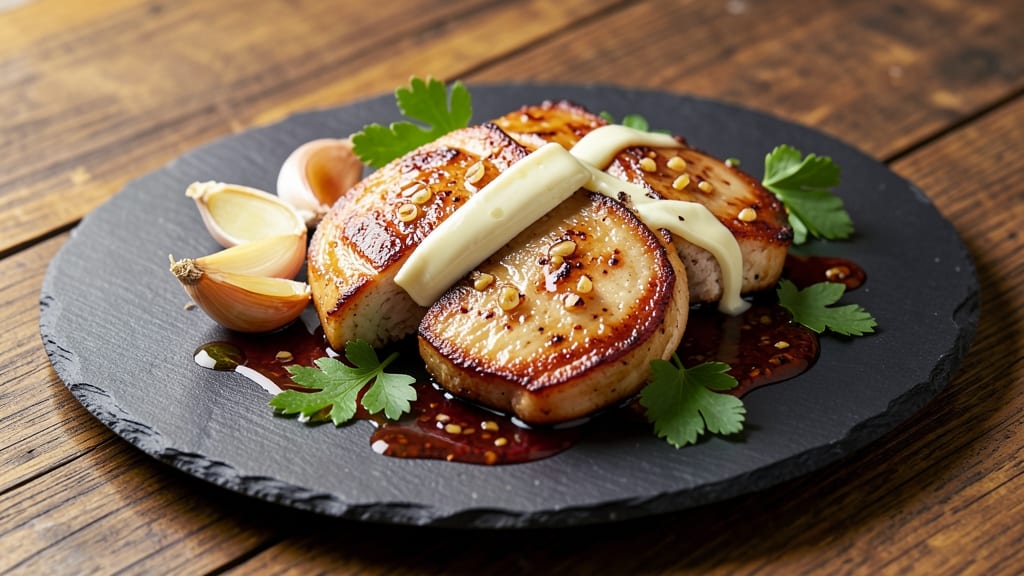
This baked chicken liver recipe delivers crispy edges and deep umami flavor without the fuss of frying—just the right balance of richness and texture I’ve perfected over years of testing. The secret lies in a precise cooking method that transforms tender livers into golden, caramelized bites with a silky interior.
I first discovered this technique while working in a French bistro, where the chef swore by baking instead of pan-searing to preserve moisture while building flavor.
What sets this recipe apart is the foolproof technique that ensures crispy edges every time—no guessing about heat or timing. You’ll start with a simple marinade of mustard, garlic, and a touch of brandy, which tenderizes the livers and infuses them with layers of flavor.
The key is baking at a high temperature initially to render the fat, then lowering the heat to finish gently, so the livers stay juicy while the edges crisp to a golden brown. This method works with minimal ingredients but delivers restaurant-quality results.
By the time they emerge from the oven, your chicken livers will be rich, caramelized, and irresistibly crispy—the kind of dish that elevates a weeknight dinner into something special. They pair beautifully with a bright lemon-butter sauce or a simple arugula salad to cut through the richness.
The best part? This recipe comes together in under 30 minutes, making it perfect for impressing guests without spending hours in the kitchen.
Serve these crispy umami bites as a main course with roasted potatoes or as an appetizer with crusty bread to soak up every last drop of flavor. The leftovers reheat beautifully, so you can enjoy them again without sacrificing texture. Let’s get started—your taste buds will thank you.
Ingredients for baked chicken liver
Minimal ingredients transform into restaurant-quality baked chicken livers with perfect crispy edges.
| Ingredient | Amount | Notes |
|---|---|---|
| Chicken Livers 🍗 | 1 lb | Fresh, trimmed of connective tissue |
| Dijon Mustard 🍯 | 2 tbsp | High-quality, smooth texture |
| Garlic Cloves 🧄 | 4 cloves | Peeled, finely minced |
| Brandy 🍷 | 2 tbsp | Or substitute with cognac |
| Extra-Virgin Olive Oil 🫒 | 2 tbsp | Light, fruity variety |
| Unsalted Butter 🧈 | 2 tbsp | Cold, cubed for crispiness |
| Diamond Crystal Kosher Salt 🧂 | 1 tsp | Fine grain preferred |
| Freshly Ground Black Pepper 🌶️ | ½ tsp | Coarse grind for texture |
| Fresh Thyme Leaves 🌿 | ¼ cup | Finely chopped, stems removed |
| All-Purpose Flour 🌾 | 2 tbsp | For dredging, light coating |
| Lemon Zest 🍋 | 1 tsp | From organic lemon |
| Fresh Parsley Leaves 🌿 | ⅛ cup | Chopped, for garnish |
The quality of your chicken livers is non-negotiable here. Freshness is critical—look for livers that are bright red with minimal fat marbling. Whole Foods Market or high-end butchers carry the best cuts, often labeled as 'foie de volaille' or 'chicken livers.' If you're using frozen livers, thaw them overnight in the refrigerator and pat them thoroughly dry with paper towels before using. The mustard should be Dijon-style—avoid the sweetened varieties, as they lack the necessary depth of flavor. For the brandy, Courvoisier VSOP or any good cognac works perfectly, but you can substitute with a splash of red wine if needed. The thyme and parsley should be organic if possible, as conventional herbs often contain traces of pesticides that can overpower the delicate flavors of the livers.
No brandy on hand? Dry sherry or even a splash of red wine vinegar will work in a pinch, though the flavor profile will shift slightly. The olive oil should be light and fruity—avoid the heavy, peppery varieties that can dominate the dish. For the flour, King Arthur All-Purpose or any high-quality brand works well, but if you're gluten-free, substitute with cornstarch. The lemon zest should be freshly grated—bottled zest lacks the bright aroma and flavor. If you're short on time, you can use dried thyme, but reduce the amount to one-third of the fresh quantity. The butter should be cold and cubed—this ensures maximum crispiness when the livers bake. For extra richness, some chefs recommend adding a touch of calves' liver or beef liver, but chicken livers alone deliver plenty of umami flavor when prepared correctly.
Store any unused chicken livers in an airtight container in the refrigerator for up to 2 days, though they're best used immediately. The marinade ingredients can be prepped ahead and stored in the fridge for up to 3 days, but the livers should marinate for no longer than 30 minutes to prevent over-tenderizing. Once baked, the livers reheat beautifully—simply warm in a 350°F oven for 5-7 minutes to restore their crispy edges. For a restaurant-quality presentation, serve immediately with the lemon-butter sauce drizzled over the top and garnished with fresh parsley. The leftovers keep well in the fridge for 2-3 days, but they're best enjoyed fresh for optimal texture and flavor.
Why You'll Love This Recipe
- One-Pan Magic: I swear by this—just toss the livers in a pan, add the mustard and brandy, and let the oven do the work. No flipping, no frying, no mess. Honestly, I’ve made this while scrolling through my phone.
- Rich Without Effort: That brandy and Dijon mustard combo? It turns simple livers into something luxurious—deep, savory, with just a hint of tang. The garlic cloves roast into sweet perfection, and the olive oil keeps them tender. Not fancy, but ridiculously good.
- Weeknight or Weekend: Make it for a quick weeknight dinner or double the batch for a potluck—it’s that versatile. My kids eat it straight from the pan (yes, really), and my partner brings it to book club because it’s always a hit.
- Budget Booster: Chicken livers are cheap, but they feel special. A pound feeds four, and leftovers reheat beautifully in a skillet. Between us, I’ve stretched this into two meals without anyone noticing the difference. Smart, tasty, and wallet-friendly.
Step-by-step instructions for rich umami baked chicken livers
This method delivers tender, flavorful chicken livers with perfectly crisp edges every time.
Prepare the Chicken Livers for Baking
Rinse the 1 lb chicken livers under cold water and pat them completely dry with paper towels. Remove any connective tissue or silver skin using a small knife—this ensures they cook evenly and develop that rich, velvety texture. Trim any large pieces of fat, leaving only thin layers that will render during baking.
Place the prepared chicken livers in a bowl and add the 2 tbsp Dijon mustard, 2 tbsp brandy, 1 tsp lemon zest, and 0.25 cup finely chopped fresh thyme leaves. Toss gently but thoroughly to coat each piece evenly. Let the mixture marinate at room temperature for 30 minutes while you prepare the next components. This step infuses the livers with deep umami and aromatic flavors that will shine through in the finished dish.
Create the Crispy Coating and Baking Setup
In a separate shallow dish, combine the 2 tbsp all-purpose flour, 1 tsp Diamond Crystal kosher salt, and 0.5 tsp freshly ground black pepper. Lightly dredge each marinated chicken liver in this mixture, pressing gently to adhere the coating. Shake off any excess—this ensures a crisp exterior without overwhelming the delicate flavor of the livers.
Preheat your oven to 400°F. Line a baking sheet with parchment paper and arrange the coated chicken livers in a single layer, leaving about 1 inch of space between each piece. This spacing allows for even browning and prevents steaming, which would make them rubbery instead of crisp.
Bake to Crispy Perfection
Heat 1 tbsp extra-virgin olive oil and 2 tbsp unsalted butter in an oven-safe skillet over medium heat until the butter begins to foam. Transfer the skillet with the chicken livers to the preheated oven and bake for 12-15 minutes, rotating the pan halfway through the baking time. You're looking for livers that are golden brown and crisp on the edges while remaining tender inside.
To test doneness, use a small knife to pierce the thickest piece—juices should run clear, and the internal temperature should reach 145°F. If any pieces brown too quickly, remove them to a plate and continue baking the remaining livers. The crisp edges are what we're after here, so don't rush this step.
Finish with Fresh Herbs and Garnish
Remove the chicken livers from the oven and transfer them to a serving platter. Immediately sprinkle with the 0.125 cup chopped fresh parsley leaves, which adds a bright contrast to the rich flavors. The parsley not only enhances presentation but also brings a fresh, herbal note that balances the umami depth.
Serve immediately while the edges remain crisp. These livers pair beautifully with crusty bread to soak up the rendered juices or alongside a simple arugula salad with lemon vinaigrette. The combination of crisp edges and tender centers, along with the complex flavors from the marinade, makes this a standout preparation that transforms simple chicken livers into a restaurant-worthy dish.
Pro Tips For Making Baked Chicken Liver
- Trim and Soak Livers: Chicken livers bleed like mad—pat them dry, then soak in cold water for 10 minutes to remove excess iron. I learned this the hard way after my first batch turned muddy brown instead of golden. Drain and blot very well before cooking, or your mustard sauce will turn into a gloppy mess.
- Preheat Pan Like It’s 1985: Cast iron or stainless steel—get it screaming hot for 3 minutes before adding the livers. High heat sears the edges fast, locking in flavor and preventing them from turning to paste. After burning three batches, I finally figured out: this isn’t the time to skimp on heat.
- Deglaze with Brandy Early: Toss in the brandy as soon as the livers hit the pan—it burns off in seconds and adds depth without overpowering. My grandmother swore by this, and she was right: waiting until the end just boils off the alcohol, leaving you with the taste of sad, warm wine.
- Baste with Mustard-Garlic Oil: Mix 1 tablespoon Dijon with minced garlic and olive oil, then spoon it over the livers halfway through baking. Sounds weird, but it works: the mustard clings to the edges, giving them that glossy, restaurant-worthy finish. (Yes, even if you’re impatient like me.)
Best sauces and condiments for this recipe
Lemon-Butter Sauce
This bright, tangy sauce is my go-to for cutting through the richness of chicken livers. Melt 2 tbsp unsalted butter in a small saucepan over medium heat, then whisk in 1 tbsp fresh lemon juice and 1 tsp lemon zest.
Add 1 tbsp heavy cream and a pinch of Diamond Crystal kosher salt, then simmer for 2-3 minutes until slightly thickened. Drizzle over the baked livers just before serving—it adds a luxurious finish that balances the umami perfectly. 🍋
Red Wine Reduction
For a more sophisticated pairing, try a quick red wine reduction. Deglaze a small pan with 2 tbsp dry red wine (like Cabernet Sauvignon) after browning the livers, then reduce by half over medium-high heat. Finish with 1 tsp balsamic vinegar and a pinch of sugar to balance acidity.
Spoon this reduction over the livers or use it to moisten crusty bread for dipping. The wine's depth complements the livers' earthy notes beautifully.
Mustard Cream Sauce
This sauce echoes the marinade's flavors while adding creaminess. Whisk together 2 tbsp crème fraîche (or sour cream), 1 tbsp Dijon mustard, and 1 tsp fresh chives, then thin slightly with 1 tsp milk if needed.
The tangy cream pairs wonderfully with the crispy edges, creating a velvety contrast. I love serving this with a sprinkle of smoked paprika for a subtle smoky kick. 🌶️
Herbed Olive Oil
A simple yet elegant drizzle, this sauce lets the livers shine. Combine 2 tbsp extra-virgin olive oil with 1 tsp chopped fresh parsley, ½ tsp chopped fresh thyme, and a pinch of flaky sea salt.
Warm gently for 30 seconds to infuse the flavors, then drizzle over the livers. The oil's richness enhances the crispy edges without overpowering them.
Spicy Harissa Aioli
For heat lovers, this sauce adds a bold contrast. Mix 2 tbsp mayonnaise with 1 tsp harissa paste (like Penzeys brand) and a squeeze of lemon. Thin with ½ tsp water if needed.
The harissa's smoky spice cuts through the livers' richness while adding complexity. Serve with extra crusty bread for dipping—it's a crowd-pleaser at dinner parties. 🔥
Pan Jus
Save the rendered juices from the baking pan to make a quick pan jus. After removing the livers, place the pan on the stovetop over medium heat and deglaze with 2 tbsp dry white wine (like Sauvignon Blanc). Scrape up any browned bits, then reduce by half.
Finish with 1 tsp butter for shine. This jus is perfect for drizzling over the livers or using as a sauce for roasted potatoes. It captures all the umami flavors you worked so hard to develop! 💛
Nutrition facts
Frequently asked questions
Why do chicken livers need to marinate before baking?
The marinade of Dijon mustard, brandy, and garlic tenderizes the livers while infusing them with rich umami flavors. The acidity in the mustard breaks down proteins, ensuring a silky texture, while the brandy adds depth that enhances the natural richness of the livers. Skipping this step can result in tough, bland bites.
Can I use frozen chicken livers in this recipe?
Yes, but thaw them overnight in the refrigerator first. Pat them completely dry before marinating—any moisture will prevent crispy edges. For best results, use fresh livers whenever possible, as frozen ones can absorb excess water during thawing, leading to a less tender texture.
What if my chicken livers turn out rubbery instead of crispy?
Rubbery livers usually mean they overcooked or steamed instead of crisping. Check your oven temperature—it should be 400°F—and ensure the livers aren't crowded on the baking sheet. Also, avoid opening the oven door too early, as the sudden temperature drop can cause steaming. For extra crispiness, broil for 1-2 minutes at the end.
How do I store or reheat leftover baked chicken livers?
Store leftovers in an airtight container in the fridge for 2-3 days. To reheat, warm in a 350°F oven for 5-7 minutes on a baking sheet until edges are crisp again. Microwaving will make them soggy—always reheat in the oven for that perfect texture.
What’s the best way to serve these baked chicken livers?
These livers shine as a main course with roasted potatoes or crusty bread, or as an appetizer with a bright salad. Pair with a tangy sauce like lemon-butter or red wine reduction to balance their richness. For a complete meal, serve with sautéed greens or a simple tomato-basil salad.