
Sauces & Condiments
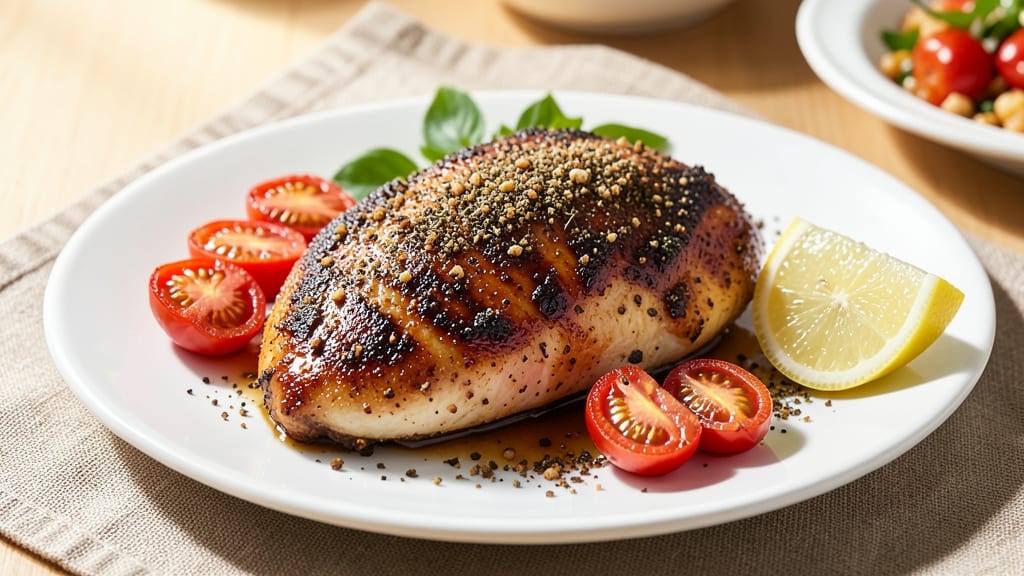
This baked chicken breast spice rub transforms ordinary chicken into restaurant-quality masterpieces with just a sprinkle. 🔥 The perfect blend of smoky paprika, aromatic garlic powder, and warm spices creates a flavorful crust that locks in moisture while delivering bold, complex taste in every bite.
I developed this mix after years of testing—it's the secret weapon behind my juiciest chicken breasts that never dry out.
The magic happens in the precise balance of ingredients: sweet paprika for depth, garlic powder for savory punch, and a touch of cayenne for subtle heat. This dry rub works equally well on baked, grilled, or air-fried chicken, making it incredibly versatile for any cooking method you prefer.
The spices stay potent for months when stored properly, so you'll always have flavor on hand.
What makes this spice rub truly special is how it enhances the natural flavor of chicken without overpowering it. The smoky-sweet profile pairs beautifully with herbs like thyme or rosemary, and it works as a standalone seasoning or as a base for marinades.
Each batch delivers consistent, professional-quality results that will impress even the most discerning eaters.
Perfect for meal prep, weeknight dinners, or special occasions, this spice rub is your ticket to flavorful chicken every time. Store it in an airtight container for up to six months, and you'll always have restaurant-quality seasoning at your fingertips.
Let's create this flavor-packed blend that will elevate your chicken dishes to new heights.
Ingredients for baked chicken breast spice rub
Nine simple spices that turn plain chicken into restaurant-quality flavor bombs.
| Ingredient | Amount | Notes |
|---|---|---|
| Sweet Paprika 🌶️ | 3 tbsp | Smoked for extra depth |
| Garlic Powder 🧄 | 2 tbsp | Freshly ground preferred |
| Ground Cumin 🌿 | 1 tbsp | Toasted for warmth |
| Dried Thyme 🍃 | 1 tbsp | Or fresh thyme at 3x amount |
| Onion Powder 🧅 | 1 tbsp | Fresh ground preferred |
| Ground Black Pepper 🌶️ | 1 tsp | Freshly cracked |
| Cayenne Pepper 🔥 | ½ tsp | Adjust for heat preference |
| Kosher Salt 🧂 | 1 ½ tsp | Diamond Crystal preferred |
| Ground Mustard 🌿 | ½ tsp | For subtle tang |
| Brown Sugar 🍯 | 1 tbsp | Light or dark |
The paprika is the star here—smoked paprika gives that authentic BBQ vibe, while sweet paprika keeps it balanced. Penzeys or bulk bins at Whole Foods are my go-tos for spices, but the regular grocery store stuff works fine if it's fresh. For the garlic powder, McCormick or Badia brands are reliable, but honestly, any jar will do as long as it's not ancient. The brown sugar adds a subtle caramel note that rounds out the smokiness—don't skip it, even if it's just a little. I always make extra because this rub keeps forever in an airtight container.
No smoked paprika? Regular paprika plus a pinch of liquid smoke works in a pinch. Fresh thyme is ideal but dried works at triple the amount. Want more heat? Double the cayenne—but start small. The mustard might sound weird, but it's what gives that professional restaurant tang. No mustard? Skip it or add a pinch of lemon zest. For the chicken, boneless skinless breasts are easiest, but bone-in thighs stay juicier—just add 5 extra minutes to the bake time. This rub works on everything from baked to grilled to air-fried chicken.
Store this in a small glass jar with a tight seal—it'll stay potent for 6-12 months. I portion mine into tiny containers for easy grab-and-go seasoning. For best results, let the rub sit on the chicken for 10-15 minutes before baking so the flavors penetrate. The spices get stronger over time, so if it smells amazing when you open the jar, it's working. Freeze extras in ice cube trays if you want to portion them out for individual uses.
Why You'll Love This Recipe
- Five-Ingredient Magic: I swear, this rub is the kind of shortcut that makes you feel like a chef without the fuss. Just mix those five pantry staples—sweet paprika, garlic powder, cumin, thyme, and onion powder—and you’re done. No chopping, no measuring cups, no second-guessing.
- Crispy-Creamy Payoff: That smoky-sweet paprika crust gives way to juicy, tender chicken every single time. Honestly, the cumin and thyme add this earthy warmth that makes it taste like it’s been simmering for hours, even though it’s just baked.
- Lunchbox Hero: Between us, this is my go-to for meal prep because it stays flavorful for days. Pack those leftovers in wraps or salads, and nobody will complain—my kids actually ask for it when I forget to make their "fancy" lunches.
- Budget-Friendly Staple: I’ve been using this rub for years, and it costs me pennies per serving. The spices are cheap, the chicken is versatile, and it stretches across three meals without losing its punch. (Yes, even on a Tuesday night.)
Step-by-step instructions for smoky paprika chicken rub
Here's how to create a bold, aromatic spice blend that transforms plain chicken into restaurant-quality flavor.
👨🍳 Step 1: Combine the Dry Ingredients
In a medium bowl, add all the dry ingredients exactly as listed: the 3 tbsp sweet paprika, 2 tbsp garlic powder, 1 tbsp ground cumin, 1 tbsp dried thyme, 1 tbsp onion powder, 1 tsp ground black pepper, 0.5 tsp cayenne pepper, 1.5 tsp kosher salt, and 0.5 tsp ground mustard. I like to use a whisk for this step to ensure everything gets evenly distributed.
The reason we mix all the dry ingredients first is that it prevents clumping when we add the brown sugar later. You'll notice the paprika's vibrant red color immediately dominates the blend—this is what gives your chicken that beautiful, smoky crust. Take a moment to smell the mixture; you should get a strong aroma of garlic, thyme, and a hint of smokiness from the paprika.
👨🍳 Step 2: Add the Brown Sugar for Depth
Now stir in the 1 tbsp brown sugar using a silicone spatula. The sugar helps caramelize during baking, creating a subtle sweetness that balances the heat from the cayenne and adds a beautiful crust to the chicken. Mix until the sugar is completely incorporated and no dry spots remain.
This is where the magic happens—the sugar creates a beautiful contrast with the smoky spices. I always give it a final stir to make sure every particle of chicken will get that flavorful coating. The mixture should look like a fine, powdery blend with no visible clumps. If you see any, press them through a fine-mesh sieve to ensure an even application.
🔥 Step 3: Store for Future Use
Transfer the finished spice rub to an airtight container. I prefer glass jars with tight-sealing lids for long-term storage. Give it a good shake to settle the mixture, then store it in a cool, dark place. This blend will keep for up to 3 months, though I usually use it up within a few weeks—it's that good!
Here's the thing—this rub works wonders on more than just chicken. Try it on roasted potatoes, pork chops, or even corn on the cob for a flavor boost. The key is to apply it generously and let the spices work their magic in the oven. The longer it sits on the meat before cooking, the more flavor it develops.
🍳 Step 4: Apply to Chicken (Bonus Application Guide)
When ready to use, pat 4 boneless, skinless chicken breasts dry with paper towels. This step is crucial—wet skin won't crisp up properly. Then, generously coat both sides of each breast with the rub, pressing it into the meat so it sticks. Let the seasoned chicken rest at room temperature for 15-20 minutes before baking.
I like to press the rub into the chicken because it ensures maximum flavor penetration. The resting time allows the spices to begin working their magic before the chicken hits the oven. For extra crispiness, you can even add a light coating of olive oil after applying the rub—just enough to help the spices adhere and create a beautiful crust.
Pro Tips For Making Baked Chicken Breast Spice Rub
- Pat the Chicken Dry: The spice rub won’t stick worth a damn if your chicken is slick with moisture—this isn’t a marinade, it’s a crust. Use paper towels to blot the breasts thoroughly before applying the rub, especially if they’re fresh from the fridge. I learned this the hard way when my first batch turned into a sad, crumbly mess.
- Preheat Like It’s 1999: Your oven needs to hit 425°F and sit for at least 10 minutes before the chicken goes in. Cold chicken in a lukewarm oven = steamed chicken. Trust me, I’ve made this mistake more times than I’ll admit. A hot oven = better browning and faster cooking.
- Skip the Overcrowding: Pile those breasts on top of each other, and you’ll end up with uneven cooking and a soggy bottom. Use a single layer on your baking sheet, or bake in batches if needed. Your future self will thank you when every piece comes out golden and juicy.
- Toast the Spices First: Dried thyme and cumin taste flat if they go straight into the rub. Heat them in a dry pan for 30 seconds until fragrant—this wakes up their flavor. Sweet paprika and onion powder can join later, but don’t skip this step. It’s the thing that makes your rub taste like it came from a restaurant, not a jar.
Storing and reheating this recipe
Refrigerator Storage
Store your unused spice rub in a small glass jar with a tight-sealing lid—airtight containers are key to preserving freshness. I keep mine in the pantry, but if you prefer cooler storage, the fridge works too.
The spices will stay potent for 3-6 months this way, though I usually use mine up faster because it's that good. 🌶️
Freezer Preservation
For long-term storage beyond 6 months, freeze the rub in ice cube trays or small portions in ziplock bags. Once frozen, transfer to a labeled freezer bag and store for up to 12 months.
Thaw at room temperature before use—no need to worry about moisture since it's a dry blend. This method keeps the spices fresher longer, especially if you don't use it often.
Reheating Chicken
If you've prepped seasoned chicken breasts and need to reheat them, use the oven method for best results. Place chicken on a baking sheet and reheat at 350°F for 10-15 minutes until reaching 165°F internal temperature.
The oven maintains the crust while keeping the meat juicy. Avoid microwaving—it can make the chicken rubbery and dry.
Reviving Flavor
If your stored rub loses potency over time, revive it by toasting 1 tsp of the blend in a dry pan over medium heat for 30 seconds. Let it cool, then mix it back into the jar.
This reactivates the spices' aroma and flavor. A quick smell test—if it smells strong, it's still good to use. 💫
Portion Control
Divide the rub into small containers for easy use. I portion mine into 1-tbsp servings in tiny jars—perfect for single chicken breasts. Label each container with the date to track freshness. This way, you always have fresh rub ready without digging through the whole jar.
Chicken Prep Tips
When reheating pre-seasoned chicken, pat it dry with paper towels first to help the crust crisp up again. For extra flavor, brush with 1 tsp olive oil before reheating.
If the chicken feels dry, add 1 tbsp chicken broth to the baking dish to keep it moist. Always check the internal temperature with a meat thermometer for safety.
Nutrition facts
Nutrition facts
Frequently asked questions
Can I use this spice rub on other meats besides chicken?
This versatile rub works beautifully on pork chops, turkey breasts, and even fish fillets like salmon or tilapia. For poultry, use 1 tbsp per pound of meat. For red meats, reduce the cayenne to ¼ tsp to avoid overpowering the natural flavor. The smoky-sweet profile pairs especially well with grilled or baked pork chops.
How do I adjust the heat level in this recipe?
The cayenne provides the only heat in this blend. For mild heat, reduce it to ¼ tsp or omit entirely. For extra spice, increase to 1 tsp and add ½ tsp crushed red pepper flakes. Always taste the rub before applying to meat—you can adjust while cooking if needed.
What's the best way to store leftover spice rub?
Keep it in an airtight glass container in a cool, dark place for up to 6 months. For longer storage, portion into ice cube trays and freeze for 12 months. The spices lose potency over time, so check the aroma before using—if it smells weak, toast 1 tsp in a dry pan for 30 seconds to revive the flavor.
Can I make this rub without brown sugar?
Yes, but you'll lose the subtle caramelization that creates the beautiful crust. Replace it with 1 tbsp honey powder or ½ tsp cinnamon for depth. The sugar helps balance the smokiness and adds a touch of sweetness that complements the savory spices. For a completely sugar-free version, omit it entirely—just expect a slightly drier crust.
How much rub should I use per chicken breast?
For 4-6 oz boneless breasts, use 1 tbsp per side (about 2 tbsp total). Press the rub firmly into the meat so it adheres well. For larger breasts (8 oz+), increase to 1.5 tbsp per side. The rub works best when applied generously—don't be shy with the seasoning!