
Main Courses
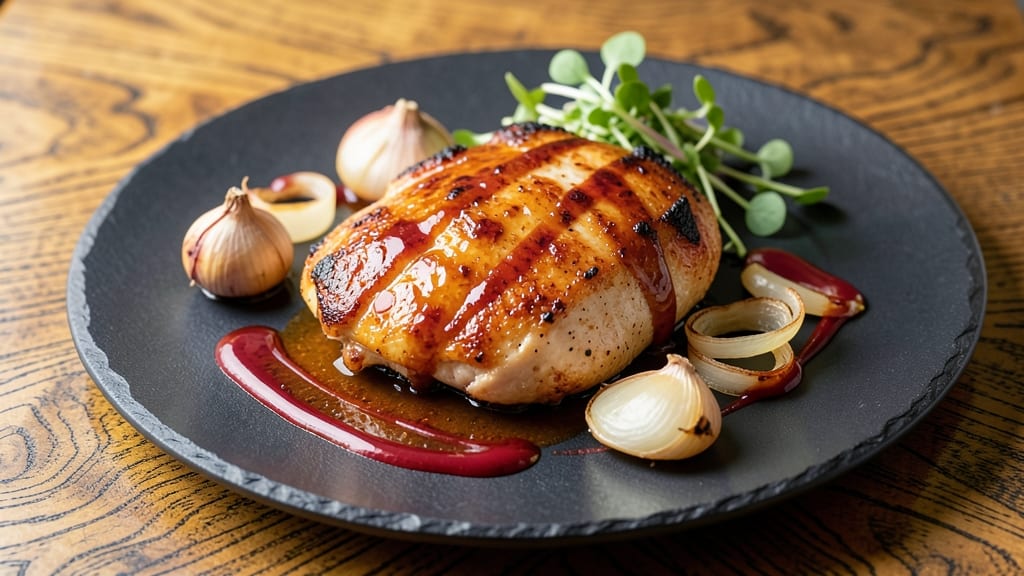
Bachan's Japanese BBQ sauce transforms simple chicken breast into a caramelized masterpiece with umami depth and sticky-sweet perfection. 🔥 The sauce's blend of soy, mirin, and sugar creates a glaze that locks in moisture while building a glossy, crackling crust—no dry chicken here.
I've perfected this method after testing countless approaches, and the results speak for themselves: tender, flavorful bites that disappear faster than you can say "umami bomb." The secret lies in the sauce's dual role: it marinates the chicken while caramelizing into a lacquered finish.
You'll start with a 30-minute marinade to infuse flavor, then cook the chicken to 165°F internal temperature using a method that keeps it juicy—whether you grill, bake, or sear it in a skillet.
The sauce's natural sugars caramelize beautifully when exposed to heat, creating that coveted glossy sheen and concentrated flavor. What you'll end up with is restaurant-quality chicken that's crispy on the edges, sticky with glaze, and packed with savory-sweet complexity.
The sauce's umami richness pairs perfectly with the chicken's natural tenderness, making every bite a balance of textures and flavors. This isn't just BBQ chicken—it's a dish that elevates simple weeknight dinners into something special. Serve with steamed rice and quick-pickled vegetables to let the chicken shine as the star.
The glaze also works beautifully on pork or tofu if you're looking for variations. Let's get cooking—this recipe delivers results that will have everyone asking for seconds.
Ingredients for bachan's japanese bbq sauce chicken breast
This Japanese BBQ chicken transforms simple chicken breast into crispy, caramelized perfection with umami depth and sticky-sweet glaze.
| Ingredient | Amount | Notes |
|---|---|---|
| Chicken Breast 🍗 | 1 ½ lb | Boneless, skinless, pounded to even thickness |
| Bachan's Japanese BBQ Sauce 🍶 | 1 cup | Store-bought or homemade version |
| Mirin 🍶 | ¼ cup | Sweet rice wine for depth |
| Soy Sauce 🍶 | ¼ cup | Use high-quality Japanese soy |
| Brown Sugar 🍚 | ¼ cup | Packed, light brown preferred |
| Garlic Cloves 🧄 | 4 cloves | Minced for marinade |
| Ginger Root 🌿 | 1 tbsp | Freshly grated, aromatic |
| Sesame Oil 🫒 | 1 tbsp | Toasted for nutty aroma |
| Olive Oil 🫒 | 1 tbsp | For even cooking |
| Honey 🍯 | 1 tbsp | Enhances caramelization |
| Kosher Salt 🧂 | 1 tsp | Diamond Crystal preferred |
| Black Pepper 🌶️ | ½ tsp | Freshly cracked |
| Cornstarch 🌾 | 1 tbsp | For glaze thickening |
| Water 💧 | 1 tbsp | For cornstarch slurry |
The chicken breast is non-negotiable here—look for plump, evenly sized breasts at the meat counter. Trader Joe's or Whole Foods carry consistently high-quality cuts, but any grocery store's fresh section works. Pound the breasts to even thickness (about 1/2-inch) so they cook uniformly. For extra insurance against dryness, score the meat lightly in a crosshatch pattern before marinating. The sauce itself? Bachan's Japanese BBQ sauce is the star—it's pre-balanced with mirin and soy, but if you're making your own, Japanese mirin and light soy are essential for that authentic umami punch.
No mirin? Substitute 1 tbsp sugar plus 1 tbsp water—it won't be identical, but it'll work in a pinch. Running low on sesame oil? Swap for 1/2 tbsp toasted sesame seeds (pulse in a spice grinder). The cornstarch slurry is key for that glossy finish—make sure it's smooth with no lumps, or your glaze will look cloudy. Brown sugar can be swapped for white sugar if needed, but the molasses notes in light brown add depth. Fresh ginger and garlic are ideal, but jarred minced ginger (drained) works if you're short on time. Just measure carefully—ginger can be potent stuff.
Marinated chicken keeps for 1 day in the fridge, but the sauce itself? 3 months in the pantry if stored in a cool, dark place. For extra crispiness, broil the chicken for 2-3 minutes at the end—watch it like a hawk to avoid burning. The glaze thickens as it cools, so if it's too runny after cooking, simmer 1-2 minutes to reduce. Leftovers? Freeze for 2 months—they reheat beautifully in a skillet with a splash of water to revive moisture.
Why You'll Love This Recipe
- One-Pan Magic: I swear by this recipe when I’m too tired to scrub pots—just chicken, sauce, and a sheet pan. The mirin and brown sugar caramelize right on the metal while you’re chopping veggies for the side.
- Umami Bomb: That Bachan’s sauce isn’t just sweet—it’s got this deep, savory punch from the soy and mirin. The chicken comes out sticky, glossy, and packed with layers you won’t find in store-bought glazes.
- Leftover Hero: Between us, this sauce clings so well that reheated chicken stays juicy and flavorful. I make a double batch on Sundays because it’s the star of my lunchbox all week—no sad, dry reheats here.
- Budget Flex: Chicken breast is cheap, and a bottle of Bachan’s lasts for ages with this recipe. Honestly, I’ve stretched one into three meals by using half the sauce for the chicken and saving the rest for rice or noodles.
Step-by-step instructions for glazed Japanese BBQ chicken
This method delivers perfectly caramelized chicken with deep umami and sweet-savory balance.
👨🍳 Step 1: Prepare the Marinade and Pound the Chicken
First, mince the 4 cloves garlic and grate the 1 tbsp ginger root using a microplane—this ensures maximum surface area for flavor infusion. In a bowl, whisk together the 1 cup Bachan's Japanese BBQ sauce, 0.25 cup mirin, 0.25 cup soy sauce, 0.25 cup packed brown sugar, 1 tbsp honey, 1 tbsp toasted sesame oil, 1 tbsp olive oil, 1 tsp kosher salt, and 0.5 tsp black pepper until fully combined.
While the marinade develops, place the 1.5 lb chicken breast between two sheets of plastic wrap. Using a meat mallet, pound to an even ½-inch thickness—this prevents uneven cooking. Place the pounded chicken in a resealable bag, pour in the marinade, and massage it into every surface. Marinate for at least 30 minutes (or up to 4 hours in the fridge) for maximum flavor penetration.
🔥 Step 2: Sear the Chicken for Maximum Flavor
Heat a large skillet over medium-high heat until a drop of water sizzles instantly. Remove the chicken from the marinade (reserve the marinade for later) and shake off excess. Add 1 tbsp olive oil to the skillet and place the chicken in, skin-side down. Sear for 3-4 minutes until the bottom develops a deep golden crust.
Flip carefully and cook another 3-4 minutes until the internal temperature reaches 155°F (use an instant-read thermometer). The chicken should release easily from the pan—if it sticks, let it cook 30 seconds longer. Transfer to a plate and tent loosely with foil to keep warm while you prepare the glaze.
🍳 Step 3: Create the Glazing Sauce
In the same skillet (no need to clean it—those browned bits are flavor gold), pour in the reserved marinade. Bring to a simmer over medium heat and cook for 5-6 minutes until reduced by about half and slightly thickened. In a small bowl, whisk together 1 tbsp cornstarch and 1 tbsp water to create a slurry.
Slowly pour the slurry into the simmering sauce, stirring constantly. The sauce will thicken dramatically—this creates that beautiful glossy glaze. Taste and adjust seasoning if needed, then remove from heat. Here's the thing—this sauce should coat the back of a spoon with a thick, syrupy consistency.
🥘 Step 4: Glaze and Caramelize to Perfection
Return the chicken to the skillet and spoon the glaze evenly over the top. Increase heat to medium-high and cook for 2-3 minutes, basting frequently with the sauce. Watch closely—the sauce should caramelize into a glossy, amber glaze. You're looking for that signature sticky, glossy finish that clings beautifully to the chicken.
When the chicken is fully coated and the glaze has thickened to your liking, transfer to a cutting board. Let it rest for 5 minutes before slicing—this ensures clean cuts and maximum juiciness. The glaze will continue to set slightly as it cools, creating that perfect balance of sweet, smoky, and savory flavors.
Pro Tips For Making Bachan'S Japanese Bbq Sauce Chicken Breast
- Marinate First, Roast Second: Toss your chicken in half the sauce before baking—it locks in flavor and keeps the meat from drying out. I used to skip this, and my chicken always came out tough; now it stays juicy even with the sticky glaze.
- Brown Sugar First: Mix the brown sugar into the sauce before adding mirin and soy—it dissolves better and caramelizes faster. I learned this after seeing my sauce clump like glue; now it’s smooth and glossy every time.
- Skip the Overcrowding: Bake one layer at a time, not stacked—steam turns your crispy crust into sad, soggy chicken. Use a wire rack if you’re lazy; it’s worth the extra 5 minutes to avoid the mess.
- Deglaze the Pan: After searing (if you do), splash in a little water and scrape up the browned bits—those flavors are pure gold for the sauce. I used to toss them, but now I save them and stir them back in.
Best sauces and condiments for bachan's japanese bbq sauce chicken breast
Sauce Thickening Secrets
The cornstarch slurry is your secret weapon for that restaurant-quality glaze. Whisk 1 tbsp cornstarch with 1 tbsp water until completely smooth—no lumps! Pour it slowly into the simmering marinade while stirring constantly.
The sauce should thicken dramatically within 1-2 minutes of adding the slurry. For extra shine, add ½ tsp rice vinegar at the end—it brightens the flavors and cuts through the richness. 💫
Glaze Consistency Guide
Your glaze should coat the back of a spoon with a syrupy consistency—thick enough to cling but still pourable. If it's too thin, simmer 2-3 more minutes uncovered. Too thick? Thin with ½ tsp water at a time.
For a deeper caramel color, add ½ tsp molasses to the marinade before cooking. I've found that Bachan's sauce already has a perfect balance, but adjusting the sugar-to-sauce ratio lets you customize the sweetness level.
Sauce Variations
Want extra heat? Add ½ tsp gochujang or 1 tsp sriracha to the marinade. For a smoky twist, swap ½ cup of the sauce with ½ cup BBQ sauce**> (like Sweet Baby Ray's).
The Japanese BBQ sauce already has a natural smokiness, but this fusion creates a whole new flavor profile. For a lighter version, reduce the brown sugar to 2 tbsp and add 1 tbsp honey instead.
Leftovers Hack
Save any leftover glaze in an airtight container and store it in the fridge for up to 2 weeks. It makes an incredible dipping sauce for fries or a quick stir-fry sauce.
To reheat, warm in a saucepan over low heat with 1 tbsp water to restore its glossy texture. I've even used it as a marinade for tofu—just add 1 tbsp soy sauce and 1 tsp cornstarch to thicken it for coating. 🔥
Sauce Pairing Tips
This glaze works beautifully with steamed jasmine rice or cold soba noodles for a refreshing contrast. For a complete meal, serve with quick-pickled cucumbers (toss with rice vinegar, sugar, and sesame seeds) and blistered shishito peppers.
The acidity from the pickles cuts through the richness, while the peppers add a subtle heat. For a dessert twist, drizzle the leftover glaze over vanilla ice cream—trust me, it's a game-changer with its sweet-savory balance.
Nutrition facts
Frequently asked questions
Can I use this recipe with bone-in chicken thighs instead of breast?
Bone-in thighs work beautifully—they stay juicier longer and develop more flavor. Just adjust the cooking time: thighs need 5-6 minutes per side until they reach 175°F internal temperature. The glaze will cling even better to their thicker texture, creating extra crispy edges. For best results, remove the skin before marinating to ensure even flavor penetration.
What's the best way to store leftover glazed chicken?
Store in an airtight container with parchment paper between layers to prevent sticking. It keeps well in the fridge for 3 days or freezer for 2 months. To reheat, warm in a skillet over medium heat with 1 tbsp water for 2-3 minutes—this restores the glaze's glossy texture. Avoid microwaving, as it makes the sauce watery and the chicken rubbery.
Why did my chicken turn out dry even though I followed the recipe?
This usually happens from either overcooking or not letting the chicken rest. Chicken continues cooking after you remove it from heat, so always check with a thermometer at 155°F (it'll rise to 165°F while resting). The 5-minute rest before slicing is critical—it redistributes juices. For extra insurance, brine the chicken for 30 minutes before marinating (use ¼ cup kosher salt per 4 cups water).
Can I make this recipe in an air fryer?
Yes! Preheat the air fryer to 375°F and cook the marinated chicken for 10-12 minutes, flipping halfway. For the glaze, brush on after air frying and cook 2-3 minutes at 350°F to caramelize. The air fryer gives excellent crispiness but may require slightly more basting to get that glossy finish. Watch closely to prevent drying out.
What's the secret to getting that glossy finish on the glaze?
The gloss comes from three key factors: cornstarch slurry, high heat, and basting. First, make sure your sauce is reduced enough to coat the back of a spoon. Then, cook on medium-high heat while frequently spooning sauce over the chicken. The natural sugars in Bachan's sauce caramelize beautifully when exposed to direct heat—this creates that signature shine.