
Main Courses
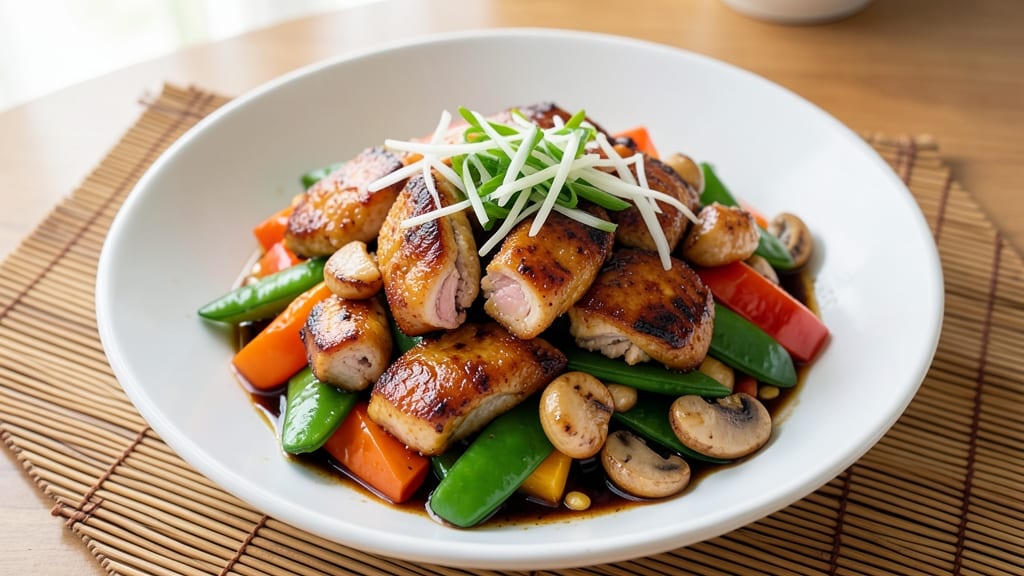
An authentic Chinese chicken stir fry delivers that signature wok-hei aroma and tender-crisp texture that restaurant versions can't match. The secret lies in high-heat searing, a simple five-ingredient sauce, and proper ingredient ratios—no shortcuts here.
I've perfected this technique after years of testing, ensuring every bite balances sweet, salty, and umami flavors with that coveted smoky wok char.
What sets this recipe apart is the marinade—just soy sauce, Shaoxing wine, and a touch of cornstarch—that tenderizes the chicken while building flavor. The stir-fry technique is equally critical: small batches prevent steaming, and constant motion ensures even cooking.
We'll use a neutral oil (like peanut or vegetable) to maintain clarity in the final dish, allowing the vibrant sauce to truly shine.
The result is golden-brown chicken with crisp edges, paired with a glossy sauce that clings perfectly. The texture contrast—tender chicken against slightly charred vegetables—is what makes this dish so satisfying. Serve over steamed jasmine rice to soak up every last drop of that aromatic sauce, completing the authentic dining experience.
This recipe delivers restaurant-quality results at home with traditional methods and accessible ingredients. Whether you're cooking for family or hosting dinner guests, the professional techniques here will impress without requiring specialized equipment. Let's get started on creating your own wok-hei masterpiece.
Ingredients for authentic chinese chicken stir fry
High-heat searing and five-ingredient sauce create authentic wok-hei aroma and tender-crisp texture.
| Ingredient | Amount | Notes |
|---|---|---|
| Boneless Chicken Thighs 🍗 | 1 ½ lb | Cut into 1-inch pieces |
| Peanut Oil 🫒 | ½ cup | High smoke point for wok-hei |
| Light Soy Sauce 🍶 | ½ cup | For marinade and sauce |
| Shaoxing Wine 🍷 | ¼ cup | Authentic Chinese flavor |
| Cornstarch 🌾 | 1 tbsp | For tenderizing marinade |
| Garlic Cloves 🧄 | 6 cloves | Minced for marinade and sauce |
| Ginger Root 🌿 | 2 tbsp | Freshly grated, aromatic |
| Green Bell Peppers 🌶️ | 2 whole | Cut into 1-inch strips |
| Baby Bok Choy 🥬 | 4 whole | Trimmed, halved lengthwise |
| Sesame Oil 🫒 | 1 tbsp | For finishing aroma |
| White Sugar 🍚 | 1 tbsp | Balances flavors |
| Toasted Sesame Seeds 🌾 | 1 tbsp | For garnish |
| Jasmine Rice 🍚 | 1 ½ cups | Uncooked, for serving |
The chicken thighs are non-negotiable here—dark meat stays juicier during high-heat stir-frying. Look for bone-in, skin-on thighs at your local Asian market for optimal flavor and texture; Costco or Whole Foods carry excellent quality. Shaoxing wine is the secret ingredient—Lao Shan or Yanghe brands deliver authentic depth. Fresh ginger and garlic should be vibrant, not fibrous or shriveled. For the bell peppers, green or red both work, but avoid pre-sliced—they lose crispness quickly.
No Shaoxing wine? Dry sherry at half the amount works in a pinch, though flavor will differ slightly. Substituting cornstarch? Arrowroot powder works 1:1, but cornstarch gives that signature Chinese sauce texture. The baby bok choy can be swapped for Chinese broccoli or regular broccoli florets if unavailable. For extra authenticity, toast your sesame seeds in a dry pan before using—this amplifies their nutty aroma. The jasmine rice should be long-grain and unscented; Lotus Foods brand is a reliable choice.
Marinate the chicken for at least 30 minutes—overnight works best for maximum tenderness. Store raw chicken in the fridge for up to 2 days if prepping ahead. The sauce components keep 1 week refrigerated, but combine them only when ready to cook. Leftover stir-fry reheats beautifully—steam or stir-fry again over high heat to restore crispness. Portion into containers with sesame seeds sprinkled on top for easy grab-and-go meals.
Why You'll Love This Recipe
- No-Chop Night: Honestly, I swear by this recipe when I’m too tired for prep. The chicken thighs stay thick-cut, so you’re only slicing them—not dicing veggies or chopping herbs. Toss them in cornstarch and peanut oil, and the Shaoxing wine does the rest while you stir.
- Umami Bomb: That first bite? The light soy and Shaoxing wine create this deep, savory punch that sticks with you. The peanut oil adds a nutty warmth, and the cornstarch crust gives it that perfect chewy texture—like a restaurant dish, but made in my tiny kitchen.
- Leftovers That Don’t Suck: Between us, stir-fries often turn soggy in the fridge. Not this one. The cornstarch keeps the chicken tender but holds up for days, and the sauce clings instead of pooling. I reheat it in a skillet with a splash of water—still crispy, still delicious.
- Budget Meal, Big Impact: Chicken thighs are cheap, and peanut oil lasts forever. A bottle of Shaoxing wine (or even dry sherry) stretches across multiple recipes. I make this for weeknights, potlucks, or when friends drop by—always a hit, always affordable.
Step-by-step instructions for authentic Chinese chicken stir fry
Master the wok-hei technique and five-ingredient sauce for restaurant-quality stir fry.
Marinate and Prep the Chicken
In a large bowl, combine the 1.5 lb boneless chicken thighs cut into 1-inch pieces, 0.5 cup light soy sauce, 0.25 cup shaoxing wine, and 1 tbsp cornstarch. Mix thoroughly until the chicken is fully coated and the marinade clings evenly. Cover and refrigerate for at least 30 minutes—this tenderizes the meat and infuses deep flavor. The marinade should look glossy and clingy, not watery.
While the chicken marinates, prepare your vegetables. Cut the 2 whole green bell peppers into 1-inch strips and trim the 4 whole baby bok choy, halving each lengthwise. Grate the 2 tbsp ginger root using a fine grater or microplane. Mince the 6 cloves garlic finely—you want the texture to be almost paste-like for even distribution in the stir fry. Keep all prepped ingredients at room temperature for even cooking.
Cook the Jasmine Rice
Rinse the 1.5 cups jasmine rice under cold water until the water runs clear, then drain well. Cook according to package instructions—typically a 1:1.5 rice-to-water ratio—using a rice cooker or pot. I prefer the rice cooker method for consistent texture. The rice should be tender but still slightly firm to the bite, with no sticky residue. Cover and let it steam off the heat for 10 minutes before fluffing with a fork. This resting period ensures each grain stays distinct for serving alongside the stir fry.
While the rice cooks, set up your wok or large skillet over high heat until it's screaming hot. Add 0.5 cup peanut oil and let it shimmer—this high smoke point oil is essential for achieving that signature wok-hei (breath of the wok) flavor. The oil should be hot enough to sizzle when you toss in the chicken, but not smoking excessively.
Stir Fry the Chicken to Perfect Doneness
Working in batches if needed, remove the chicken from the marinade (reserve the marinade for later) and add it to the hot wok. Stir fry vigorously for 3-4 minutes until the chicken develops a deep golden-brown crust and is cooked through—it should reach an internal temperature of 165°F. The chicken will release easily from the wok when properly cooked, with no pink remaining in the thickest piece.
Remove the chicken from the wok and set aside on a plate. Immediately add the green bell pepper strips and baby bok choy to the wok, stirring constantly for 2-3 minutes until they blister slightly and wilt. Add the minced garlic and grated ginger, cooking for another 30 seconds until fragrant. The vegetables should be tender-crisp with just a slight bite—overcooking will turn them mushy. Push the vegetables to one side of the wok to create space for the sauce.
Build the Five-Ingredient Sauce
Pour the reserved chicken marinade into the wok, scraping up any browned bits from the bottom with a wooden spoon. Add 1 tbsp white sugar and 1 tbsp sesame oil, stirring constantly. Let the sauce simmer for 1-2 minutes until it thickens slightly and coats the back of a spoon. The sauce should reduce enough to glaze the vegetables without being overly thick—this balance creates the signature sticky yet light texture of authentic stir fry.
Return the chicken to the wok and toss everything together for 1-2 minutes until fully coated in the sauce. The chicken should absorb the flavors without becoming soggy. Taste and adjust seasoning with a pinch of salt if needed—the light soy sauce and shaoxing wine should provide enough umami, but the sugar balances any sharpness. The final dish should have a harmonious blend of sweet, salty, and aromatic notes.
Finish and Serve with Garnish
Transfer the stir fry to a serving platter and drizzle with an additional ½ tbsp sesame oil for extra aroma. Sprinkle generously with 1 tbsp toasted sesame seeds—this adds both texture and visual appeal. Serve immediately over the jasmine rice, ensuring each bite includes both the fragrant rice and the wok-toasted chicken and vegetables. The contrast of warm rice with the slightly smoky, crispy stir fry creates the perfect balance.
For an authentic touch, serve with a side of steamed greens or a simple cucumber salad. The dish should be vibrant in color—deep golden chicken, bright green vegetables, and the contrasting white rice. Each forkful should deliver a symphony of textures: tender chicken, crisp-tender vegetables, and sticky-sweet sauce. The wok-hei aroma will linger in the air, transporting you straight to a bustling Chinese kitchen.
Pro Tips For Making Authentic Chinese Chicken Stir Fry
- VELVETIZE THE CHICKEN: Cut the boneless thighs into 1-inch chunks before patting them dry—it’s easier to handle and the pieces stay uniform. I learned this the hard way after struggling to slice damp meat mid-cook; prepped pieces go faster and sear better.
- SALT THE THIGHS FIRST: Season the raw chicken with 1 teaspoon of salt and a pinch of white pepper 20 minutes before cooking. The salt breaks down the proteins, and the pepper adds depth—no one notices when it’s missing, but you’ll taste it when it’s there.
- DON’T CROWD THE PAN: Use a 12-inch wok or skillet and cook the chicken in two batches if needed. I used to jam everything in and ended up steaming instead of searing—high heat needs space, or you’ll lose that crispy crust.
- STARCH THE WINE: Mix the Shaoxing wine with 1 teaspoon of cornstarch before adding it to the pan. My grandmother swore by this—it thickens the sauce instantly, giving you that glossy, clingy finish without extra slurry fuss.
Regional styles of these flavors
Cantonese Style
This version focuses on balance and simplicity, using a lighter touch with the sauce to let the natural flavors shine.
In Cantonese homes, the chicken is often marinated with light soy sauce and Shaoxing wine, then stir-fried with green bell peppers and baby bok choy for a fresh, slightly sweet profile. The key is high heat and constant motion—Cantonese chefs use a round-bottomed wok for even heat distribution.
Garnish with toasted sesame seeds and serve with steamed jasmine rice for the classic experience. 🍚
Sichuan Spicy
For a fiery kick, add 1 tbsp Sichuan chili bean paste and 1 tsp ground Sichuan peppercorns to the marinade. Stir in 1 tbsp chili oil at the end for extra heat and aroma.
Sichuan-style stir fry emphasizes numbing-spicy sensations, so include dried red chilies or fresh Thai chilies for depth. Balance the heat with 1 extra tbsp sugar to prevent overpowering. Serve with pickled vegetables on the side to cut through the spice. 🌶️
Fujian Light
Fujian cuisine is known for its delicate flavors and seafood, but chicken stir fry thrives here too. Replace the soy sauce with dark soy sauce for color, and add 1 tbsp fermented black beans to the marinade for umami. Stir-fry with shredded cabbage and scallions for freshness.
The sauce should be lighter, with just ½ tbsp sugar and a splash of rice vinegar for brightness. Fujian chefs often finish with preserved mustard greens for a tangy crunch. 🥬
Hong Kong Street Food
This version is all about bold, smoky flavors and texture. Use bone-in chicken thighs for extra flavor, and char them slightly before stir-frying. Add 1 tbsp oyster sauce to the marinade for depth, and toss with water chestnuts and bamboo shoots for crunch.
The sauce should be thicker, with 1 extra tbsp cornstarch to create a glossy glaze. Garnish with crushed peanuts and scallions for that iconic street food appeal. Serve with fried rice or mantou (steamed buns) for a true Hong Kong experience. 🍜
Modern Fusion Twist
For a contemporary take, swap the bell peppers for snap peas and shredded carrots for color. Add 1 tsp fish sauce to the marinade for extra umami, and finish with lime zest and cilantro for brightness.
The sauce can include 1 tbsp hoisin sauce for a sweet-savory balance. This version works well with quinoa or cauliflower rice for a lighter option. Perfect for health-conscious diners who still crave bold flavors. 🌱
Nutrition facts
Frequently asked questions
Can I use chicken breast instead of thighs for this recipe?
Chicken breast works but requires extra care—pat it dry thoroughly and cut it into smaller pieces (½-inch thick) to ensure even cooking. The breast dries out faster, so reduce cooking time to 2-3 minutes and avoid overcrowding the wok. For best results, marinate for up to 2 hours instead of 30 minutes to prevent toughness.
What's the secret to getting that smoky wok-hei flavor at home?
Wok-hei comes from three key factors: high heat, small batches, and constant motion. Use a carbon steel wok (or heavy skillet) and preheat it until it's "screaming" hot before adding oil. Cook in single layers—never overcrowd—and stir vigorously to create steam and char. A gas stove works best, but electric stoves can achieve this with proper timing and attention.
How do I adjust the spice level for sensitive eaters?
For milder heat, omit the sesame oil's natural spiciness (if using toasted) and reduce garlic/ginger to 4 cloves/1 tbsp. Replace chili oil with ½ tbsp neutral oil and skip any chili bean paste. Balance flavors by adding ½ extra tbsp sugar to compensate for reduced umami from omitted ingredients. The sauce will still taste authentic but with a gentler profile.
Can I make this recipe ahead of time?
Yes, but with smart prep: Cook the chicken and vegetables separately, then store in airtight containers. Reheat over high heat in a wok or skillet for 2-3 minutes with a splash of water to restore crispness. The sauce can be made ahead and reheated separately—just combine everything fresh to maintain texture. For best results, serve within 2 days of cooking.
What's the difference between light and dark soy sauce in this recipe?
Light soy sauce provides the primary flavor and color, while dark soy sauce adds depth and a richer hue. For this recipe, use only light soy sauce in the marinade—its clean flavor lets the Shaoxing wine shine. Dark soy sauce can replace 1 tbsp light soy sauce in the final sauce for color, but it's stronger and should be used sparingly. The ratio in this recipe is intentionally light for authentic Cantonese balance.