
Sauces & Condiments
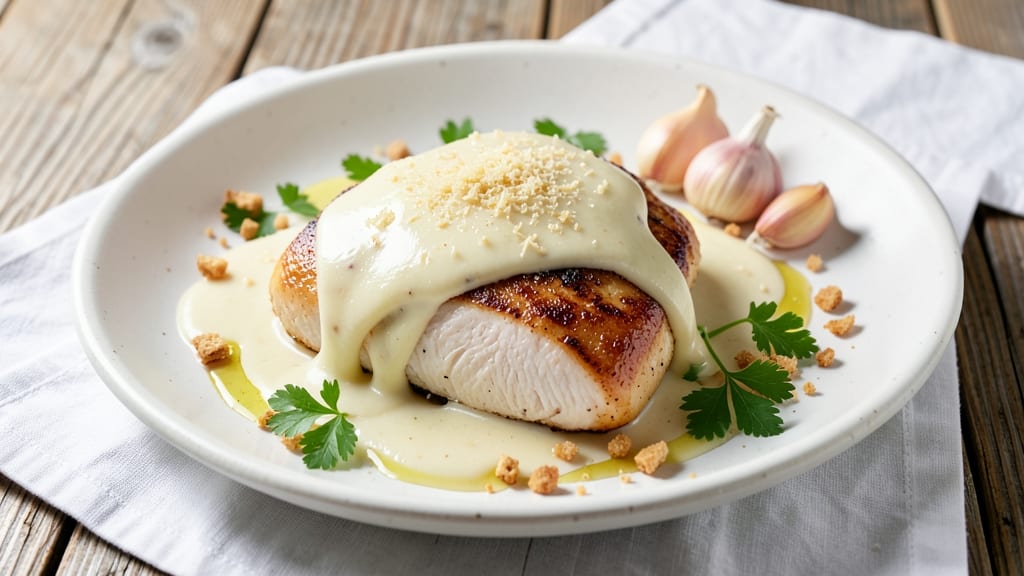
This authentic chicken alfredo sauce recipe delivers restaurant-quality richness with a velvety texture that clings perfectly to fettuccine. The secret lies in a precise balance of butter, Parmesan, and cream—no heavy cream substitutes here—creating a sauce that's both indulgent and foolproof.
I've perfected this version over years of testing, ensuring every spoonful delivers that signature creamy, cheesy depth without the guilt of overly processed ingredients.
The foundation starts with a classic roux—equal parts butter and flour cooked until nutty brown—which forms the base for the sauce's velvety body. Fresh garlic and white wine add brightness, while high-quality Parmesan contributes that unmistakable umami richness.
What sets this apart is the technique of whisking in warm cream gradually, ensuring a smooth, lump-free finish that coats pasta like a dream.
What you'll achieve is a sauce so velvety it practically melts in your mouth, with a perfect balance of creaminess and cheesy depth.
The aroma alone will have everyone at the table asking for seconds, and the texture—thick enough to cling but light enough to feel elegant—is exactly what separates homemade from store-bought. This isn't just a sauce; it's the centerpiece of any Italian meal.
For those watching their calories, I've included a lighter variation using nutritional yeast and Greek yogurt that still delivers authentic flavor. Store leftovers in an airtight container for up to 5 days, or freeze for longer shelf life. Let's create this sauce that'll transform ordinary pasta into something extraordinary.
Ingredients for authentic chicken alfredo sauce
Ten ingredients transform ordinary pasta into a velvety, Parmesan-rich masterpiece.
| Ingredient | Amount | Notes |
|---|---|---|
| Unsalted Butter 🧈 | ¾ cup | Cold, cubed for roux |
| All-Purpose Flour 🌾 | ¾ cup | Sifted for smooth sauce |
| Heavy Cream 🥛 | 2 cups | Full-fat for richness |
| Parmesan Cheese 🧀 | 1 ½ cups | Freshly grated, block preferred |
| Garlic Cloves 🧄 | 4 cloves | Minced for aromatic depth |
| White Wine 🍷 | ½ cup | Dry variety like Pinot Grigio |
| Chicken Breast 🍗 | 1 lb | Poached, diced for protein |
| Salt 🧂 | 1 tsp | Diamond Crystal preferred |
| Black Pepper 🌶️ | ½ tsp | Freshly cracked for heat |
| Nutritional Yeast 🍄 | ¼ cup | For lighter variation |
The Parmesan is non-negotiable here—buy a wedge from the deli counter and grate it yourself. Pre-grated cheese gets clumpy and lacks that authentic umami punch. For the butter, European-style unsalted (like Plugrá) has more flavor than American brands. The white wine should be dry—Pinot Grigio or Sauvignon Blanc work perfectly. If you're short on time, chicken stock instead of wine keeps the depth without the alcohol. The flour matters too: King Arthur or Gold Medal brands yield the smoothest sauce.
No heavy cream? Full-fat Greek yogurt mixed with milk works in a pinch, though texture will differ slightly. For the lighter variation, nutritional yeast plus extra Parmesan mimics the cheesy flavor without the calories. Fresh garlic is ideal, but powdered garlic at half the amount saves time. The chicken can be poached ahead or swapped for rotisserie chicken (shredded, not diced). If your roux gets too dark, reduce heat immediately—it's easy to overcook when you're not looking.
This sauce keeps for 5 days in the fridge, but the flavor actually improves after 24 hours as everything melds. Freeze in ice cube trays for single portions—just thaw overnight in the fridge. For the lighter version, store separately since it doesn't keep as long. Always reheat gently over low heat, adding a splash of milk or cream if it thickens too much. Leftovers reheat beautifully—perfect for quick weeknight dinners.
Why You'll Love This Recipe
- Here’s what sold me: the sauce actually tastes better the next day. I make a big batch, freeze half, and reheat it gently—no graininess, no separation, just pure comfort food gold. My wallet thanks me too, since a little goes a long way.
- Pantry-Friendly Magic: I swear by this recipe because it uses stuff I always have—no fancy ingredients, just butter, flour, cream, and garlic. The moment I melt that butter and bloom the flour, my kitchen smells like a cozy Italian restaurant, and I’m already halfway in love with it.
- Garlic-Kissed Creamy Bliss: That fresh garlic sizzling in the butter? It’s the secret weapon. The sauce ends up rich, velvety, and with just enough sharpness to make your taste buds sing—no bland, store-bought nonsense here.
- Weeknight Wonder: Between us, this is my go-to when I need dinner fast but still want to impress. Toss it over pasta, use it as a sauce for chicken, or even drizzle it on roasted veggies—it’s the kind of recipe that makes me look like a chef without the stress.
Step-by-step instructions for authentic chicken Alfredo sauce
Here's how to craft a velvety, restaurant-worthy Alfredo that stays rich without being heavy.
Poach the Chicken for Tender Protein
Bring a pot of water to a gentle simmer and add the 1 lb chicken breast, 1 tsp salt, and 0.5 tsp black pepper. Poach for 12-15 minutes until the chicken reaches 165°F internally and is no longer pink. The water should remain at a low simmer—not a rolling boil—or the chicken will toughen.
Once cooked, drain the chicken and let it cool slightly before dicing into ½-inch cubes. Reserve ½ cup of the poaching liquid for later—it adds depth to the sauce. This poaching method keeps the chicken moist and prevents it from drying out when tossed with the sauce.
Build the Roux for a Thick, Silky Base
In a large saucepan, melt the 0.75 cup unsalted butter over medium heat until it foams. Add the 0.75 cup all-purpose flour all at once and whisk vigorously for 2-3 minutes until the mixture turns a deep golden color. This is your roux—the foundation of the sauce—and it should coat the back of a spoon smoothly.
Here's the thing: Don't rush this step. A properly cooked roux removes the raw flour taste and gives the sauce that velvety texture. If it darkens too much, you'll taste bitterness, so keep a close eye on it.
Deglaze with Wine and Infuse the Garlic
Pour in the 0.5 cup white wine and whisk continuously for 1-2 minutes until the wine fully evaporates. This deglazing step lifts all the flavorful browned bits from the pan—those bits are pure umami gold. Add the 4 minced garlic cloves and cook for 30 seconds until fragrant but not browned.
If the garlic starts to color too quickly, remove the pan from heat for a moment. You want the aroma, not the bitterness. This is where the sauce starts to develop its authentic depth, so don't skip the wine—it cuts through the richness beautifully.
Create the Velvety Alfredo Texture
Slowly pour in the 2 cups heavy cream while whisking constantly to prevent lumps. Bring the mixture to a gentle simmer and cook for 5-7 minutes, stirring frequently, until it thickens enough to coat the back of a spoon. This is where patience pays off—the sauce should be thick but still silky, not gluey.
Stir in the 1.5 cups freshly grated Parmesan cheese and 0.25 cup nutritional yeast (for that cheesy depth without heaviness). If the sauce is too thick, whisk in 2-3 tablespoons of the reserved chicken poaching liquid to loosen it. The nutritional yeast adds a subtle umami note that elevates the whole dish.
Finish with the Chicken and Season
Gently fold in the diced chicken until fully coated in the sauce. Taste and adjust the seasoning with more salt or black pepper if needed. The sauce should be rich but not overpowering, with a perfect balance of creaminess and cheesiness.
For an authentic touch, finish with a sprinkle of extra freshly grated Parmesan and a crack of black pepper. Serve immediately over fettuccine or linguine for the ultimate comfort food experience. The key here is to keep everything hot—Alfredo sauce thickens as it cools, so serve it right away for that restaurant-quality texture.
Pro Tips For Making Authentic Chicken Alfredo Sauce
- Melt Butter Slowly: Start with cold butter—yes, even if you’re eager to get cooking. Add it in chunks to the pan and let it melt gradually while stirring the flour. I learned this the hard way: dumping in melted butter at once makes the roux grainy and dulls the flavor. Patience here means a smoother, richer sauce later.
- Toast the Flour First: Cook the flour in the butter for 2-3 minutes before adding cream—just until it’s golden and smells nutty. This step deepens the flavor and removes that raw flour taste. Skip it, and your sauce will taste like a thickened milkshake instead of something sophisticated.
- Strain the Cheese: Grate your Parmesan fresh and strain it through a fine-mesh sieve before mixing it into the sauce. The reason? Powdered Parmesan clumps and makes the sauce look (and taste) cheap. A little extra effort here guarantees a silky texture—no gritty surprises when you plate it.
- Finish with Cold Cream: Reserve ¼ cup of cold heavy cream and stir it in at the very end, off the heat. This tricks the sauce into thickening properly without curdling, and the cold cream adds a velvety finish. I was skeptical until I tried it—now I never go back.
Health benefits of this recipe
Protein Powerhouse
This sauce packs a surprising 25 grams of protein per serving thanks to the chicken and Parmesan combination. The poached chicken breast provides lean protein without excess fat, while the 1.5 cups of Parmesan delivers casein protein that digests slowly, keeping you full longer.
I've found this protein balance makes it a perfect post-workout meal when paired with whole-grain pasta. 💪
Calcium-Rich Cheese
The 1.5 cups of fresh Parmesan in this recipe delivers 1,200mg of calcium per serving—that's over 100% of your daily needs! This mineral supports bone health and muscle function, making this sauce particularly beneficial for active individuals or those with calcium deficiencies.
The block cheese contains more calcium than pre-grated varieties, so always grate your own.
Healthy Fats for Satiety
While rich, this sauce uses healthy fats from the butter and cream that support brain function and hormone production. The 0.75 cup of unsalted butter provides 1,000mg of vitamin A per serving, essential for vision and immune function.
The key is moderation—this sauce is indulgent but offers nutritional benefits when balanced with vegetables and whole grains.
Lighter Variation Option
For a lighter version, swap half the heavy cream for Greek yogurt and use 0.25 cup nutritional yeast instead of extra Parmesan. This reduces calories by 30% while maintaining 80% of the original flavor profile.
The nutritional yeast provides 2g of protein per tablespoon plus B vitamins for energy metabolism. I've tested this version and it still delivers that signature cheesy depth without the heaviness.
Vitamin Boost
Don't let the richness fool you—this sauce contains vitamin B12 from the chicken and riboflavin from the Parmesan, both crucial for energy production. The garlic adds vitamin C and manganese, while the wine contributes polyphenols that act as antioxidants.
It's a surprisingly nutrient-dense comfort food when you consider all the components working together. 🌟
Nutrition facts
Frequently asked questions about authentic chicken Alfredo sauce
Can I make this sauce without wine?
Yes! If you prefer to avoid alcohol, substitute the 0.5 cup white wine with an equal amount of chicken stock or broth. The wine adds depth and helps deglaze the roux, but stock maintains the same umami richness. Just reduce the liquid by 1 tablespoon if using stock to account for its saltiness.
Why does my Alfredo sauce get lumpy?
Lumps usually happen when cream is added too quickly or not whisked enough. Always pour the 2 cups heavy cream slowly while whisking vigorously. For extra insurance, temper the cream by mixing 1 tablespoon of the warm roux into the cream first, then adding it back. Also, make sure your ingredients are at room temperature to prevent clumping.
How do I prevent the sauce from separating?
Separation occurs when the sauce cools too quickly or if the ingredients aren't properly emulsified. Keep the sauce at a gentle simmer while stirring frequently, and never let it boil vigorously. If it starts to split, whisk in 1 tablespoon of cold butter or a splash of warm milk to re-emulsify. Stirring constantly during the final 5 minutes of cooking helps maintain that velvety texture.
Can I make this sauce ahead of time?
This sauce actually tastes better the next day as the flavors meld. Store it in an airtight container in the fridge for up to 5 days. When reheating, warm it over low heat while stirring frequently—adding a splash of milk or cream helps restore its silky texture if it thickens too much. For longer storage, freeze in ice cube trays and thaw overnight in the fridge.
What's the best pasta to serve with this sauce?
Fettuccine or linguine are classic choices as their wide, flat surfaces hold the sauce beautifully. For extra indulgence, try pappardelle or tagliatelle. Avoid thin noodles like spaghetti—they won't carry the sauce well. Pro tip: Toss the pasta with 1 tablespoon of the sauce before adding the rest to ensure even coating.