
Sauces & Condiments
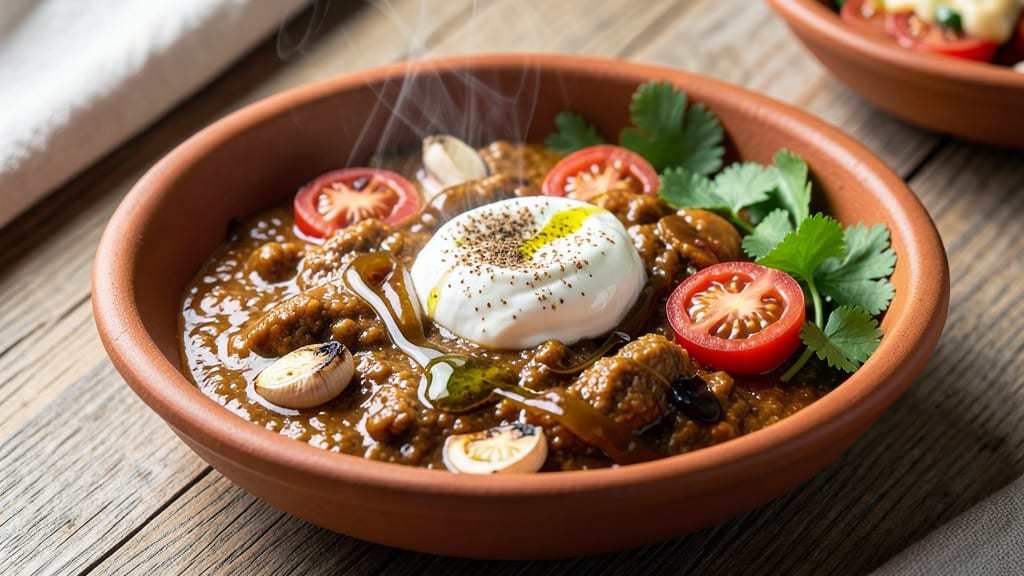
The authentic butter chicken sauce transforms simple ingredients into a velvety, aromatic masterpiece that clings to every bite of tender chicken. This recipe captures the essence of traditional Indian flavor—tangy tamarind, rich tomato base, and creamy yogurt—all balanced with warm spices like garam masala and cumin.
The secret lies in slow simmering and tempering whole spices, a technique that elevates this sauce from ordinary to extraordinary.
What sets this sauce apart is its depth of flavor, achieved through a tomato-tamarind foundation that builds complexity over time. Unlike many shortcut recipes, this version requires patience—letting the spices bloom in hot oil and reducing the sauce gradually creates layers of taste that bottled versions can't match.
The yogurt adds a subtle tang that cuts through the richness, while cream at the end ensures that signature silky texture.
By the time you're done, you'll have a sauce that's restaurant-quality but homemade—perfect for coating chicken, drizzling over naan, or serving with basmati rice. The aroma alone will transport you to a bustling Indian kitchen, where every spice plays its part in harmony.
This isn't just a sauce; it's an experience that turns a simple meal into something unforgettable.
The best part? This recipe scales effortlessly—double or triple the batch for meal prep or entertaining. Once you master this technique, you'll never settle for anything less than authentic. Let's get started on creating a sauce that will become your new signature dish.
Ingredients for authentic butter chicken sauce
These twelve ingredients blend into a sauce that tastes like a bustling Indian kitchen.
| Ingredient | Amount | Notes |
|---|---|---|
| Extra-Virgin Olive Oil 🫒 | ½ cup | High quality, fruity |
| Fresh Ginger Root 🌿 | 2 tbsp | Finely grated, fresh preferred |
| Garlic Cloves 🧄 | 6 cloves | Peeled, minced fine |
| Tomatoes 🍅 | 2 cups | Ripe, chopped or puréed |
| Tamarind Paste 🍈 | 3 tbsp | High-quality, no additives |
| Plain Yogurt 🥛 | ½ cup | Full-fat, unsweetened |
| Heavy Whipping Cream 🧈 | ¼ cup | Full-fat for richness |
| Garam Masala 🌶️ | 1 tbsp | Freshly toasted preferred |
| Ground Cumin 🌿 | 1 tsp | Toasted for deeper flavor |
| Ground Coriander 🌿 | 1 tsp | Freshly ground preferred |
| Turmeric Powder 🧂 | ½ tsp | Bright yellow color |
| Kasuri Methi (Dried Fenugreek Leaves) 🌿 | 1 tbsp | Crumbled, aromatic |
| Salt 🧂 | 1 tsp | Kosher or sea salt |
| Fresh Cream 🧈 | ¼ cup | For finishing, optional |
The tamarind paste is non-negotiable—look for blocks or pure paste at Indian markets (the powdered stuff lacks depth). Trader Joe's carries a decent jarred version if you can't find fresh. Fresh ginger and garlic? Buy extra—you'll want them on hand for other dishes. The tomatoes should be ripe but firm; San Marzano cans work if you're short on time. For garam masala, MTR or Everest brands are solid choices, but if you can find whole spices to toast yourself, do it—game changer. The yogurt needs to be plain and full-fat (Greek or regular), no low-fat substitutes here.
No tamarind? Lemon juice plus 1 tbsp brown sugar gets you close, though it won't be identical. Running out of garam masala? Mix 1/2 tsp each cumin, coriander, cinnamon, and cardamom. The yogurt can be strained overnight for a thicker, tangier base (wrap in a towel, place over a bowl). For a vegan version, swap the yogurt for coconut yogurt and the cream for coconut cream. The kasuri methi is the secret weapon—if you can't find it, dried fenugreek seeds toasted and crushed work in a pinch, but it won't be the same. The fresh cream at the end is optional but adds that signature silky texture.
This sauce keeps beautifully—5 days refrigerated or 3 months frozen. For freezing, portion into ice cube trays first, then transfer to a bag. The flavors actually deepen overnight, so make extra if you can. Reheat gently on low—no boiling, or it'll break. The sauce thickens as it cools, so thin with a splash of water or milk if needed. Store the kasuri methi in an airtight jar away from light to preserve its aroma.
Why You'll Love This Recipe
- No-Fuss Base: I swear by this sauce—just tomatoes, ginger, and garlic simmered in olive oil until it’s just thick enough. No blenders, no straining, just pure, chunky goodness that still tastes like it came from a restaurant.
- Tamarind Tang Magic: That little jar of tamarind paste is the secret weapon. A spoonful brightens the whole sauce, cutting through the richness with this just-right sour kick that makes every bite sing—like a hug in sauce form.
- Weeknight Workhorse: Double the batch on Sunday, and you’ve got lunch covered for days. It’s my go-to for quick wraps, rice bowls, or even drizzled over grilled chicken—no last-minute stress, just flavor on demand.
- Budget-Friendly Luxury: Olive oil and tomatoes? Affordable. But it tastes like a splurge. I’ve made this for 10 people, and the cost per serving is laughable—yet somehow, it always feels special. (Yes, even on a Tuesday night.)
Step-by-step instructions for authentic butter chicken sauce
Here's how to build this rich, tangy sauce from scratch—layer by layer.
Bloom the Spices in Olive Oil
Heat the 0.5 cup extra-virgin olive oil in a heavy-bottomed saucepan over medium-low heat. Add the 1 tablespoon garam masala, 1 teaspoon ground cumin, 1 teaspoon ground coriander, and 0.5 teaspoon turmeric powder. Stir constantly for 1-2 minutes until the spices release their aromatic oils and the mixture smells deeply fragrant.
This step is where all the magic begins. The spices should darken slightly but not burn—watch closely. If they start to smoke, immediately reduce the heat. The oil should shimmer but not bubble vigorously. Once properly bloomed, the spices will form a fragrant paste that forms the flavor foundation of your sauce.
Add Ginger and Garlic
Increase heat to medium and add the 2 tablespoons finely grated fresh ginger root and 6 cloves minced garlic. Cook for 2-3 minutes until the raw garlic aroma disappears and the mixture turns a golden hue. You'll know it's ready when the garlic no longer looks pale but has taken on a slightly browned color.
Don't rush this step—properly cooking the garlic removes its bitterness and enhances its sweetness. If you smell any sharpness remaining, cook for another 30 seconds. The ginger should soften but not darken. This aromatic base will carry through the entire sauce, so take your time here.
Build the Tomato-Tamarind Base
Add the 2 cups chopped tomatoes and 3 tablespoons tamarind paste, stirring to combine. Increase heat to medium-high and bring to a gentle boil. Once boiling, reduce heat to medium-low and simmer uncovered for 15-20 minutes, stirring occasionally, until the mixture thickens and reduces by about half.
As it cooks, the tomatoes will break down into a rich, concentrated purée. The tamarind paste will dissolve completely, adding that signature tangy depth. You're looking for a sauce that coats the back of a spoon and has a thick, syrupy consistency. If it reduces too quickly, add 1-2 tablespoons water to maintain the proper texture.
Incorporate Yogurt and Cream
Remove the pan from heat and let it cool slightly for 2-3 minutes—this prevents the yogurt from curdling when added. Stir in the 0.5 cup plain yogurt and 0.25 cup heavy whipping cream until completely smooth. Return the pan to low heat and warm through for 3-4 minutes, stirring constantly.
This is where the sauce transforms from tangy to creamy. The yogurt should blend seamlessly, creating a velvety texture. If the sauce looks too thick, add 1-2 tablespoons water to reach your desired consistency. The heat should be gentle enough to warm the sauce without breaking the yogurt—you're just maintaining temperature, not cooking.
Finish with Fenugreek and Fresh Cream
Crumble the 1 tablespoon kasuri methi (dried fenugreek leaves) into the sauce and stir for 1-2 minutes until fully dissolved. Remove from heat and stir in the 0.25 cup fresh cream and 1 teaspoon salt. Taste and adjust seasoning—you might need a bit more salt to balance the tangy-sweet flavors.
The fenugreek adds that signature maple-like sweetness and earthy depth that makes authentic butter chicken sauce so distinctive. The fresh cream at the end adds richness without overpowering the other flavors. This sauce should be vibrant, balanced, and ready to coat your chicken beautifully. Use it immediately or store in the refrigerator for up to 5 days—it only gets better with time!
Pro Tips For Making Authentic Butter Chicken Sauce
- Blister the Garlic: High heat until the edges turn golden brown—that’s when the flavor unlocks. I used to sauté garlic gently, but now I let it go full-on crispy, then immediately toss in the ginger. The extra-virgin olive oil handles the heat better than you’d think, and the aroma? Night and day.
- Crush the Tomatoes: Skip the blender—rub the raw tomatoes with your fingers first to break down the skins and flesh. This releases more juice and pulp into the sauce faster, so you’re not staring at a watery mess. (Yes, even if you’re impatient like me.)
- Tamarind First: Dissolve the tamarind paste in warm water before adding it to the sauce—this prevents clumping and gives you a smoother, tangier base. I learned this the hard way after scraping gummy bits off my pan for the third time.
- Simmer Low and Long: After the tomatoes break down, drop the heat to low and let it cook uncovered for 20-25 minutes. This isn’t the time to rush—it’s when the flavors meld. I used to walk away too soon, and the sauce always tasted flat. Patience here makes all the difference.
Essential equipment for great authentic butter chicken sauce
Heavy-Bottomed Saucepan
Your saucepan is the workhorse of this recipe—never use nonstick for this sauce. I recommend a 5-quart stainless steel or cast iron pan like the All-Clad D5 or Lodge 5.5-quart. These materials distribute heat evenly and handle the prolonged simmering without hot spots.
The saucepan must have a tight-fitting lid to trap steam during reduction. If you're using a lighter pan, reduce heat slightly to prevent scorching. 🔥
Immersion Blender
While you can purée the tomatoes separately, an immersion blender makes this process seamless right in the pot. My go-to is the Ninja BN601—it handles thick sauces effortlessly and eliminates transfer steps.
If you don't have one, a regular blender works, but you'll need to strain the sauce afterward to remove any lumps. For the tamarind paste, blending it directly into the hot mixture ensures even distribution of that tangy depth. 💫
Fine-Mesh Strainer
A fine-mesh strainer is essential for achieving that silky texture, especially if you're using whole spices or puréeing tomatoes. I use a 3-inch stainless steel strainer from OXO Good Grips—it's durable and gets the job done without leaving behind gritty bits.
If you're using kasuri methi (dried fenugreek leaves), strain the sauce through the strainer to dissolve the leaves completely, creating that signature maple-like sweetness. For extra smoothness, line the strainer with a cheesecloth or coffee filter. ✨
Wooden Spoon
Never use metal utensils when incorporating the yogurt—it can curdle from the heat transfer. A heat-resistant wooden spoon (like the OXO Good Grips version) gently folds the yogurt into the sauce without breaking its delicate texture.
I also use it for stirring the spices during the blooming phase, as it prevents any potential scorching from metal-to-metal contact. Keep it handy for the entire process—it's your best friend for maintaining sauce integrity. 💪
Digital Kitchen Scale
While this recipe uses volume measurements, a digital kitchen scale (like the OXO Good Grips model) ensures precision, especially for spices and tamarind paste. For example, 1 tablespoon garam masala can vary significantly in weight—some brands are denser than others.
Weighing your spices guarantees consistent flavor every time. It's also helpful for measuring the kasuri methi, which can clump and make volume measurements unreliable. 🌶️
Tamarind Paste Source
This isn't equipment, but it's critical: authentic tamarind paste is non-negotiable for that signature tang. I source mine from Indian grocery stores or Trader Joe's (their jarred version works in a pinch). If you can't find it, lemon juice plus 1 tablespoon brown sugar substitutes, though it won't be identical.
For the best results, look for blocks of tamarind at specialty markets—soak, strain, and purée them yourself for maximum depth. This small investment elevates the entire sauce. 🍈
Nutrition facts
Frequently asked questions
Can I make this sauce without tamarind?
Yes, but the flavor will differ slightly. Replace the 3 tablespoons tamarind paste with 2 tablespoons lemon juice plus 1 tablespoon brown sugar for tanginess. For a closer approximation, use 1 tablespoon lime juice plus 1/2 teaspoon sugar. The sauce will be less complex but still delicious—just expect a brighter, slightly sweeter profile than traditional versions.
Why does my sauce look too thin or too thick?
Sauce consistency depends on cooking time and heat control. If it's too thin, simmer uncovered for 5-10 more minutes to reduce. For thickening, stir in 1 teaspoon cornstarch mixed with 1 tablespoon water and simmer for 2 minutes. Too thick? Thin with 1-2 tablespoons warm water or milk. The ideal texture coats the back of a spoon but remains pourable. Adjust gradually—you can always thicken later but can't un-thin it.
How do I prevent the yogurt from curdling?
Curdling happens when yogurt hits hot liquid too quickly. Always cool the sauce slightly (2-3 minutes off heat) before adding yogurt, and stir constantly on low heat until fully incorporated. Use a wooden spoon (never metal) and keep heat at a gentle simmer. If it starts to separate, whisk in 1 tablespoon cold water to stabilize it. The sauce should be warm, not hot—think 110°F-120°F, not boiling.
Can I make this sauce ahead of time?
This sauce improves overnight. Let it cool completely, then store in an airtight container in the fridge for up to 5 days. The flavors meld beautifully. For longer storage, freeze in ice cube trays, then transfer to a bag (lasts 3 months). Thaw in the fridge overnight and reheat gently on low heat, stirring occasionally. Avoid microwaving—it can break the sauce's texture.
What's the secret to the best butter chicken flavor?
The magic lies in three key techniques:
- Blooming spices in oil (don't skip this step—it releases maximum flavor),
- Slow reduction of the tomato-tamarind base (patience builds depth), and
- Finishing with kasuri methi (this adds that unmistakable maple-like sweetness). The yogurt and cream balance richness, while proper heat control prevents curdling. Authenticity comes from these small details, not just ingredients.