
Sauces & Condiments
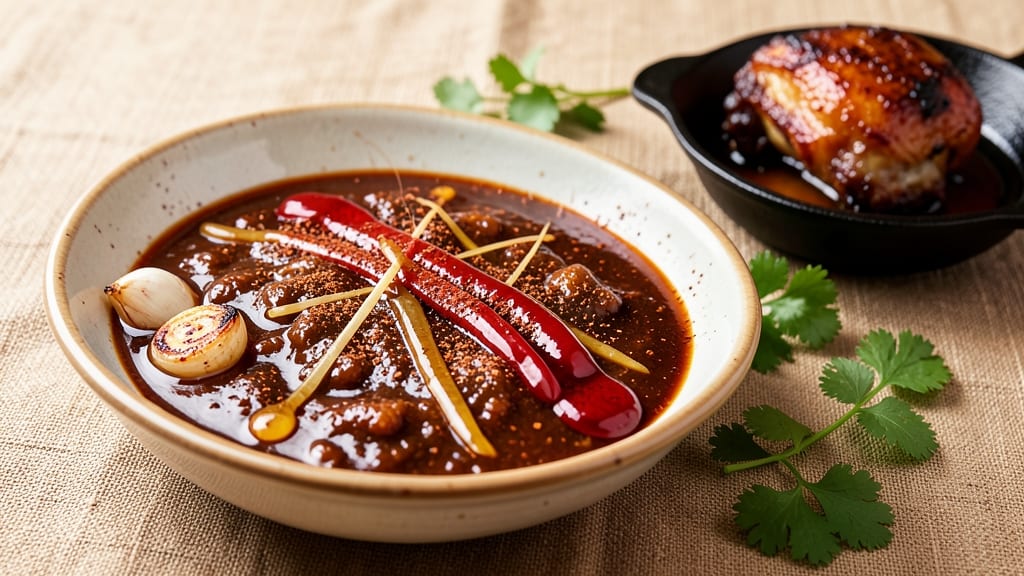
Asad's Hot Chicken Sauce Recipe delivers the signature Nashville heat—where fiery cayenne meets velvety honey for a balance that’s addictive and complex. This isn’t just a sauce; it’s the secret weapon behind Nashville’s legendary crispy, spicy fried chicken, and it’s easier to make than you’d think. The magic lies in the slow simmer of vinegar, spices, and honey, which mellows the cayenne into a smooth, sticky glaze that clings to every bite.
The recipe builds flavor in layers: sharp apple cider vinegar cuts through the heat, while garlic and mustard add depth. A touch of honey—just enough—rounds out the cayenne’s bite, creating that signature sweet-spicy punch.
You’ll start with a small batch to test the heat, but once you taste the perfect harmony of tang, spice, and sweetness, you’ll want to make a big batch to drizzle over fried chicken, slather on sandwiches, or use as a marinade.
What sets this sauce apart is its versatility. Use it as a finishing sauce for fried chicken, a dip for wings, or a marinade for meats. The sauce keeps well in the fridge for up to 2 weeks, and the flavors deepen over time—making it perfect for meal prep.
The key is patience; letting the sauce simmer until thick and glossy ensures every drop delivers that iconic Nashville heat.
For those who love a challenge, adjust the cayenne to your spice tolerance, but remember: the honey and vinegar are what make this sauce truly special. This isn’t just a condiment; it’s an experience. Let’s make it.
Ingredients for asad's hot chicken sauce
Sharp vinegar, fiery cayenne, and velvety honey—just ten ingredients for Nashville heat.
| Ingredient | Amount | Notes |
|---|---|---|
| Apple Cider Vinegar 🍎 | ½ cup | Raw, unfiltered preferred |
| Cayenne Pepper 🌶️ | 2 tbsp | Adjust for heat preference |
| Honey 🍯 | ½ cup | Wildflower or clover variety |
| Garlic Cloves 🧄 | 4 cloves | Fresh, minced for depth |
| Dijon Mustard 🌿 | 1 tbsp | High-quality, smooth variety |
| Smoked Paprika 🌶️ | 1 tbsp | For smoky complexity |
| Salt 🧂 | 1 tsp | Kosher or sea salt |
| Black Pepper 🌶️ | ½ tsp | Freshly ground preferred |
| Water 💧 | ½ cup | For thinning consistency |
| Butter 🧈 | 1 tbsp | Unsalted, for richness |
The cayenne is the star, but the vinegar and honey are what make it special. Bragg Apple Cider Vinegar from the store has that perfect tang, but any raw, unfiltered vinegar works. For honey, Wildflower or clover gives the best balance—avoid the super-processed stuff. The garlic? Fresh is non-negotiable—dried just won’t cut it. Grab a head of garlic from the store’s produce section and mince it yourself. The Dijon mustard should be smooth, not grainy—Maille or French’s are solid choices. Smoked paprika adds depth without overpowering, and I always reach for Penzeys for the best quality.
No cayenne? Red pepper flakes at half the amount work in a pinch, but you’ll lose some of that signature Nashville kick. Short on honey? Maple syrup works too, though it’ll be slightly less tangy. The butter is optional but adds incredible richness—skip it if you’re watching calories, but trust me, it’s worth it. The water is just for thinning if your sauce gets too thick. If you’re making a big batch, double everything—this sauce keeps well, and you’ll want leftovers. For a milder version, cut the cayenne to 1 tbsp and add an extra 1/2 tbsp of honey.
This sauce gets better with time—let it sit in the fridge for at least 24 hours before using. It’ll thicken up nicely and the flavors will meld perfectly. Keeps for 2 weeks in the fridge, and you can freeze it for 6 months if you’re planning ahead. I like to store it in a glass jar so I can see the beautiful red color. The sauce thickens as it cools, so if it seems too thick when you first make it, just add a splash of water and warm it up. Perfect for drizzling, dipping, or marinating—just don’t skip the butter if you can help it.
Why You'll Love This Recipe
- Pantry Magic: I swear by this sauce because it uses stuff I already have—no special trips to the store. That tangy apple cider vinegar and honey combo? It’s the secret to balancing the cayenne’s kick without needing fancy ingredients.
- Sweet Heat Balance: The honey and Dijon mustard smooth out the cayenne’s bite, but the garlic? Oh, it’s the star. One whiff of those roasted cloves and I’m already craving seconds—no extra steps needed.
- Game for Any Meal: Slather it on wings, drizzle it over fries, or toss it with noodles. Honestly, I’ve even used it as a marinade for grilled shrimp. It’s the kind of sauce that turns ordinary meals into something special.
- Makes Leftovers Worth It: This sauce keeps for weeks in the fridge, and the flavors only get better. Between us, I’ve made a big batch and stretched it across three meals—no wasted ingredients, just pure flavor payoff.
Step-by-step instructions for asad's hot chicken sauce
This sauce delivers perfect heat balance—sweet, smoky, and fiery all at once.
Melt Butter and Bloom the Spices
In a medium saucepan over medium heat, melt the 1 tablespoon butter until it just begins to foam. This is your flavor base—don't let it brown. Immediately add the 1 tablespoon smoked paprika and 2 tablespoons cayenne pepper, stirring constantly for 30 seconds to bloom the spices. You'll smell that deep, smoky aroma right away—this is where the sauce's complexity starts.
Watch the pan carefully—if the spices darken too quickly, reduce the heat slightly. The goal is to wake up those spices without burning them. Once the spices are fragrant and the butter has melted completely, it's time to add the garlic. This is the moment that matters: the spices should look evenly distributed with no raw powder clumps.
Cook Garlic Until Golden
Add the 4 minced garlic cloves and stir for 1-2 minutes until they become light golden brown—this prevents bitter flavors. You'll know they're ready when they smell intensely aromatic and the edges start to crisp slightly. Be patient here; garlic burns faster than you think. If it starts to darken too quickly, remove the pan from heat for 10 seconds and let it cool slightly before continuing.
Here's the thing—this garlic step builds the sauce's depth. Properly cooked garlic releases its sweetness and mellows the heat just enough to create balance. If you rush this, you'll get a bitter edge that overpowers the sweetness we're about to add.
Combine Wet Ingredients
Reduce heat to medium-low and pour in the 0.5 cup apple cider vinegar and 0.5 cup honey. Stir constantly for 3-4 minutes until the mixture begins to thicken slightly. You'll see the sauce transform from a loose liquid to something more cohesive, with a glossy sheen developing on the surface. This is where the tangy-sweet balance starts forming.
The vinegar will bubble gently as it reacts with the butter. Don't walk away—you want to prevent any scorching at the bottom. After 2 minutes, add the 1 tablespoon Dijon mustard and stir to combine. The mustard will help emulsify the sauce and add that subtle depth that makes this sauce special.
Simmer and Season
Pour in the 0.5 cup water and bring the mixture to a gentle simmer over medium heat. Let it bubble for 5-7 minutes, stirring occasionally, until it reduces by about 25%—you're looking for a sauce that coats the back of a spoon. This reduction concentrates the flavors and creates that perfect consistency.
Now for the seasoning: add the 1 teaspoon salt and 0.5 teaspoon black pepper, stirring well to distribute. Taste and adjust the heat if needed—this is where you can fine-tune. If it's not spicy enough, add a pinch more cayenne. If it's too sharp, add a little more honey. The sauce should have a perfect balance of sweet, smoky, and fiery notes that make your taste buds dance.
Cool and Store
Remove the pan from heat and let the sauce cool for 10 minutes—this allows the flavors to meld completely. The sauce will thicken further as it cools, so don't be alarmed if it looks slightly too thick when warm. For best results, transfer to a clean jar and refrigerate for at least 1 hour before using. This resting period lets all the flavors come together perfectly.
The sauce will keep in the refrigerator for up to 2 weeks, making it perfect for batch cooking. For a smoother texture, strain through a fine-mesh sieve before serving. This sauce is incredible on hot chicken, tacos, or even drizzled over grilled meats—just a little goes a long way with its concentrated flavors.
Pro Tips For Making Asad'S Hot Chicken Sauce
- STRAIN THE GARLIC: After mincing those cloves, let them sit in warm water for 2 minutes—this softens them and makes them blend smoother. I used to skip this and ended up with a gritty sauce that tasted like you chewed on raw garlic instead of enjoying it.
- LOW AND SLOW HEAT: Simmer the sauce on medium-low, not high. The vinegar and honey can burn fast, and once that happens, the sauce turns bitter. I learned this after one disastrous batch where I walked away for "just a minute."
- MEASURE CAYENNE BY SPOON: Don’t eyeball it—use a teaspoon and adjust in small increments. That jarred cayenne is deceptive; what looks like a pinch can turn your sauce into a mouthwash. Start with ½ teaspoon, taste, then add more if needed.
- WHISK IN THE MUSTARD LAST: Add Dijon at the very end, right before removing from heat. Whisking it in early can make the sauce separate or curdle, especially if you’re using raw garlic or vinegar. Stir it in when everything else is smooth, and you’ll get that perfect tangy thickness.
Troubleshooting this dish
Too Thin or Watery
If your sauce ends up too thin, it’s likely because you didn’t reduce it enough during simmering. Bring the sauce to a boil over medium-high heat and let it bubble vigorously for an extra 5-7 minutes, stirring occasionally. The water will evaporate, and the sauce will naturally thicken.
If it’s still too thin after reduction, remove from heat and let it cool—it’ll thicken further as it sits. For immediate thickening, mix 1 teaspoon cornstarch with 1 tablespoon cold water, stir into the sauce, and simmer for 1-2 minutes until it reaches the right consistency. 🌡️
Too Thick or Gluey
A gluey sauce usually means you over-reduced it or didn’t account for how it thickens as it cools. If this happens, add 1 tablespoon of water at a time while stirring over low heat until it reaches a smooth, pourable consistency.
For a smoother texture, strain the sauce through a fine-mesh sieve before serving. If you’re storing it, the sauce will thicken further in the fridge—just stir in a splash of water when you’re ready to use it. 💧
Bitter or Harsh Taste
Bitterness often comes from overcooking the garlic or letting the spices burn. To fix it, add 1-2 teaspoons of honey or 1 tablespoon of apple cider vinegar to balance the flavor.
If the sauce tastes too sharp, a pinch of smoked paprika or a splash of water can help mellow it out. Always taste as you go—adjusting the heat and sweetness balance is key. The goal is that perfect sweet-spicy-smoky harmony. 🌶️
Separation or Oily Layer
If your sauce separates and develops an oily layer on top, it’s likely due to the butter or spices not emulsifying properly. Stir in 1 teaspoon of Dijon mustard (which acts as an emulsifier) and warm the sauce gently over low heat while stirring constantly.
If the separation persists, whisk in 1 tablespoon of water to help blend everything together. For future batches, ensure the sauce is stirred continuously during simmering to prevent separation. 🥄
Not Spicy Enough
If your sauce lacks heat, it’s probably because the cayenne wasn’t strong enough or didn’t bloom properly. Boost the heat by adding ½ teaspoon of cayenne pepper at a time, stirring well to distribute.
For an extra kick, add ½ teaspoon of red pepper flakes or a pinch of cayenne powder. If you’re using a milder vinegar, switch to raw, unfiltered apple cider vinegar—it has a sharper tang that enhances the spice. 🔥
Grainy or Uneven Texture
A grainy texture usually means the spices or garlic weren’t fully dissolved. Strain the sauce through a fine-mesh sieve to remove any undissolved particles. If you prefer a smoother sauce, blend it briefly in a mini food processor or blender before serving.
For future batches, ensure the garlic is finely minced and the spices are fully bloomed before adding liquids. 🌿
Nutrition facts
Frequently asked questions
Can I make this sauce without honey?
Yes, but the flavor will be more one-dimensional. Replace the honey with 1/4 cup maple syrup or 2 tablespoons brown sugar dissolved in 2 tablespoons water to maintain the sweet-spicy balance. For a tangier version, add an extra 1 tablespoon apple cider vinegar instead. The honey is key for that signature Nashville sweetness, though!
How spicy is this sauce compared to store-bought hot sauces?
This recipe delivers medium-high heat—think Nashville-style, not Carolina or ghost pepper territory. The cayenne provides consistent heat, but the honey and vinegar mellow it into a complex flavor rather than a burning sensation. For comparison, it's roughly equivalent to Tabasco with extra cayenne but with deeper smoky-sweet layers. Adjust the cayenne to your tolerance!
Can I use this sauce as a marinade?
This sauce makes an excellent marinade for chicken, pork, or shrimp. For best results, marinate for 4-6 hours (or overnight for deeper flavor). The vinegar and spices tenderize the meat while infusing it with that signature sweet-spicy profile. Just remember: don't use it on delicate fish—stick to heartier proteins that can handle the acidity.
Why does my sauce look too thick when it cools?
This is completely normal! The sauce thickens as it cools due to the honey and starch from the mustard. If it's too gluey, simply add 1 tablespoon water at a time while stirring over low heat until smooth. For serving, the thicker consistency actually helps it cling better to fried foods. Store it in the fridge—it'll thicken further but can be thinned with water when ready to use.
What's the best way to store leftovers?
Transfer the cooled sauce to a clean glass jar and store in the fridge for up to 2 weeks. The flavors actually improve with time! For longer storage, freeze in ice cube trays (perfect for single-use portions) or airtight containers for up to 6 months. Thaw frozen sauce in the fridge overnight—never microwave directly from frozen to preserve texture.