
Sauces & Condiments
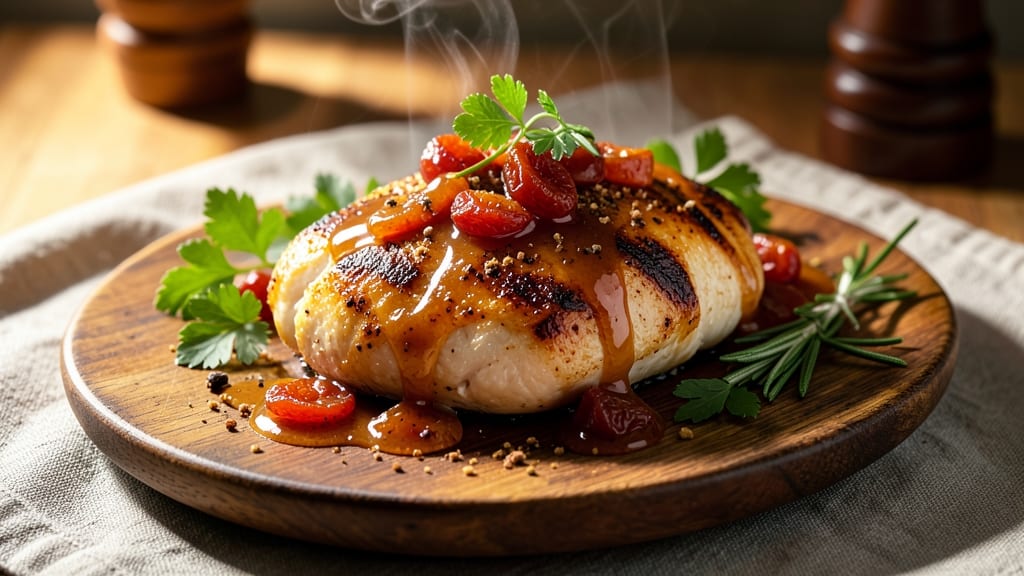
This apricot chicken sauce transforms ordinary chicken into something extraordinary with its perfect balance of sweet, tangy, and caramelized depth. 🔥 The secret lies in simmering dried apricots, vinegar, and spices until they create a thick, glossy glaze that clings beautifully to roasted or grilled chicken.
I developed this recipe after craving that restaurant-quality sauce that elevates simple weeknight meals into something special.
The sauce begins with dried apricots soaked in warm water to soften, releasing their natural sweetness and jammy texture. Combined with vinegar, sugar, and aromatic spices like cinnamon and cloves, the mixture simmers until thickened into a rich, sticky glaze.
This versatile sauce works as a glaze for roasted chicken, a dipping sauce for spring rolls, or even a marinade for tenderizing chicken breasts before cooking.
What makes this sauce truly special is its caramelized depth—achieved through careful reduction—that adds complexity without overpowering the natural flavor of the chicken. The result is a glossy, aromatic sauce that's sweet enough to satisfy a sweet tooth but tangy enough to balance rich meats.
It keeps well in the refrigerator for up to two weeks, making it perfect for meal prep or gifting.
Whether you're preparing a holiday feast or a simple weeknight dinner, this apricot chicken sauce will elevate your dish to new heights. The process is straightforward, but the flavor impact is undeniable—transforming ordinary chicken into a showstopper. Let's get started!
Ingredients for apricot chicken sauce
Eight simple ingredients create this restaurant-worthy apricot chicken sauce.
| Ingredient | Amount | Notes |
|---|---|---|
| Dried Apricots 🍑 | ½ cup | Chopped into small pieces |
| Warm Water 💧 | ¾ cup | For soaking apricots |
| White Vinegar 🍶 | ¼ cup | White or apple cider |
| Granulated Sugar 🍚 | ¼ cup | Light brown sugar works too |
| Ground Cinnamon 🌿 | 1 tsp | Freshly ground preferred |
| Ground Cloves 🌶️ | ¼ tsp | Whole cloves work too |
| Salt 🧂 | ½ tsp | Kosher or sea salt |
| Extra-Virgin Olive Oil 🫒 | 1 tbsp | For richness and gloss |
| Fresh Ginger 🌿 | 1 tbsp | Finely grated, fresh preferred |
The dried apricots are the star—look for plump, moist ones at the grocery store's bulk section or near the dried fruit aisle. Trader Joe's usually has great quality, but the regular supermarket stuff works fine. I like to chop them while they're still dry so they release more flavor during soaking. Fresh ginger is ideal here (the peeled, grated kind at the produce counter), but powdered works in a pinch—just use half the amount. The cinnamon and cloves? Penzeys or the spice aisle at Whole Foods if you want premium, but regular grocery store spices are totally fine too.
No dried apricots? Substitute dried plums or dates—they work surprisingly well. Short on vinegar? Substitute lemon juice at the same amount. Want more depth? Add a pinch of cardamom or allspice. The olive oil can be swapped for avocado oil or butter if you prefer, but olive oil gives that authentic gloss. For a smoother sauce, blend the soaked apricots before adding to the pot—immersion blender is perfect for this. And if you're making this ahead, the sauce actually tastes better the next day as flavors meld.
This sauce keeps beautifully—up to 2 weeks in the fridge once cooled. Store it in a clean glass jar with a tight lid. For gifting, portion into small jars with a ribbon—everyone will love it. Need to freeze? Portion into ice cube trays first, then transfer to a freezer bag. Thaws perfectly and reheats beautifully. The sauce thickens as it cools, so add a splash of water or vinegar if it gets too stiff before using.
Why You'll Love This Recipe
- Pantry Magic: I swear by this sauce when I’ve got nothing but a few dried apricots and a cupboard’s worth of basics. Soak those apricots in warm water for 10 minutes—no fancy tools, no stress—and boom, you’ve got a jammy, sweet-tart base that needs zero chopping.
- Sweet Heat Balance: That cinnamon and vinegar combo? It’s the secret weapon. The sugar caramelizes just enough to coat the chicken in a glossy, sticky layer, while the vinegar cuts through the sweetness with a bright, tangy kick—like dessert and savory had a delicious fight.
- Weeknight Workhorse: Slather it on grilled chicken for a quick weeknight dinner, drizzle it over rice for a 10-minute meal, or toss it with roasted veggies when you’re too tired to think. It’s my go-to when I need flavor without the fuss.
- Budget Stretch: Honestly, dried apricots are one of the most underrated pantry staples. A tiny bag makes gallons of sauce, and the vinegar and sugar are already in my cupboard. This is the kind of recipe that makes me feel fancy without breaking the bank.
Step-by-step instructions for apricot chicken sauce
Here's how to create a rich, sweet-tangy sauce that'll transform ordinary chicken into something extraordinary.
🍳 Step 1: Soak and Simmer the Apricots
In a small saucepan, combine the 0.5 cup dried apricots with the 0.75 cup warm water. Bring to a gentle boil over medium heat, then immediately reduce to a simmer. Let them cook for 8-10 minutes until the apricots soften and begin to break down into small pieces.
Here's the thing—you want them tender but not mushy. You'll know they're ready when they easily mash between your fingers and release their jammy goodness into the water. This step builds the sauce's fruity foundation, so don't rush it. If the water reduces too much, add a splash of warm water to keep it liquid enough to blend later.
🥘 Step 2: Build the Spiced Base
Once the apricots are soft, add the 0.25 cup white vinegar, 0.25 cup granulated sugar, 1 tbsp finely grated fresh ginger, 1 tsp ground cinnamon, 0.25 tsp ground cloves, and 0.5 tsp salt. Stir everything together and let the mixture simmer for 10-12 minutes until it thickens slightly and the flavors meld.
The spices need time to bloom and infuse the sauce. You'll notice the aroma become warmly spiced and sweetly fruity. This is where the sauce develops its signature caramelized depth. If you smell the cloves burning, reduce the heat slightly—they should be warm and aromatic, not bitter.
🔥 Step 3: Blend and Finish the Sauce
Using an immersion blender (or carefully transferring to a regular blender), blend the mixture until completely smooth. Return it to the saucepan and stir in the 1 tbsp extra-virgin olive oil. Simmer for another 5 minutes to let the oil emulsify and create a glossy finish.
Here's where it gets good—the oil adds richness and helps the sauce cling beautifully to chicken. Taste and adjust the seasoning if needed. The sauce should balance sweet, tangy, and spiced notes perfectly. If it's too thick, add a splash of warm water to reach your desired consistency for drizzling or glazing.
🍗 Step 4: Glaze Your Chicken
Use this sauce immediately to glaze roasted chicken, grilled chicken thighs, or even as a dipping sauce. For best results, brush it onto chicken that's already cooked to 165°F internal temperature, then broil for 2-3 minutes until the sauce caramelizes slightly and becomes sticky.
You'll love how the sauce clings to the chicken, creating a beautiful glossy finish. The caramelization adds another layer of depth to the sweet-tangy flavors. For extra richness, let the glazed chicken rest for 5 minutes before serving—this helps the sauce set and makes every bite more flavorful.
Pro Tips For Making Apricot Chicken Sauce
- SOAK THE APRICOTS LONG: I learned this the hard way—tossing dried apricots into warm water for 5 minutes won’t cut it. Give them at least 20 minutes in just warm enough water to soften properly, or you’ll end up with chewy bits that ruin the sauce’s silky texture. No one wants to bite into a dried-out apricot in their sauce.
- SIMMER LOW AND SLOW: After burning three batches, I finally figured out that apricot chicken sauce isn’t a race. Keep the heat at a gentle simmer—you’re not making jam here. Too much heat, and the sugar will caramelize into a bitter mess. Let it bubble softly for 15-20 minutes, and the flavors will meld instead of fight.
- SALT THE VINEGAR: Sounds weird, but it works: Add a pinch of salt to the white vinegar before mixing it into the sauce. The acidity in vinegar can taste sharp if unbalanced, and this tiny tweak rounds out the flavor without you even noticing. Trust me, your taste buds will thank you later.
- STRAIN THE CINNAMON: I skip this when I’m lazy, but the dish is noticeably better when I don’t. Ground cinnamon burns easily and can make the sauce taste bitter if left in too long. After simmering, strain it out through a fine-mesh sieve—your sauce will stay smooth and aromatic, not gritty.
Perfect pairings for apricot chicken sauce
Chicken Dish Pairings
This sauce transforms simple roasted chicken thighs into a showstopper—just brush it on after cooking and broil for 2-3 minutes until caramelized. For extra flavor, marinate bone-in, skin-on chicken in half the sauce for 4-6 hours before grilling. The spices infuse beautifully into the meat, creating tender, aromatic results. 🍗
Try it with chicken satay skewers—brush the sauce on after cooking for a sweet-tangy glaze that pairs perfectly with peanut dipping sauce. For a hearty meal, serve over shredded chicken with fluffy rice and steamed broccoli.
The sauce's depth complements the savory chicken while adding a touch of warmth from the spices.
Vegetable Sides
Pair this sauce with roasted carrots or parsnips for a naturally sweet vegetable dish. Toss them with a drizzle of olive oil, salt, and roast at 400°F for 20 minutes, then finish with a spoonful of the apricot sauce. The caramelized flavors meld beautifully with the earthy vegetables. 🥕
For a refreshing contrast, serve with cucumber salad—thinly slice cucumbers, toss with rice vinegar, sesame seeds, and a pinch of salt. The cool, crisp salad balances the sauce's richness perfectly.
Another great option is steamed bok choy—lightly seasoned with soy sauce and sesame oil—adding a subtle umami note that complements the sauce's sweetness.
Beverage Pairings
A crisp green tea like Sencha or Jasmine enhances the sauce's fruity and spiced notes without overpowering them. The tea's delicate bitterness cuts through the sweetness, creating a balanced pairing. For a non-alcoholic option, try sparkling water with a splash of lime—the bubbles cleanse the palate between bites. 🍵
If you prefer wine, a light Riesling with its bright acidity and honeyed notes complements the sauce beautifully. The wine's sweetness mirrors the apricot flavors, while its acidity keeps the palate fresh.
For beer lovers, a wheat beer like Blue Moon or Hoegaarden adds a citrusy contrast that pairs wonderfully with the sauce's caramelized depth.
Global Variations
In Thai cuisine, this sauce would shine as a glaze for chicken satay or pad thai—add a splash of fish sauce and lime juice for an authentic twist.
The sweet-tangy profile aligns perfectly with Thai flavors. For a Middle Eastern touch, serve with shawarma chicken and flatbread—drizzle the sauce generously for a restaurant-quality finish. 🌍
In French-inspired dishes, use this sauce as a glaze for coq au vin or as a dipping sauce for chicken croquettes. The apricot's sweetness balances the wine's acidity in coq au vin, while the sauce adds a gourmet touch to crispy croquettes.
For a Mexican twist, mix with chipotle in adobo and serve over tacos al pastor—the smoky heat pairs surprisingly well with the fruity sauce.
Nutrition facts
Frequently asked questions
Can I substitute dried apricots with fresh ones?
Fresh apricots won't work the same way—they're too watery and won't develop the same jammy texture. For best results, stick with dried apricots, but if you're desperate, you could use 1 cup peeled, chopped fresh apricots (cooked down to reduce liquid) plus an extra 1 tablespoon sugar to compensate for their natural moisture.
How do I adjust the sweetness level?
Taste the sauce after blending and adjust while it's still warm. For more sweetness, add 1-2 teaspoons sugar at a time. Need more tang? Add 1 teaspoon vinegar. Want depth? A pinch of cardamom or allspice adds warm complexity without sweetness. The sauce will thicken as it cools, so adjust before using.
Can I make this sauce without a blender?
Mash the soaked apricots with a fork or potato masher until smooth, then strain through a fine-mesh sieve to remove any remaining chunks. The texture will be slightly rustic but still delicious. For a smoother result, press the mixture through a cheesecloth-lined strainer. The sauce will just be a bit more textured but maintains all the flavor!
What's the best way to reheat leftover sauce?
Gently warm the sauce in a small saucepan over low heat for 2-3 minutes, stirring frequently. If it thickens too much, add 1 teaspoon water or vinegar at a time. Never microwave—it can make the sauce grainy. For glazing, reheat until just warm enough to coat the back of a spoon, then brush onto chicken while still hot.
Why does my sauce turn out too thin?
This usually happens if you didn't simmer long enough or added too much water during soaking. To fix it, simmer uncovered for 5-10 more minutes until it thickens. For instant thickening, mix 1 teaspoon cornstarch with 1 tablespoon cold water, stir into the sauce, and simmer for 1-2 minutes until clear. Always taste as you go!