
Sauces & Condiments
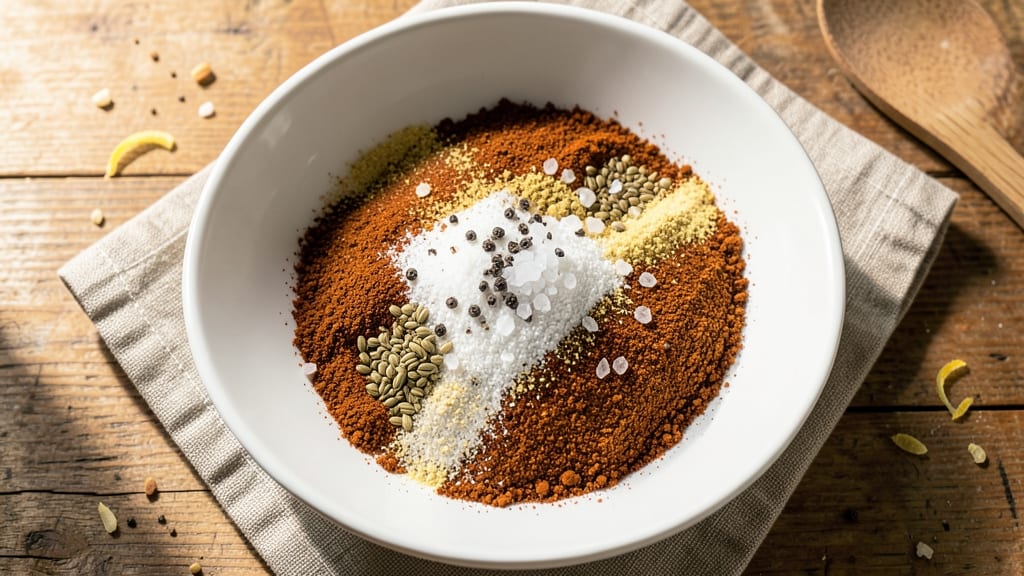
This air fry chicken seasoning recipe transforms ordinary chicken into crispy, golden bites with just a sprinkle. The secret lies in a foolproof blend of pantry staples that clings perfectly to the skin, creating a flavorful crust every time.
No fancy ingredients—just simple spices that elevate your air fryer game without extra effort.
What makes this seasoning special is its versatility. A perfect balance of salt, pepper, paprika, and garlic powder ensures bold flavor while keeping the chicken tender inside. The blend works equally well on wings, tenders, or even drumsticks, delivering that restaurant-quality crunch you crave at home.
Store it in an airtight container for up to 3 months, ready to enhance any chicken dish with minimal prep. Whether you prefer classic, spicy, or herby, this mix adapts effortlessly—just adjust the spices to your taste.
The result? Chicken so flavorful, it disappears faster than you can say "air fry."
Use it on thinly coated chicken pieces for maximum crispiness, or mix with olive oil for extra stickiness. The blend stays potent, so a little goes a long way. Perfect for meal prep or last-minute dinners, this seasoning turns simple chicken into a standout dish.
Ingredients for air fry chicken seasoning
Nine pantry staples blend into a crispy, restaurant-quality air fry seasoning.
| Ingredient | Amount | Notes |
|---|---|---|
| Smoked Paprika 🌶️ | 2 tbsp | Smoked for deep flavor |
| Garlic Powder 🧄 | 1 tbsp | Freshly ground preferred |
| Onion Powder 🧅 | 1 tbsp | Fine grind for even distribution |
| Ground Black Pepper 🌶️ | 1 tbsp | Freshly cracked for best flavor |
| Diamond Crystal Kosher Salt 🧂 | 1 tbsp | Coarse grain for even coating |
| Ground Cumin 🌿 | 1 tsp | Toasted for warmth |
| Dried Oregano 🍃 | 1 tsp | Mexican oregano if available |
| Ground Ginger 🌿 | ½ tsp | Freshly ground for zing |
| Cayenne Pepper 🔥 | ½ tsp | Adjust for heat preference |
The smoked paprika is non-negotiable here—it gives that signature air fryer crust color and smoky depth. Grab the Penzeys brand if you want to splurge, but the regular grocery store stuff works fine (just check the expiration date). Diamond Crystal kosher salt is my go-to because the coarse grains cling better to chicken skin than table salt. For garlic powder, McCormick or Badia are solid choices, but honestly, any brand will do as long as it's not ancient. The ground cumin should be toasted for warmth—quickly dry-toast in a skillet for 30 seconds if you're feeling fancy.
No smoked paprika? Sweet paprika plus a pinch of liquid smoke gets you close. Short on cayenne? Red pepper flakes at half the amount will add heat without overpowering. The oregano can be Italian or Mexican—Mexican has a slightly bolder flavor, so if you're near a Latin market, grab a small bag. For extra stickiness, mix this blend with olive oil or melted butter before coating. And if you're using this on wings, double the batch—trust me, you'll want it.
Store in an airtight container in a cool, dark place for up to 3 months—the spices stay potent longer that way. I keep mine in a small glass jar on my spice rack, right next to my air fryer. For best results, coat chicken pieces thinly with the mix before air frying. A little goes a long way—this blend is concentrated. And if you make extra? Freeze it in ice cube trays for single-use portions later.
Why You'll Love This Recipe
- Five-Minute Mix: I swear by this blend—just toss those five spices together, and you’ve got magic. No measuring cups, no fancy tools, just a quick shake in a jar. Honestly, I keep a batch in my pantry for when I’m staring at a raw chicken breast at 6:30 PM wondering how dinner will happen.
- Smoky Kick: That smoked paprika? It’s the star. One whiff and your kitchen smells like a summer cookout, but with zero effort. The garlic and onion powders add depth without overpowering—crispy skin, juicy meat, and a finish that’s ridiculously satisfying.
- Game for Any Meal: Use it on air-fried tenders for game day, toss it on frozen chicken nuggets for the kids (they’ll never know), or even dust it over roasted potatoes. Between us, I’ve used it on everything from grilled chicken thighs to a quick stir-fry—works every time.
- Leftovers? No Problem: Make a big batch—it stays fresh forever. A little goes a long way, so you’re not stuck with a cupboard full of half-used seasoning. Plus, if you’ve got a freezer full of prepped chicken, this mix turns bland protein into something special with zero extra work.
Step-by-step instructions for air fry chicken seasoning
Here's how to blend these pantry staples into a bold, aromatic seasoning that transforms ordinary chicken into crispy, restaurant-quality bites.
Measure Ingredients Precisely
Gather all your ingredients in a small bowl and measure them out carefully. I like to use a scale for the spices if I have one—it ensures perfect consistency every time. Start with the 2 tablespoons of smoked paprika, which provides that deep, smoky backbone to the blend. The paprika should look vibrant and evenly distributed in the bowl.
Next, add the 1 tablespoon each of garlic powder, onion powder, and ground black pepper. These three form the aromatic foundation that will infuse the chicken with layers of savory depth. I always use freshly ground black pepper for the best flavor—pre-ground spices lose potency quickly. The garlic and onion powders should be fine and evenly distributed, not clumpy.
Add Warm and Spicy Elements
Now it's time for the spices that bring warmth and a touch of heat. Add the 1 teaspoon of ground cumin and 1 teaspoon of dried oregano. The cumin will contribute earthy, toasty notes that pair beautifully with the smokiness of the paprika. If you have Mexican oregano, use that—it has a more complex, slightly citrusy flavor compared to regular Mediterranean oregano.
For the final spices, add the ½ teaspoon each of ground ginger and cayenne pepper. The ginger brings a subtle warmth that complements the other spices beautifully, while the cayenne adds just enough heat to make this seasoning truly special. If you prefer less heat, you can reduce the cayenne to ¼ teaspoon or omit it entirely.
Whisk Until Uniformly Blended
Using a whisk or small fork, blend all the ingredients together in the bowl. The goal is to create a uniform mixture where you can't see any individual spices. I like to whisk for about 30 seconds, lifting the mixture from the bottom of the bowl to ensure everything is evenly distributed. This step is crucial—uneven blending can lead to pockets of strong flavor in your chicken.
After whisking, give the mixture a taste. You should notice a complex blend of smoky, garlicky, slightly spicy flavors with underlying warmth from the cumin and ginger. If it tastes too mild, you can add a pinch more of the cayenne or smoked paprika. If it's too strong, a tiny bit more salt can help balance the flavors. The seasoning should be bold but not overpowering on its own.
Store for Maximum Freshness
Transfer the seasoning blend to an airtight container. I prefer small jars with tight-sealing lids for easy access and to keep out moisture. Store it in a cool, dark place like your pantry—this helps preserve the spices' potency. The seasoning will keep well for up to 3 months, though I find it's always best when used within 2 months for maximum flavor.
When you're ready to use it, simply shake the jar to redistribute the spices before measuring out what you need. This blend is incredibly versatile—it works perfectly on chicken thighs, drumsticks, or even chicken tenders in your air fryer. For best results, coat the chicken generously with the seasoning and let it sit for 10-15 minutes before air frying to allow the flavors to penetrate the meat.
Pro Tips For Making Air Fry Chicken Seasoning
- CRANK THE HEAT FIRST: Air fryers love high heat at the start—set yours to 400°F for the first 5 minutes to kickstart that crispy crust. I used to play it cool, and my chicken came out soft instead of golden. Once it’s browned, drop to 375°F for the rest of the cook time.
- MEASURE SALT LIKE A BOSS: Diamond Crystal kosher salt is fluffy—1 teaspoon isn’t 1 teaspoon. Use the rim of your measuring spoon to level it off, or eyeball it as ½ tablespoon per pound of chicken. Too little, and your seasoning tastes like a ghost; too much, and you’re crying into your takeout.
- DON’T SKIP THE DRYING: Pat that chicken completely dry with paper towels before seasoning—wet skin = sad, steamy air frying. I learned this after my first batch came out soggy. Let it sit for 10 minutes uncovered if it’s fresh from the fridge.
- TOSS IN OIL AFTER SEASONING: Rub the spices on first, then lightly coat with 1 teaspoon of neutral oil (like avocado or grapeseed) after. This locks in the seasoning so it doesn’t wash off in the air fryer’s rush. (Yes, even if you’re impatient like me.)
Pro cooking tips for air fry chicken seasoning
Perfect Coating Technique
For maximum crispiness, pat your chicken pieces completely dry with paper towels before seasoning. Moisture is the enemy of crispy air-fried chicken—it steams instead of browns. I like to use a pastry brush to lightly coat the chicken with olive oil (about 1 teaspoon per pound) after seasoning.
This creates a sticky surface that helps the spices adhere better and promotes that coveted crust. 🌟
Pre-Heating Your Air Fryer
Always pre-heat your air fryer for 3-5 minutes before adding chicken. This ensures the basket is hot enough to render fat quickly and create a crispy exterior. I set mine to 375°F for most chicken applications—this temperature balances speed and crispiness.
If you're using thicker cuts like drumsticks, you might need to increase to 400°F for the last 5 minutes of cooking to get that extra crunch.
Timing and Temperature
Air fry chicken at 375°F for 12-15 minutes, flipping halfway through. Use a meat thermometer to check doneness—165°F internal temperature is your goal. For wings, I find 14-16 minutes works perfectly, while larger pieces like thighs may need 18-20 minutes.
The key is patience—rushing leads to uneven cooking and soggy results. 🔥
Resting for Juiciness
Never skip the resting step! Let your air-fried chicken rest for 5 minutes after cooking. This allows the juices to redistribute, keeping the meat tender inside while the crust remains crispy.
I place the chicken on a wire rack set over a baking sheet to keep it elevated—this prevents steam buildup that can make the skin soggy. Trust me, this small step makes a huge difference in texture.
Double-Checking Doneness
Always verify doneness with a meat thermometer—visual cues alone can be deceiving. The chicken should reach 165°F in the thickest part, not just the surface. If you're unsure, cut into a small piece—juices should run clear, not pink.
For extra safety, I recommend cooking chicken to 170°F if you're serving it to kids or immunocompromised guests. The seasoning will still taste amazing, and you'll have peace of mind. ✨
Equipment Upgrades
Invest in a high-quality air fryer basket with non-stick coating—it makes cleanup a breeze and prevents sticking. I love the Ninja Foodi basket for its even heat distribution. If your basket starts to look worn, replace it—old baskets can't crisp chicken as effectively.
For larger batches, consider a two-tier air fryer like the Cosori—it cooks twice as much without sacrificing quality. These small upgrades make a big difference in your air frying game.
Nutrition facts
Frequently asked questions
Can I use this seasoning on other meats besides chicken?
This blend works beautifully on pork chops, turkey cutlets, or even fish fillets. The spices are versatile enough to handle different proteins, though you may need to adjust cooking times. For pork, reduce the cayenne slightly—pork absorbs spices more intensely than chicken.
How do I adjust the heat level if cayenne is too spicy?
Simply reduce the cayenne to ¼ teaspoon or swap it for ½ teaspoon of sweet paprika instead. For a milder kick, you can also add ½ teaspoon of dried thyme—it complements the other spices without heat. Always taste as you go!
Can I make this seasoning without smoked paprika?
Yes, but the flavor will be different. Replace the 2 tablespoons of smoked paprika with 1.5 tablespoons sweet paprika + ½ teaspoon liquid smoke. The liquid smoke adds depth, though it won't replicate the exact smoky taste. For a non-smoky version, use 1.5 tablespoons regular paprika + ½ teaspoon garlic powder instead.
How much seasoning should I use per pound of chicken?
Use about 1 teaspoon of seasoning per pound of chicken for a balanced flavor. For extra crispiness, increase to 1.5 teaspoons per pound and lightly coat with olive oil first. The seasoning is potent, so start with less if you're unsure—you can always add more!
Will this seasoning work in an oven?
Yes! Use the same seasoning blend for baked chicken, but increase the oven temperature to 425°F for crispier results. Bake for 20-25 minutes, flipping halfway. The spices will infuse just as well, though the texture may be slightly less crispy than air-fried chicken.